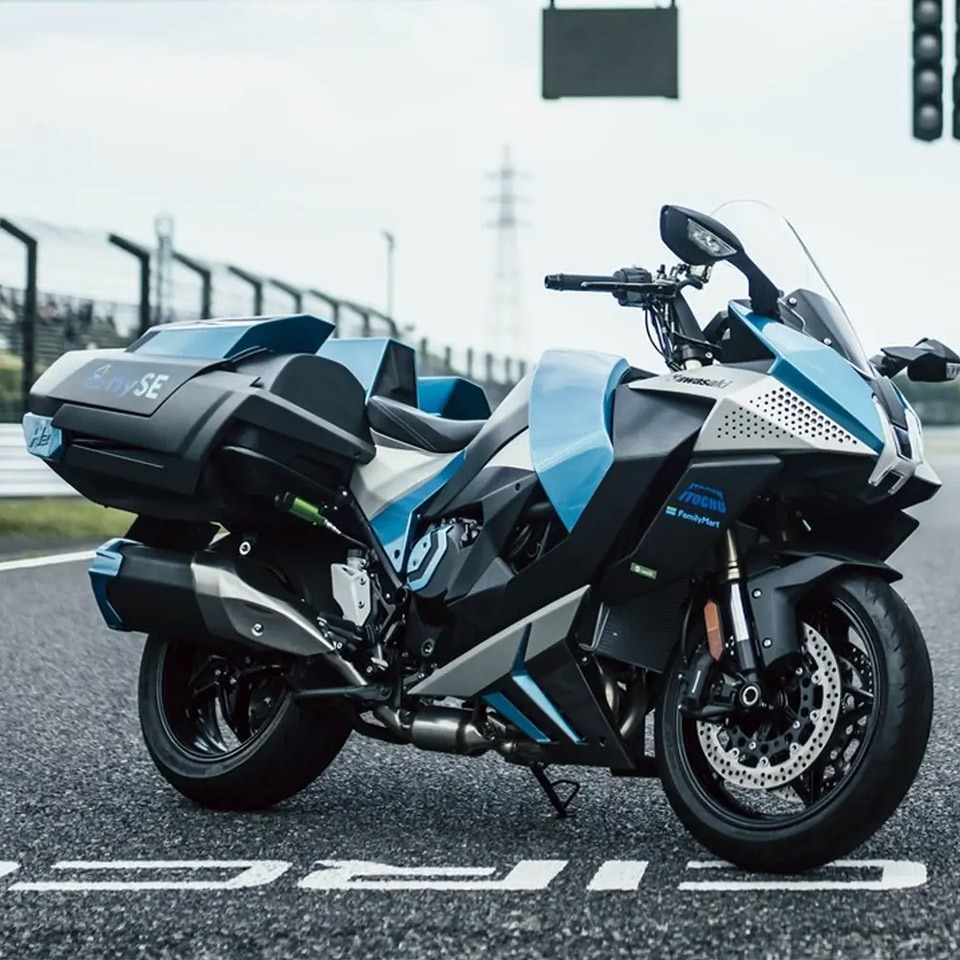
The advancement of sustainable transportation has led to the discussion of hydrogen as an alternative fuel source. Hydrogen motorcycles are at the forefront of this movement, offering an innovative solution to reducing emissions and promoting eco-friendly travel. These motorcycles utilize hydrogen fuel cells to generate power, presenting a cleaner alternative to traditional gasoline-powered bikes. In this article, we will explore how hydrogen motorcycle work, the technology behind them, and their environmental benefits.
Understanding Hydrogen Fuel Cells
The Basics of Hydrogen Fuel Cells
A hydrogen fuel cell operates by converting chemical energy directly into electrical energy. The process involves combining hydrogen gas with oxygen from the air to produce electricity, water, and heat. This conversion happens through an electrochemical reaction within the fuel cell. The primary components include an anode, a cathode, and an electrolyte membrane. Understanding how this system functions is crucial to comprehending how hydrogen powers motorcycles.
The Role of Hydrogen and Oxygen
During the operation of a hydrogen fuel cell, hydrogen gas enters the anode side of the cell. The process at the anode splits hydrogen molecules into protons and electrons. The protons pass through the electrolyte membrane to the cathode side, while the external circuit forces the electrons to travel, creating electric power. On the cathode side, the protons, electrons, and oxygen molecules recombine to produce water and heat as byproducts.
Advantages of Fuel Cells
Hydrogen fuel cells offer numerous advantages over traditional combustion engines. They produce zero harmful emissions, with water vapor being the only byproduct. Additionally, fuel cells are more efficient than gasoline engines, converting a larger percentage of fuel into usable energy. This efficiency means that hydrogen motorcycles can have longer ranges and reduced operating costs compared to their gas-powered counterparts.
Hydrogen Motorcycle Technology
Components of a Hydrogen Motorcycle
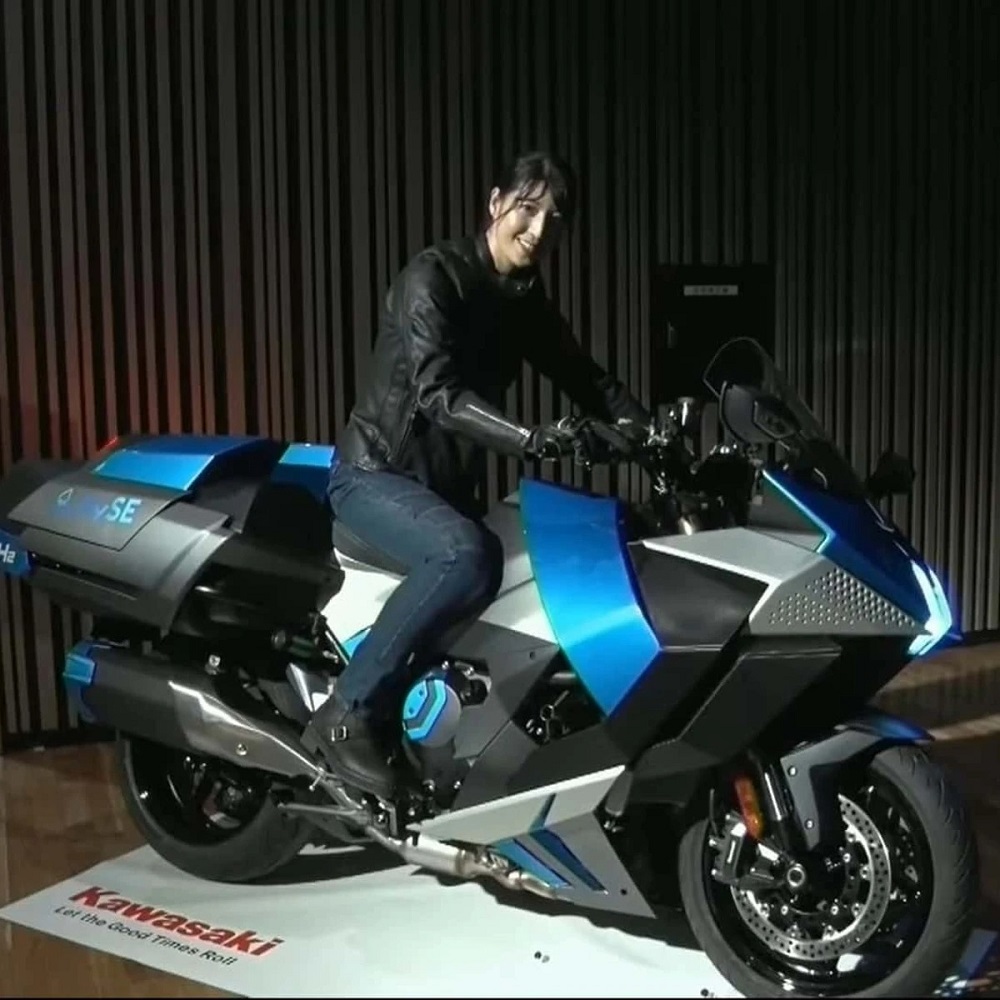
Hydrogen motorcycles consist of several essential components that differentiate them from traditional motorcycles. The most critical component is the hydrogen fuel cell, which generates the electricity needed to power the electric motor. Additionally, hydrogen storage tanks are used to hold the hydrogen gas under high pressure. These tanks must be designed to withstand extreme conditions, making safety a priority.
Electric Motor Integration
The electric motor in a hydrogen motorcycle works similarly to electric motors in battery-powered bikes. The electricity produced by the fuel cell is used to drive the motor, which provides the power needed for propulsion. This integration results in a quieter ride with smooth acceleration. The use of electric motors also enhances the overall efficiency of the motorcycle, contributing to its eco-friendly nature.
Energy Management Systems
Hydrogen motorcycles employ advanced energy management systems to optimize performance. These systems monitor the flow of electricity from the fuel cell and manage how much power is sent to the electric motor. This ensures that the motorcycle operates efficiently, providing the necessary power levels without wasting fuel. Additionally, energy management systems may incorporate regenerative braking, which recycles energy during deceleration.
Environmental Benefits of Hydrogen
Zero Emissions
One of the most significant environmental benefits of hydrogen motorcycles is that they produce zero emissions. Unlike traditional motorcycles that emit carbon dioxide and other harmful pollutants, hydrogen bikes only emit water vapor. This reduction in greenhouse gases contributes to cleaner air and helps combat climate change. Adopting hydrogen as a fuel source can play a crucial role in lowering urban air pollution levels, benefiting public health.
Reduced Fossil Fuel Dependency
As the world continues to rely on fossil fuels, finding alternatives is critical. Hydrogen can be produced from various sources, including natural gas, water, and biomass. This versatility means that hydrogen can reduce our dependence on oil and other fossil fuels, promoting a more sustainable energy landscape. By encouraging the use of hydrogen motorcycles, the transportation industry can take significant steps toward energy independence.
Sustainable Production Methods
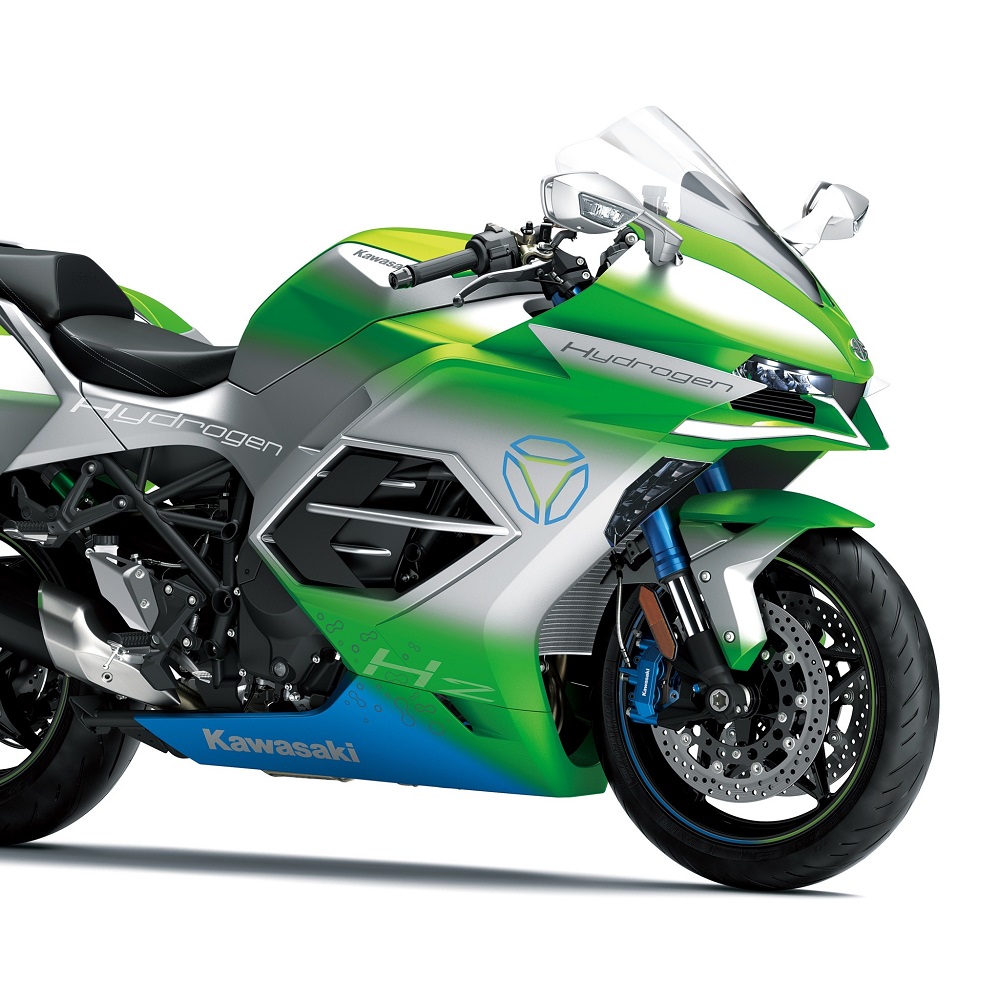
The production of hydrogen can also be environmentally friendly. Electrolysis, a process that splits water into hydrogen and oxygen using renewable energy sources, is a sustainable method of hydrogen generation. When hydrogen is produced using wind, solar, or hydroelectric power, it creates a closed-loop system that significantly minimizes environmental impacts. Supporting clean hydrogen production promotes a shift toward sustainable energy systems in transportation.
Challenges of Hydrogen Motorcycles
Infrastructure Development
Despite the benefits, hydrogen motorcycles face challenges, particularly regarding infrastructure. Hydrogen fueling stations are not as widespread as gas stations, making long-distance travel difficult. Developing a network of hydrogen refueling stations is crucial for the growth of hydrogen-powered vehicles. Investments in this infrastructure are essential to make hydrogen motorcycles a viable option for everyday use.
Cost of Production
The production of hydrogen and the manufacturing of fuel cells can be costly. While prices have been decreasing over the years, the initial cost of purchasing a hydrogen motorcycle may still be higher compared to traditional motorcycles. This cost can deter some potential buyers. As technology advances and economies of scale are achieved, we can expect prices to become more competitive in the future.
Public Awareness
Another challenge is the general public’s awareness and understanding of hydrogen technology. Many consumers are not familiar with how hydrogen fuel cells work or their benefits. Increasing public education around hydrogen motorcycles is essential for promoting adoption. Engaging marketing campaigns and outreach efforts can drive awareness and interest in hydrogen as a viable fuel source.

The Future of Hydrogen
Continued Innovation
The future of hydrogen motorcycles looks promising. Manufacturers are continually working on improving fuel cell technology to enhance efficiency and reduce costs. As research progresses, we can expect to see lighter, more powerful fuel cells that offer longer ranges and better performance. Innovations in materials used for hydrogen storage will also improve safety and efficiency.
Rising Demand for Sustainable Transportation
The increasing demand for sustainable transportation solutions favors the growth of hydrogen motorcycles. As more riders become environmentally conscious and seek alternative fuel options, manufacturers will likely respond by developing new models and options. The market for hydrogen-powered vehicles is expected to expand, bringing more choices to consumers.
Collaboration with Regulators
To address the challenges associated with hydrogen infrastructure, collaboration with government regulators will be essential. Policies that support hydrogen development, including subsidies for building refueling stations, can encourage investment in this budding market. Increased government support can significantly influence the growth and adoption of hydrogen motorcycles.
Popular Hydrogen Models
1. Honda CRF450L
Overview
The Honda CRF450L has emerged as a popular choice for off-road enthusiasts. It is recognized for its lightweight design and performance capabilities. The hydrogen variant takes it a step further by incorporating hydrogen technology, showcasing a transition toward sustainable options in off-road riding.
Key Features
This model retains Honda’s classic motorcycle design while integrating a hydrogen engine. Its advanced suspension system provides a smooth ride over rugged terrain. The fuel-efficient hydrogen engine offers impressive torque and acceleration, making it suitable for various riding conditions.
Why It’s a Great Option
The CRF450L demonstrates Honda’s commitment to innovation in the motorcycle industry. Riders looking for an eco-friendly off-road option should consider this model, as it promises performance without compromising environmental values.
2. Zero SR/F
Overview
The Zero SR/F is a fully electric motorcycle, but it has paved the way for hydrogen technology advancements in motorcycles. It illustrates the potential of electric and hydrogen technologies to coexist and inspire future models.
Key Features
The Zero SR/F boasts powerful acceleration, reaching impressive speeds while maintaining a clean energy footprint. It features a high-capacity battery system, allowing for long-range travel. As a pioneer in electric and hydrogen hybrid potential, it represents innovation within the motorcycle industry.
Why It’s a Great Option
This model captures the imagination of tech-savvy riders who appreciate cutting-edge technology. While not strictly a hydrogen motorcycle, it showcases the advancements being made toward cleaner transportation.
3. BMW Hydrogen Concept Bike
Overview
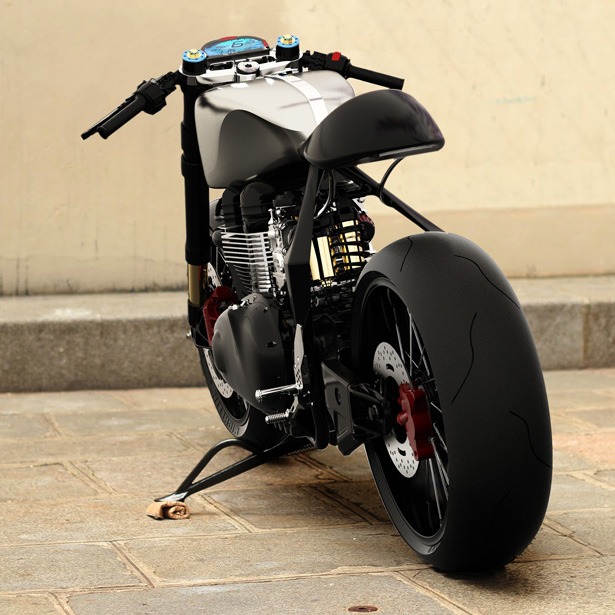
BMW has been exploring hydrogen technology for years, and their hydrogen concept bike represents the future of sustainable riding. The design showcases innovative engineering aimed at reducing emissions in the motorcycle industry.
Key Features
This concept bike features a hydrogen-powered fuel cell integrated into its sleek frame. Designed with performance and efficiency in mind, it holds the promise of a reliable and powerful riding experience. Advanced features incorporate both premium materials and modern styling.
Why It’s a Great Option
Although only a concept, the BMW Hydrogen bike symbolizes the exciting developments on the horizon for hydrogen technology in motorcycles. It represents the potential for high-performance bikes that are environmentally friendly.
FAQ:
- How does a hydrogen fuel cell work?
- A hydrogen fuel cell works by combining hydrogen gas and oxygen from the air in an electrochemical reaction. This reaction produces electricity, which powers the motorcycle’s electric motor, while the only emission is water.
- What are the environmental benefits of hydrogen motorcycles?
- Hydrogen motorcycles produce zero harmful emissions, contributing to cleaner air and reduced greenhouse gases. By using renewable hydrogen sources, they can further decrease dependency on fossil fuels and lower carbon footprints.
- How far can a hydrogen motorcycle travel on a single tank?
- The range of a hydrogen motorcycle can vary based on the model and hydrogen storage capacity, but many can typically travel between 150 to 250 miles on a single tank, making them comparable to traditional motorcycles in terms of range.
- Are hydrogen motorcycles available for purchase?
- As of now, hydrogen motorcycles are still in the early stages of development and may not be widely available in all markets. There are a few prototypes and concept models, with ongoing research and production expected to expand availability in the future.
- What are the challenges associated with hydrogen motorcycles?
- Challenges include the limited availability of hydrogen refueling infrastructure, the cost of producing and storing hydrogen, and the current reliance on fossil fuels for hydrogen production in many areas. Addressing these challenges is crucial for wider adoption of hydrogen-powered vehicles.
Embrace the Future of Riding with Hydrogen Motorcycles
Hydrogen motorcycles are at the forefront of the movement towards sustainable transportation. With their unique engineering, environmental benefits, and modern designs, they are set to change the motorcycle landscape. By understanding how hydrogen technology works and the potential it has for future developments, riders can be part of an exciting transformation.
Exploring models like the Honda CRF450L or the BMW Hydrogen Concept Bike showcases the promise of hydrogen in enhancing performance while caring for the environment. As more manufacturers invest in this technology, consumers can expect a wider range of eco-friendly options as they choose their next models.
As the community embraces hydrogen motorcycles, the environmental implications will lead to cleaner air and reduced reliance on fossil fuels. This shift not only benefits riders but plays a significant role in addressing broader climate challenges, especially with advancements in hydrogen fuel cell technology for motorcycles. With continued innovation, education, and collaboration in the industry, the future of hydrogen motorcycle looks bright. Embrace the journey into this new realm of riding and enjoy the thrill of a responsible, sustainable lifestyle.
Leave a Reply