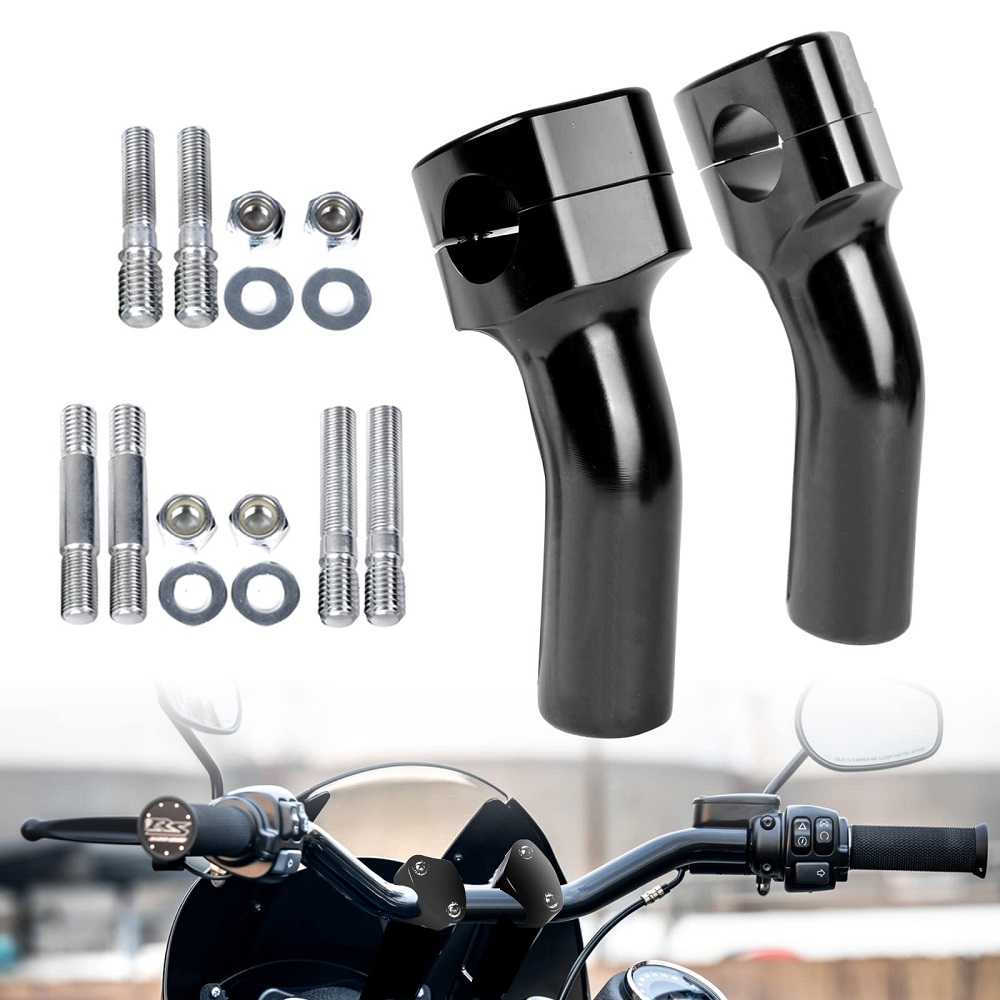
Introduction to Motorcycle Handlebars
The Importance of Proper Handlebar Position
Motorcycle handlebars are more than just grips; they are vital for controlling your bike. Properly adjusted handlebars significantly impact your comfort and riding experience. An optimal handlebar position enhances control, reduces fatigue, and improves safety. Understanding how to adjust your motorcycle handlebar is crucial for every rider.
Types of Motorcycle Handlebar
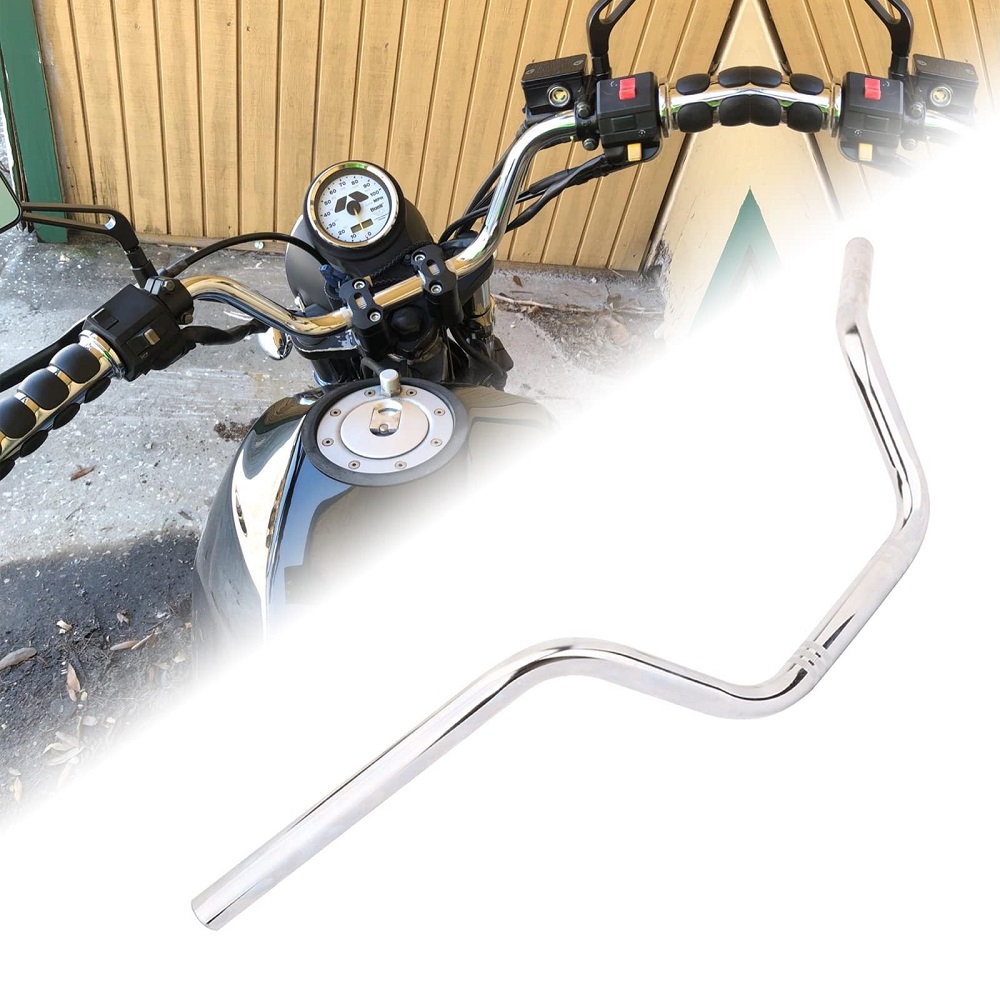
Motorcycles come with various handlebar types, each designed for different riding styles. Common types include cruiser, sport, and adventure handlebars. Each type affects the riding position and comfort level differently. Knowing your motorcycle’s handlebar style and how it affects riding can help you make informed adjustments.
Purpose of This Guide
The purpose of this guide is to provide a comprehensive overview of adjusting motorcycle handlebar for the perfect riding position. We will explore the factors that affect handlebar positioning, explain how to make adjustments, and discuss the benefits of finding the right fit.
Understanding Your Riding Position
The Anatomy of the Riding Position
A proper riding position is essential for comfort and control. The riding posture should allow for relaxed shoulders, which reduces tension during long rides. Your legs should be comfortably bent with feet positioned on the foot pegs. The handlebar height, width, and pullback should allow for an easy grip without straining your wrists or arms.
The Impact of Handlebar Height
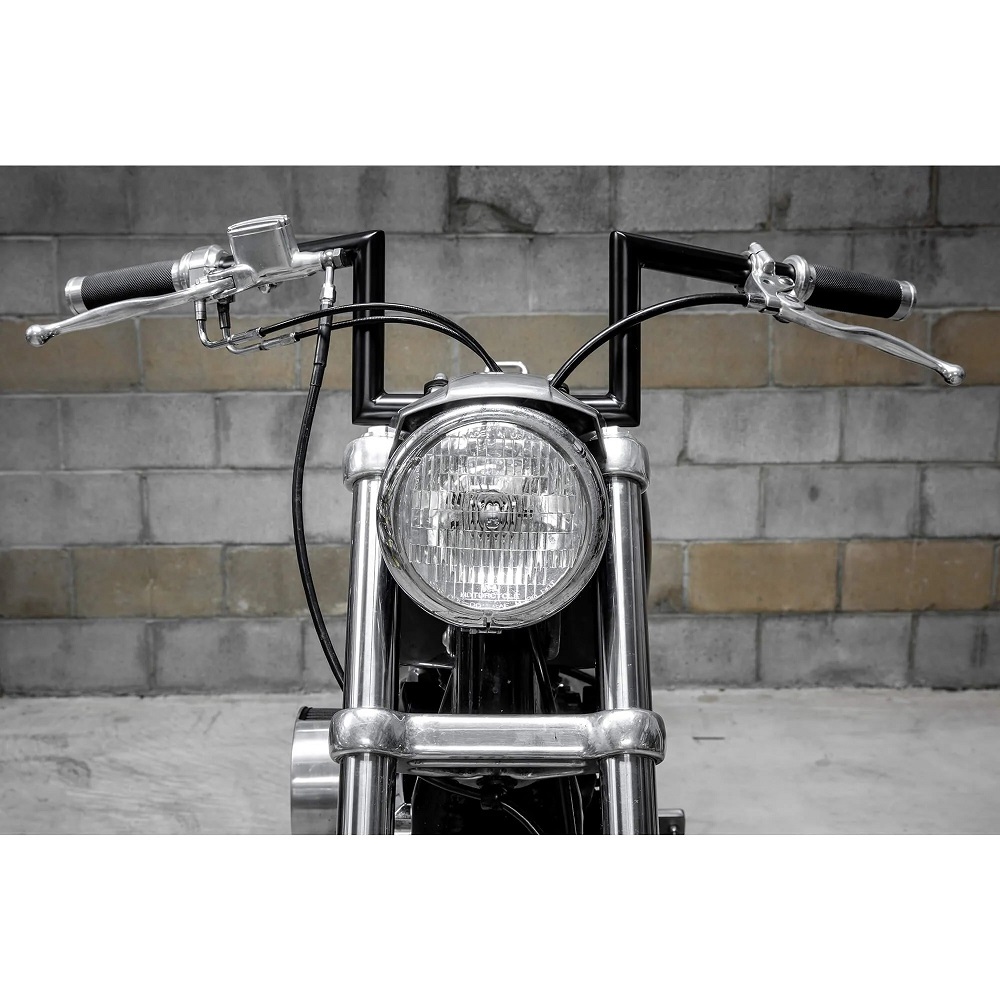
The height of your handlebars directly affects your riding position. Higher handlebars promote a more upright posture, which is common in cruiser bikes. Conversely, lower handlebars tend to push you forward, creating a sportier riding stance. Identify the best height for your riding style. This step is crucial for ensuring comfort and optimal control.
Handlebar Width and Pullback
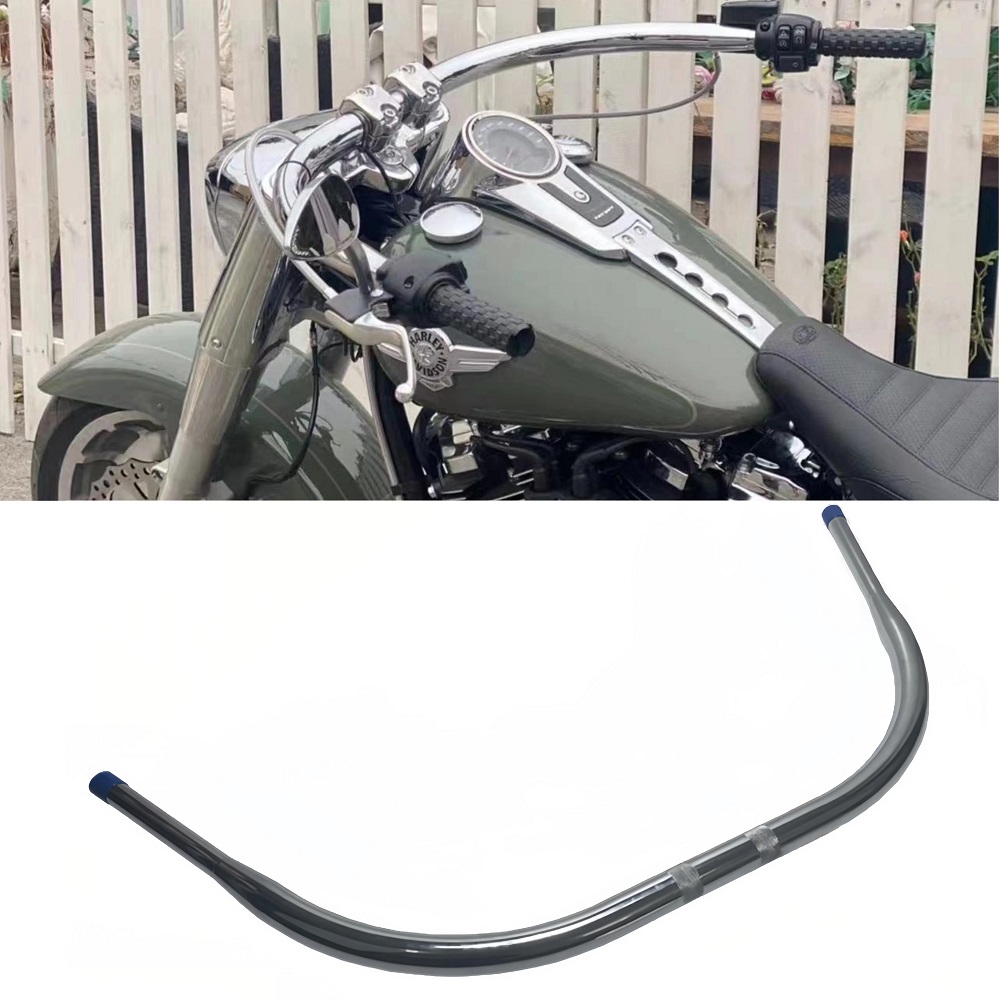
Handlebar width also plays a vital role in comfort. Wider handlebars offer better leverage and control, especially during turns. However, they may not be suitable for everyone, particularly those with a narrow shoulder span. Pullback, or how far the handlebars come back toward you, is equally important. Handlebars with more pullback can reduce arm extension and create a more comfortable grip.
Tools for Adjusting Your Handlebar
Essential Tools You’ll Need
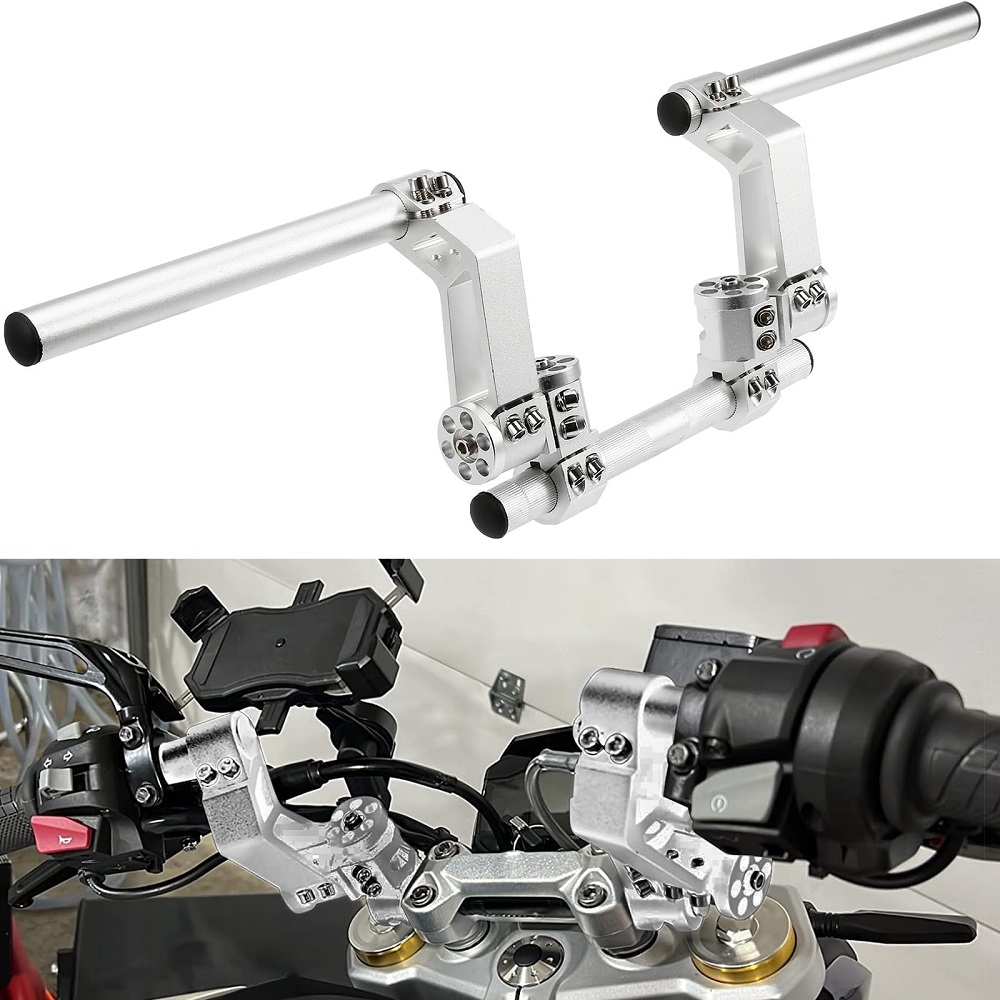
To adjust your motorcycle handlebar, you’ll need a few essential tools. A wrench set is crucial for loosening bolts and making adjustments. A torque wrench ensures that bolts are tightened to the proper specifications. Additionally, a level can help ensure that your handlebars are straight after making adjustments.
Preparing Your Workspace
Before starting any adjustments, prepare a clean, flat workspace. Ensure that your motorcycle is secure on its stands, preventing it from tipping while you work. Clear away any tools or equipment that may clutter the area. A clean workspace reduces the risk of accidents while working on your motorcycle.
Read the Owner’s Manual
Before making any adjustments, refer to your motorcycle’s owner’s manual. The manual often includes specifications for handlebar adjustments and torque settings for bolts. Following the manufacturer’s guidelines ensures that adjustments are within the recommended range. This practice promotes safety and performance.
How to Adjust Handlebar Height
Loosening the Handlebar Clamp
To begin adjusting the handlebar height, you’ll first need to access the handlebar clamp. Start by loosening the bolts on the handlebar clamp using the appropriate wrench. Be cautious when loosening the bolts, as you don’t want to remove them completely. This step will allow you to reposition the handlebars to your desired height.
Raising or Lowering the Handlebars
Once the clamp is loose, carefully lift or lower the handlebars to achieve your desired height. Keep the handlebars level as you make this adjustment. After achieving the desired height, visually inspect to ensure that they are straight and aligned with the motorcycle’s front wheel.
Tightening the Clamp Bolts
After adjusting the handlebars, it’s crucial to tighten the clamp bolts securely. Use a torque wrench to tighten the bolts to the manufacturer’s specifications. Ensure they are evenly tightened to prevent any movement. Inadequate tightening can lead to loose handlebars, which can be dangerous while riding.
Adjusting Handlebar Width and Pullback
Evaluating Handlebar Width
To change your handlebar width, you may need to replace the handlebars entirely if your current set does not fit your preferences. Handlebar widths are typically measured from end to end. Determine the ideal width that suits your body size and riding style.
Selecting New Handlebars
If you decide to swap out the handlebars, choose the new ones carefully. Select a width that feels comfortable and offers good leverage. Wider handlebars provide better stability when cornering, while narrower ones can be more agile.
Adjusting Pullback
Adjusting the pullback of the handlebars can also impact comfort. If your handlebars have the ability to move forward or back within the clampless setup, carefully adjust them to find the optimal angle. The pullback should allow your arms to remain relaxed while maintaining control.
Testing the Adjustments
Sitting on the Motorcycle
After making adjustments, it’s essential to test the new setup. Sit on your motorcycle and grip the handlebars. Ensure your arms are in a relaxed position, and your shoulders are not hunched. Check for overall comfort and control during your test.
Making Fine Adjustments
Don’t hesitate to make additional adjustments if needed. If you feel any discomfort while sitting on the bike or while testing it, adjust the handlebars accordingly. Repeat this process until you find the ideal setup that feels right for your riding style.
Taking a Test Ride
After adjusting the handlebars, take your motorcycle for a short test ride. This ride allows you to feel how the new handlebar position impacts your control and overall comfort. Pay attention to your posture and any changes in maneuverability. Take note of any discomfort, and further adjust as necessary.
Regular Maintenance Checks
The Importance of Maintenance
Regular maintenance ensures that your motorcycle remains in top condition, including your handlebars. It is essential to check the handlebar bolts periodically for tightness. In addition, inspect the overall condition of the handlebars for any signs of wear or damage.
Seasonal Inspections
As the riding season changes, it is wise to conduct an inspection of your motorcycle. This maintenance includes checking the handlebars, ensuring they are secure and functional. Take the time to examine the handlebars and their fittings for any signs of rust or wear.
Adjusting for Different Riding Styles
If you change your riding style—perhaps moving from casual cruising to more aggressive riding—consider re-evaluating your handlebar position. Frequent riders may need adjustments based on different terrains or riding demands. Ensuring that your handlebars align with your current riding style is essential for comfort and safety.
Addressing Common Handlebar Issues
Loose Handlebars
If you notice your handlebars are loose, it’s crucial to address this issue promptly. Loose handlebars can compromise control and increase the risk of accidents. Regularly check the tightness of your handlebar bolts after making adjustments. If they become loose, retighten them using proper torque settings.
Vibration Concerns
Excessive vibration through the handlebars can indicate issues with your motorcycle’s suspension or alignment. If you experience vibrations while riding, consider having your motorcycle inspected by a professional. Addressing vibration issues can enhance your riding experience and ensure comfort on long rides.
Alignment Problems
Improper alignment can affect handling and comfort. If your handlebars appear to be skewed or misaligned, recalibrate them. Ensure they are centered with the front wheel. If the issue persists after adjustments, consult a mechanic to assess potential underlying issues.
The Right Accessories for Handlebar Adjustment
Handlebar Grips
Upgrading your handlebar grips can improve comfort and control during rides. Look for grips made from materials that offer good traction and cushioning. Foam or rubber grips can reduce vibration and improve overall comfort. Choosing grips in a style and color that reflects your personality can enhance your motorcycle’s aesthetics.
Adjusting Bar Ends
Adding bar ends can improve stability and reduce vibrations. Bar ends are small weights attached to the ends of the handlebars. They help dampen vibrations that can be distracting during rides. Consider adding weighted bar ends if vibrations are an issue, or upgrade to higher-quality grips for added comfort.
Phone Mounts and Accessories
Many riders benefit from installing phone mounts or other accessories to their handlebars. These allow for navigation or music control while riding. Ensure these accessories do not obstruct your grip or interfere with handlebar movement. Maintaining focus and control is paramount when adjusting and using handlebars.
Trendy Handlebar Styles
Café Racer Style
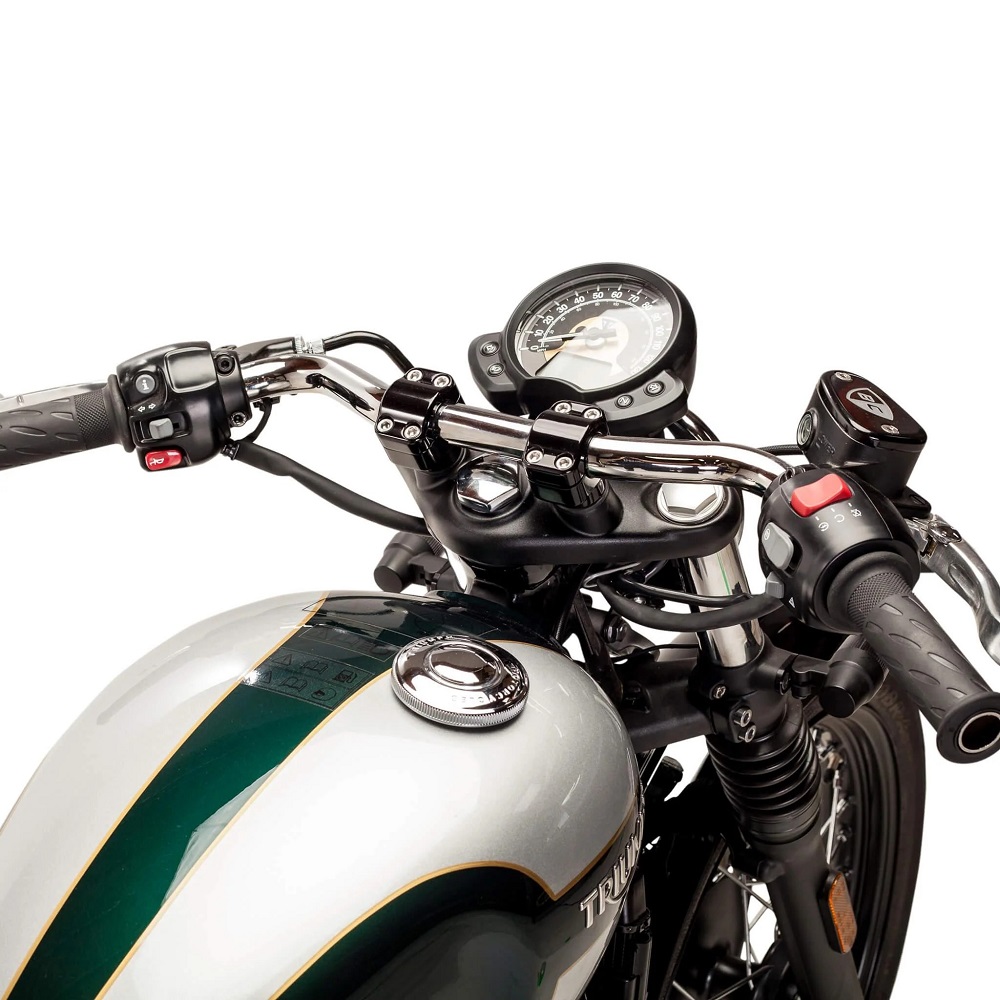
Café racer handlebars have gained popularity in recent years. These handlebars are low and lean, giving a sporty look to motorcycles. Their design promotes a forward-leaning riding position, making them a favorite among enthusiasts. If you enjoy a more competitive riding style, this option can be a stylish way to enhance your motorcycle.
Cruiser Handlebars
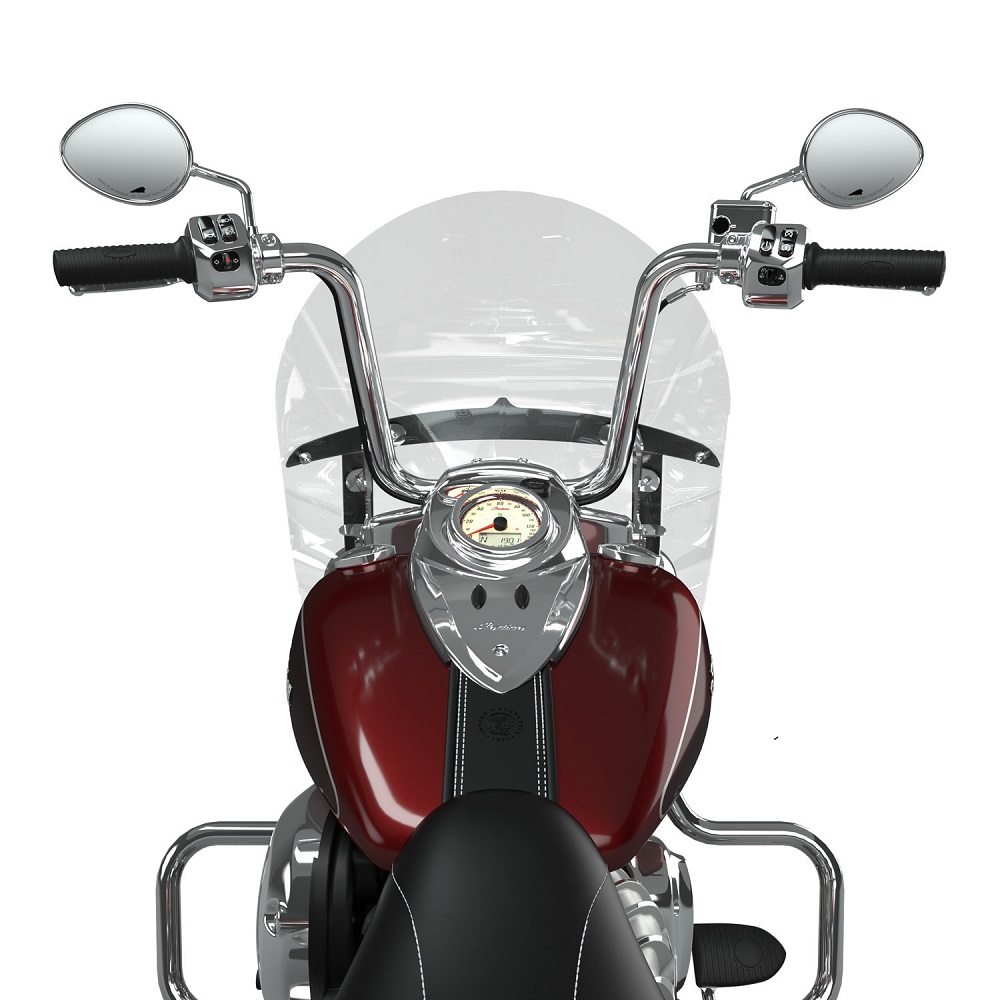
Cruiser handlebars typically offer a more relaxed, upright riding position. They are wider and higher, allowing comfort during long rides. This style suits riders who prefer a laid-back approach to their motorcycle experience. Consider cruiser handlebars for relaxed rides and to enhance your overall riding comfort.
Adventure Touring Handlebars
Adventure touring handlebars are designed for those who enjoy off-road and long-distance riding. They usually have a higher and wider design for improved control and comfort. This style is ideal for riders who spend extended periods on their bikes. Choosing the right adventure touring handlebars allows for better posture and handling on various terrains.
FAQ:
- What tools do I need to adjust motorcycle handlebars?
- To adjust your motorcycle handlebar, you’ll typically need basic tools like wrenches and screwdrivers, and possibly a torque wrench, depending on how the handlebars are mounted.
- How can I adjust the handlebars to improve comfort while riding?
- You can enhance comfort by adjusting the height, width, and angle of the handlebars. Ensure that your hands rest comfortably on the grips, and your shoulders are relaxed rather than tense.
- Is it harder to control a motorcycle with higher handlebars?
- Higher handlebars can change your riding posture, potentially affecting maneuverability. Lower handlebars generally provide better control, but comfort levels will vary based on personal preference.
- What is the best handlebar position for long-distance riding?
- For long-distance rides, a neutral position is recommended, where your wrists remain natural and your elbows are slightly bent to reduce fatigue. You may need to try different heights and angles to find your ideal setup.
- Can I adjust the handlebars myself, or should I visit a mechanic?
- If you’re familiar with motorcycle maintenance, you can attempt to adjust the handlebars yourself. However, if you’re unsure or want to achieve the best results, it’s advisable to consult a professional mechanic to ensure safety and optimal performance.
Conclusion: Finding the Perfect Motorcycle Handlebar Setup
Embrace the Experience
In conclusion, adjusting your motorcycle handlebar for the perfect riding position is essential for comfort and safety. Understanding the features and styles available will guide you in finding the right fit. Embrace the process of customizing your motorcycle to enhance your overall riding experience.
Enjoy the Journey
Choosing the right motorcycle handlebar setup allows you to enjoy every ride fully. Whether exploring new terrains or cruising through familiar areas, a comfortable position enhances your connection with the motorcycle. Enjoy the thrill of riding and the freedom that comes with it.
Engage with the Riding Community
Consider engaging with the motorcycle community to share your experiences and learn from others. Connecting with fellow riders can provide valuable insights and tips for adjusting your motorcycle. Forums and local riding groups often share advice on preferences for handlebar styles and adjustments.
By prioritizing comfort and control in your motorcycle handlebar, including the best motorcycle handlebar types for riding position, you set the stage for countless enjoyable rides. No matter where your adventures take you, the right handlebar setup ensures that you can focus on the journey ahead!
Leave a Reply