Introduction to Motorcycle Oil
The Role of Motorcycle Oil
Motorcycle oil is vital for maintaining a motorcycle’s performance and longevity. It lubricates engine parts, reduces friction, and carries heat away from critical components. The right 15w50 motorcycle oil can enhance performance and extend the life of your motorcycle. As a rider, understanding different oil types and weights is crucial for optimal maintenance.
Understanding Oil Viscosity
Oil viscosity refers to the thickness of the oil and its ability to flow at various temperatures. The “15W50” designation indicates the oil’s viscosity rating. The “15W” indicates how the oil behaves in cold conditions, while “50” refers to the viscosity at high temperatures. This specific rating makes 15W50 oil suitable for both cold starts and high-temperature operation, making it versatile for different riding conditions.
Purpose of This Guide
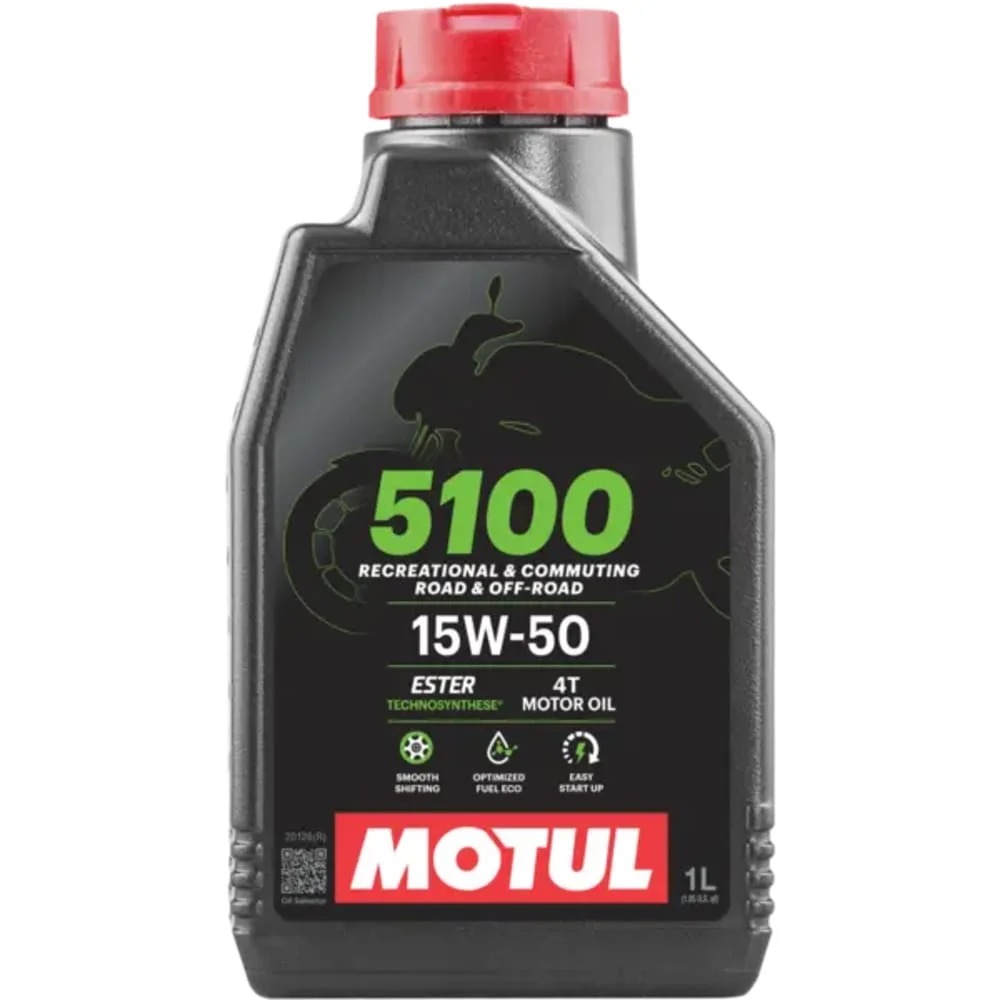
This guide aims to help you select the best brand of 15W50 motorcycle oil for your motorcycle. We will discuss the features, benefits, and specifications to look for in a quality oil. By the end of this article, you will be well-equipped to make an informed choice for your motorcycle’s oil needs.
Key Specifications of 15W50 Oil
Viscosity Ratings Explained
Understanding viscosity ratings is the first step in selecting the right oil. The first number, “15W,” indicates the oil’s performance in cold weather. A lower number means better flow in cold conditions. The “W” stands for winter. The second number, “50,” indicates the oil’s viscosity at higher temperatures. This means 15W50 oil maintains suitable thickness under heat, providing reliable protection.
Additives and Their Importance
Motorcycle oils often contain additives that enhance performance. These can include detergents, anti-wear agents, and friction modifiers. Additives help clean engine parts, prevent wear, and improve engine performance. When selecting a brand, consider the quality and type of additives used, as they can greatly impact the oil’s effectiveness.
API and JASO Standards
Always check for API (American Petroleum Institute) and JASO (Japanese Automotive Standards Organization) certifications on oil packaging. These certifications indicate that the oil meets specific quality and performance standards. For motorcycles, look for JASO MA or MA2 ratings, which are designed for high-performance motorcycles, ensuring they provide adequate lubrication and clutch performance.
Understanding Different Oil Brands
Popular Motorcycle Oil Brands
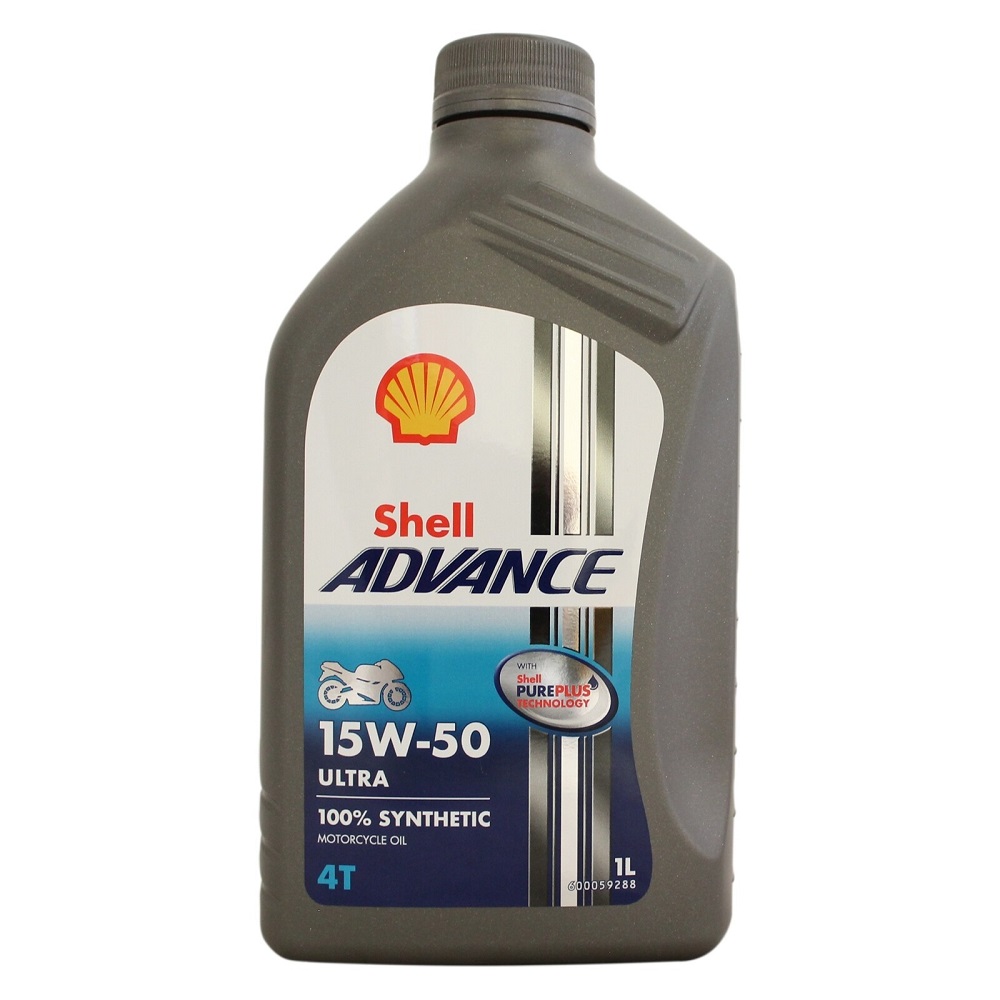
Several brands are well-known for producing high-quality motorcycle oils. Some of the leading brands include Motul, Mobil 1, Castrol, and Liqui Moly. These companies have established reputations for quality and performance, making them reliable choices for your motorcycle oil needs.
Exploring Motul 15W50 Oil
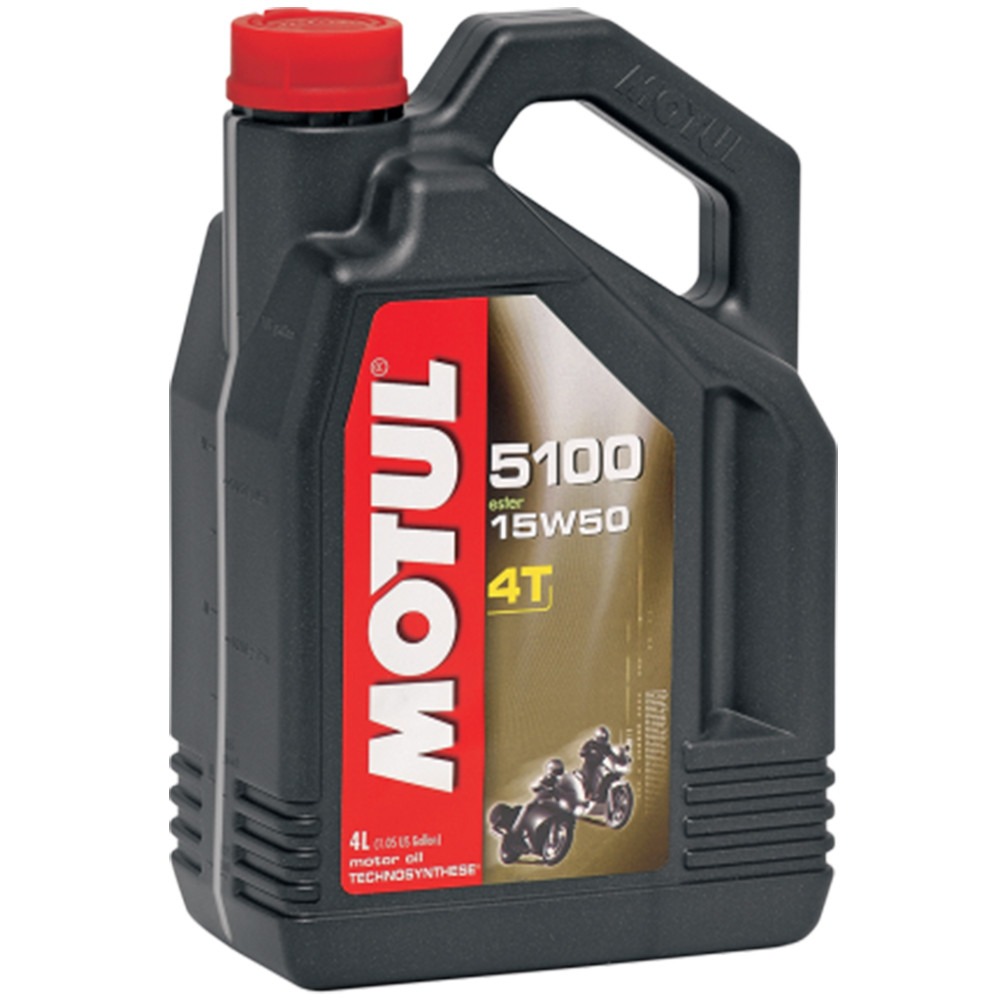
Motul is renowned for its performance-focused oils. Their 15W50 motorcycle oil contains high-quality additives for excellent protection and performance, especially in high-stress conditions. Many riders appreciate Motul for its ability to enhance engine smoothness and responsiveness, making it a preferred choice among racing enthusiasts.
Mobil 1 Motorcycle Oil
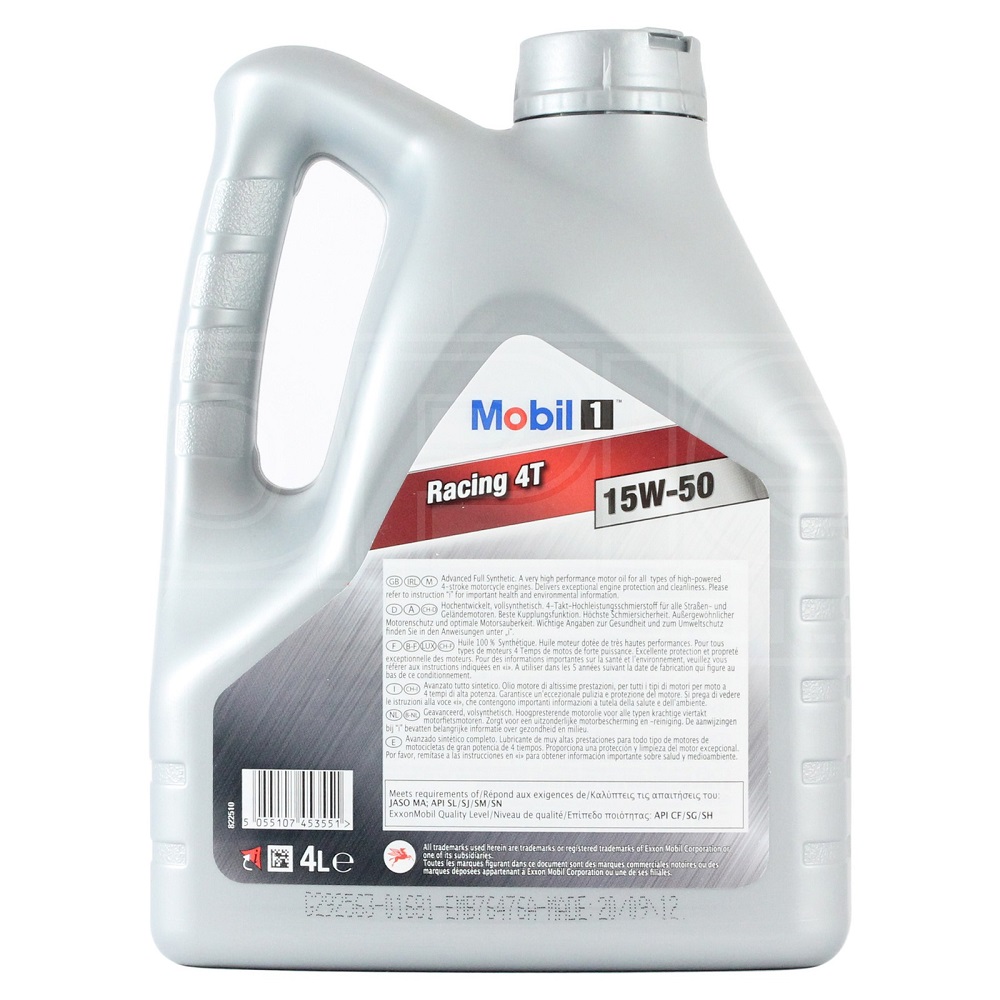
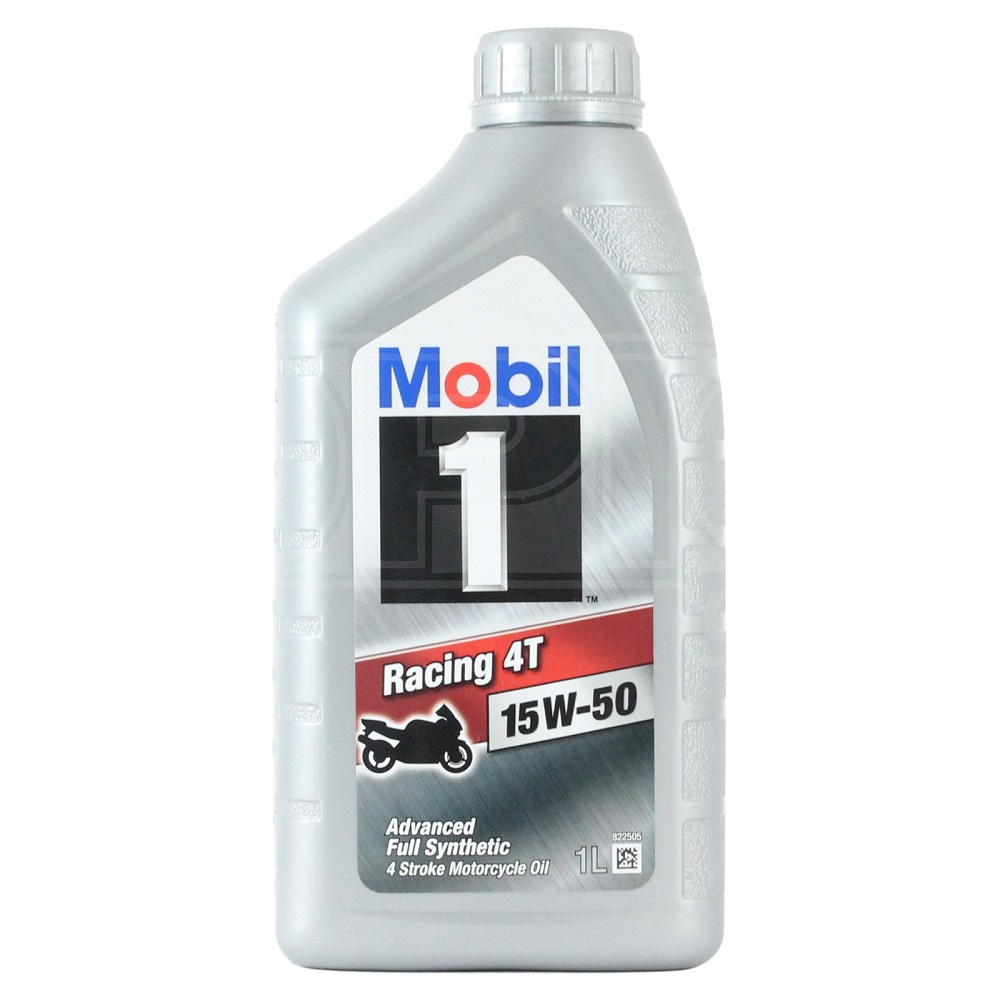
Mobil 1 is another prominent brand that offers a 15W50 motorcycle oil. This oil is formulated with synthetic base stocks, providing excellent high-temperature stability. Riders often choose Mobil 1 for its protective qualities against engine wear and deposits. Its high performance makes it suitable for various riding styles, from daily commutes to long-distance rides.
Compatibility with Your Motorcycle
Checking Owner’s Manual
Before selecting any oil, consult your motorcycle’s owner’s manual. The manual provides vital information about recommended oil types, viscosities, and specifications. Following the manufacturer’s recommendations ensures compatibility and optimal engine performance. Ignoring this guidance can lead to unnecessary issues in the long term.
Considering Engine Types
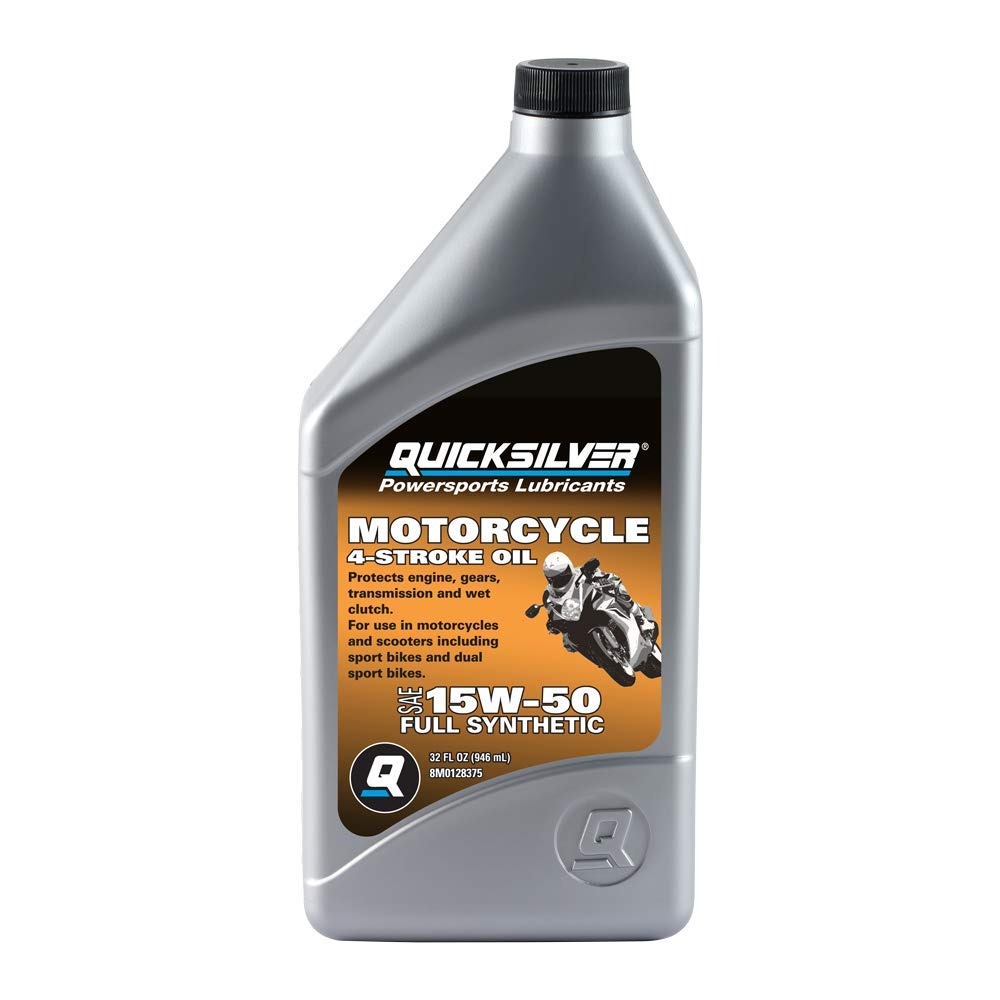
Different motorcycles have different engine types that may require specific oil characteristics. For example, high-performance sport bikes may need oils specifically designed for racing conditions. In contrast, cruiser and touring motorcycles may have different requirements for durability and longevity. Always align your oil choice with your bike’s engine type and performance needs.
Finding the Right Viscosity
While 15W50 oil is versatile, some bikes may operate more effectively with different viscosities under certain conditions. Pay attention to your riding habits and climate. If you commonly ride in extreme temperatures, it may influence your decision on the viscosity. Assess your typical riding environment to determine if 15W50 is the best choice for you.
Price Comparison and Value
Evaluating Cost vs. Quality
When choosing motorcycle oil, it’s essential to find the right balance between cost and quality. Higher-priced oils often contain superior additives and refined base oils. While it may be tempting to choose the cheapest option, investing in quality oil can save money in the long term. Quality oil can reduce engine wear and extend the life of your motorcycle.
Comparing Different Brands
Once you identify suitable brands for 15W50 oil, compare their prices and features. Look for special promotions or bulk purchase discounts that may be available. Some brands offer loyalty programs, while others provide discounts for subscription services. Evaluating these opportunities can help you save money while still choosing a quality product.
Seeking Reviews and Recommendations
Rider reviews and recommendations can provide valuable insights into the effectiveness of different oils. Online forums, motorcycle blogs, and reviews can highlight personal experiences with specific brands. Engaging with fellow bikers can help you gather more information and make informed choices based on collective experiences.
Understanding Oil Change Frequency
General Recommendations
Understanding when to change your motorcycle oil is as important as choosing the right oil. Most manufacturers recommend changing the oil every 3,000 to 6,000 miles, depending on your riding habits and conditions. Frequent long rides may necessitate more regular oil changes to maintain engine health.
Monitoring Performance
In addition to mileage, keep an eye on your motorcycle’s performance. If you notice changes in how your bike feels during rides, it may be time for an oil change. Engine noise or sluggish acceleration can indicate that the oil has degraded and is no longer doing its job effectively.
Seasonal Considerations
Your riding patterns may change with the seasons, impacting how often you need to change your oil. For example, if you put your bike away for the winter months, consider changing the oil before storage. Fresh oil provides better protection against corrosion and contaminants while sitting idle. Always assess seasonal riding to determine maintenance needs.
The Environmental Impact of Motorcycle Oil
Eco-Friendly Options
With rising awareness about environmental issues, some manufacturers offer eco-friendly motorcycle oils. These products often use biodegradable materials and sustainable manufacturing processes. Choosing eco-friendly oil can minimize your environmental impact while still providing the necessary lubrication for your motorcycle.
Recycling Oil
Used motorcycle oil is a significant environmental concern. After changing your oil, ensure that you recycle it properly. Many garages and service providers offer oil recycling services. By disposing of waste oil responsibly, you contribute to preserving the planet and keeping ecosystems safe from pollution.
Supporting Sustainable Brands
Consider supporting brands that prioritize sustainability. Some companies invest in eco-friendly practices, such as recycling programs or using renewable energy sources. Supporting these brands helps foster a shift in the industry towards more environmentally friendly practices, contributing to a healthier planet for future generations.
The Psychological Benefits of Maintenance
Building Confidence
Regularly maintaining your motorcycle, including oil changes, builds confidence as a rider. Knowing that your bike is in top condition provides peace of mind while on the road. This confidence can lead to a more enjoyable riding experience as you know you are taking the necessary steps to protect your investment.
A Sense of Accomplishment
Completing maintenance tasks, such as changing the oil, can foster a sense of accomplishment. Learning to perform these tasks yourself enhances your skills as a rider and increases your understanding of your motorcycle. Embracing maintenance fosters a deeper connection to your bike and enhances your riding experience.
Creating Community Connections
Engaging in maintenance discussions with fellow riders can lead to connections within the motorcycle community. Sharing experiences, tips, and techniques makes the riding experience more enjoyable. These interactions can strengthen bonds and create friendships based on shared interests and passion for motorcycles.
FAQ:
- What types of motorcycles typically use 15W50 oil?
- 15W50 motorcycle oil is often used in high-performance motorcycles, especially those with larger engines and air-cooled systems. It is popular among cruisers and touring bikes, as well as some sport bikes that require heavier viscosity oils for optimal protection.
- How do I choose the best brand of 15W50 motorcycle oil?
- To choose the best brand, consider factors such as the oil’s quality and formulation (synthetic, semi-synthetic, or mineral), certifications (like JASO MA/MA2 for wet clutches), and brand reputation. Reading reviews and recommendations from other riders can help guide your choice.
- Is synthetic or mineral oil better for my motorcycle?
- Synthetic oils generally provide better performance, higher thermal stability, and superior protection against wear compared to mineral oils. They also maintain viscosity better in extreme conditions. However, some motorcycle engines are designed to run on mineral oils, so consult your owner’s manual for recommendations.
- How often should I change my motorcycle oil when using 15W50?
- The oil change interval can vary based on the motorcycle and your riding conditions. A general rule is to change the oil every 3,000 to 5,000 miles or every 6 months, whichever comes first. Always refer to your motorcycle’s owner manual for specific recommendations.
- Can I mix different brands of 15W50 motorcycle oil?
- While it is generally safe to mix different brands of the same viscosity (like 15W50), it’s best to avoid it if possible. Mixing oils can lead to unknown chemical reactions and may affect performance. Stick to the same type and brand for optimal results whenever possible.
Conclusion: Invest in Quality 15W50 Motorcycle Oil
The Importance of Proper Maintenance
In conclusion, choosing the right 15W50 motorcycle oil is essential for maintaining your bike’s performance and safety. Quality oil contributes to the engine’s health and ensures smooth rides. By understanding the features of different brands, you can make an informed decision based on your needs and preferences.
Embrace the Responsibility of Ownership
As a motorcycle owner, embracing the responsibility of maintaining your bike is crucial. Regular oil changes and proper maintenance practices ensure longevity and reliability. By taking care of your motorcycle, you enhance your riding experience and enjoy it to the fullest.
Ride with Confidence
Ultimately, investing in quality oil and routine maintenance allows you to ride with confidence. Knowing your motorcycle is in top condition gives you peace of mind while enjoying the open road. Embrace the joy of riding, and ensure that your motorcycle remains safe and dependable for every adventure ahead.
By following these insights and making informed choices, including the benefits of using 15W50 motorcycle oil, you are well-equipped to select the best 15W50 motorcycle oil for your bike, enhancing both performance and durability. Enjoy the ride!
Leave a Reply