Introduction to Long Distance Motorcycling
The Appeal of Long Distance Touring
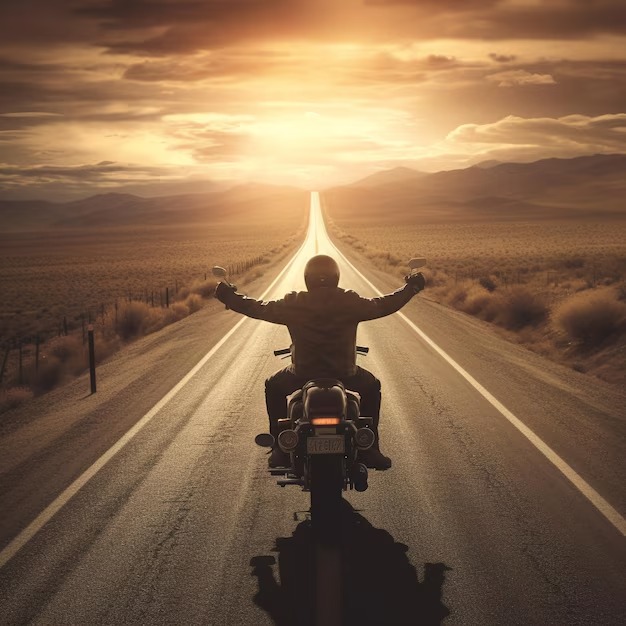
Long distance motorcycling offers a unique thrill that many riders find irresistible. The open road stretches ahead, inviting adventure and exploration. Whether you’re traveling across states, national parks, or along scenic routes, the experience is both liberating and fulfilling. Long distance motorcycle touring allows riders to connect with nature, meet fellow motorcyclists, and enjoy the freedom that comes with the journey.
The Importance of Preparation
Success in long distance touring stems from thorough preparation. The right planning can make a significant difference in ensuring comfort and safety. Riders should consider various factors before hitting the road. These include route planning, gear selection, and bike readiness. Being well-prepared allows for a more enjoyable journey and minimizes potential issues along the way.
Understanding Your Motorcycle
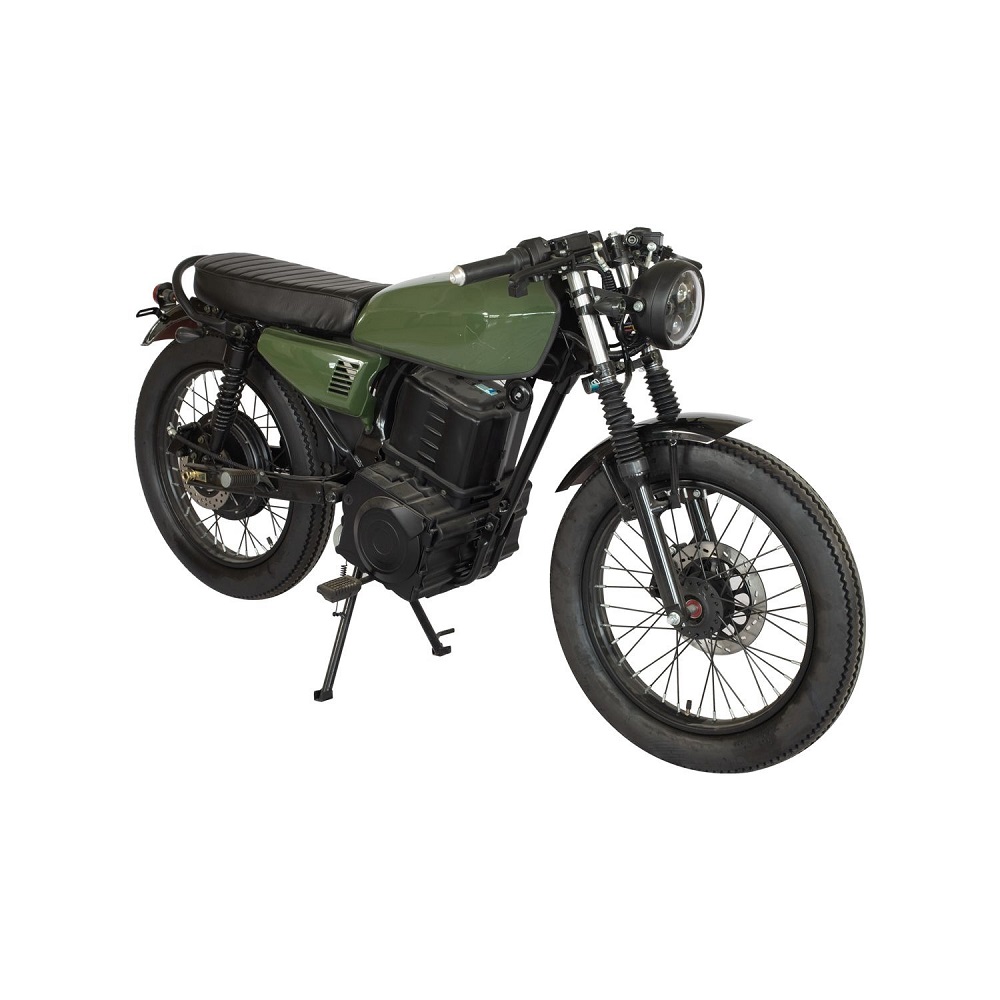
Before embarking on any long trip, it’s essential to understand your motorcycle. Familiarize yourself with its features, controls, and maintenance needs. Knowing your bike well can prevent complications during long-distance riding. Just as you prepare your body and mind for the journey, ensuring your motorcycle is ready is equally important.
Essential Tips for Long Distance Motorcycling
Plan Your Route
Using Maps and GPS
Planning your route is a critical first step in long distance riding. Use maps or GPS applications to determine your path. Consider factors such as road conditions, scenic routes, and gas stations. It’s also helpful to check for any construction or detours along the way.
Balancing Scenic Routes and Speed
While you may be tempted to take the fastest route, scenic routes can offer beautiful views and unique experiences. Balancing time and scenery can enhance your trip. Take advantage of stops along the way to rest, eat, and explore new places. This creates lasting memories and enriches your journey.
Prepare Your Motorcycle
Routine Maintenance Checks
Before departure, ensure that your motorcycle is in excellent condition. Conduct routine maintenance checks, including oil changes, tire pressure, and brake functionality. Regular maintenance helps prevent breakdowns and ensures smooth performance on long rides.
Packing Essential Tools
Packing essential tools and supplies for repairs on the road is wise. A basic toolkit, tire pump, and emergency repair kit can help address minor issues. Being proactive ensures that you are prepared for unexpected challenges while touring.
Dress for the Journey
Choosing Comfortable Gear
Dressing appropriately plays a vital role in your comfort during long rides. Choose high-quality, moisture-wicking fabrics that allow your skin to breathe. This reduces discomfort caused by sweat and helps manage body temperature during the journey.
Layering for Weather Variability
Weather conditions can change rapidly on the road. Layering your clothing allows for adaptability. Start with a moisture-wicking base layer, add an insulating layer for warmth, and finish with a waterproof outer layer. This approach protects against rain and wind while offering warmth when needed.
Stay Hydrated and Nourished
Importance of Hydration
Staying hydrated is essential during long rides, especially on hot days. Dehydration can lead to fatigue and decreased concentration. Carry a water bottle and take regular breaks to drink and replenish fluids.
Eating Smart on the Road
Plan your meals ahead of time. While enjoying local cuisine is part of the experience, choose nutritious options that provide lasting energy. Quick snacks like fruits, nuts, and granola bars can help maintain energy without weighing you down.
Rest Breaks
Scheduling Regular Breaks
Long distance riding can be physically and mentally taxing. Plan to take regular breaks every couple of hours to stretch and rest. This practice allows your body to recover and helps maintain focus.
Exploring Along the Way
Use breaks as opportunities to explore new areas. Whether stopping at a scenic overlook or a local café, breaks can enhance your riding experience. Take time to appreciate the surroundings and meet fellow travelers.
Riding in Groups vs. Solo
Understanding the Benefits of Group Riding
Riding with a group has many advantages. It can enhance safety, as riders look out for each other. Additionally, traveling in a group allows for shared experiences and memories, making the journey even more enjoyable.
The Freedom of Solo Riding
While group rides are popular, solo riding offers a unique sense of freedom. You can travel at your own pace, follow unplanned detours, and make spontaneous stops. Solo riding allows you to connect more deeply with your surroundings and enjoy a different level of freedom.
Staying Alert
Traffic can be unpredictable, especially on long rides through urban environments. Stay alert and aware of your surroundings. Avoid distractions such as mobile devices, and maintain a safe distance from other vehicles.
Using Defensive Riding Techniques
Defensive riding techniques can help you anticipate potential hazards. Watch for vehicles changing lanes and be cautious around drivers who may not see you. Always be prepared to react to unexpected situations, ensuring a more secure riding experience.
Emergency Preparedness
Planning for Breakdowns
Even with the best preparation, issues can arise on long trips. Have a plan in place for handling mechanical issues. Knowing how to contact roadside assistance or where to find local repair shops can be invaluable.
Carrying Emergency Contacts
Before hitting the road, share your travel plans with a friend or family member. Include details of your route and estimated arrival times. Keeping emergency contacts handy ensures that someone knows your whereabouts in case of an unexpected situation.
Create a Comfortable Riding Position
Adjusting Your Motorcycle
Ensure that your motorcycle is adjusted to accommodate your body. This includes adjusting the seat height and handlebars to fit your comfort level. A proper riding position reduces fatigue during long journeys and enhances control over your bike.
Ergonomics Matter
Investing in ergonomic gear, such as padded gloves and comfortable riding boots, can significantly improve your experience. Well-designed gear reduces pressure points and enhances overall comfort on long rides.
Choosing the Right Gear
Essential Motorcycle Gear
The Importance of Proper Attire
Wearing the right gear is crucial for safety and comfort. A well-fitted helmet protects your head, while riding jackets and pants can shield against abrasions. Breathable materials and appropriate padding should be prioritized when selecting gear for long rides.
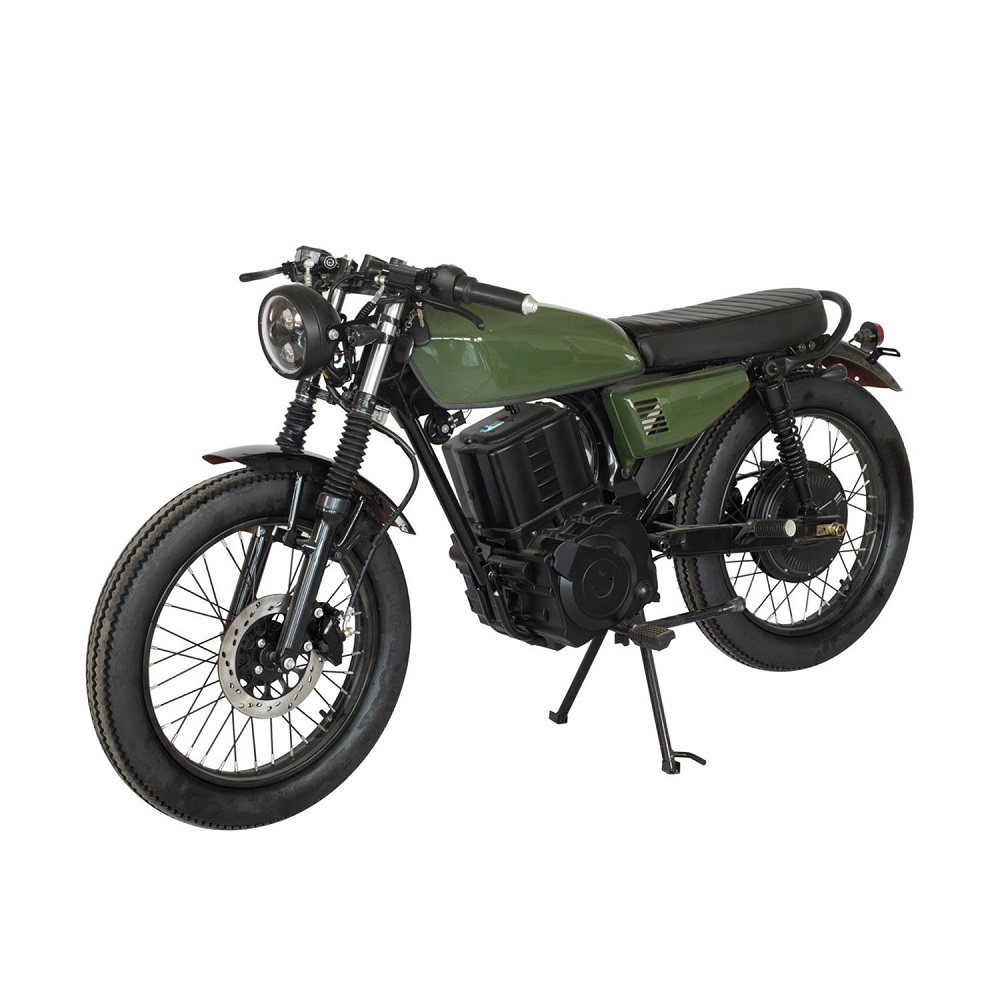
Example Gear Options
Look for jackets with ventilation, reinforced stitching, and armor for better protection. Consider moisture-wicking base layers to enhance comfort underneath your gear. A good pair of riding boots can provide support and protection for your feet.
Safety Considerations
Wearing Protective Gear
In addition to the usual motorcycle gear, consider additional protective items, such as gloves and neck braces. These items help provide a full range of protection during rides.
Reflective Accessories
Using reflective pieces can increase visibility, especially during nighttime rides. Adding reflective tape to your gear or utilizing bright colors will improve your visibility to other drivers.
Choosing the Right Motorcycle
Assessing Your Needs
Considering Your Riding Style
The right motorcycle is fundamental to a successful long-distance journey. Assess your riding style—whether you prefer cruising, touring, or sport riding—before making a decision. Each style requires different types of motorcycles that cater to specific needs.
Evaluating Engine Size
Engine size can influence performance, particularly on long rides. Smaller engines are typically better for city cruising, while larger engines offer more power for highway riding. Determine what feels appropriate for your experience and confidence level.
Test Riding Options
Making an Informed Decision
Before purchasing, always take the motorcycle for a test ride. This ride will give you a feel for the bike’s handling, comfort, and performance. Evaluate how well the motorcycle meets your riding needs and comfort level during the ride.
Assessing Comfort and Performance
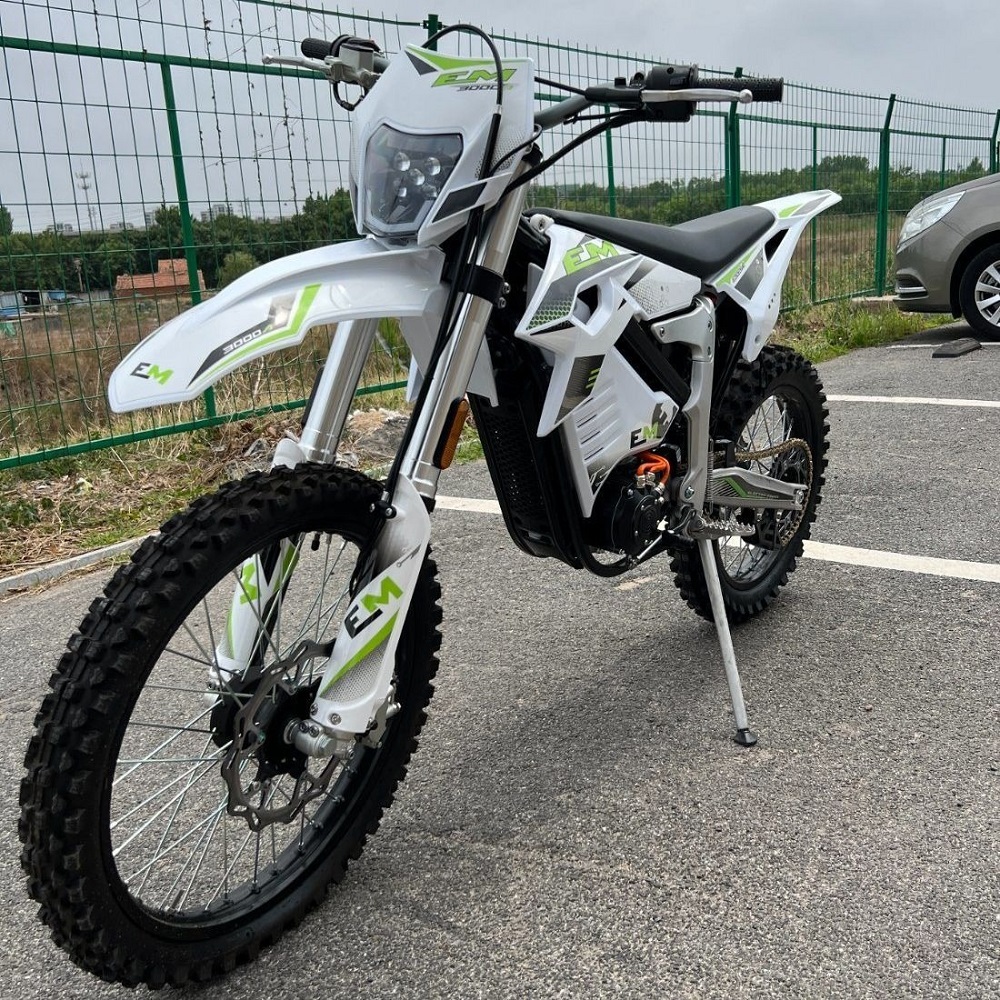
Take the time to test various models and brands. Understand how well each bike accommodates your body shape and size. Comfort and control are crucial for long distance motorcycle riding and should not be overlooked.
Community and Resources
Engaging with Fellow Riders
Joining Riding Groups
Finding a community of fellow riders can enhance your experience significantly. Consider joining local motorcycle clubs or participating in organized rides. Connecting with other riders provides valuable insights and encouragement.
Sharing Experiences and Advice
Discussing experiences with fellow riders can offer helpful tips for long-distance touring. Many riders are eager to share advice about routes, gear, and maintenance. Engaging with the community enriches your riding experience.
Utilizing Online Resources
Exploring Online Forums and Groups
Many online forums cater to motorcyclists. Joining these communities can provide insight into different riding techniques and gear recommendations. They can also serve as platforms for discussing experiences and sharing knowledge with other riders.
Accessing Tutorials and Tips
Numerous websites and videos offer tutorials on motorcycle maintenance and riding techniques. These resources can help you become a more competent and confident rider. Taking advantage of these tools contributes to an enjoyable riding experience.
FAQ:
- What should I pack for a long-distance motorcycle trip?
- Essential items to pack include a well-fitted helmet, comfortable riding gear, rain gear, basic tools for bike maintenance, a first aid kit, and navigation tools (maps, GPS). Also consider packing extra layers for changing weather, snacks, and sufficient water.
- How can I ensure comfort during long rides on a motorcycle?
- To ensure comfort, invest in ergonomic riding gear, including a well-padded seat and proper footwear. Take regular breaks to stretch and rest, and adjust your riding position to reduce fatigue. Using handlebar risers and footpeg lowering kits can also improve comfort for longer tours.
- What are some tips for staying safe while touring on a motorcycle?
- Stay safe by wearing appropriate safety gear, including a DOT-approved helmet, gloves, and armored jacket and pants. Always be aware of road and weather conditions, communicate your plans with someone, and maintain your motorcycle regularly to ensure it operates safely.
- How should I prepare my motorcycle for a long-distance trip?
- Prepare your motorcycle by performing a pre-ride inspection that includes checking tire pressure, oil levels, brake fluid, and lights. Ensure that the chain or belt is properly adjusted, and clean the air filter. Consider getting a professional tune-up or service before heading out.
- What are the best practices for navigating long distances on a motorcycle?
- Plan your route in advance, and utilize apps or devices for navigation. Schedule fuel stops and rest breaks to avoid fatigue. Be mindful of your riding pace to maximize comfort and safety, and remain flexible to adjust your plans based on road conditions or weather changes during your journey.
Conclusion
In conclusion, long distance motorcycle is a thrilling and rewarding experience. Choosing the right motorcycle, gear, and preparation methods can significantly impact your journey. Embrace the sense of adventure while being mindful of safety and comfort.
Successful long-distance riding involves careful planning, understanding your needs, and selecting gear and apparel that enhances your experience. Ultimately, focus on what makes you feel confident and comfortable while riding. By considering these aspects, you can embark on memorable adventures that make the most of your time on the open road.
Enjoy every moment as you explore the great outdoors on your motorcycle. With the right preparation, including safety tips for long distance motorcycle touring, the thrill of long-distance touring awaits; cherish every mile traveled and every experience gained along the journey.
Leave a Reply