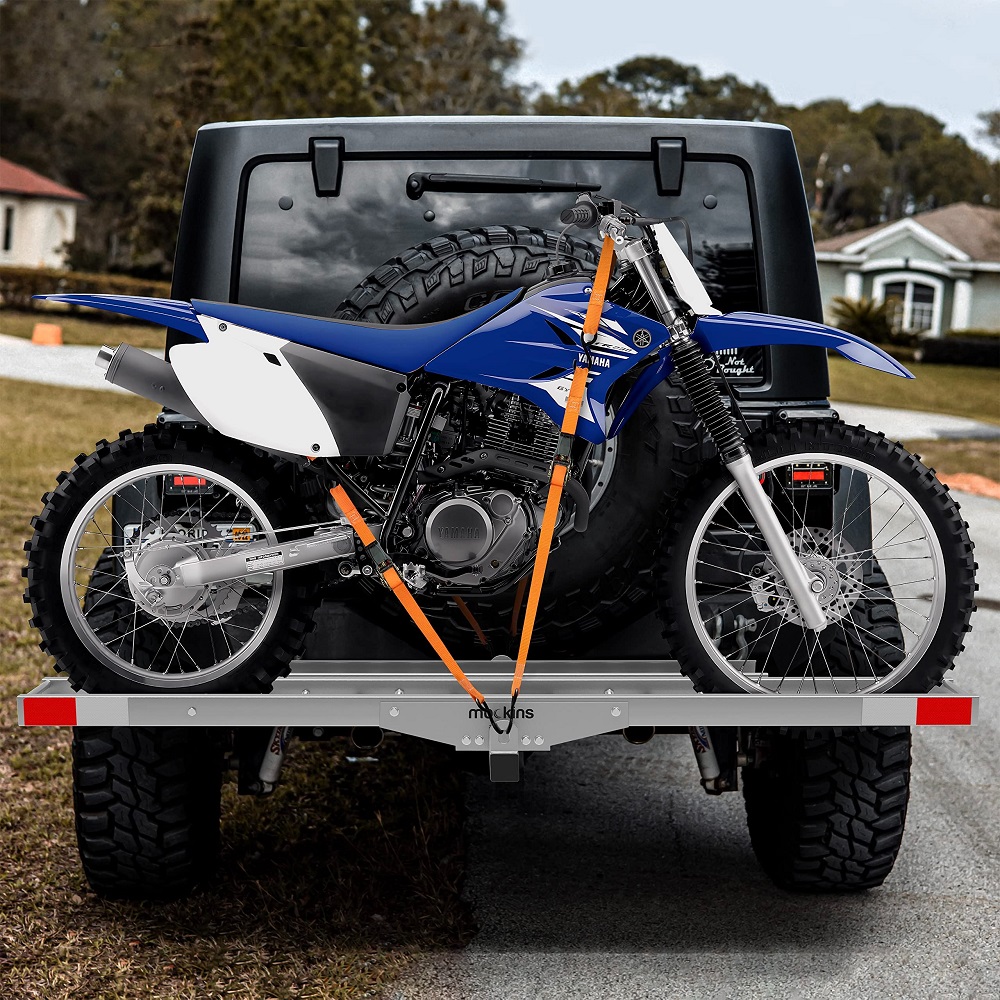
For motorcycle enthusiasts, traveling with their bikes can enhance vacations and adventures. An RV motorcycle carrier is an effective solution for safely transporting your motorcycle. These carriers allow riders to take their bikes along on trips, expanding opportunities for exploration. However, choosing the right carrier and ensuring safe transportation is vital. In this article, we will discuss the various types of RV motorcycle carriers, their benefits, and best practices for safe transport.
Understanding RV Motorcycle Carriers
What is an RV Motorcycle Carrier?
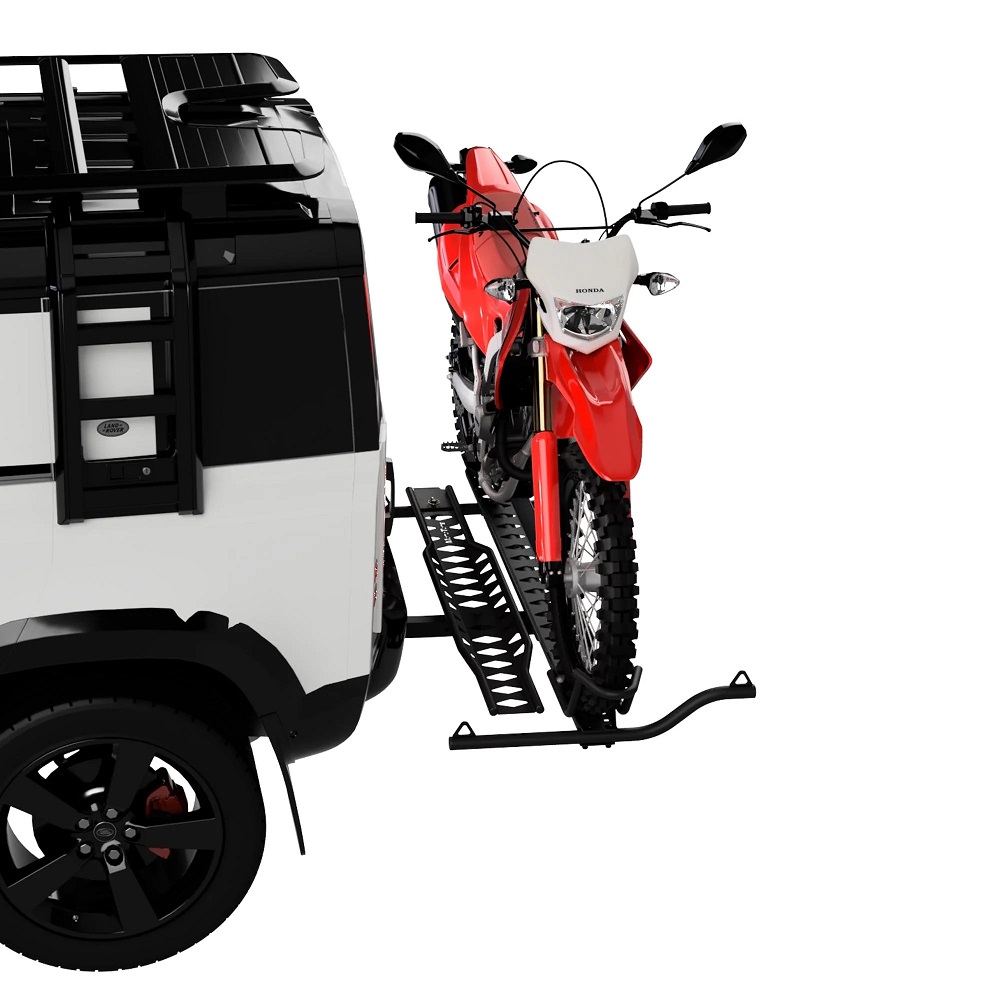
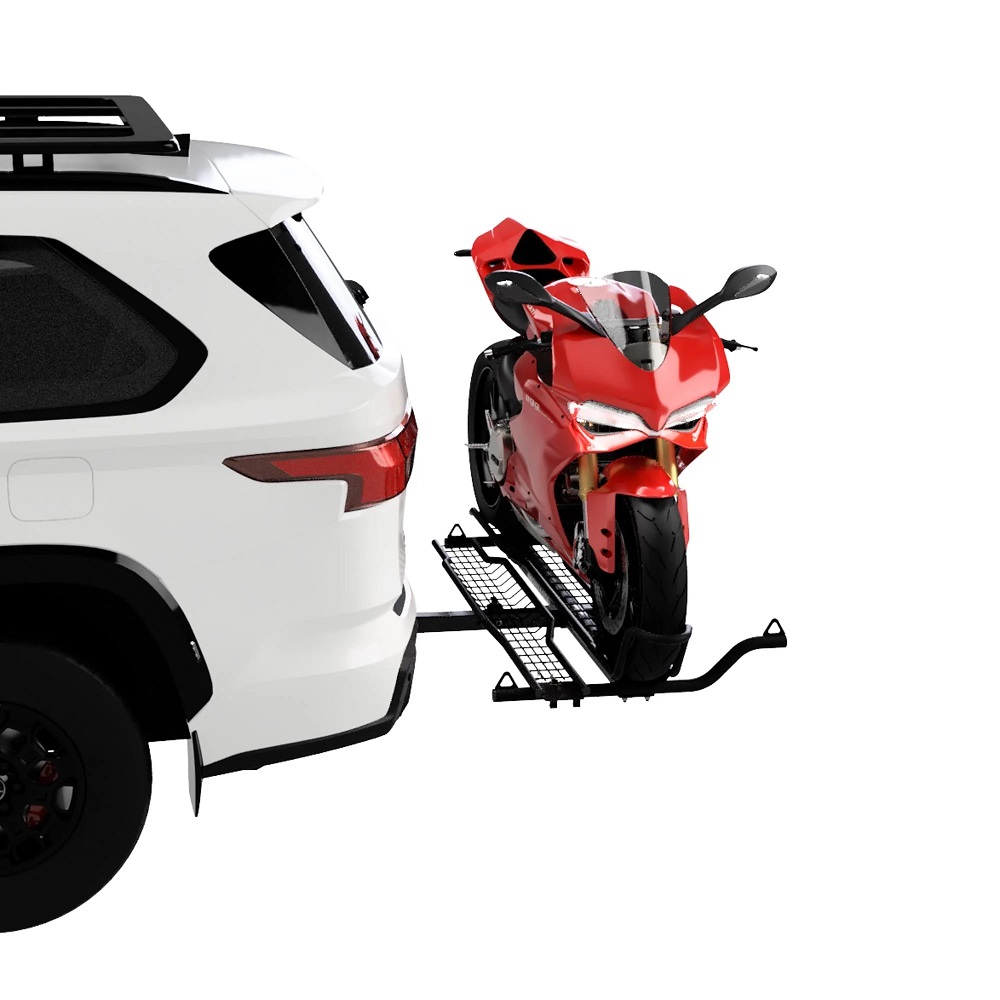
An RV motorcycle carrier is a device designed to transport motorcycles on the back of a recreational vehicle (RV). These carriers typically mount into the receiver hitch of an RV, providing a stable platform for your bike. They come in different designs and sizes to accommodate various motorcycle models. Understanding the purpose of these carriers is the first step toward selecting the right one for your needs.
Types of Motorcycle Carriers
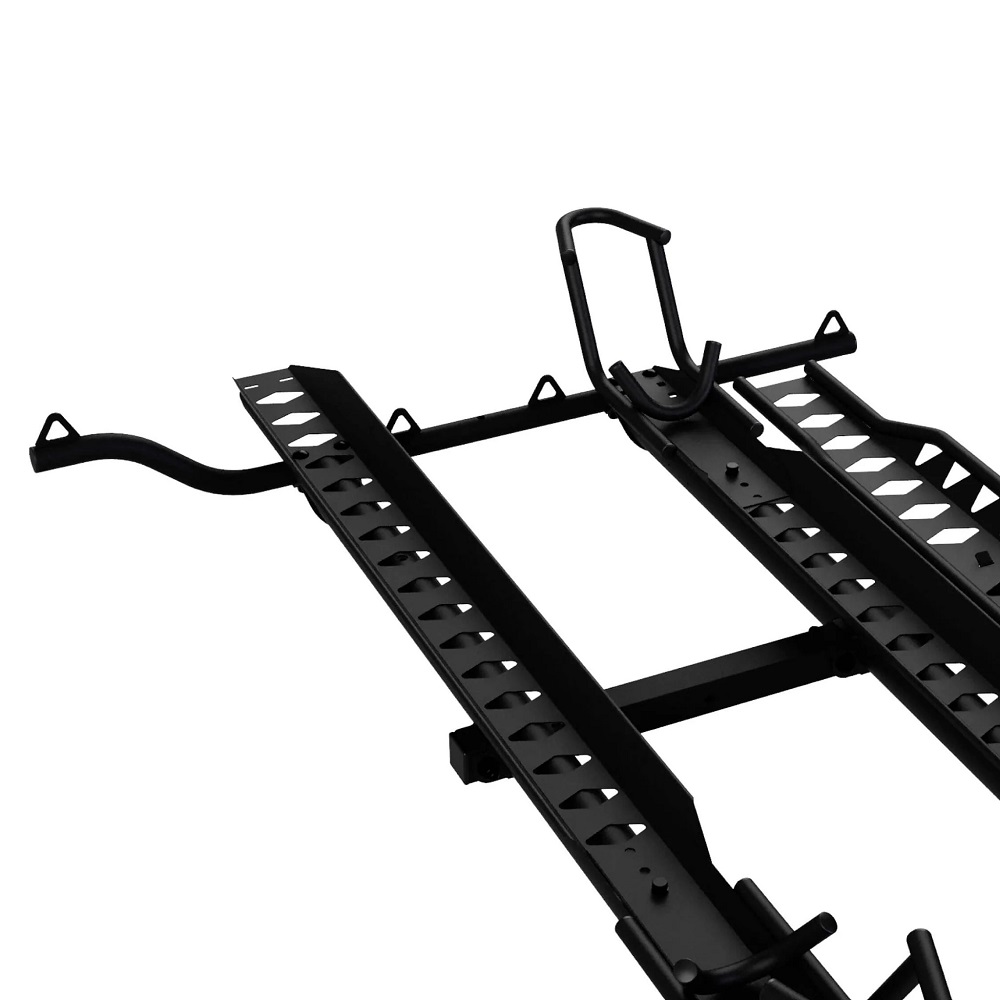
There are two main types of motorcycle carriers available: hitch-mounted carriers and platform carriers. Hitch-mounted carriers attach directly to the RV’s hitch and hold the motorcycle upright. Platform carriers are more versatile, providing ramps for easy loading and unloading. Depending on your RV type and the weight of your motorcycle, one type may be better suited than the other.
Why Use an RV Motorcycle Carrier?
Using a motorcycle carrier offers several benefits for avid riders. First, it allows for safe transportation of your bike without the need for a separate trailer. Second, it saves storage space within your RV, as motorcycles can occupy significant room. Additionally, carrying your motorcycle enables spontaneous excursions, allowing you to explore new places on two wheels once you arrive at your destination.
Choosing the Right Motorcycle Carrier
Weight Capacity Considerations
When selecting a motorcycle carrier, weight capacity is one of the most critical factors to consider. Different carriers have varying weight ratings, so it’s essential to choose one that can safely accommodate your motorcycle. Check the manufacturer’s guidelines to ensure your chosen carrier can handle the weight of your bike. Doing so prevents potential safety issues during transport.
Compatibility with Your RV
Before purchasing a motorcycle carrier, consider your RV’s specifications. Verify the type of hitch installed and the towing capacity. Most carriers require a Class III hitch or higher, which can safely tow heavier loads. Additionally, make sure that the dimensions of the carrier fit the available space on your RV. This compatibility is vital for ensuring a secure and stable transport.
Material and Durability
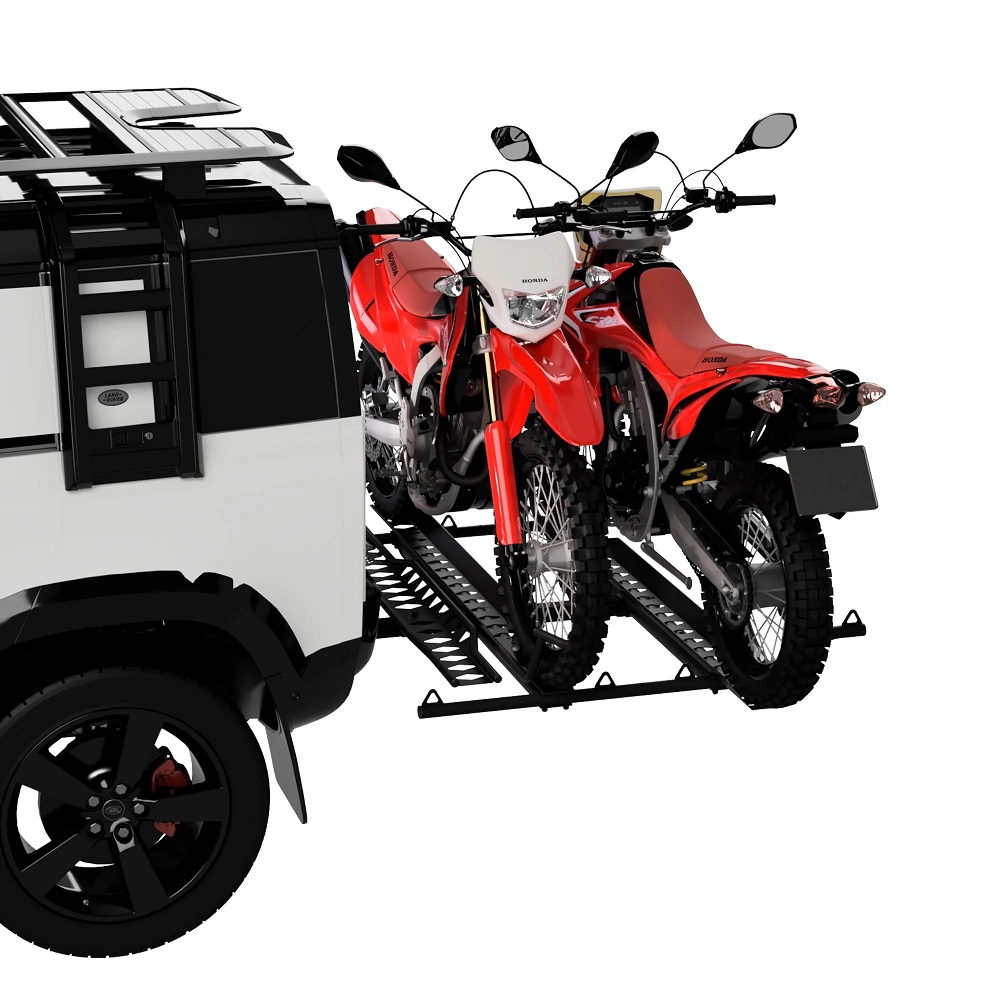
The material used in the construction of your motorcycle carrier plays a significant role in longevity. Look for carriers made from high-quality steel or aluminum, as these materials provide strength and durability. Steel carriers tend to be heavier but offer increased stability, while aluminum carriers are lighter and more resistant to rust. Choosing a sturdy carrier ensures that your motorcycle will be transported safely.
Installing Your Motorcycle Carrier
Preparing the RV
Before installing your motorcycle carrier, ensure your RV is parked on level ground. Engage the parking brake to prevent any movement during the installation process. This level ground allows for easier handling of the carrier and motorcycle. Take a moment to double-check the receiver hitch and ensure it’s clean and free of debris. These preparations set the stage for a seamless installation.
Step-by-Step Installation
- Begin by inserting the carrier’s hitch pin into the receiver hitch of your RV. Make sure that the pin is secured properly.
- Follow the manufacturer’s instructions for any additional steps specific to your carrier.
- If your carrier has a ramp, open and secure it according to the instructions. Ensure it is stable and properly attached.
- Once the carrier is mounted, re-check all connections to confirm everything is securely in place.
Balancing the Load
After installation, it is important to properly load your motorcycle onto the carrier. Make sure to load the bike evenly, distributing weight appropriately. This balancing act prevents strain on the carrier and maintains vehicle stability during travel. Consult the user manual to see if there are any specifics for loading that should be followed for your carrier.
Securing Your Motorcycle
Using Straps or Tie-Downs
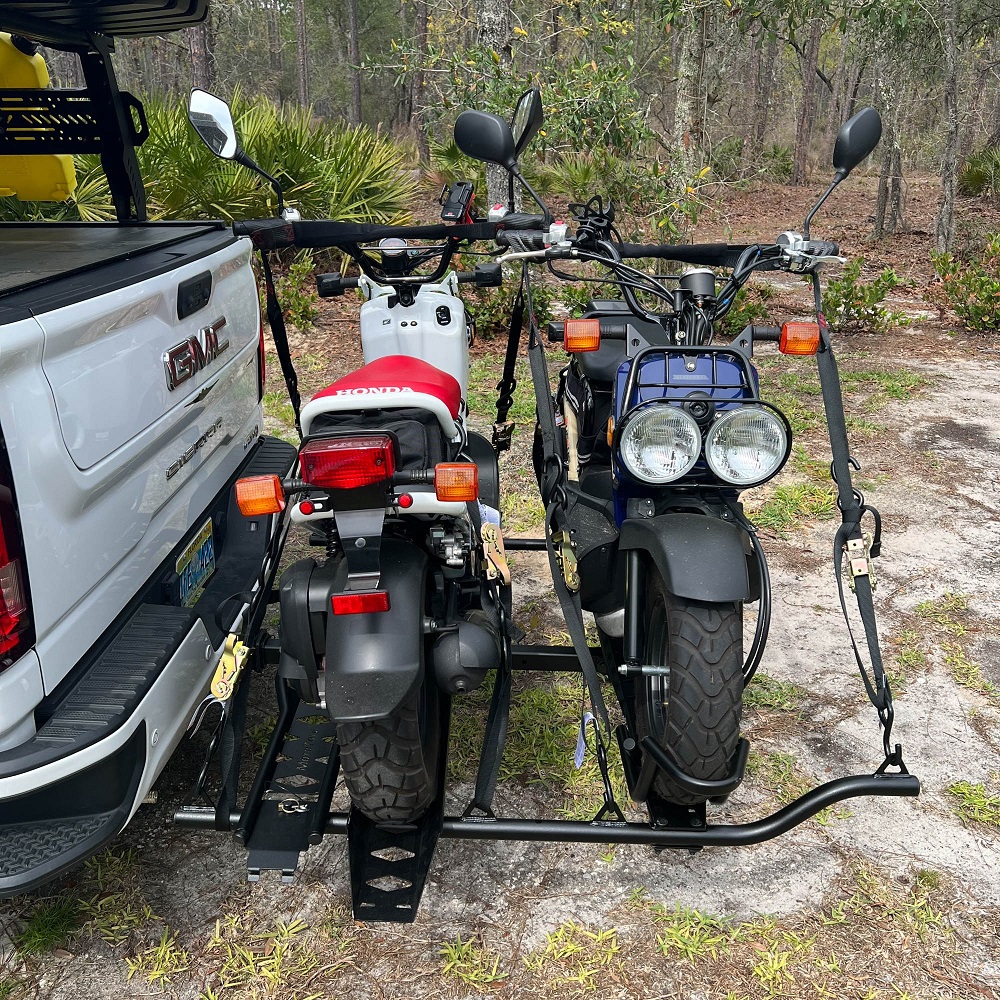
Once your motorcycle is loaded onto the carrier, securing it is essential for safe transport. Use high-quality tie-down straps or ropes to firmly secure the bike in place. Ensure that the straps are tightened adequately, preventing any movement during travel. It’s a good practice to check the straps after driving a short distance to ensure everything remains secure.
Positioning for Stability
When securing your motorcycle, position the straps at four corners of the bike. Attach them to sturdy points, such as the frame or handlebars. Avoid tying straps to vulnerable parts that could be damaged during transport. This proper positioning will help ensure that your motorcycle stays stable while on the road.
Checking Before Departure
Before hitting the road, double-check the security of your motorcycle. This step is crucial for ensuring safety during travel, as loose items can lead to accidents. Check the straps, secure any accessories, and confirm that the motorcycle is stable. By taking just a few extra minutes for this inspection, you can prevent potential issues down the road.
Driving with a Motorcycle Carrier
Adjusting Your Driving Style
Transporting a motorcycle on the back of your RV requires adjustments to your driving behavior. Take curves and turns more cautiously, as the added weight can affect handling. Maintaining slower speeds is also advisable, particularly in windy conditions. Keeping a safe distance from other vehicles helps you react appropriately to any unforeseen situations.
Monitoring the Load
During your journey, periodically monitor the condition of your motorcycle carrier. Stop after the first 20 miles to check the straps and overall stability of your motorcycle. Make adjustments as needed to ensure safety. Regularly checking the load during your trip allows you to address any potential issues early on.
Avoiding Bumpy Roads
If possible, avoid rough or bumpy roads during your journey. The jolting and movement can affect your motorcycle’s stability. Plan your route in advance to ensure smooth travel. This consideration is especially important for long trips, where the comfort and security of both the bike and your RV passengers are at stake.
Maintenance of Your Motorcycle Carrier
Regular Cleaning
Maintaining your motorcycle carrier is vital for longevity and performance. After each trip, clean the carrier to remove dirt, debris, or road grime. A gentle wash with mild soap and water can help keep it in good condition. Regular maintenance ensures that connections and moving parts remain in optimal working order.
Inspecting for Damage
Check the carrier for any signs of wear or damage after use. Inspect welds, bolts, and straps for stability. Any signs of rust or deterioration should be addressed immediately. Maintaining your carrier prolongs its lifespan and ensures safety during future transportation.
Storing Your Carrier Properly
When not in use, store your motorcycle carrier in a dry place. Keeping it protected from the elements prevents corrosion and damage. If space allows, consider covering it with a tarp or dedicated cover to shield it from dust and moisture. Proper storage keeps your carrier ready for your next adventure.
Investing in a Quality Carrier
Understanding Costs
Quality motorcycle carriers can come with a range of prices, depending on materials and features. Investing in a high-quality carrier is essential for safety and durability. While less expensive options are available, they may not provide the same level of support and stability. Understanding the long-term value of a quality investment is essential when making a purchase.
Evaluating Brand Reputation
When choosing a motorcycle carrier, research brands that specialize in manufacturing carriers. Look for reviews and customer testimonials to gauge their reliability. Well-established brands often provide warranties for their products, ensuring peace of mind. This consideration can influence your purchasing decision.
Customizing Your Carrier
Some brands offer customization options for motorcycle carriers. This can include selecting specific features, colors, or additional accessories. A customized motorcycle carrier may offer enhanced usability to suit personal preferences. Customization also allows you to add a personal touch to your gear, reflecting your individual style.
FAQ:
- How do I choose the right motorcycle carrier for my RV?
- When selecting a motorcycle carrier, consider the weight capacity, compatibility with your RV’s hitch rating, and ease of loading and unloading. Ensure it fits the size of your motorcycle(s) and is made from durable materials for safety.
- Is it safe to use a motorcycle carrier on an RV?
- Yes, you can safely transport your motorcycle as long as you ensure that the carrier is properly rated for its weight and is securely attached to the RV. Always follow the manufacturer’s installation instructions and check that you have securely fastened the motorcycle before hitting the road.
- How do I load and secure my motorcycle on the carrier?
- To load your motorcycle, use a ramp designed for the carrier, ensuring a smooth incline. Once loaded, securely fasten the motorcycle using high-quality tie-down straps or a wheel chock to keep it stable during transport.
- Are there weight limits for motorcycle carriers?
- Yes, most motorcycle carriers have specified weight limits, which vary by model. Always check the product specifications to ensure that the combined weight of your motorcycle and any additional cargo does not exceed the carrier’s weight capacity.
- Can I use a motorcycle carrier for other types of bikes?
- While motorcycle carriers are primarily designed for motorcycles, many can also accommodate scooters and some e-bikes. However, it’s important to check the specifications and weight limits to ensure safe transport of different types of bikes.
Conclusion
The Convenience of an RV Motorcycle Carrier
In conclusion, an RV motorcycle carrier is a valuable investment for anyone looking to transport their bike with ease. Understanding how to choose, maintain, and properly use a motorcycle carrier is crucial for ensuring safety and convenience during travels. With the right carrier, adventures become more accessible, allowing riders to explore new destinations.
Embrace the Freedom
By embracing the versatility and convenience of an RV motorcycle carrier, you open up a world of travel possibilities. Whether heading to the mountains or coast, having your motorcycle attached safely to your RV enhances your adventure experience. Enjoy the freedom that comes with being able to hit the road with your bike at your side!
Look Forward to Future Adventures
Ultimately, the right motorcycle carrier, along with motorcycle carrier for RV safety tips, allows you to create unforgettable memories while exploring the great outdoors. Take the time to invest in quality equipment, plan your trips wisely, and prepare for every journey properly. With these preparations, you can look forward to many exciting adventures on the open road!
Leave a Reply