When riding a motorcycle, safety and preparedness are paramount. Unexpected situations, such as tire punctures or blowouts, can leave riders stranded and anxious. In such moments, some riders might consider using a car tire on their motorcycle as a temporary solution. However, this raises important safety questions and concerns. This article will explore whether it is safe to use a car tire on motorcycle, the potential risks involved, and what riders should know in emergency situations to keep themselves and their motorcycles safe.
Understanding Motorcycle and Car Tires
Differences in Design and Structure
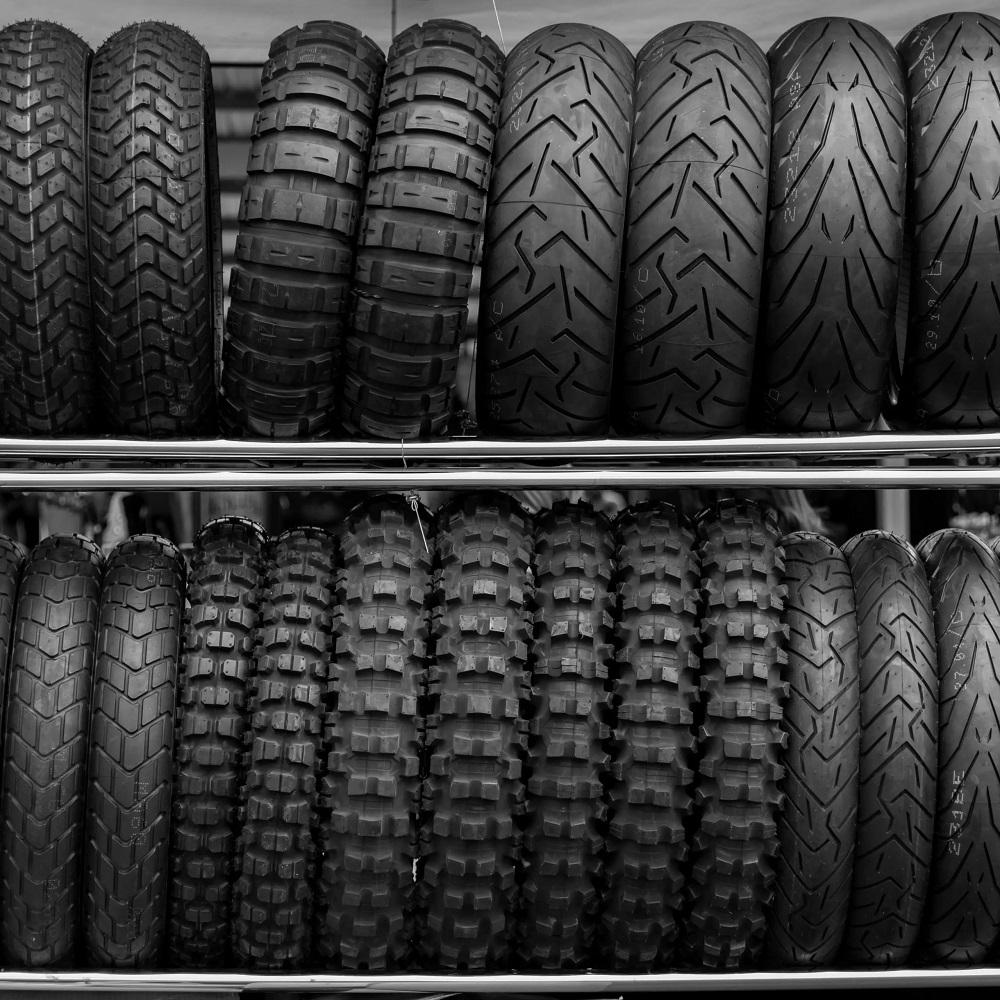
Motorcycle and car tires differ significantly in their design and function. Motorcycle tires are engineered for a balance of grip, stability, and cornering maneuverability. They tend to be narrower with specific tread patterns tailored for quick turns and lean angles. On the other hand, car tires are generally broader and built for stability in straight-line driving at various speeds. These fundamental differences mean that each tire type operates best under specific conditions. The construction methods, materials used, and even the internal air pressure specifications differ, making it crucial to use the appropriate tire for each vehicle type.
Impact on Handling and Performance
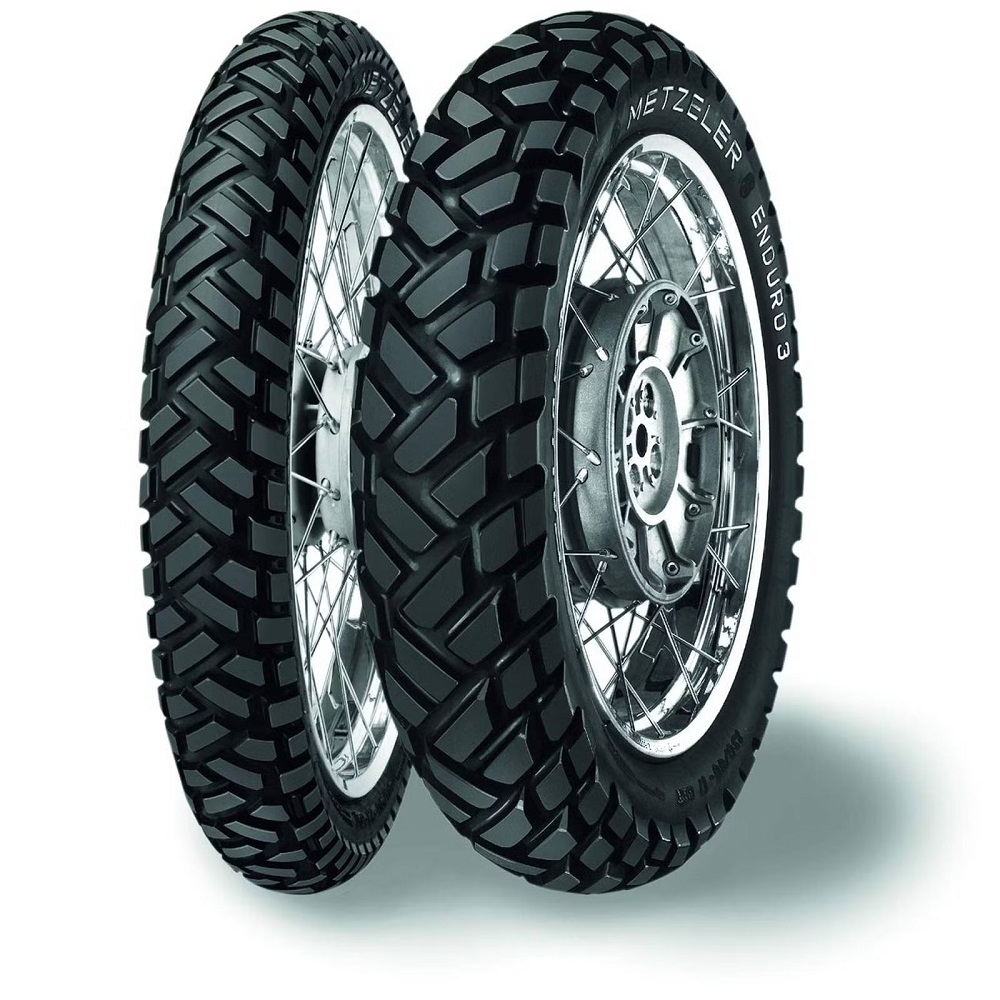
Handling characteristics are affected by the choice of tires. Motorcycle tires provide feedback to the rider, allowing them to make quick adjustments during a ride. A motorcycle’s handling depends on the tires conforming to the road surface while supporting the bike’s weight distribution. Car tires lack the responsiveness needed for optimal motorcycle handling, potentially leading to dangerous outcomes if used. For example, while a motorcycle is designed to lean into turns, a car tire may not respond well to such maneuvering, increasing the risk of losing control.
Safety Concerns
Using a car tire on motorcycle introduces several safety concerns. The differences in tread design may reduce traction on the road, increasing the likelihood of slipping or losing control. Additionally, car tires are not designed for the same lean angles that motorcycles often require, which leads to a higher risk of accidents. These design disparities create a scenario where the rider might struggle with control during critical moments on the road. Therefore, providing significant attention to these safety concerns is essential for all riders.
Potential Risks of Using a Car Tire on a Motorcycle
Handling Instabilities
One of the most significant risks of using a car tire on motorcycle is compromised handling. A motorcycle is built to operate with specific tire characteristics that allow the rider to lean into turns confidently. Car tires are designed for stability in four-wheeled vehicles but create unpredictability when used on a two-wheeled motorcycle. Riders may find that their motorcycle experiences uncharacteristic behaviors when navigating curves or making sudden maneuvers, leading to a higher possibility of accidents.

Braking Issues
Another critical factor is braking performance. Motorcycle braking systems are designed to work optimally with motorcycle tires. Car tires tend to have different friction profiles scientifically tailored for their respective weights and balance. This difference can result in longer stopping distances and unpredictable braking behavior, which could lead to accidents during emergencies. When faced with a sudden stop, riders using a car tire may find that they cannot slow down quickly enough, jeopardizing their safety.
Increased Risk of Accidents
A combination of poor handling and reduced braking power increases the risk of accidents when using a car tire on motorcycle. Poorly matched tires significantly impact the stability and control of a motorcycle, especially in emergency situations where fast reflexes are essential. Riders could encounter dangerous scenarios that they cannot respond to effectively, resulting in crashes or falls that could otherwise be avoided with appropriate tire choices.
Legal Considerations
Local Laws and Regulations
In various jurisdictions, using a car tire on a motorcycle may violate local laws or regulations governing motorcycle equipment. Many states require motorcycles to utilize tires that meet specific safety standards, such as DOT or ANSI ratings. Failing to comply with these regulations can lead not only to fines but can also create legal complications in case of an accident. Riders should always familiarize themselves with local laws to prevent potential troubles and ensure they are riding safely and legally.
Warranty Implications
Using non-standard tires can void the warranty on a motorcycle, negatively impacting a rider’s financial security. Manufacturers specify tire requirements for their vehicles for safety reasons, and ignoring these specifications can result in trouble during warranty claims. Should an issue arise with the motorcycle that is proven to be related to the non-compliant tire, repairs may not be covered, leading to unexpected costs.
Liability in Accidents
In the event of an accident involving a motorcycle outfitted with a car tire, liability becomes a complex matter. Insurance companies may deny claims if it is revealed that an improper tire was used at the time of the accident. This situation could leave the rider facing substantial financial responsibility for damages or injuries incurred in the incident. Understanding these potential consequences is essential for any responsible motorcycle rider.
Assessing the Need for a Car Tire
Situations to Consider
In emergency situations, riders often look for quick solutions to get back on the road. If you experience a flat tire while out on your bike, it can be tempting to switch to a car tire as an immediate fix. However, this choice should be considered a last resort—one that could expose you to significant risks, as previously discussed.
Safer Alternatives
Before considering a switch to a car tire, explore safer alternatives. Carrying a portable air compressor or a tire repair kit can be a lifesaver in situations of low tire pressure. These items are affordable, easy to carry, and expansive in their capacity to help riders get back on the road efficiently without compromising safety.
Seeking Professional Help
In the event of a tire issue on the road, seeking professional help is always advisable whenever possible. Roadside assistance and motorcycle shops have the tools and experience necessary to address tire problems correctly. Relying on experts ensures that repairs are handled safely and effectively, keeping both the rider and motorcycle secure. Rider awareness about local emergency contact options allows for prompt action when needed.
Preparing for Emergency Situations
Carrying a Repair Kit
Every motorcycle rider should have a repair kit on board. Tire repair kits, including plugs and sealants, are essential for handling flat tires. Having tools that specifically cater to tires can ease a great deal of stress in emergency situations. Ensuring your repair kit remains stocked and functional will help you feel more prepared for unplanned events.
Knowing Basic Repair Techniques
Understanding basic tire repair techniques can be incredibly valuable. Familiarize yourself with how to patch a tire or change a flat. Consider practicing these skills at home or in a safe environment. Building confidence through repetition will prepare you for similar challenges in real scenarios.
Developing a Rescue Plan
It’s wise to have a backup plan for emergencies. Identify contacts for roadside assistance services or motorcycle shops along your routes, whether familiar or new. Knowing exactly where to go if/when an issue arises provides reassurance during journeys.
Understanding Tire Sizes
The Importance of Proper Sizing
When it comes to motorcycle tires, proper sizing is essential. Tires are measured by their width and diameter, and an incorrect size can lead to dangerous handling and stability issues. Making an informed decision about size ensures safety and performance are prioritized.
Tire Compatibility
Ensure that any replacement tire you consider is compatible with your motorcycle model. Consult the owner’s manual or speak with a knowledgeable dealer to verify that you are selecting tires that will work effectively with your specific setup. Proper compatibility ensures a well-handling motorcycle that can operate safely.
Measuring for Custom Tires
If you’re considering a custom tire solution, make sure that accurate measurements are taken. Consult with professionals who can help ensure you are selecting the correct tires for your needs. Trusted advice reduces risks and improves performance on the road.
Making a Smart Choice
Base Decisions on Knowledge
When traveling, being educated about your options related to tire issues can help alleviate anxiety. Understand the risks associated with the use of car tires on motorcycles. By being informed, you can make well-considered decisions in emergency scenarios.
Avoiding Replacement with Improper Tires
Stick to using proper motorcycle tires at all times. While it might be tempting to substitute a car tire during emergencies, the risks often outweigh the benefits. Consistently investing in quality motorcycle tires is vital for your safety and enjoyment while riding.
Educating Yourself on Tire Technology
Stay informed about advancements in tire technology. New tire designs and materials frequently enter the market, improving performance and safety. Being knowledgeable about your options helps you select the best tires suitable for your riding style.
Additional Safety Measures
Wearing Safety Gear
When riding, wearing appropriate safety gear is essential for protection. Helmets, jackets, and gloves can significantly reduce injuries in the event of an accident. Ensure that you have high-quality protective gear designed specifically for motorcycling.
Staying Aware of Road Conditions
Always remain alert to the conditions of the road and your surroundings while riding. Weather, pavement quality, and traffic can all impact how your motorcycle handles and performs. Being mindful of your environment helps you avoid potential risks and makes for a safer ride.
Practicing Defensive Riding
Practicing defensive riding techniques improves safety on the road. Awareness of other vehicles, potential hazards, and road conditions can help you adapt quickly if an unexpected situation arises. Riding defensively can reduce the chances of accidents and enhance overall safety.
Building Confidence on the Road
Familiarizing Yourself with Your Motorcycle
Understanding your motorcycle’s handling and limitations can help you feel more secure while riding. Practice riding in low-traffic areas to gain confidence in your bike’s handling capabilities. Familiarity with your motorcycle leads to improved control and comfort during rides.
Gradual Exposure to Riding
If you are new to motorcycling or have recently changed tires, gradually exposing yourself to larger rides is beneficial. Start with shorter trips and increase the distance as you gain confidence and become accustomed to the bike’s behavior. This gradual exposure helps build skills and experience.
Enlisting a Riding Partner
Riding with a partner can provide additional safety and comfort on the road. A more experienced rider can offer guidance and assistance, especially for newcomers. Riding in a group can also enhance the enjoyment of the adventure and foster a sense of camaraderie.
FAQ:
- What are the risks of using a car tire on a motorcycle?
- Risks include compromised handling, reduced grip, and increased stopping distances. Motorcycle tires are specifically designed for leaning and cornering, while car tires may not provide the same performance, leading to dangerous riding conditions.
- Are there any scenarios where a car tire can be used on a motorcycle?
- Some riders have used car tires on specific heavy motorcycles designed for stability, such as trikes, but this practice is rare and often not recommended. Always follow manufacturer recommendations for tire specifications.
- What should I do if I have a flat motorcycle tire far from home?
- If you have a flat tire, use a motorcycle tire repair kit if available, or call for roadside assistance. Avoid using car tires and instead seek replacement or repairs with proper motorcycle tires to ensure safety.
- Is it legal to use a car tire on a motorcycle?
- Legality can vary by location, but the use of a car tire on a motorcycle may not comply with safety regulations. Always check local laws and regulations regarding motorcycle tires for compliance.
- How can I prevent flat tires on my motorcycle?
- Regularly check tire pressure, inspect for wear and damage, and keep up with maintenance. Proper tire care and using high-quality motorcycle tires designed for your riding style can significantly reduce the risk of flats.
Conclusion
Using a car tire on motorcycle is generally not a safe or practical solution. The risks associated with handling, braking performance, and legal implications all argue against the practice. Riders should understand the critical differences between motorcycle and car tires, choosing proper equipment to ensure their safety on the road.
Proper planning and carrying the necessary repair tools, including provisions for emergency motorcycle tire replacement, will help riders navigate unexpected challenges. Embracing safety measures, such as regular tire maintenance and emergency preparation, is essential for a rewarding riding experience. Enjoy the freedom of the open road while prioritizing safety and performance—your motorcycle journey will be all the more enjoyable when you are well-equipped for success!
Leave a Reply