Introduction: Understanding the Importance of Crash Cages
The Need for Safety in Motorcycling
Motorcycling offers excitement and freedom like no other mode of transportation. However, it also comes with inherent risks. Accidents can happen, and even the most experienced riders can encounter unexpected situations. This is where safety gear becomes essential. One crucial piece of equipment designed to protect riders is the motorcycle crash cage. This protective framework can significantly reduce damage to both the bike and the rider in the event of a crash.
What is a Motorcycle Crash Cage?
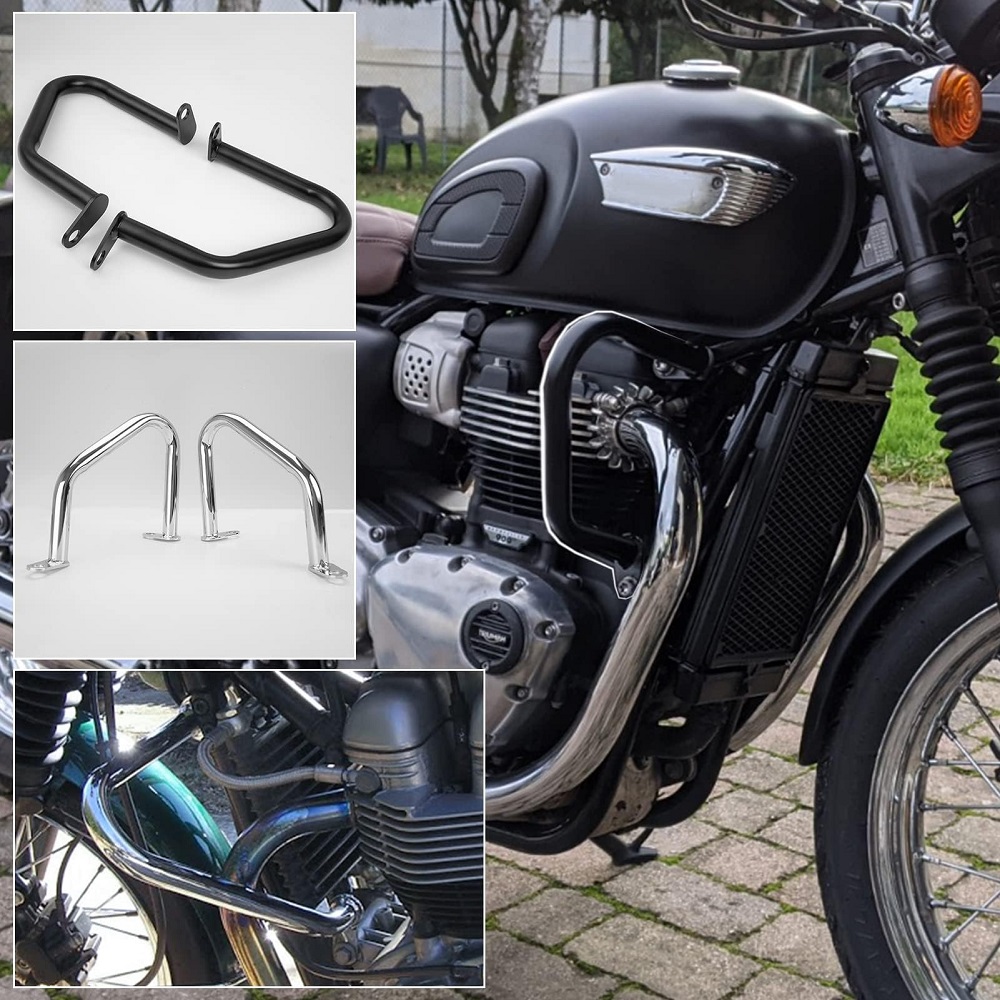
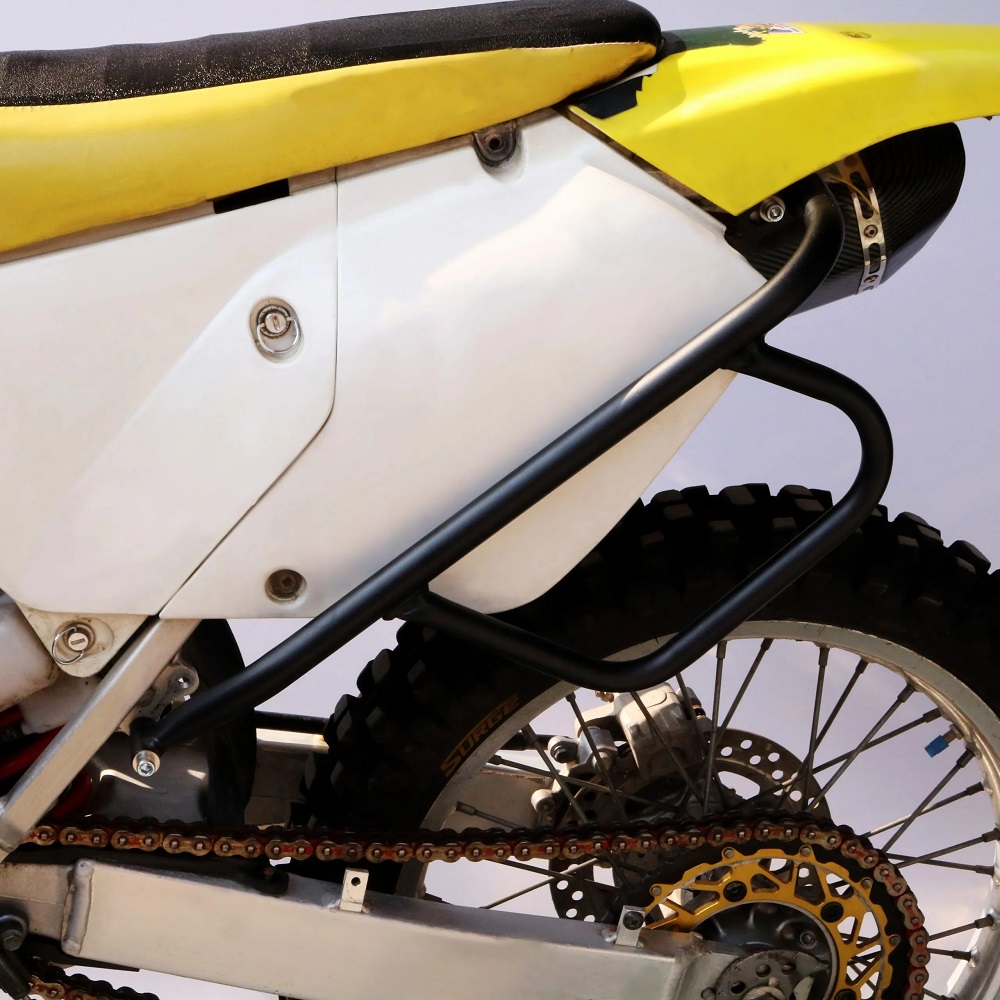
A motorcycle crash cage is a protective frame mounted on a motorcycle to absorb impact and prevent damage during a fall. Its primary function is to protect critical components, such as the frame, engine, and sometimes the rider’s legs. By absorbing and distributing energy during an accident, crash cages help lessen the severity of injuries and bike damage. Investing in one can save both money and frustration in the long run.
The Growing Popularity of Crash Cages
The increased awareness of motorcycle safety has led to a rise in the use of crash cages among riders. Many manufacturers have developed crash cages specifically designed for different models of motorcycles. The growth of the online motorcycle community has also led to more information and resources available for those looking to install a crash cage. As safety equipment continues to evolve, crash cages remain a crucial aspect of protective gear for riders.
Key Features of Crash Cages
Material and Construction
The primary materials used in motorcycle crash cages include steel and aluminum. Steel offers durability and strength, making it highly effective for impact absorption. However, it can also add weight to the motorcycle. Aluminum, on the other hand, is lightweight and resistant to rust, making it an attractive option for many riders. Understanding the materials used in the crash cage is essential when selecting a model that suits your needs and preferences.
Design and Compatibility
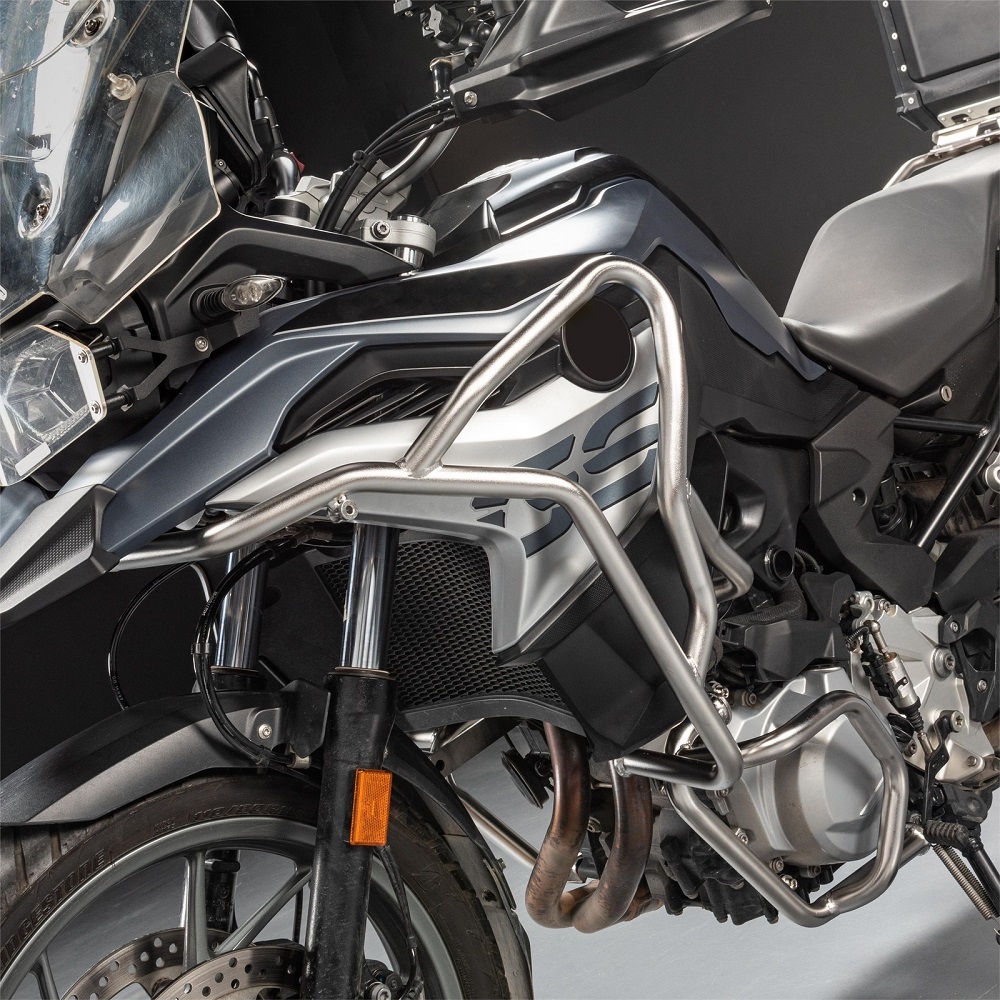
The design of the crash cage plays a crucial role in its effectiveness. Many models are tailored for specific motorcycle makes and models, ensuring a proper fit. It’s essential to choose a crash cage designed for your motorcycle to ensure maximum protection. Look for a design that allows easy access to important components such as the engine and battery. A well-thought-out design will not interfere with your motorcycle’s aesthetics or functionality.
Installation Features
Some crash cages come with unique installation features that make assembly easier. For example, modular designs often allow for easier attachment to the motorcycle frame. Installing a crash cage should not require specialized tools, making it accessible for most riders. Ease of installation means that more riders can add this protective gear without having to rely on professional help.
Preparing for Installation
Gathering Necessary Tools
Before starting the installation process, it’s essential to gather the necessary tools. Most installations require basic tools such as wrenches, sockets, and screwdrivers. Some installations may need specific tools depending on your motorcycle’s make and model. Reviewing the manufacturer’s instructions carefully will provide a complete list of tools necessary for installation. Preparing your workspace and tools in advance ensures a smoother installation process.
Reading Instructions Carefully
Always read the installation instructions that come with your crash cage thoroughly. Different models may have unique requirements and steps. Understanding the specifics of your crash cage will prevent mistakes that could lead to improper installation. Take time to familiarize yourself with the parts involved and the necessary steps required for successful installation. Knowledge is key to ensuring that the procedure goes smoothly without errors.
Safety Precautions
Safety should always be a top priority when working on your motorcycle. Ensure that your bike is parked on a flat, stable surface to prevent accidental tipping during installation. Wearing appropriate safety gear, such as gloves and goggles, is advisable to protect yourself from potential injuries. Double-check that your tools are in good condition and free from defects. Taking these precautions will provide a safer work environment.
Steps for Installing a Crash Cage
Step 1: Preparing the Motorcycle
Start by ensuring that your motorcycle is turned off and cool to the touch. Remove any components that may obstruct the installation process. This could include fairings or side panels that may need to be temporarily taken off. Clearing the area provides easy access to the motorcycle’s frame. Having an uncluttered workspace simplifies the installation process, allowing you to focus on the task at hand.
Step 2: Aligning the Crash Cage
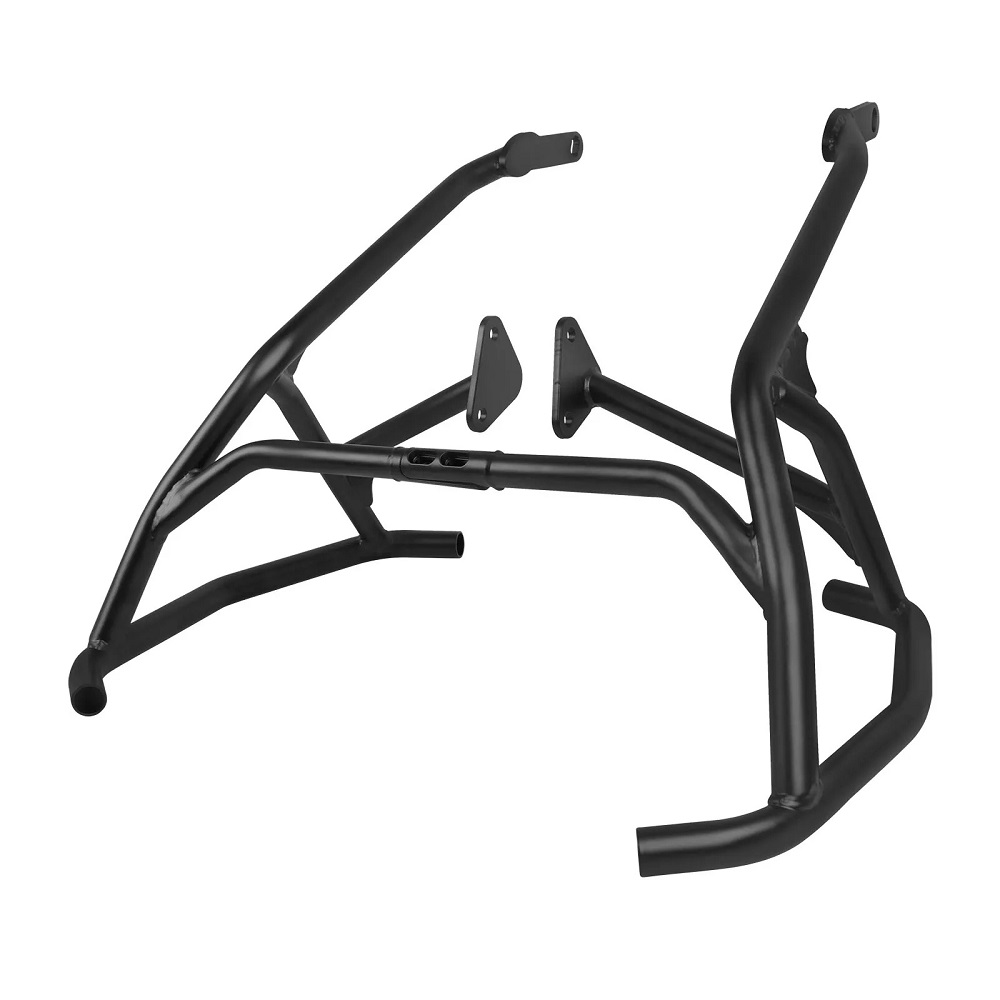
Carefully position the crash cage against your motorcycle’s frame. Ensure that it aligns properly with the mounting points. Most crash cages come with pre-drilled holes designed for specific bike models. Aligning the cage with these points will prepare it for secure attachment. Take your time to ensure that the cage is level and set correctly before proceeding with the installation.
Step 3: Attaching the Mounting Brackets
Once the crash cage is aligned, begin attaching the mounting brackets according to the manufacturer’s instructions. Use the appropriate bolts and screws provided with the cage, ensuring a secure fit without overtightening. Make sure to use washers where specified to prevent wear or damage to the frame over time. Following these steps closely will enhance the durability and integrity of the installed crash cage.
Step 4: Securing the Crash Cage
After securing the mounting brackets, double-check all attachments to ensure they are tight and secure. This step is critical for maintaining the motorcycle’s stability and safety. If any additional braces or supports are included with your crash cage, follow the instructions for attaching these components as well. By diligently securing the cage, you are minimizing potential risks while riding.
Step 5: Final Checks and Adjustments
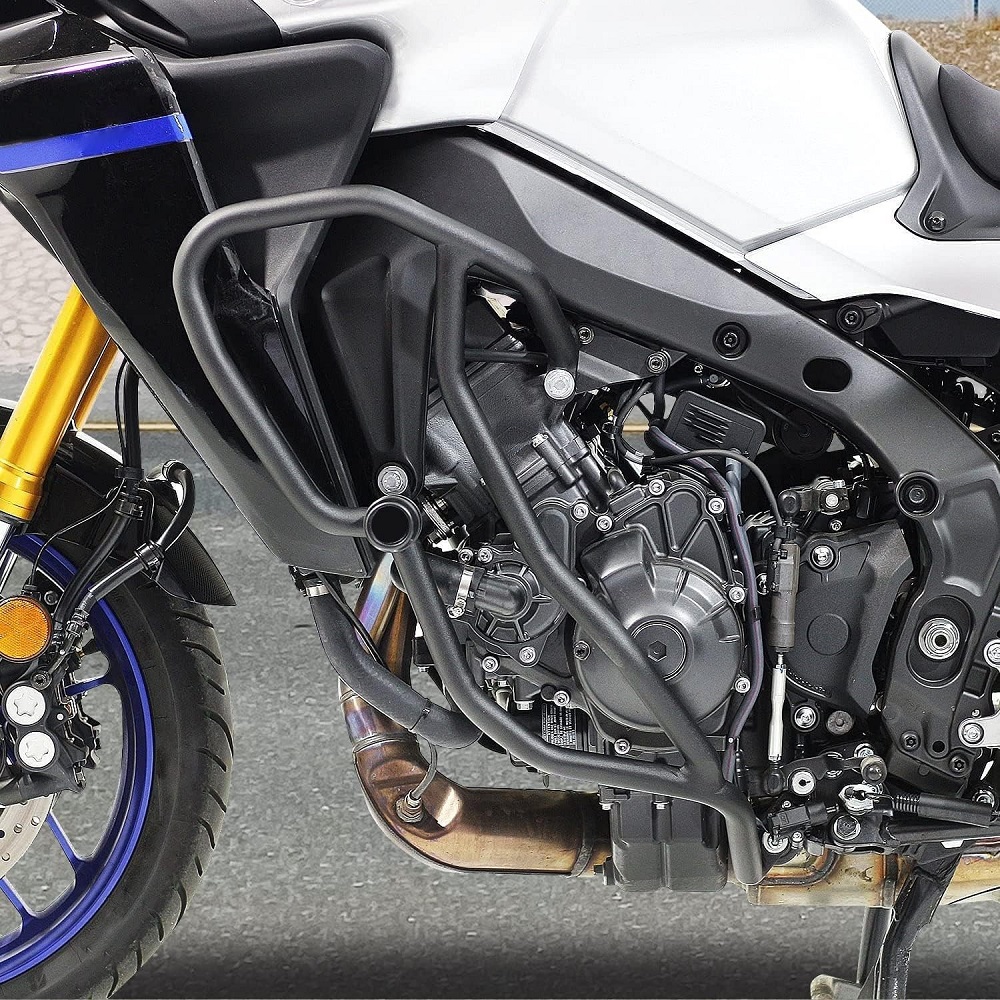
Before concluding the installation, perform a final inspection. Ensure that all connections are secure and that there is no movement in the crash cage. Test the fit by gently pulling on the cage to ensure that it remains firmly attached. If your crash cage comes with adjustable components or features, make the necessary adjustments for optimal placement. Taking this time for final checks will help ensure a successful installation.
Testing the Crash Cage
Conducting Initial Tests
Once the crash cage has been installed, conduct initial tests to ensure everything works as intended. Push the motorcycle around softly, ensuring that the cage does not interfere with steering or movement. Check for any unusual noises that may indicate loose components. Riding the motorcycle at low speeds is a good way to observe how the crash cage performs. Assessing its functionality will help you determine if any adjustments are needed.
Performing Impact Tests
For those who want to ensure their crash cage’s functionality, consider conducting impact tests in a controlled environment. Use a dummy or padded weight to simulate the forces that would occur in an accident. This test can help determine if the installation is secure and if the cage provides the intended protection. Always prioritize safety while performing impact tests.
Continuous Assessment
Following the installation and testing, continuous assessment of the crash cage is advisable. Regularly check attachments and look for signs of wear over time. It is especially important to inspect after long rides or rough terrain. Keeping a routine maintenance schedule will ensure that the crash cage remains reliable and effective when needed most.
Making the Most of Your Motorcycle Crash Cage
Enhancing Riding Confidence
Installing a crash cage can significantly enhance the rider’s confidence. Knowing that you have additional protection allows you to focus on the road ahead. This confidence can translate into a more enjoyable and engaging riding experience. Riders often note that having a crash cage enhances their sense of security while tackling challenging roads or conditions.
Building a Stronger Community
Being part of a community of riders who value safety and protection fosters camaraderie. Sharing knowledge about crash cages and experiences can lead to new friendships and learning opportunities. Joining forums or local motorcycle clubs provides a platform for exchange. These shared experiences create a supportive environment where safety and passion for riding are prioritized.
The Value of Continuing Education
Education about motorcycle safety does not end with installing a crash cage. Riders should remain informed about the latest safety equipment, riding techniques, and maintenance practices. Attending workshops or training courses can further enhance skills and knowledge. Engaging with the motorcycle community provides opportunities to learn from fellow riders while building a deeper understanding of motorcycle safety and performance.
FAQ:
- How do I install a motorcycle crash cage?
- Installation generally involves removing some of the motorcycle’s existing bodywork or components to access mounting points. The crash cage is then bolted onto these points. Consult the manufacturer’s instructions for specific steps and torque specifications.
- Will a crash cage fit my motorcycle model?
- Crash cages are designed for specific motorcycle models. Ensure you select a cage that is compatible with your make and model by checking product details or consulting the manufacturer before purchase.
- What tools do I need for crash cage installation?
- Basic tools required for installation typically include a socket set, wrenches, and possibly a torque wrench. It’s always a good idea to review the installation manual to ensure you have all necessary tools before starting.
- Can I install a crash cage myself, or do I need professional help?
- While many riders can successfully install a crash cage themselves with the right tools and guidance, if you are unsure or uncomfortable with the process, seeking professional installation is recommended to ensure proper fit and safety.
- How much does a motorcycle crash cage cost?
- The cost of a motorcycle crash cage can vary widely based on the brand, material, and design, typically ranging from 100to500 or more. Consider your budget and the level of protection you wish to achieve when selecting one.
The Essential Role of Crash Cages in Motorcycling
A Worthwhile Investment
Investing in a motorcycle crash cage is a worthwhile decision for riders who prioritize safety. It protects critical components of the motorcycle while enhancing the rider’s overall experience. This protective gear helps prevent costly repairs and provides peace of mind during rides. The confidence that comes with knowing your motorcycle has added protection is invaluable.
Balancing Style and Functionality
When choosing a motorcycle crash cage, it is possible to find options that offer both protection and style. Manufacturers often create designs that cater to various aesthetics, ensuring you don’t have to sacrifice looks for safety. A motorcycle crash cage can blend seamlessly with your motorcycle while contributing to its performance. By selecting a stylish crash cage, you create a unique look that reflects your personality.
Embrace Every Adventure
Whether you ride for leisure or as a daily commuter, a motorcycle crash cage contributes to your safety. Embrace the adventures that await you with confidence, knowing that you are protected. The thrill of the open road is enhanced with quality safety equipment, making your journeys more enjoyable. So gear up, secure your crash cage, and hit the road, ready for every adventure that comes your way!
Leave a Reply