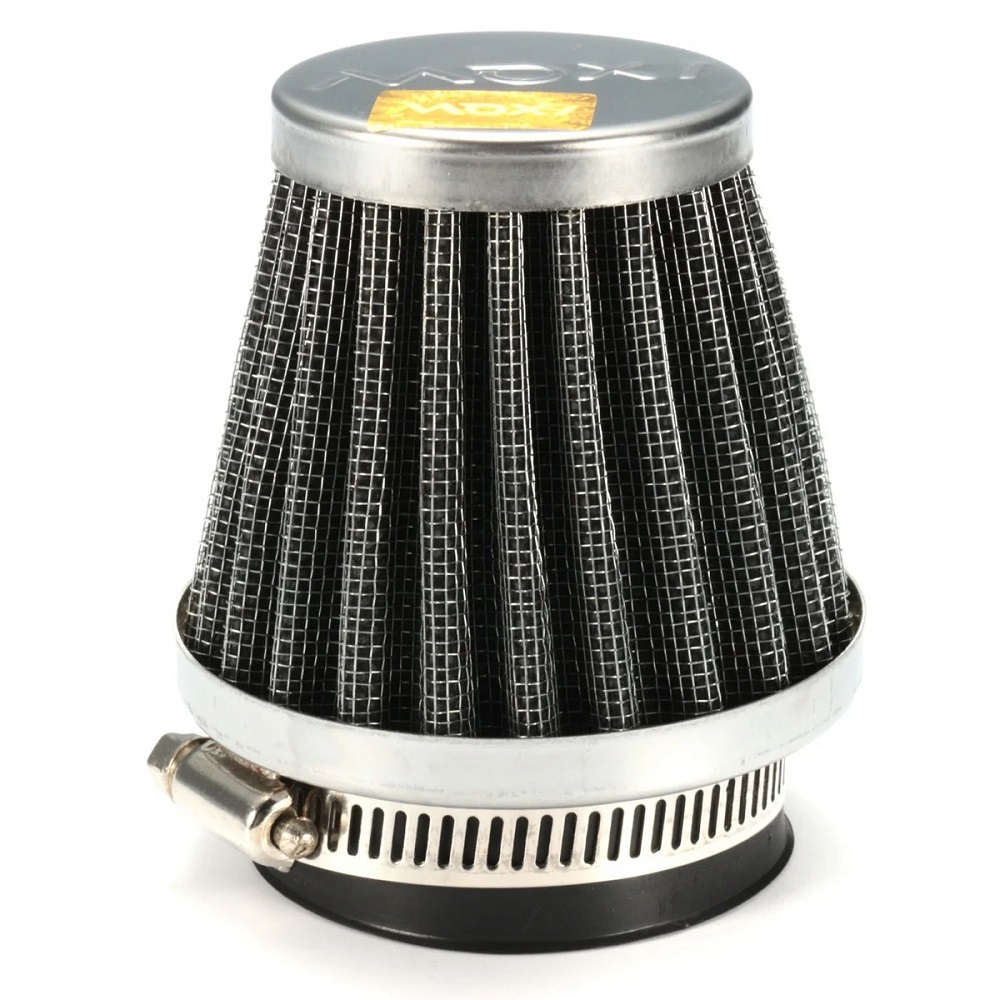
Introduction to Motorcycle Air Filters
Motorcycle air filters are a vital component of any bike’s engine system. They are responsible for filtering out dirt, debris, and pollutants from the air before it enters the engine. An efficient air filter ensures that the engine runs smoothly and optimally. If you are a motorcycle enthusiast, understanding air filters can significantly impact your bike’s performance and longevity. This article will delve into the types of motorcycle air filters available, how to choose the right one for your bike, and the importance of maintenance.
The Role of Air Filters in Motorcycle Engines
Air filters play a crucial role in the combustion process of motorcycle engines. The engine requires a specific air-to-fuel ratio for optimal performance. If the air filter is clogged or dirty, it can restrict airflow, leading to poor engine performance.
Impact on Engine Efficiency
When the air supply is limited, the engine may struggle to draw in enough air. This results in a decrease in power and acceleration. A clean air filter helps to maintain proper airflow, ensuring that the engine runs efficiently.
Benefits of a Good Quality Air Filter
Selecting a high-quality air filter can provide multiple benefits. It not only enhances engine performance but also extends the life of your motorcycle.
Increased Power and Acceleration
A good air filter allows more air to flow into the engine, which can increase horsepower and torque. This enhanced performance can improve acceleration, making your rides more enjoyable. Riders often report noticeable improvements after upgrading their air filters.
Improved Fuel Efficiency
A clean air filter can contribute to better fuel efficiency. When the engine receives the right amount of airflow, it can burn fuel more effectively. This can lead to savings at the pump, allowing you to ride longer without frequent refuels.
Types of Motorcycle Air Filters
Understanding the various types of motorcycle air filters available can help you select the right one for your motorcycle. Each type has its advantages and disadvantages.
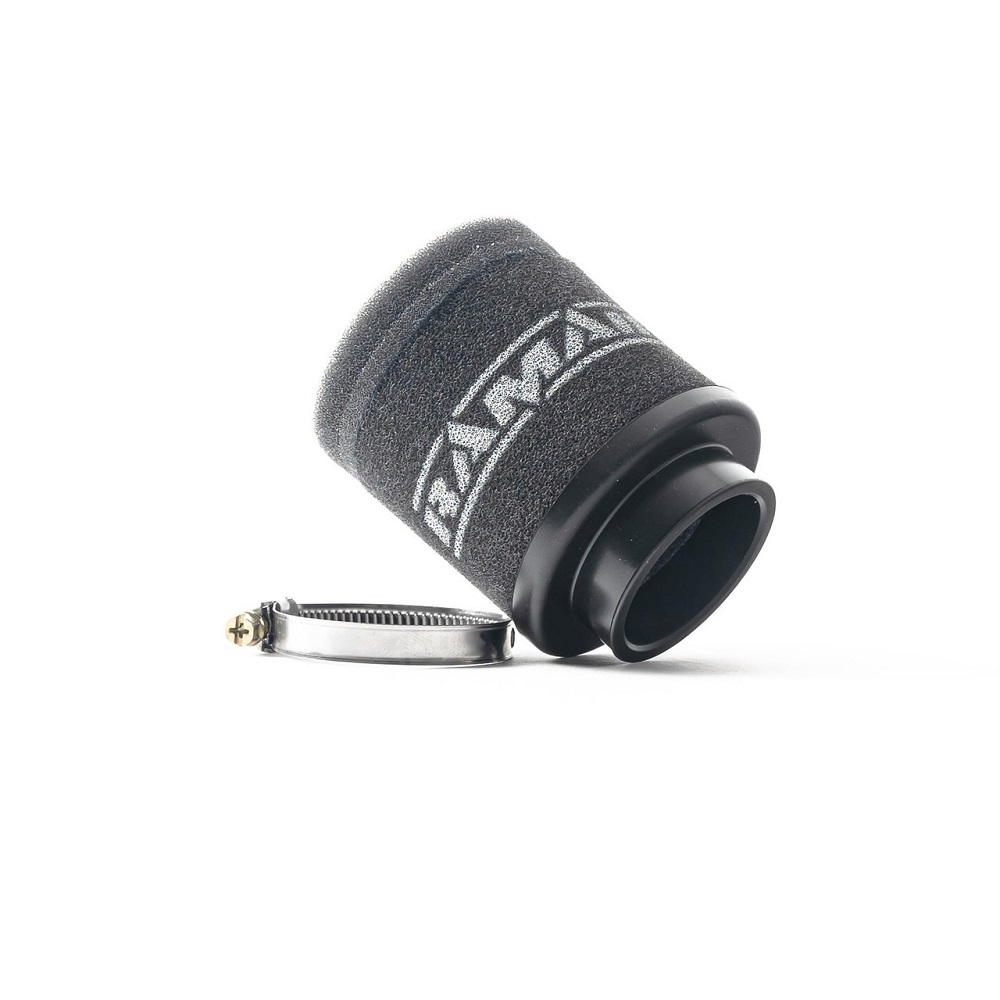
1. Foam Air Filters
Foam air filters are made from foam material that traps dirt and debris. They are commonly found in off-road and motocross bikes.
Advantages
These filters offer a high level of filtration and are easily washable. Riders can clean and reuse them, making them a cost-effective choice. Foam filters are typically lightweight, enhancing the overall performance of the motorcycle.
2. Paper Air Filters
Paper air filters are the most common type found in many motorcycles. They are disposable and designed to filter out contaminants effectively.
Pros and Cons
While paper filters offer excellent filtration, they are not reusable. Once they become dirty, they need to be replaced. However, they are usually more affordable upfront, making them an attractive option for budget-conscious riders.
3. Cotton Gauze Air Filters
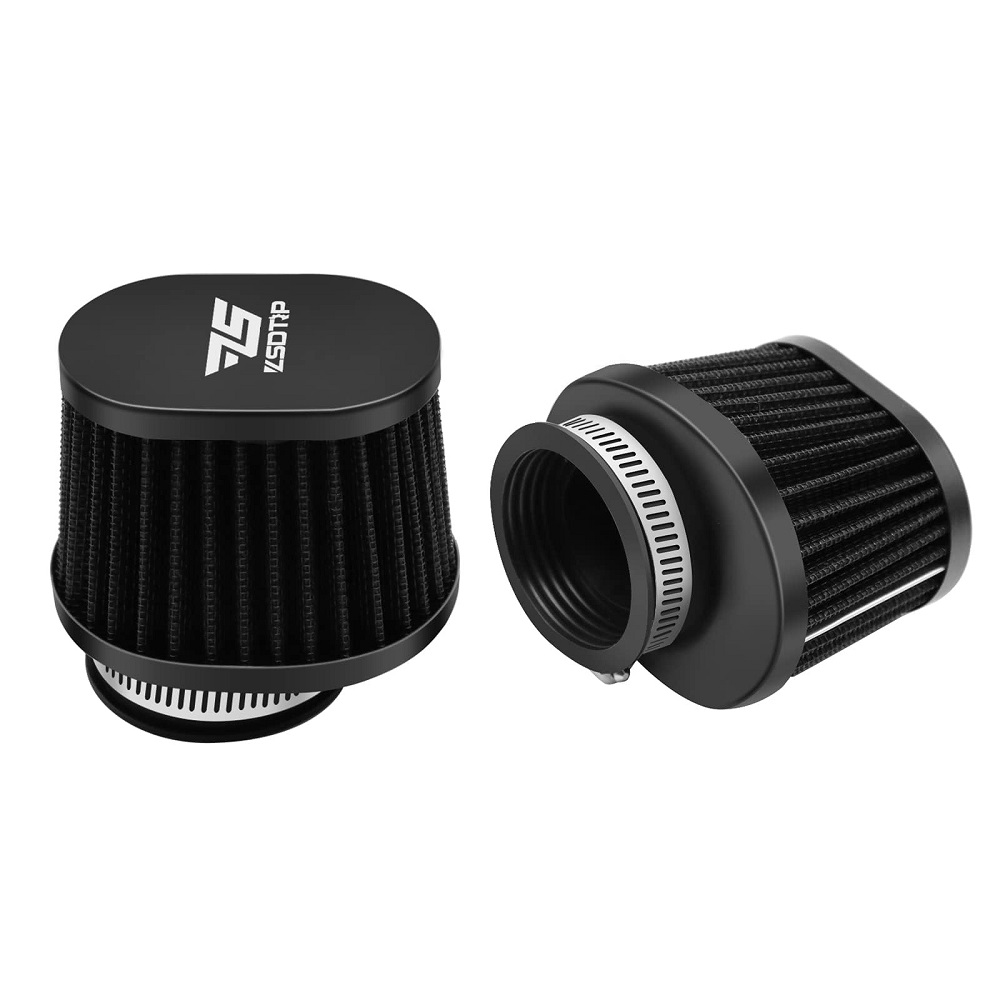
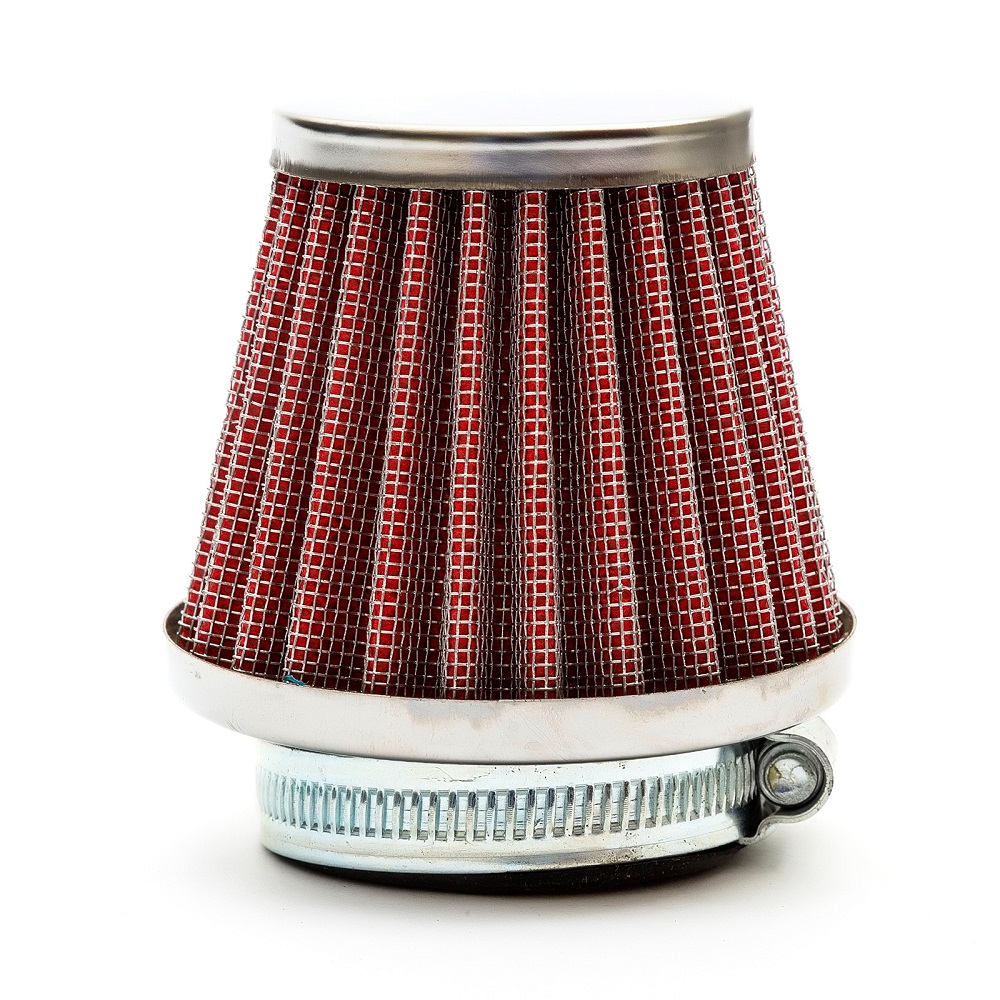
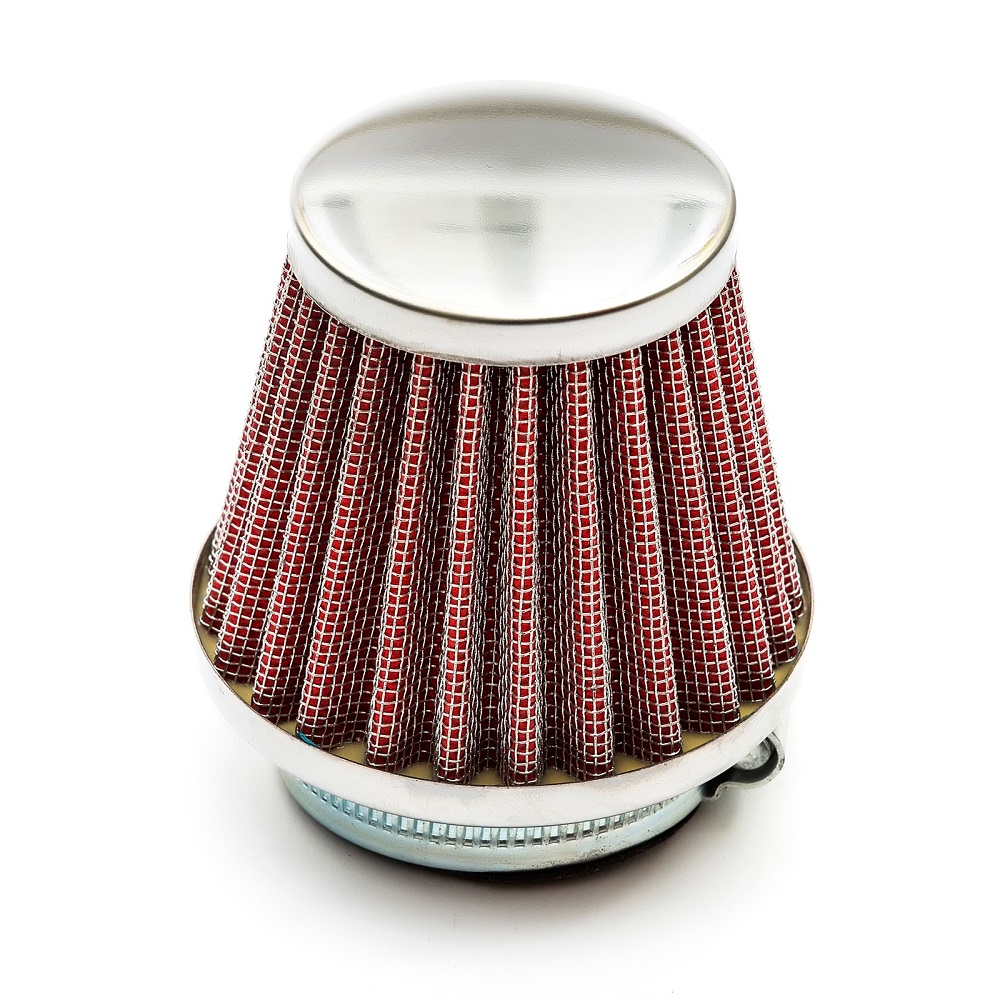
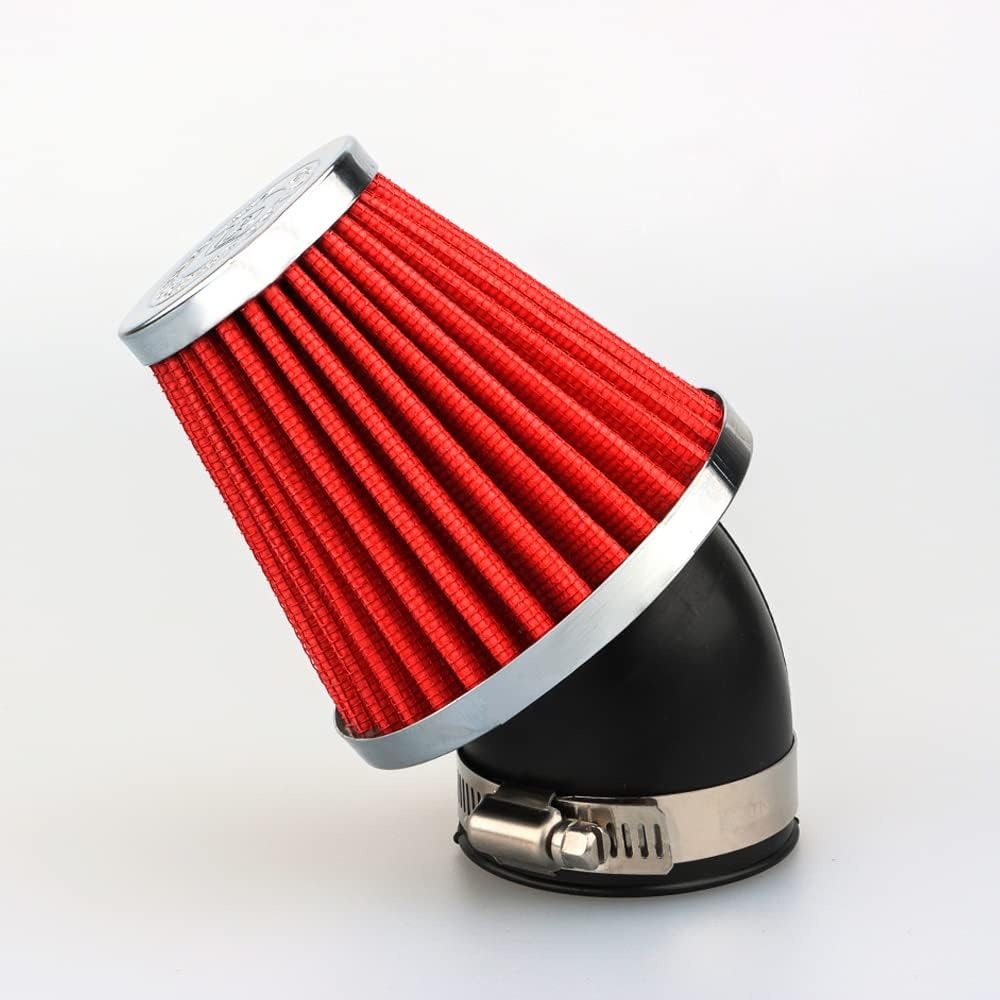
Cotton gauze motorcycle air filters are similar to paper filters but are designed for enhanced performance. They are reusable and often treated with oil to catch dirt particles.
Performance Benefits
These filters offer superior airflow compared to traditional paper filters. The use of cotton gauze allows for better engine performance, making them popular among sportbike and cruiser enthusiasts.
Factors to Consider When Choosing an Air Filter
When selecting an air filter for your motorcycle, various factors should guide your decision. Understanding these will help ensure that you make the right choice for your bike.
1. Compatibility with Your Motorcycle
The first step in choosing an air filter is ensuring compatibility with your motorcycle model. Different bikes require specific sizes and types of filters.
Checking Manufacturer Specifications
Always refer to the manufacturer’s specifications when choosing an air filter. This information can usually be found in the owner’s manual or on the manufacturer’s website. This ensures that you select the right filter for optimal performance.
2. Riding Style
Consider your riding style when selecting an air filter. If you are an off-road rider, foam filters may be more suitable due to their durability and washability. For cruisers or sportbikes, a cotton gauze filter might provide better performance.
Matching Needs with Features
Understanding your needs can help you choose an air filter that enhances your riding experience. This ensures that the selected filter aligns with both your style of riding and the motorcycle’s requirements.
3. Maintenance Considerations
Different air filters require varying levels of maintenance. Disposable filters can be convenient but may incur ongoing replacement costs. Reusable filters might require regular cleaning but can save money over time.
Frequency of Cleaning
If you opt for a washable filter, consider how frequently you ride. Riders who use their motorcycles regularly may need to clean their filters more often. This can impact the time and effort required for upkeep.
Installation and Replacement of Air Filters
Installing and replacing air filters is essential for ensuring optimal bike performance. Understanding how to do this correctly is crucial for all motorcycle owners.
1. Basic Installation Steps
Before beginning installation, gather the necessary tools, including a screwdriver and your replacement filter. Start by locating the air filter housing, usually found near the engine.
Removing the Old Filter
Carefully detach the cover of the air filter housing and remove the old filter. Be cautious not to let any dirt or debris enter the intake during this process.
2. Cleaning the Area
Once the old filter is removed, clean the filter housing with a cloth to remove dust or debris. Ensure the space is clean before installing the new filter.
Insert the New Filter
Place the new air filter securely into the housing, ensuring it fits snugly. Replace the cover, making sure all screws are securely fastened to prevent any leaks.
3. Regular Checks and Maintenance
After installation, develop a routine to check your air filter. This includes looking for signs of dirt buildup or damage. Regular checks can significantly improve engine performance and extend the life of your motorcycle.
Knowing When to Replace Your Air Filter
Understanding when to replace your motorcycle’s air filter is crucial for maintaining performance. Often, specific signs indicate it’s time for a change.
1. Decreased Engine Performance
If you notice your motorcycle struggling during acceleration or feeling less powerful, consider checking the air filter. A clogged or dirty filter can restrict airflow, impacting performance.
Checking for Clogs
A visual inspection of the filter can help identify clogs. If you see visible dirt or damage, it’s time to replace the filter.
2. Poor Fuel Efficiency
A decrease in fuel efficiency can also signify a dirty air filter. When air cannot circulate freely, the engine may consume more fuel to compensate.
Monitoring Fuel Consumption
Keep track of your fuel consumption over time. If you notice an increase in the amount of fuel used, investigating the air filter could be beneficial.
3. Regular Schedule
Even if no signs are present, it is wise to replace the air filter on a regular schedule. Refer to your manufacturer’s recommendations for guidance. Typically, replacing the air filter every 10,000 to 15,000 miles is a good rule of thumb, although this can vary based on riding conditions.
The Environmental Impact of Air Filters
The environmental considerations of motorcycle air filters are increasingly important. Understanding the ecological impact of your purchasing decisions is crucial in today’s world.
1. Disposable vs. Reusable Filters
Disposable air filters contribute to waste since they cannot be reused. Choose options that prioritize sustainability for a more eco-friendly approach.
Benefits of Reusable Filters
Reusable filters reduce waste and have a lower environmental impact. They offer the same performance and can be cleaned easily, making them a more sustainable choice.
2. Sustainable Brands
As awareness of environmental impact increases, some brands focus on sustainable practices in their products. Research brands that prioritize eco-friendly materials and manufacturing.
Supporting Responsible Practices
Purchasing from sustainable brands supports positive environmental practices. Your choices can help push the industry towards more responsible production methods.
FAQ:
- How often should I change my motorcycle air filter?
- It is generally recommended to check and replace your motorcycle air filter every 10,000 to 15,000 miles, or as specified in your owner’s manual. If you ride in dusty conditions, you may need to change it more frequently.
- What types of motorcycle air filters are available?
- There are mainly three types of motorcycle air filters: foam filters, paper filters, and reusable filters (like K&N). Each type has its own advantages in terms of filtration efficiency, maintenance, and airflow.
- How do I know if my motorcycle air filter needs to be replaced?
- Common signs include decreased engine performance, reduced fuel efficiency, and visible dirt or debris on the filter. Additionally, a thorough visual inspection can indicate whether the filter is clogged and needs replacing.
- Can I use a universal air filter for my motorcycle?
- While some universal air filters may fit various models, it’s essential to choose one that is compatible with your specific bike’s make and model to ensure proper fit and performance.
- Will upgrading my air filter improve my motorcycle’s performance?
- Upgrading to a high-performance air filter can increase airflow and potentially improve your bike’s performance. However, it’s important to pair it with appropriate modifications to the exhaust system and tuning for optimal results.
The Importance of Choosing the Right Motorcycle Air Filter
In conclusion, choosing the right motorcycle air filter is crucial for optimal performance and safety. Understanding the benefits of different materials, the proper maintenance techniques, and the available styles are essential for every motorcycle owner.
Invest in Quality and Safety
Always prioritize quality when selecting an air filter. Investing in a high-quality filter can enhance your riding experience and extend your motorcycle’s lifespan. A good filter will ensure that your engine functions efficiently.
Embrace Personal Preferences
Select an air filter that aligns with your riding style and preferences. Whether you favor a specific brand or style, choosing what feels right for you will enhance your overall satisfaction.
Enjoy the Ride
Finally, enjoy every moment spent riding your motorcycle. The right motorcycle air filters can significantly improve your experience on the road. Take care of your motorcycle and equip it with the best components, ensuring many thrilling adventures ahead!
With the right knowledge and an understanding of the benefits of upgrading your motorcycle air filters, you can confidently select the ideal filter for your bike. Enjoy smoother rides and better performance as you embrace the joy of motorcycle riding!
Leave a Reply