Unmatched Mobility in Disaster Zones
When disaster strikes, infrastructure is often the first casualty. Roads crumble and bridges collapse. This makes reaching isolated communities incredibly difficult. However, the military truck is specifically engineered for such scenarios. It possesses high ground clearance. This allows it to navigate over rubble and debris. Furthermore, its robust suspension system absorbs the shock of uneven terrain. Standard delivery vans would break down immediately. In contrast, military vehicles push forward relentlessly. They are built to operate in the world’s harshest environments. Consequently, they are the primary choice for relief agencies. For example, when an earthquake destroys a city, roads become impassable.
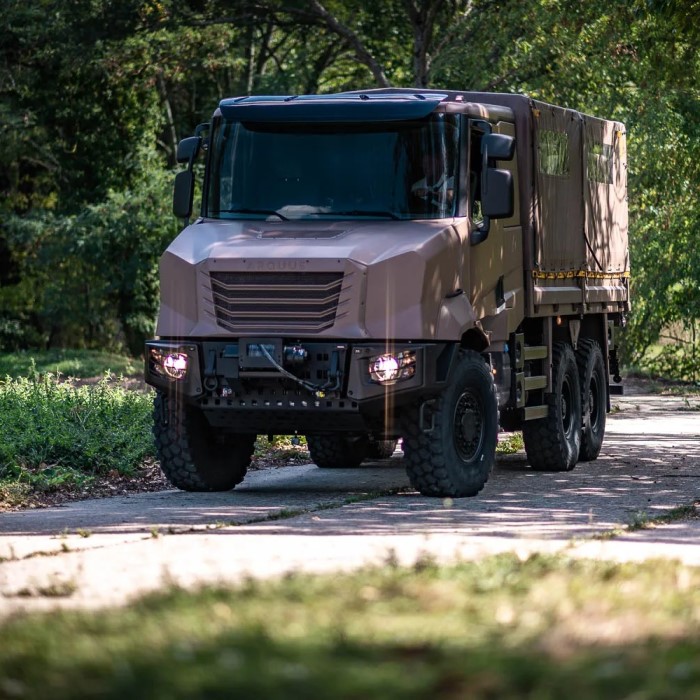
Aid trucks must drive over piles of broken concrete. Only a vehicle with heavy-duty axles and powerful engines can manage this. Additionally, these trucks often come equipped with all-wheel drive. This feature ensures that traction is maintained even on loose soil or deep mud. Mobility is not just about speed. It is about the ability to access remote areas. Therefore, these trucks serve as a lifeline. They deliver food, water, and medicine to cut-off populations. Without them, aid would sit at airports. It would never reach the victims. The versatility of these vehicles saves countless lives. They turn impossible logistics into achievable missions. Every humanitarian operation relies on this mobility. It is the foundation of successful disaster relief.
Delivering Essential Supplies to Remote Areas
The core mission of any humanitarian effort is delivering aid. Supplies like food, clean water, and medical kits are heavy. They require secure transport. A military truck offers the payload capacity needed for these tasks. Consequently, it can carry tons of supplies in a single trip. This efficiency is vital during the initial days of a crisis. Time is of the essence. Furthermore, the sheer size of these vehicles allows for the transport of oversized cargo. They can carry construction equipment to rebuild homes. They can also move generators to power hospitals. The ability to haul heavy loads distinguishes them from civilian vehicles. Moreover, the security of the cargo is paramount. In conflict zones, looting is a genuine risk.
Military trucks are designed with security in mind. Some models come with lockable, armored storage compartments. This protects the aid from theft or damage. Drivers can focus on the road. They do not need to worry constantly about the safety of their load. Additionally, the durability of these trucks means they can make repeated trips. They do not require frequent repairs. This ensures a steady stream of aid. A disrupted supply chain can cause starvation and disease. Therefore, the reliability of the transport vehicle is critical. It ensures that the supply chain remains intact. By moving large volumes quickly, these trucks stabilize chaotic situations. They bring order to disorder.
Engineering Excellence: Built for the Harshest Conditions
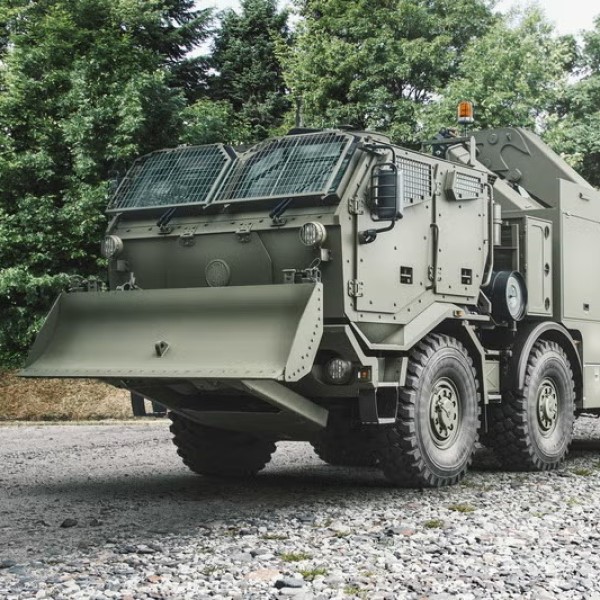
The design of a military truck is a marvel of engineering. Engineers build them to survive combat. Therefore, they can easily handle natural disasters. The chassis is reinforced with high-strength steel. This prevents the frame from twisting on rough terrain. Furthermore, the engines are designed for torque rather than speed. Torque allows the vehicle to climb steep inclines with heavy loads. It also helps in pulling other vehicles out of ditches. This power is essential in disaster zones. For instance, a flooded road can trap a relief convoy. A high-torque military truck can power through deep water. Its electrical systems are often waterproofed. Standard vehicles would stall and fail. Additionally, the tires on these trucks are specialized.
They are often run-flat tires. This means the truck can continue driving even if the tire is punctured. This capability prevents the convoy from stopping in dangerous areas. Consequently, the mission continues without delay. The engineering also focuses on simplicity. Mechanics can repair these vehicles in the field. They do not need advanced computer diagnostics. This is crucial when operating in remote regions. There are no dealerships in a disaster zone. Therefore, ease of repair ensures the fleet stays operational. This engineering excellence guarantees that aid reaches its destination. It is a combination of brute strength and intelligent design.
Adapting Military Assets for Civilian Aid
Transitioning a military truck to humanitarian use requires adaptation. These vehicles are originally built for combat. They might have mounts for weapons or armor plating. However, aid organizations modify them for peaceful purposes. For example, flatbed trucks are fitted with tanks for potable water. This converts a transport vehicle into a mobile water station. Furthermore, some trucks are modified into mobile clinics. They carry doctors and medical equipment to remote villages. This transformation is vital for public health. It brings care directly to the people. Additionally, the interior of the cargo hold changes. In a military context, it might hold troops. In a humanitarian context, it carries sacks of grain or blankets.
Organizations install climate control systems. This prevents heat-sensitive medicines from spoiling. These adaptations showcase the versatility of the platform. It is a blank canvas for logistical solutions. Moreover, the process of demilitarization is important. Removing offensive weaponry builds trust with local populations. It signals that the vehicle comes in peace. This psychological aspect is as important as the physical modifications. The community welcomes the truck as a bearer of hope. Thus, the adaptation process is thoughtful and strategic. It maximizes the utility of existing assets. It turns machines of war into vessels of peace.
Strategic Advantages in Global Relief Efforts
Using a military truck offers strategic advantages to governments and NGOs. Governments often have large fleets of these vehicles. During peacetime, they can deploye for disaster relief. This maximizes the value of the investment. It also builds goodwill between the military and civilians. Furthermore, the logistical network of the military is unmatched. They have established supply chains and communication systems. Integrating humanitarian aid into this network speeds up the response time. For example, military bases can serve as staging areas for aid. Trucks can load supplies directly from military warehouses. This eliminates the need for intermediate storage.
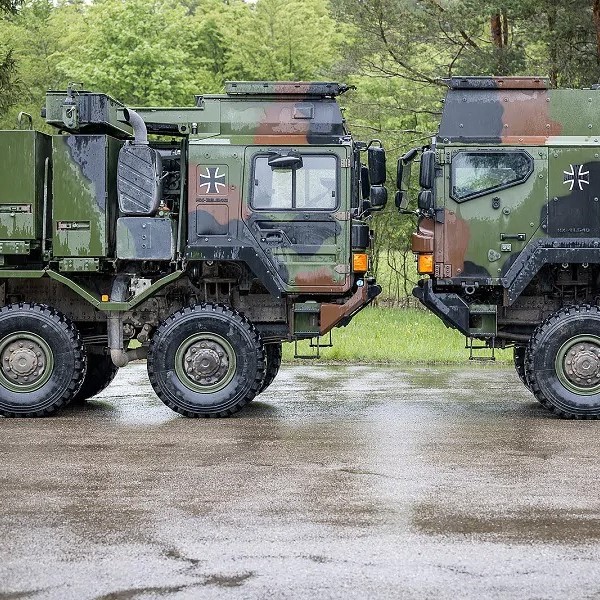
Consequently, aid reaches the affected area faster. Additionally, the presence of military trucks can provide a sense of security. In lawless areas, they deter criminal elements. Aid workers feel safer traveling in convoys. The robust appearance of the vehicles acts as a deterrent. This protection is crucial for the safety of personnel. It allows them to focus on their mission. Moreover, the global reach of military forces allows for rapid international deployment. They can fly trucks into a crisis zone on cargo planes. This rapid deployment capability is unique to military logistics.
Overcoming Logistical Challenges in the Field
Operating a military truck in the field presents unique challenges. The terrain is often treacherous. Drivers must be highly skilled. They need to understand the limitations of their vehicle. Consequently, training is a critical component of any mission. Drivers learn how to navigate mud, sand, and snow. They also learn recovery techniques. If a truck gets stuck, the crew must know how to extract it. Furthermore, fuel supply is a major logistical hurdle. These large vehicles consume significant amounts of fuel. In a disaster zone, fuel stations are often non-functional. Therefore, missions must plan fuel convoys carefully. They might need to carry fuel bladders with them. A miscalculation could leave a convoy stranded.
Additionally, maintenance in the field is difficult. Dust and dirt can clog air filters. Engines overheat in extreme heat. Mechanics work tirelessly to keep the fleet running. They often improvise repairs with limited tools. This resilience is a hallmark of humanitarian logistics. Communication is another challenge. Standard cell towers might be down. Therefore, trucks are often equipped with satellite radios. This ensures they remain in contact with base command. They can call for help if needed. Overcoming these challenges requires meticulous planning. It also requires a capable and adaptable team. The success of the mission depends on it.
The Future of Humanitarian Logistics
The role of the military truck in humanitarian aid is evolving. Technology is changing how we deliver help. Autonomous vehicles are becoming a reality. In the future, we might see driverless military trucks. They could deliver supplies to dangerous zones without risking human lives. Furthermore, electric and hybrid trucks are entering the market. These vehicles offer silent operation. This is advantageous in conflict zones where noise discipline is key. They also reduce the reliance on fossil fuels. This solves the logistical challenge of fuel transport. Additionally, advanced materials are making trucks lighter and stronger. This increases their payload capacity. It also improves fuel efficiency.
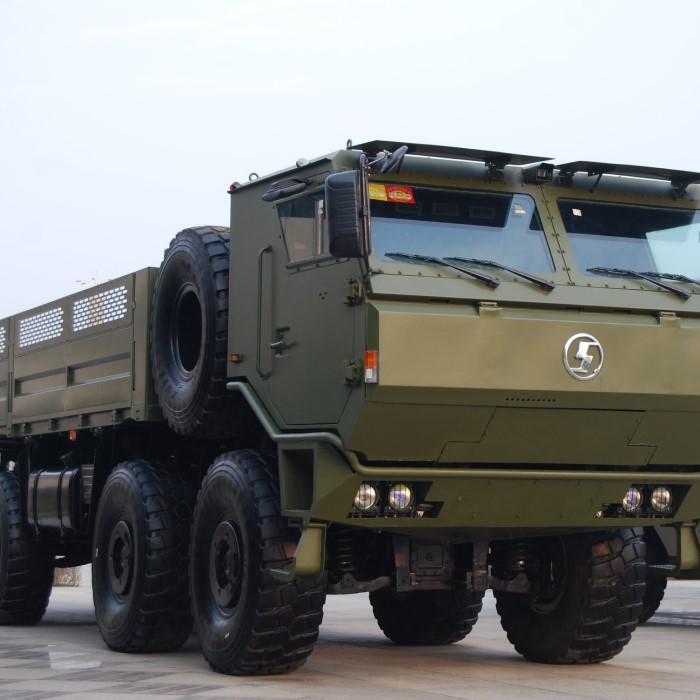
Another trend is the use of data analytics. Logistics teams can track trucks in real-time. They can predict maintenance needs before a breakdown occurs. This proactive approach minimizes downtime. Consequently, the supply chain becomes more reliable. The integration of drones is also significant. Trucks can launch drones to scout routes ahead. They can also use drones to deliver small packages. This multi-modal approach enhances the reach of aid. The future is about connectivity and efficiency. The military truck will remain the backbone of logistics. However, it will be smarter and more capable. It will continue to adapt to the needs of a changing world.
Frequently Asked Questions
There is much curiosity regarding these powerful machines. Below are answers to some of the most common questions regarding military trucks and their usage.
What are the military trucks called?
Military trucks have various names depending on their function and design. They are often referred to by their model designation, such as the HMMWV (Humvee) or the MTVR. Generally, they fall into categories like tactical trucks, cargo trucks, or transport trucks. Each specific model has a unique name and designation within the armed forces.
What are the top 3 trucks?
Identifying the top military trucks is subjective, but three stand out globally. The Oshkosh MTVR is highly regarded for its off-road capability. The AM General HMMWV is an icon of modern military mobility. The Krauss-Maffei Wegmann (KMW) Dingo is also top-rated for its advanced protection features. These three are renowned for reliability and performance.
How heavy is a 5 ton military truck?
Despite the name, a “5-ton” military truck can often carry much more. The term originally referred to the off-road payload capacity. The curb weight of such a truck is typically around 20,000 pounds. When fully loaded with cargo and equipment, the gross vehicle weight can exceed 30,000 pounds. These are massive, heavy-duty machines.
What are the old Army trucks called?
Old Army trucks often go by iconic nicknames or model names. The “Deuce and a Half” is a famous term for the M35 series of 2.5-ton trucks. The “Jeep” was the legendary lightweight vehicle of World War II. The “Gamma Goat” was another unique vehicle from the Vietnam era. These vehicles hold a special place in military history.
Conclusion
Humanitarian missions demand the highest level of reliability and strength. The military truck provides exactly that. It serves as the backbone of disaster relief efforts worldwide. We have explored how these vehicles navigate the impossible. They deliver hope where it is needed most. From their rugged engineering to their strategic advantages, they are indispensable. They transform chaos into order. They bring life-saving supplies to the doorsteps of the suffering. As we look to the future, their role will only grow. Technological advancements will make them even more effective. They will continue to evolve alongside humanitarian strategies. Understanding their value is key to appreciating global aid efforts.
This article has covered various aspects of these incredible machines. We discussed the military truck models and specifications that set the standard for durability. We also highlighted why they are the best military trucks for off-road use in critical missions. For operators, we shared military truck maintenance tips and guides to ensure safety. Furthermore, we examined military truck procurement and purchasing options for organizations looking to build their fleets. Finally, we touched upon the importance of military truck accessories and upgrades for specialized tasks. The legacy of the military truck is one of service and resilience. It remains a beacon of hope in the darkest of times.
Leave a Reply