Your car’s fuel system has many small parts. One part is the fuel pressure relief valve. It plays a key role. It controls pressure inside the fuel rail. Without it, the system could fail. This valve keeps fuel flow steady. It protects other parts from damage. Today, we will answer common questions. We will focus on fuel pressure valve function. We will also explain fuel pressure relief valve symptoms. Finally, we will talk about fuel pressure relief valve replacement and how to install a fuel pressure relief valve. We even cover fuel pressure valve for diesel engines. Let us help you understand this important component better.
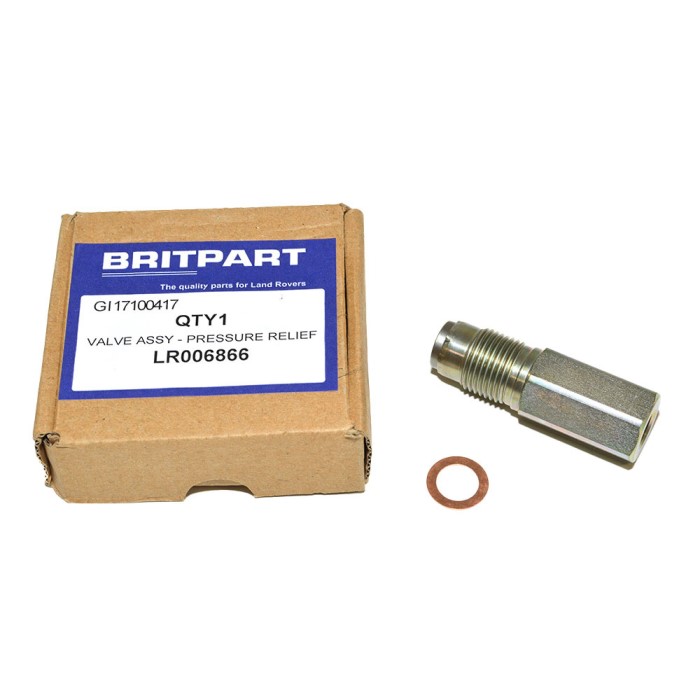
What Is a Fuel Pressure Relief Valve?
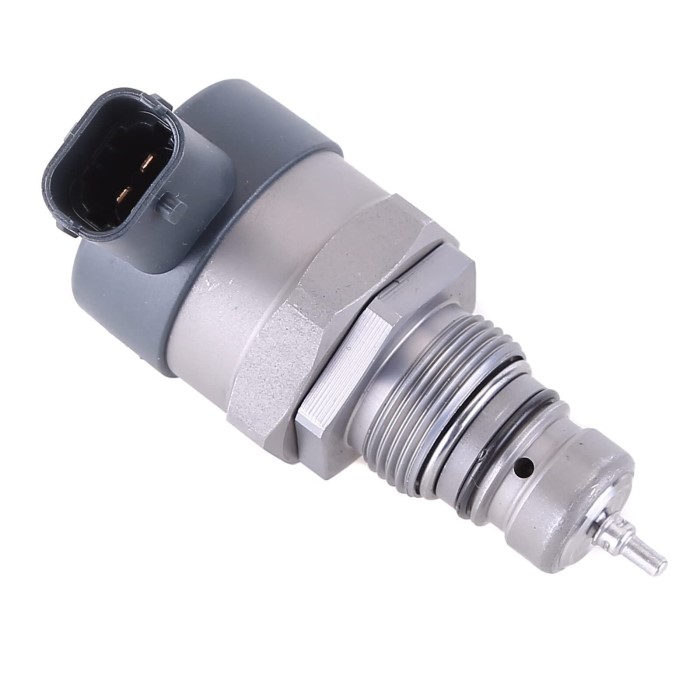
A fuel pressure relief valve is a small mechanical part. It sits inside the fuel system. Its main job is safety. It prevents pressure from getting too high. When pressure exceeds a limit, the valve opens. It releases extra fuel. This fuel returns to the tank. This action lowers the pressure. It protects the injectors and the fuel pump. Many modern cars use this valve. It is often near the fuel rail. You can find it on both gasoline and diesel engines. Its design is simple but effective.
The valve uses a spring and a seal. The spring holds the valve closed. Fuel pressure pushes against the spring. Normal driving keeps the valve shut. High pressure opens it. This keeps the system safe. A broken valve can cause big problems. For example, it might leak. Or it might stay stuck closed. Then pressure builds up too much. This damages parts. Fuel pressure relief valve function is critical. Therefore, regular checks help avoid trouble.
How Does a Fuel Pressure Relief Valve Work?
This valve works like a pressure gate. It opens only when needed. Let us break down the process step by step. First, the fuel pump sends fuel to the engine. The fuel rail stores this fuel under pressure. The relief valve monitors this pressure. It stays closed during normal operation. Second, if pressure gets too high, the valve opens. Excess fuel flows back to the tank. This reduces the pressure. Third, after pressure drops, the valve closes again. This cycle repeats many times. It happens every time you drive.
Some valves work mechanically. Others use electronic signals. Mechanical ones rely on spring tension. Electronic ones use a sensor and a computer. Both types do the same job. They keep pressure in a safe range. Manufacturers set the exact pressure limit. This limit varies by engine type. For instance, a diesel engine needs higher pressure. A gasoline engine needs lower pressure. Fuel pressure valve for diesel engines often handles 20,000 psi or more. Gasoline valves handle around 50 to 60 psi. So the valve design changes based on the fuel type.
What Does a Fuel Pressure Relief Valve Do?
This is a very common question. The answer is straightforward. The valve protects the fuel system. It stops pressure from reaching dangerous levels. Imagine a closed pipe with water. If you keep adding water, pressure rises. The pipe might burst. The relief valve acts like a safety vent. It prevents a burst. In a car, the same idea applies. High pressure can damage injectors. It can also harm the fuel pump. The valve stops this damage.
Additionally, the valve helps maintain steady fuel flow. When pressure stays constant, the engine runs smoothly. The air-fuel mixture stays correct. This improves performance and fuel economy. Fuel pressure valve function also includes protecting seals. Seals can blow out under high pressure. The valve prevents leaks. Overall, it keeps the system safe. Every driver benefits from this simple device. Without it, your car would face serious risks.
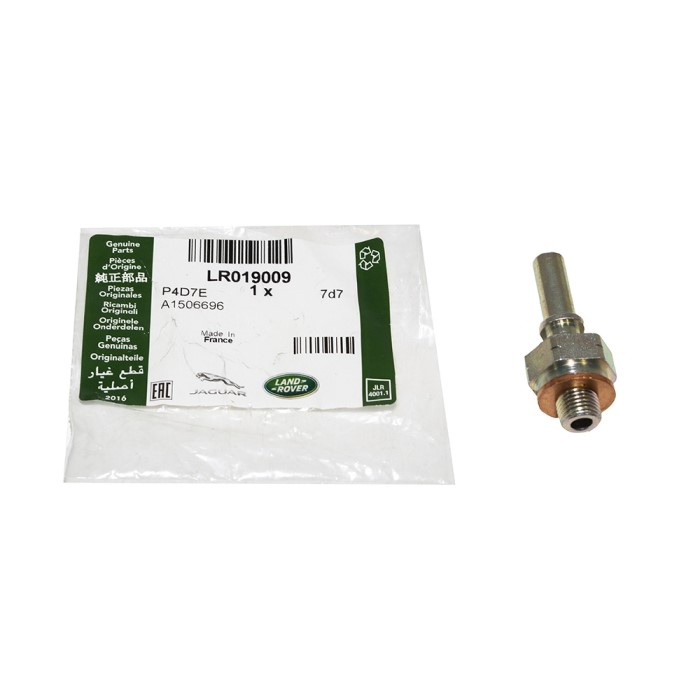
What Are the Symptoms of a Bad Fuel Pressure Relief Valve?
Drivers often ask about symptoms. A bad valve shows clear signs. You can notice them easily. Here are the most common fuel pressure valve symptoms:
- Engine performance issues: The car may hesitate during acceleration. It might feel sluggish. Or it could stall at stops. These problems happen because pressure is wrong.
- Fuel leaks: A stuck open valve causes leaks. You might smell fuel near the engine. Or you see puddles under the car. Leaks are dangerous. They pose a fire risk.
- Check engine light: The engine computer detects pressure problems. It turns on the warning light. A diagnostic code will point to the fuel system.
- Poor fuel economy: When the valve fails, pressure drops. The injectors cannot spray fuel correctly. This wastes fuel. Your mileage drops noticeably.
- Hard starting: The engine may crank slowly. It might not start at all. Low pressure prevents fuel from reaching the cylinders. This makes starting difficult.
These symptoms match different failure modes. For example, a stuck open valve causes low pressure. A stuck closed valve causes high pressure. Both are bad. You should act quickly. Ignoring the problem leads to worse damage. Fuel pressure relief valve replacement is often the solution. It is a simple fix.
What Is the Pressure Relief Valve on a Fuel Pump?
Some cars have the relief valve built into the fuel pump. This is common in modern designs. The pump itself contains the valve. This saves space. It also keeps the system compact. The valve works the same way. It releases excess fuel back to the tank. The pump pushes fuel forward. The valve controls the pressure. It ensures the pump runs safely.
Why put the valve inside the pump? There are two reasons. First, it reduces the number of external parts. This lowers cost. Second, it simplifies installation. The pump and valve become one unit. For repairs, you replace the whole pump. This is more common on gasoline engines. How to install a fuel pressure valve depends on location. If it is part of the pump, you change the pump. If it is separate, you change only the valve. Always check your car’s design. The repair manual helps.
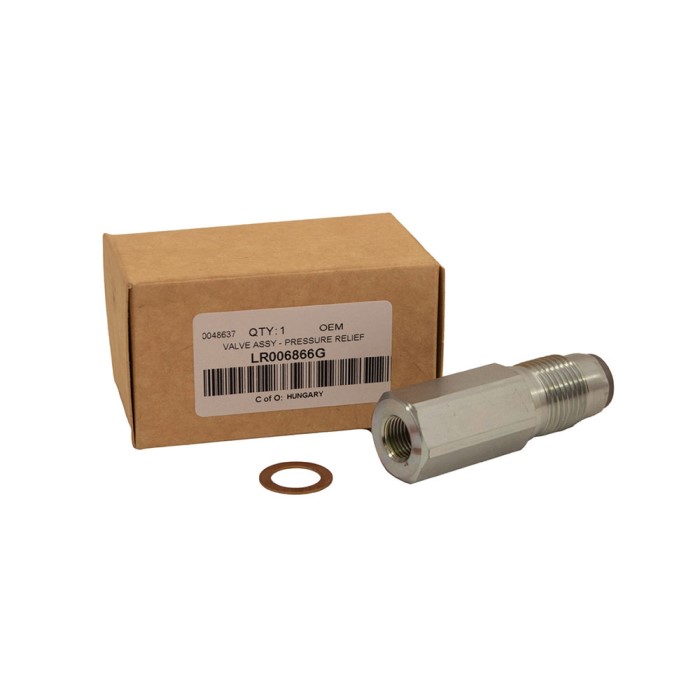
What Are the Signs of a Faulty Pressure Relief Valve?
Drivers often confuse these signs with other issues. Let us clarify. A faulty valve has specific indicators. We already listed some. But here are more details. You might notice a high-pitched whine from the fuel tank. This noise comes from the pump working too hard. The pump cannot build pressure. So it runs faster. The sound is clear. Another sign is black smoke from the exhaust. This happens with diesel engines. Too much fuel enters the cylinders. The excess fuel burns poorly. Smoke appears.
You can also check the fuel pressure with a gauge. A professional mechanic does this test. The gauge shows the pressure reading. Low pressure points to a stuck open valve. High pressure points to a stuck closed valve. Both are bad. Fuel pressure relief valve symptoms are not hard to spot. Pay attention to changes. Your car tells you when something is wrong. Early detection saves money. It prevents bigger repairs.
How to Diagnose a Fuel Pressure Relief Valve Problem
Diagnosis is simple with the right tools. First, get a fuel pressure gauge. Attach it to the test port on the fuel rail. Start the engine. Read the pressure. Compare it to the manufacturer’s spec. If the reading is low, the valve might be open. If it is high, the valve might be stuck closed. Second, listen for abnormal sounds. A hissing noise near the fuel rail could mean leaking. Third, check for fuel smell. This is a clear indicator of a leak.
For diesel engines, diagnosis is slightly different. Diesel systems use much higher pressure. You need a special gauge. Also, check the return line. A faulty valve causes excess fuel flow. The return line gets very hot. You can feel the temperature. Fuel pressure relief valve for diesel engines can fail due to contamination. Dirty fuel damages the valve. Therefore, replace the fuel filter first. It might solve the problem. Always follow safety steps. Fuel is flammable. Work in a well-ventilated area.
How to Install a Fuel Pressure Relief Valve
Installation is not too hard. But you need some mechanical skill. Here is a basic guide for how to install a fuel pressure valve:
- Safety first: Disconnect the battery. Release fuel system pressure. Wear safety glasses. Work in a well-ventilated area.
- Locate the valve: Find it on the fuel rail or pump. Use your repair manual for exact location.
- Remove the old valve: Use pliers or a socket. Unbolt it gently. Catch any dripping fuel with a rag.
- Clean the area: Wipe the mounting surface. Remove dirt and debris. A clean surface prevents future leaks.
- Install the new valve: Place a new O-ring or seal. Screw the valve in place. Tighten it to the correct torque. Do not overtighten. This can damage the threads.
- Reconnect the system: Reattach the battery. Start the engine. Check for leaks. Monitor the pressure gauge.
This process works for most cars. For fuel pressure relief valve replacement, follow the same steps. Always use a quality part. Cheap valves fail quickly. OEM parts are best. They fit perfectly. If you are unsure, ask a mechanic. Fuel pressure relief valve function depends on proper installation. Take your time.
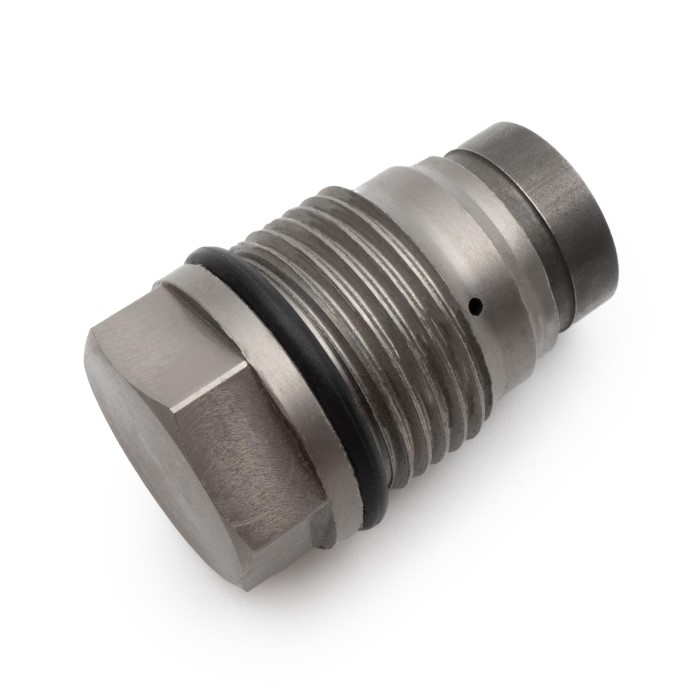
Diesel Engines
Diesel engines have unique requirements. They use high-pressure common rail systems. These systems need precise fuel delivery. The fuel pressure valve for diesel engines is more robust. It handles pressures up to 30,000 psi. The valve is often made of hardened steel. It resists wear and heat. Diesel fuel is also lubricating. This helps the valve last longer.
Symptoms are similar to gasoline engines. But diesel owners might notice rough idling. Or they see white smoke from the exhaust. This indicates unburned fuel. Another sign is a loss of power. The engine cannot accelerate properly. Fuel pressure relief valve symptoms for diesel include these issues. Fuel pressure relief valve replacement on a diesel may cost more. The part is usually more expensive. Professional installation is recommended. The high pressure is dangerous. A mistake can cause injury.
Common Causes
Valves do not fail often. But certain factors lead to failure. Here are common causes:
- Contamination: Dirt, rust, or debris enters the fuel. This damages the valve seat. It causes leaks or sticking. Always use clean fuel.
- Wear over time: The spring weakens after many cycles. The seal dries out. This is normal aging. Replace the valve after 100,000 miles.
- Heat damage: Excessive engine heat affects the valve. The seal cracks. The valve stops working. Keep the engine cool.
- Improper maintenance: Skipping fuel filter changes allows debris to travel. This damages the valve. Follow the service schedule.
Prevention is easy. Fuel pressure relief valve function stays reliable with regular care. Use quality fuel. Change filters on time. Listen to your car. If you notice fuel pressure relief valve symptoms, act fast. Early replacement saves the fuel system. How to install a fuel pressure relief valve correctly prevents future issues.
Conclusion
We covered everything about the fuel pressure relief valve. This small part is very important. It protects your fuel system. It ensures safe operation. Fuel pressure relief valve function controls pressure. Fuel pressure relief valve symptoms warn you of problems. You learned about fuel pressure relief valve replacement and how to install a fuel pressure valve. We also discussed fuel pressure relief valve for diesel engines. Now you can identify issues. You can take the right steps. Check your car regularly. Listen for unusual sounds. Smell for fuel leaks. These simple actions help. Keep your engine running smoothly. Maintain your fuel system. It will last longer. Stay safe on the road.
Leave a Reply