Understanding the Meaning Behind the Evil Eye Pendant
The evil eye pendant has long served as a symbol of protection across many cultures. It is worn to guard against negative energy and ill intentions. People believe that jealousy or envy can send harmful glances. These “evil eyes” may bring bad luck or misfortune. The evil eye pendant works by absorbing or deflecting such forces.
Wearers often feel safer when they carry this charm. Its presence offers comfort in uncertain times. Some view it as spiritual armor. Others see it as a reminder to stay positive. Regardless of belief, the evil eye pendant holds emotional value. It connects individuals to tradition and personal safety.
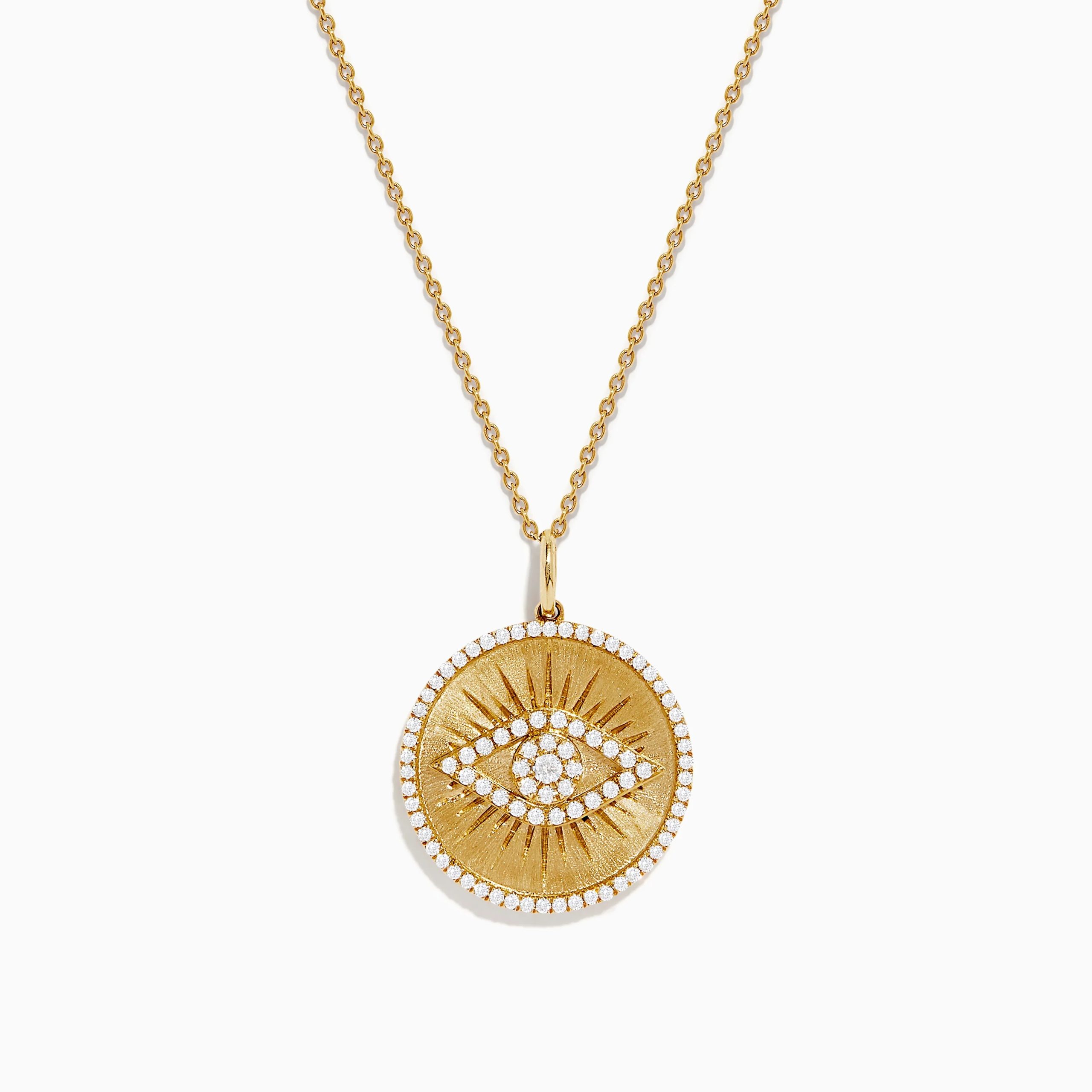
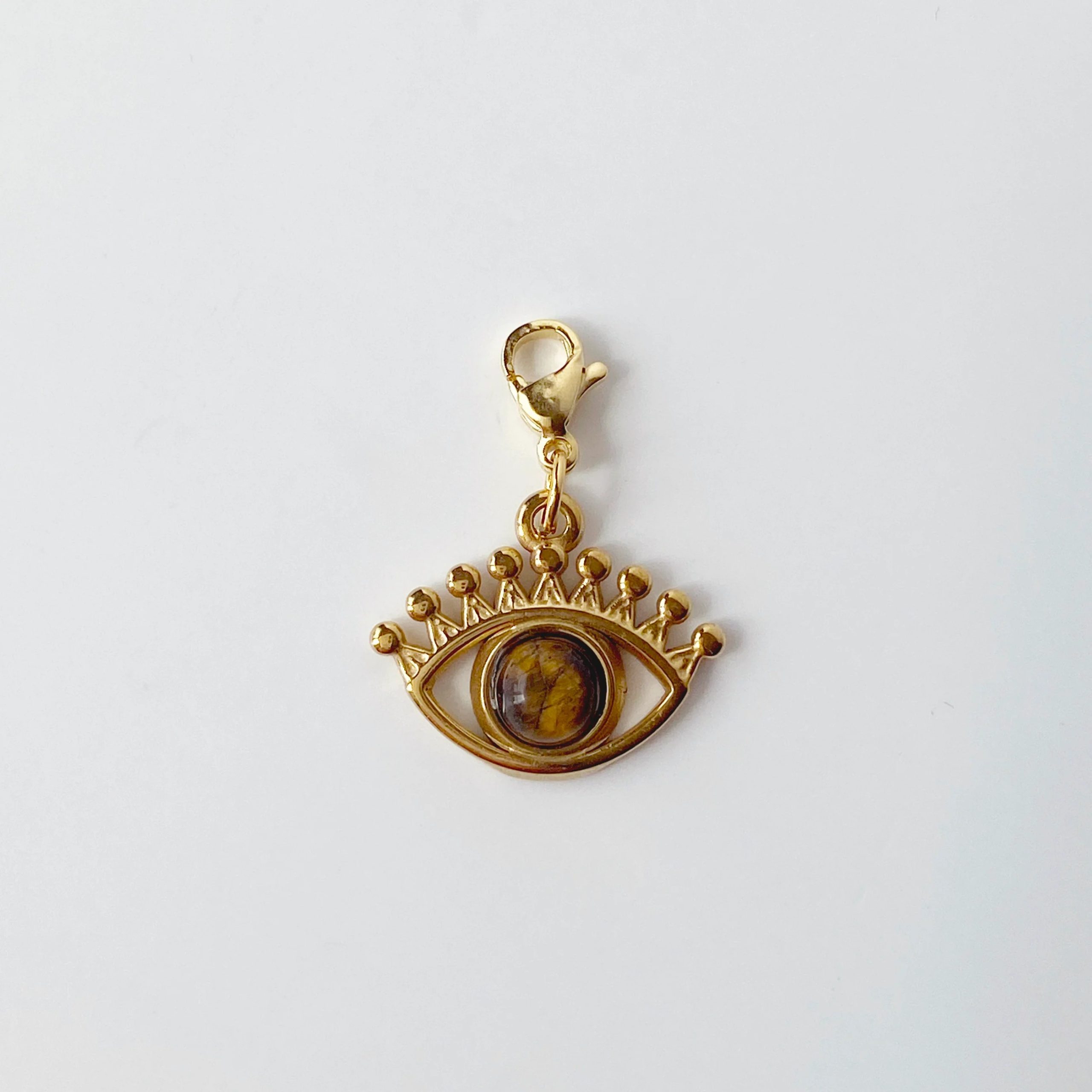
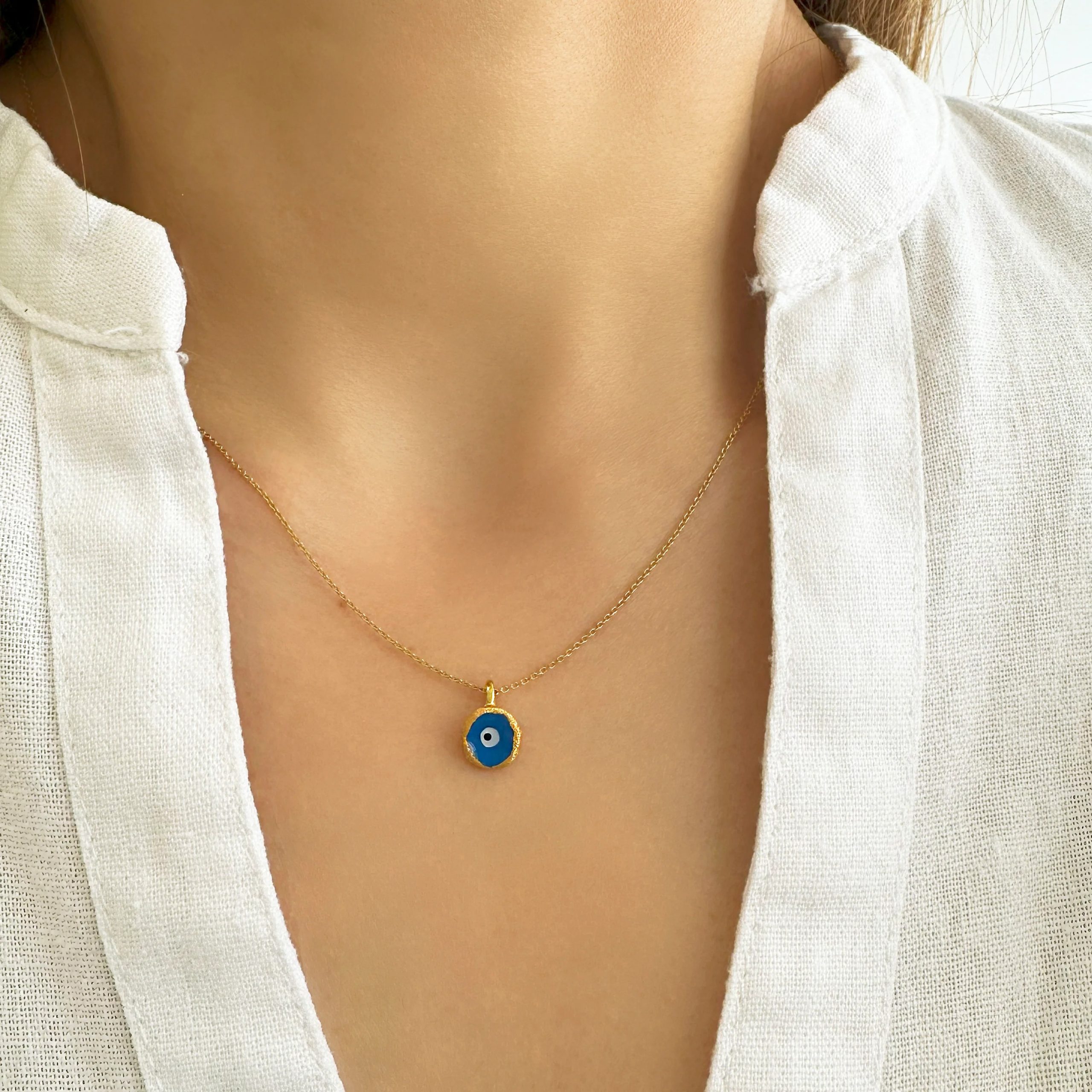
Additionally, the evil eye pendant appears in various forms. Blue and white versions are most common. They mimic the look of a human eye. But green, red, and black styles also exist. Each color carries its own meaning. Design differences reflect regional customs and beliefs.
 Origins and Historical Significance
Ancient Roots in Mediterranean Beliefs
The idea behind the pendant dates back thousands of years. Early records appear in ancient Greece and Rome. People feared curses delivered through sight. Amulets shaped like eyes were placed on homes, ships, and children. These objects aimed to confuse or repel negative gazes.
Archaeologists have found pendant-like charms in ruins across Turkey, Greece, and Italy. Glass beads with concentric circles resemble eyes. They were buried with the dead or hung in marketplaces. Protection was needed everywhere—public and private spaces alike.
Over time, these symbols became part of daily life. Mothers pinned them onto baby clothes. Fishermen attached them to boats before sailing. The pendant evolved from superstition into cultural practice. Even non-religious people adopted it for tradition’s sake.
Spread Through Trade and Migration
As civilizations interacted, so did their beliefs. Traders carried amulets along caravan routes. Settlers brought the evil eye pendant to new lands. It appeared in parts of Africa, South Asia, and the Middle East. Local artisans began crafting their own versions.
In Turkey, the Nazar boncuğu became iconic. This blue-and-white glass charm is still made today. Families hang large ones above doorways. Smaller versions become jewelry. The evil eye pendant remains deeply embedded in Turkish identity.
Similarly, in India, the concept merged with Hindu and Islamic traditions. Women wear bangles with embedded eyes. Children receive bracelets at birth. The evil eye pendant adapted to local aesthetics. Yet its core purpose stayed unchanged—warding off harm.
 Symbolism and Spiritual Protection
How the Evil Eye Pendant Deflects Negative Energy
Many believe the evil eye pendant acts like a mirror. It reflects jealousy back to the source. Instead of harming the wearer, the negative glance rebounds. This stops bad intentions from taking effect. The charm essentially tricks malicious energy.
Others think it absorbs harm until it breaks. Once damaged, it has fulfilled its role. Replacing it restores protection. Some report feeling uneasy before discovering a cracked evil eye pendant. This coincidence strengthens faith in its power.
Faith plays a major role in effectiveness. Believers find peace knowing they are guarded. Doubters may still wear it for style. Either way, the evil eye pendant serves as both fashion and function. Its dual nature makes it widely accepted.
Connection to Mindset and Emotional Wellbeing
Beyond physical protection, the evil eye pendant supports mental health. It reminds wearers not to fear judgment. Confidence grows when one feels shielded. Social anxiety lessens with symbolic support.
It also encourages mindfulness. Touching the evil eye pendant brings focus to the present. During stress, this small action grounds emotions. Like a talisman, it becomes a tool for inner calm.
Some use it during life changes. Moving cities, starting jobs, or entering relationships involve risk. The evil eye pendant eases transition fears. It symbolizes readiness and resilience. Hope replaces worry.
 Materials and Craftsmanship
Traditional vs. Modern Manufacturing Methods
Handmade pendants remain popular in artisan markets. Skilled crafters shape glass beads using age-old techniques. Each piece shows slight variation. Imperfections add character and authenticity.
These traditional methods preserve cultural heritage. Families pass down recipes for glass mixtures. Colors come from natural minerals. Cobalt creates blue; sulfur adds yellow tones. The process honors ancestral knowledge.
Modern production uses machines for consistency. Factories mass-produce identical pendants. Lower prices make them accessible worldwide. However, some lack the soul of handmade items. Buyers must choose based on values and budget.
Metals, Chains, and Design Variations
The evil eye pendant attaches to various chains and settings. Sterling silver frames enhance elegance. Gold plating adds luxury without high cost. Titanium options suit those with sensitive skin.
Chains range from delicate to bold. Cable, box, and snake links each offer different drape. Length affects visibility. Shorter necklaces keep the pendant near the heart. Longer ones allow layering with other jewelry.
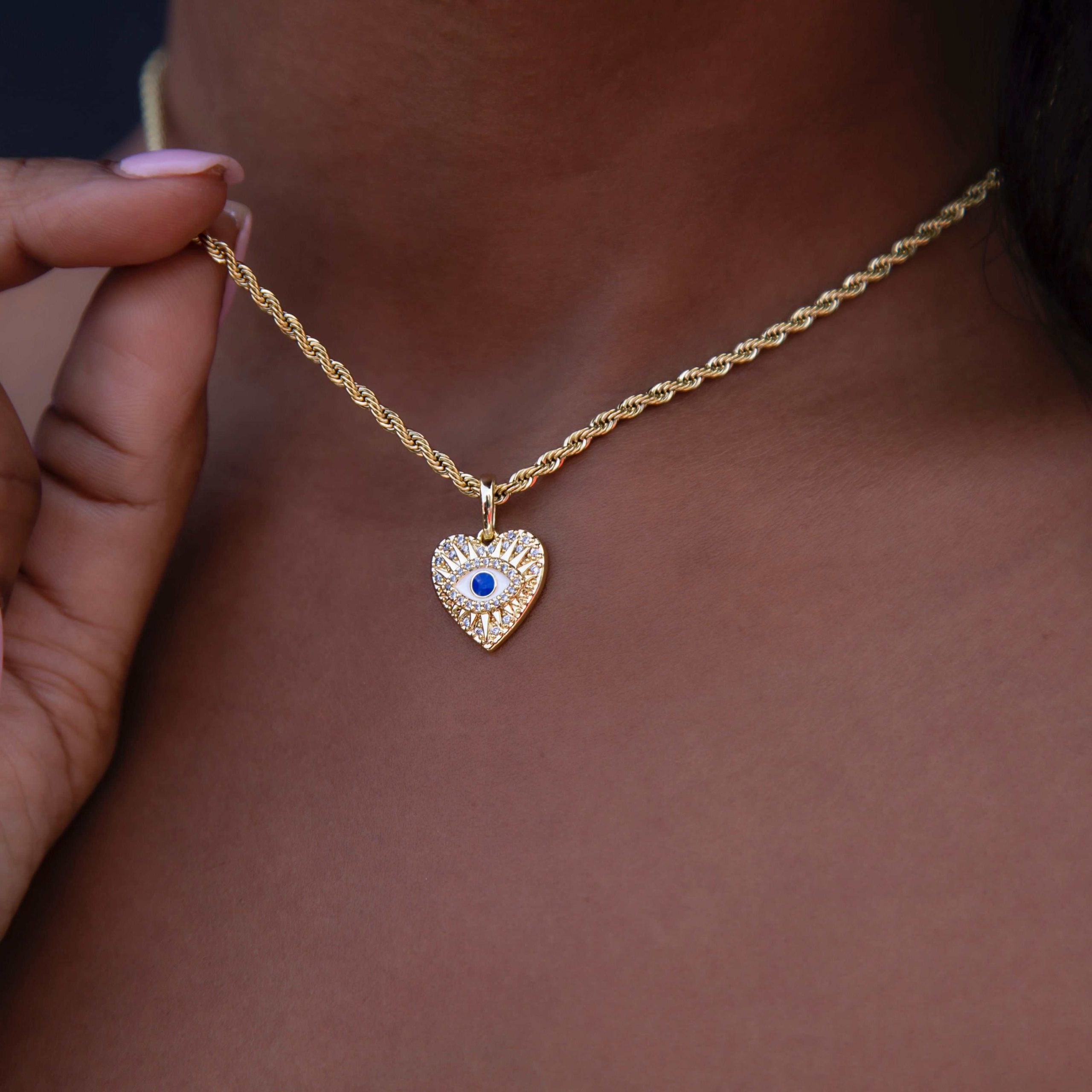
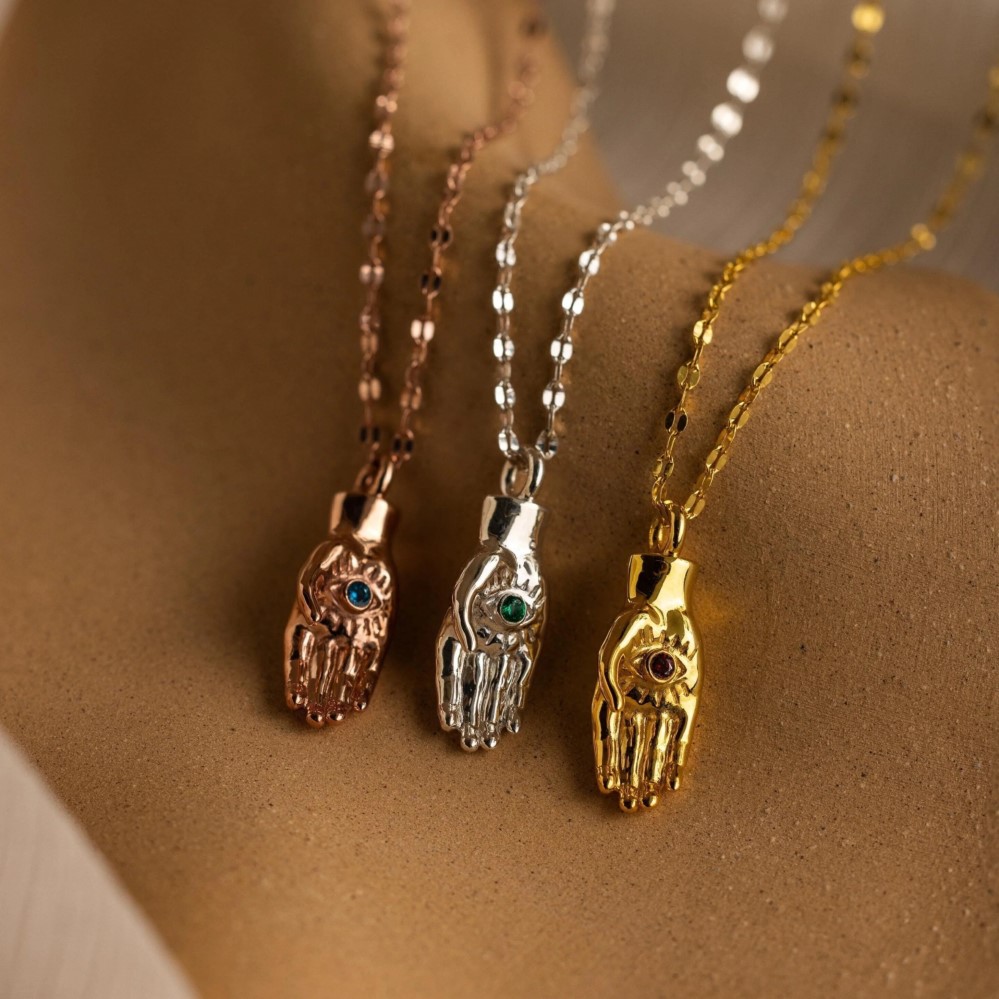
Designs now include gemstone accents. Tiny crystals surround the eye for extra sparkle. Enamel fills details for vivid color. Some feature multiple eyes in one piece. Innovation keeps the pendant fresh and relevant.
Styling the Pendant in Everyday Fashion
Casual Wear and Daily Inspiration
The evil eye pendant fits easily into everyday outfits. Pair it with t-shirts and jeans for subtle symbolism. Let it peek out from under collars or scarves. Its presence stays understated yet meaningful.
Choose minimalist versions for office environments. Small pendants avoid distraction. Colleagues may notice and ask about its meaning. This opens conversations about culture and belief.
Layering works well too. Combine the pendant with simple chains. Avoid overcrowding the neckline. One focal point keeps the look balanced. Mix metals if desired—fashion rules are flexible.
Formal and Ceremonial Occasions
For weddings, graduations, or religious events, go bolder. Select an ornate evil eye pendant with intricate detailing. Match it to earrings or bracelets for a coordinated set. Shine draws attention in positive ways.
Brides sometimes include the evil eye pendant in veils or hair accessories. It protects during major life shifts. Guests may gift matching ones as tokens of goodwill. Shared symbols strengthen community bonds.
Evening gowns pair beautifully with statement pieces. A large evil eye pendant contrasts elegant fabrics. Silk, satin, and lace highlight its shape. Wear it confidently—it tells a story of strength and care.
Cultural Adaptations Around the World
Regional Differences in Design and Use
Each region interprets the pendant uniquely. In Greece, it’s called “mati.” Fishermen paint it on boat prows. Homes display it near entrances. Protection extends beyond personal wear.
In Lebanon and Syria, mothers pin cloth versions on infants. They believe newborns attract envious looks. The evil eye pendant shields vulnerable lives. This practice continues today.
Mexico embraces the concept through Ojo Malo traditions. Handcrafted alebrijes—colorful spirit animals—often feature eyes. While not identical, they serve similar protective roles. The pendant finds parallels globally.
Influence on Contemporary Pop Culture
Celebrities have boosted the evil eye pendant’s visibility. Stars wear them at red carpet events. Paparazzi photos spread the trend worldwide. Fans rush to copy celebrity styles.
Music videos frequently show artists touching or highlighting the pendant. Lyrics reference protection and intuition. Visual storytelling reinforces its relevance. Pop culture gives it modern appeal.
Fashion brands now feature it in seasonal collections. Runway models walk with layered chains. Editorials describe it as both mystical and stylish. The pendant moves from niche to mainstream.
Where to Buy Authentic Pendants
Online Retailers and Trusted Sellers
E-commerce platforms host countless evil eye pendant options. Websites dedicated to spiritual goods curate authentic pieces. Read customer reviews carefully. Look for detailed product descriptions.
Etsy supports independent artisans crafting genuine items. Buyers message sellers directly. Custom requests are possible. Limited runs ensure uniqueness. Supporting small businesses fosters ethical commerce.
Amazon and department store sites offer convenience. Filters sort by price, material, and rating. Return policies protect purchases. Be cautious of cheap imitations lacking symbolic depth.
Physical Stores and Specialty Boutiques
Jewelry shops provide hands-on experiences. Try different sizes and weights. Feel how the pendant drapes on your neck. Staff offer pairing suggestions based on your wardrobe.
Spiritual stores often stock meaningful versions. Crystals shops combine the pendant with healing stones. Knowledgeable staff explain origins and uses. These spaces foster deeper understanding.
Pop-up markets at festivals attract curious buyers. Live demonstrations show making processes. Meet creators face-to-face. Tangible interaction increases trust in craftsmanship. Immediate ownership avoids waiting.
 Frequently Asked Questions
Can men wear an evil eye pendant?
Yes, men can confidently wear an pendant. Gender does not limit protection. Many male celebrities and athletes wear one. Designs with leather cords or angular settings suit masculine tastes.
Choose darker colors like black, gray, or deep blue. Opt for larger sizes or metal-only builds. Wear it over casual shirts or under open collars. Confidence defines style more than gender norms.
Is the evil eye pendant religious?
Not necessarily. While linked to some faiths, it transcends religion. Many secular people wear the evil eye pendant. They value it for culture or psychology rather than doctrine.
Muslims, Christians, and Jews have used it historically. It appears in homes and clothing across denominations. Interfaith acceptance makes it widely inclusive. Belief level is a personal choice.
How do I cleanse my evil eye pendant?
Cleansing removes absorbed negativity. Place it under running water briefly. Dry thoroughly afterward. Some prefer moonlight—leave it outside during full moons.
Smudging with sage clears energy fields. Pass the pendant through smoke gently. Sound therapy works too—use singing bowls or bells nearby. Regular cleansing maintains its power.
When should I replace my evil eye pendant?
Replace it if cracked, faded, or broken. Damage may mean it has taken on too much harm. Some believe it sacrifices itself to protect you. Honor its service by retiring it respectfully.
Even without damage, update every few years. Life changes require renewed symbols. Old pendants can be buried or gifted. Replacement marks growth and continued care.
 Embracing Protection and Identity with the Evil Eye Pendant
The evil eye pendant remains a powerful emblem of safety and self-awareness. It bridges ancient wisdom with modern living. Whether worn for faith, fashion, or family tradition, it holds deep significance. Its circular form echoes eternity and watchfulness.
More than decoration, the evil eye pendant represents intention. It declares a desire for peace and balance. Wearers carry a legacy of resilience across generations. In every glance, there is strength. And in every chain, a promise of protection.
Leave a Reply