Understanding the Symbolism Behind a Tree of Life Pendant
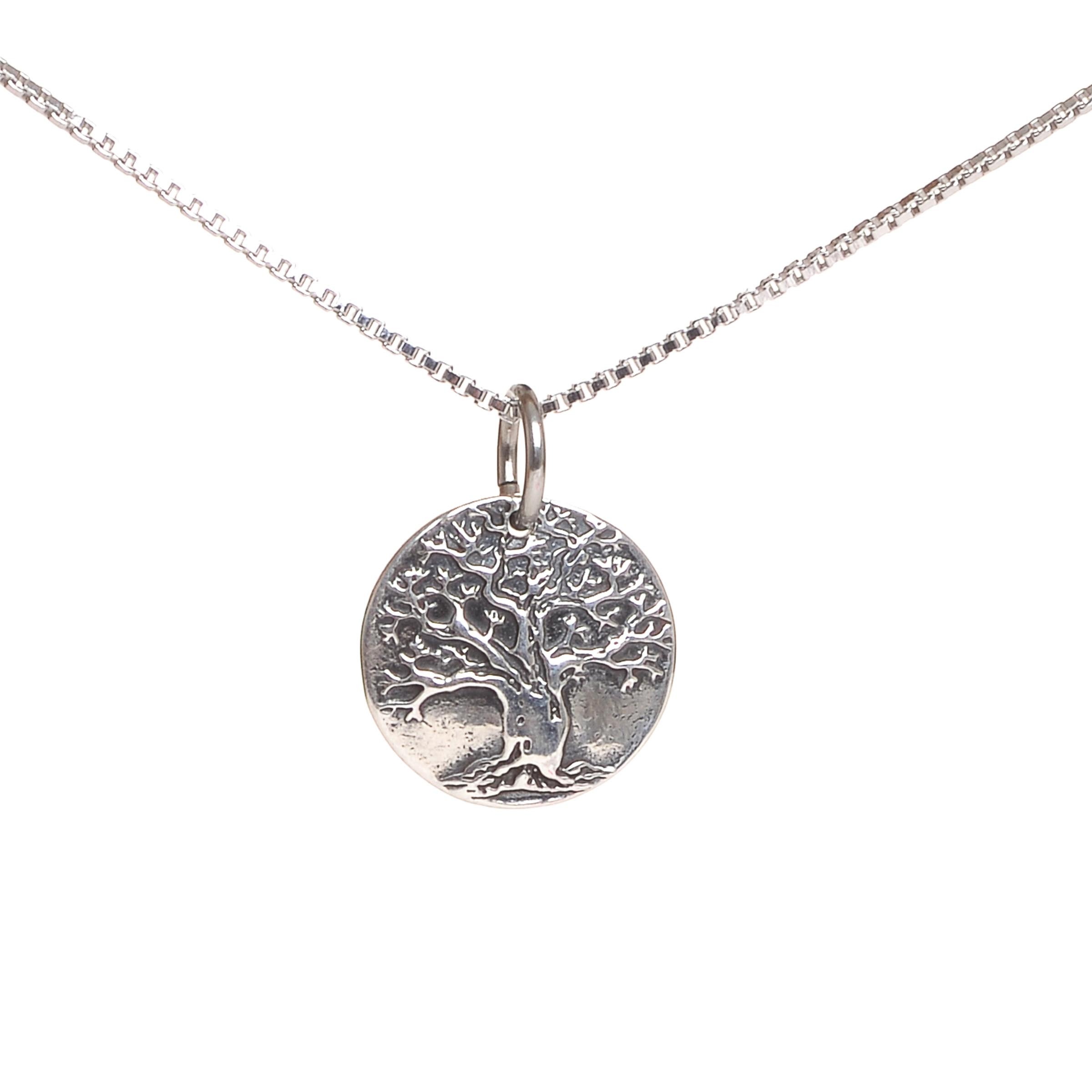
A tree of life pendant carries powerful symbolism across cultures. It represents connection, growth, and balance. The roots dig deep into the earth. The branches reach high toward the sky. This duality reflects the link between physical and spiritual worlds. Wearers often choose it to honor that unity.
The design shows interwoven limbs and roots. No part exists in isolation. Each section supports the whole. This mirrors human relationships. Families grow from shared roots. Friendships form strong branches. A tree of life pendant celebrates these bonds. It reminds us we are never truly alone.
In many belief systems, trees symbolize wisdom and longevity. Ancient Celts saw them as sacred beings. They believed spirits lived within oak and ash trees. Norse mythology features Yggdrasil, the world tree. It connects nine realms of existence. The tree of life pendant draws from such myths. It turns ancient stories into wearable art.
Additionally, the tree of life pendant stands for personal development. Just as trees grow through seasons, people evolve. Spring brings new ideas. Summer allows strength to build. Autumn teaches release. Winter offers rest and reflection. Wearing this pendant marks life’s cycles. It honors both struggle and renewal.
 Cultural and Spiritual Roots
Various traditions embrace the tree of life image. In Christianity, it appears in the Book of Genesis. It stands in the Garden of Eden. Later, it reappears in Revelation as a healer. The tree of life pendant may reflect this biblical journey. Faith and restoration become visible.
Islamic art often includes stylized trees. Though not literal, they represent divine order. The Tree of Immortality is mentioned in the Quran. Some interpretations link it to paradise. A tree of life pendant can honor this idea quietly. It serves as a personal reminder of eternal peace.
Jewish mysticism features the Kabbalistic Tree of Life. It has ten spheres connected by paths. These represent divine attributes like wisdom and compassion. Practitioners meditate on its structure. A tree of life pendant may simplify this complex system. It makes spirituality accessible.
In African cultures, baobab and acacia trees hold sacred status. Villages gather under them for meetings. Elders pass down stories near their trunks. These trees symbolize community and memory. A tree of life pendant pays tribute to ancestral wisdom. It keeps tradition alive.
Native American beliefs also revere trees. The cedar protects. The birch signals new beginnings. Totem poles sometimes include tree forms. They tell tribal histories. A tree of life pendant may echo these values. Nature and identity merge in design.
Similarly, Hinduism sees trees as homes of gods. The banyan tree is especially holy. Its vast canopy represents the universe. Some wear a tree of life pendant to channel this energy. It promotes grounding and awareness. Spirituality becomes portable.
Materials Used
Most tree of life pendants are made from metals. Sterling silver is widely used. It offers a bright, clean finish. Silver works well for fine engravings on branches. It suits sensitive skin when properly plated. Many prefer it for everyday wear.
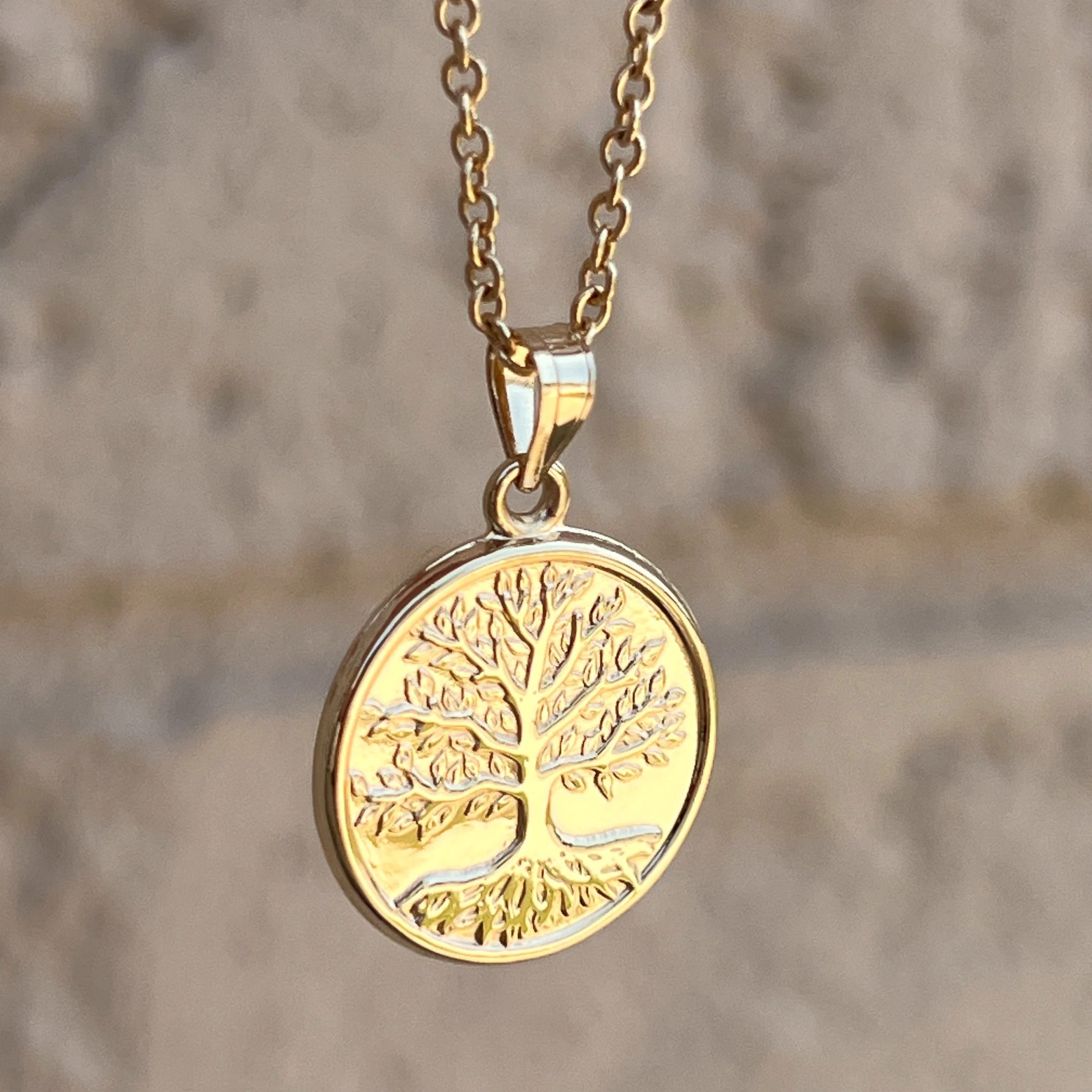
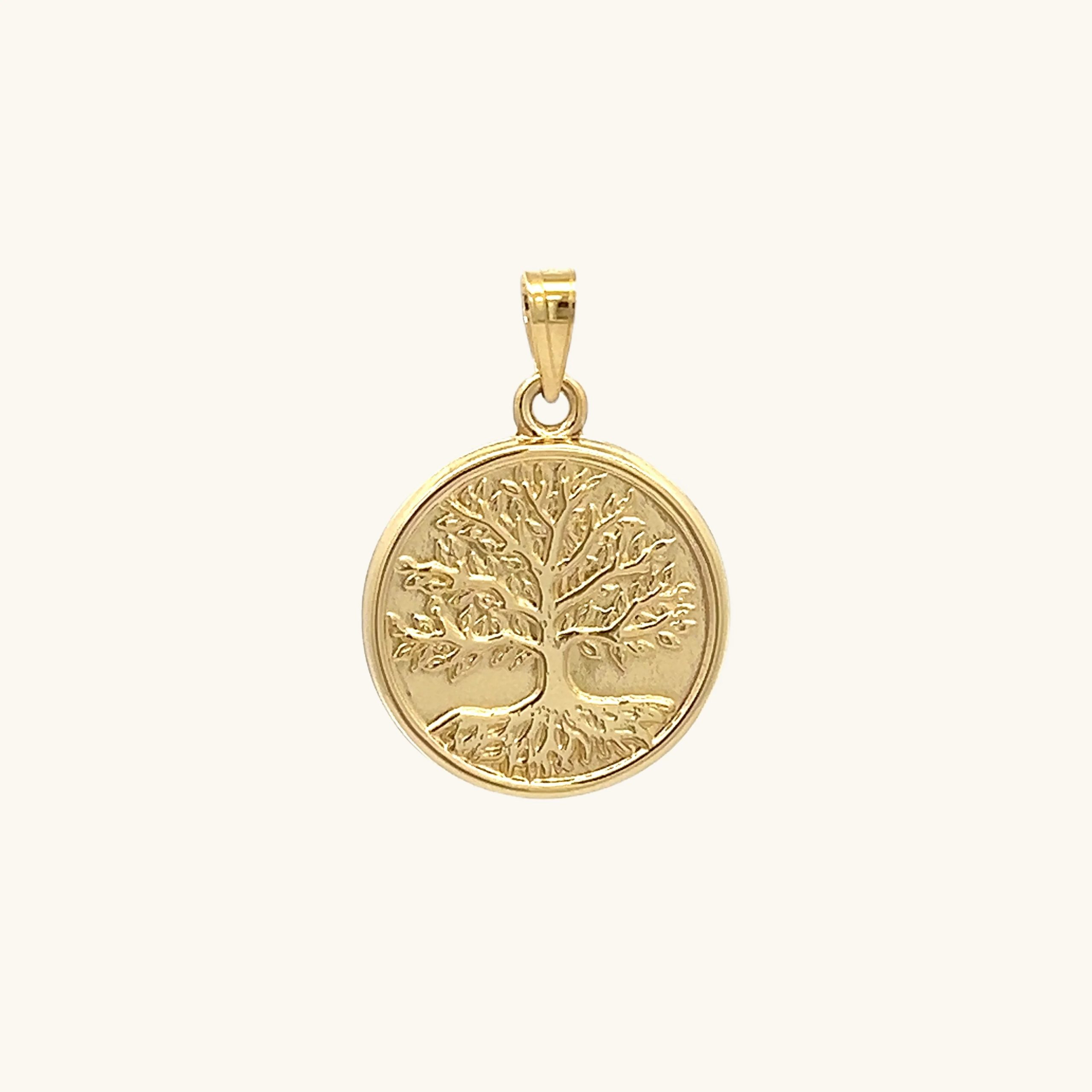
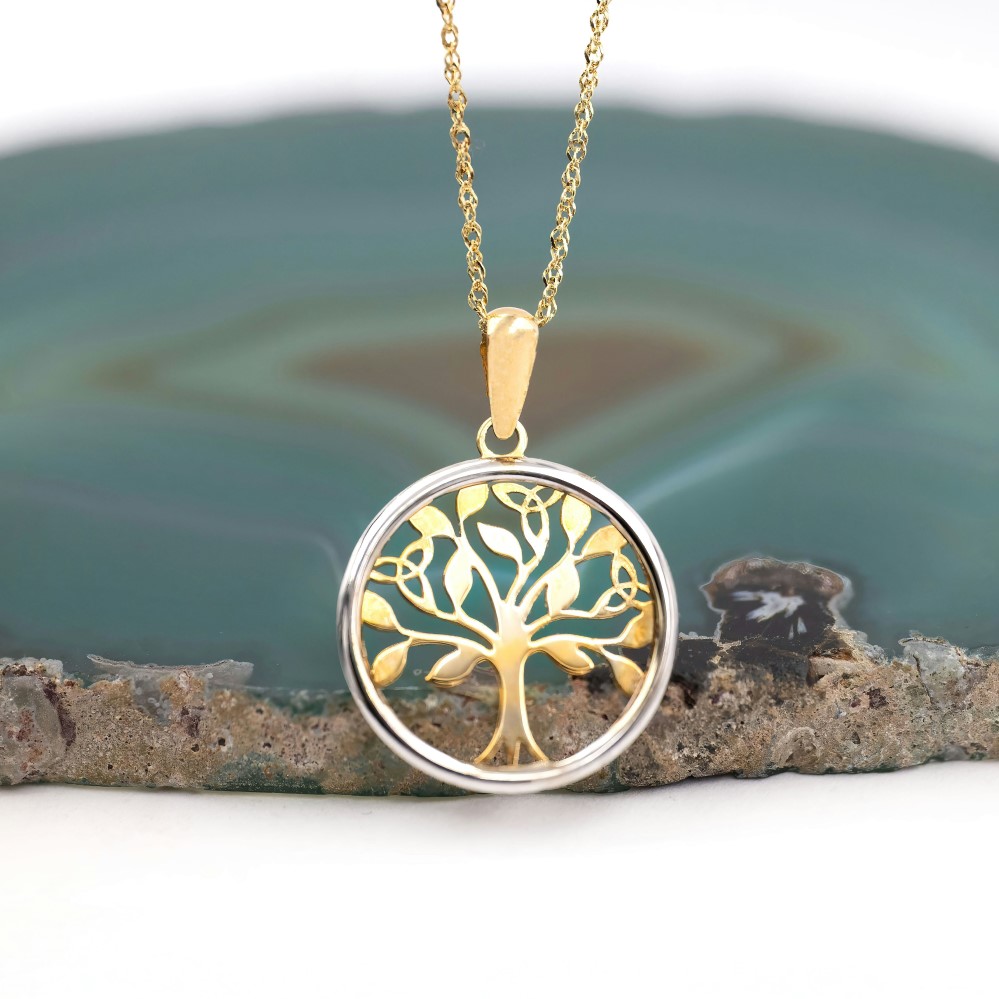
Gold remains a top choice for luxury versions. Yellow gold gives warmth and timelessness. White gold provides a sleek, modern look. Rose gold adds a romantic tone. Gold-plated options deliver similar appeal at lower cost. Each variation fits different tastes.
Stainless steel is another durable option. It resists scratches, tarnish, and corrosion. Ideal for active lifestyles or outdoor use. Steel tree of life pendants often have a bold, industrial feel. They pair well with leather cords or thick chains. Strength matches symbolic meaning.
Alternative materials include bronze and copper. These develop a vintage patina over time. Some people enjoy the aged, antique effect. Artisans sometimes combine metals for two-tone designs. Enamel fills add color to leaves or roots. Small touches enhance realism.
Wooden tree of life pendants exist too. Crafted from sandalwood, olive, or ebony. These bring natural texture and scent. They suit bohemian or nature-inspired styles. However, they require more care than metal. Avoid water and heavy impacts.
Gemstone accents increase beauty and meaning. Green aventurine promotes growth. Amethyst brings calm during change. Clear quartz enhances clarity. Birthstones personalize the piece further. Mothers may choose stones for each child. Emotional value multiplies.
Chains vary in style and length. Cable, box, and snake chains support lightweight pendants. Rope or curb links suit heavier versions. Length affects where the tree rests. Short chains sit near the collarbone. Long drops create dramatic focal points. Choice depends on outfit and preference.
 Design Variations
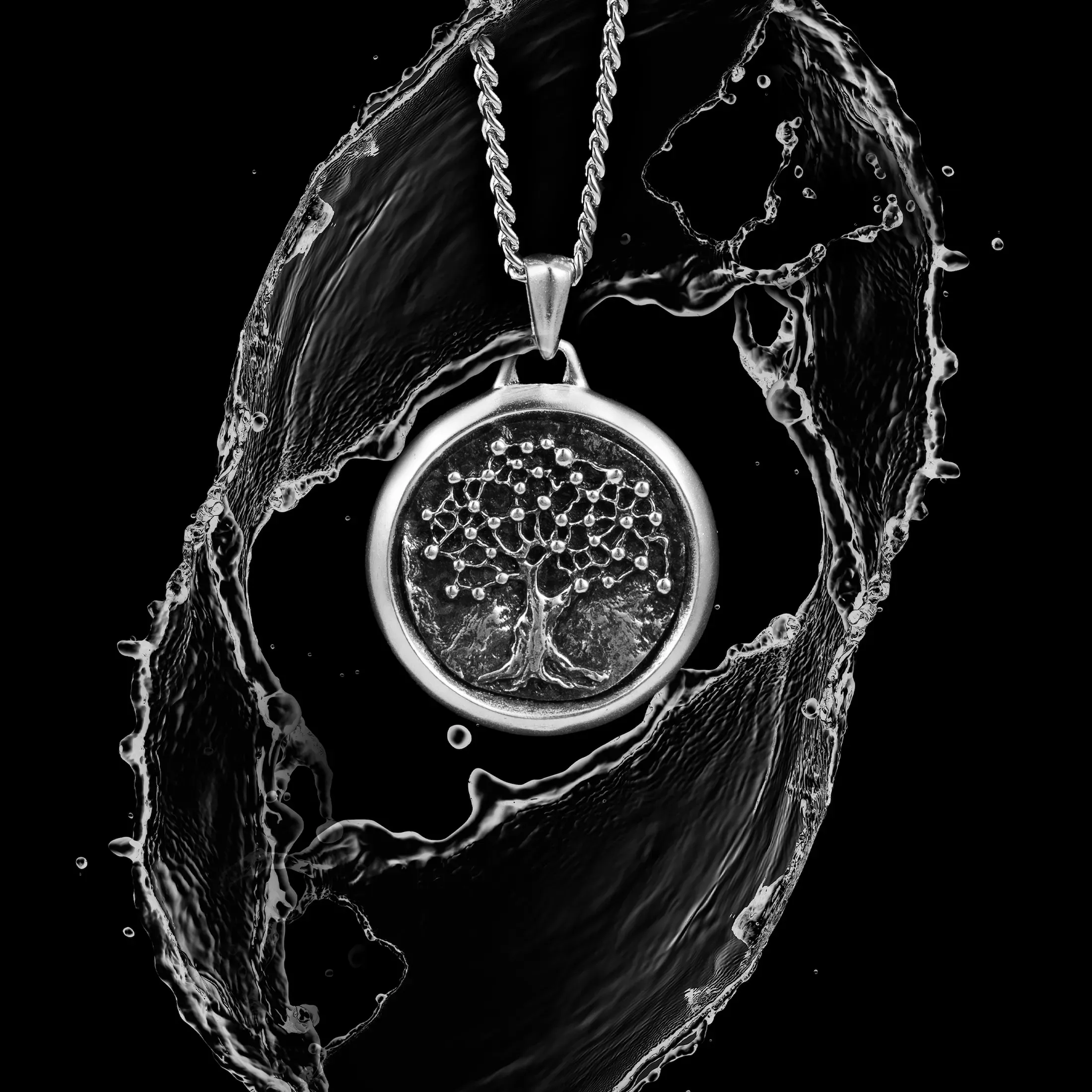
Realistic designs focus on accurate tree anatomy. Branches twist upward with detailed bark. Roots dig deep into the base. These versions appeal to nature lovers. They capture the essence of real trees. Craftsmanship turns metal into living form.
Minimalist styles use clean lines and simple silhouettes. Smooth outlines suggest roots and branches without excess detail. These work well for subtle fashion statements. They fit under collars or with layered necklaces. Simplicity enhances versatility across outfits.
Celtic knot designs weave through the tree. Endless loops replace traditional branches. These symbolize eternity and interconnectedness. The tree of life pendant gains extra depth. Heritage and faith blend seamlessly.
Mandala-style pendants feature circular patterns. The tree grows within a symmetrical design. This reflects harmony and balance. Meditators and yogis appreciate this form. It aligns with mindfulness and inner peace.
Some tree of life pendants include animals. Birds nest in the branches. Deer stand near the trunk. Squirrels climb the limbs. These additions celebrate biodiversity. They show how all life is linked. Nature’s web becomes visual.
Customization allows personal touches. Names, dates, or short quotes engrave on the back. Couples share matching mini-tree pendants. Families create sets with different sizes. Personalization increases emotional value.
Religious symbols merge with tree forms too. Crosses, stars of David, or Om signs appear beside roots. These fusion pieces celebrate identity. Faith and fashion coexist beautifully. The tree of life pendant adapts to belief.
Why People Choose to Wear a Pendant
Many wear a tree of life pendant to honor family. Roots represent ancestry. Branches stand for future generations. It shows how one person connects to many. Parents give them to children leaving home. The gift says, “You carry our roots.”
Others wear it after loss. Grief can feel isolating. The pendant reminds them of lasting bonds. Love continues beyond death. It becomes a quiet memorial. Touching it brings comfort during hard days. Healing begins with remembrance.
Spiritual seekers use it to strengthen practice. Daily wear reminds them of growth and balance. Meditation improves with tactile focus. The tree of life pendant becomes a devotional aid. Prayer feels more connected.
Some wear it after overcoming hardship. Survivors of illness or trauma mark recovery. The pendant celebrates resilience. It honors strength they didn’t know they had. Renewal becomes visible.
Teens wear tree of life pendants for identity and style. They appreciate both meaning and fashion. School events, proms, or birthdays feature this piece. Friends exchange them as tokens of loyalty. Trust grows through shared symbols.
Gift-givers rely on its universal appeal. Birthdays, holidays, and anniversaries include this item. No need to guess size or taste. Sentiment ensures appreciation. Thoughtful presentation increases impact.
Environmentalists wear it to honor nature. It symbolizes protection of forests and ecosystems. Some link it to climate action. The tree of life pendant becomes a silent pledge. Love for Earth finds form.
 How to Style a Tree of Life Pendant
For daily wear, pair the pendant with a simple chain. A 16 or 18 inch length keeps it visible yet subtle. Wear it over t-shirts, blouses, or sweaters. Let the design speak softly. Avoid overcrowding with other necklaces.
At formal events, choose a polished finish. High-shine silver or gold elevates the look. Tuck it slightly under a dress or shirt. Partial reveal creates elegance. Combine with matching earrings for cohesion. Confidence completes the outfit.
Casual outings allow creative freedom. Try a leather cord for rustic charm. Layer it with beaded strands or dog tags. Mix metals for eclectic style. Outdoor festivals welcome expressive looks. The tree of life pendant fits any vibe.
Work environments call for modesty. Select a small, refined version. Avoid dangling parts that catch on fabric. Pair with professional attire. Let it peek out just above the collar. Subtlety maintains appropriateness.
Seasonal changes affect styling too. Summer favors lighter chains and open necklines. Winter layers let the pendant peek through scarves. Holiday seasons inspire themed variations. Red ribbons or snowflake accents add flair. Adaptation keeps it relevant.
Layering requires spacing. Combine with longer or shorter chains. Prevent tangling by using different link types. Mix a cable chain with a snake chain. Depth increases visual interest. Balance keeps it intentional.
 Caring for Your Pendant to Maintain Its Shine
Always remove the tree of life pendant before showering. Water exposure damages metals and stones. Chlorine and soap leave dull residues. Saltwater accelerates corrosion. Prevention protects longevity. Dry skin first, then reapply.
Clean gently with mild soap and lukewarm water. Use a soft cloth or toothbrush. Wipe all surfaces, especially crevices. Rinse thoroughly and dry immediately. Do not soak porous stones like opals. Regular cleaning prevents buildup.
Avoid harsh chemicals. Perfumes, lotions, and hairsprays corrode finishes. Apply cosmetics before putting on the pendant. This reduces direct contact. Safe habits extend lifespan significantly.
Store it separately from harder jewelry. Diamonds or rubies can scratch softer metals. Use a lined box or soft pouch. Hanging organizers prevent chain knots. Travel cases protect during movement. Organization prevents loss.
Inspect regularly. Check for loose stones or weakened clasps. Look at the bail—the loop attaching it to the chain. If bent or thinning, repair early. Professional polishing restores shine when needed. Routine checks prevent bigger issues.
Keep away from extreme temperatures. Heat warps certain adhesives or resins. Cold may make some metals brittle. Avoid leaving it near radiators or in cars. Stable environments preserve integrity. Care shows respect for what the piece represents.
Frequently Asked Questions
What does a tree of life pendant symbolize?
It stands for connection, growth, and balance. Roots represent ancestry. Branches show future generations.
It also means renewal and resilience. Many wear it after personal transformation. Meaning varies by culture and belief.
Can men wear a tree of life pendant?
Yes, absolutely. Men wear it on leather cords or thick chains. Simple wood or metal versions add masculinity.
Style matters more than gender. Anyone can express themselves through symbolism. The pendant is for all.
Is a tree of life pendant suitable for formal events?
Yes, if styled tastefully. Choose a sleek metal and smooth finish. Avoid overly large or noisy versions.
Pair it with a dress shirt or elegant dress. Ensure it complements rather than distracts. Elegance enhances the look.
How do I choose the right chain for my pendant?
Match the chain to the pendant’s weight. Heavy pieces need strong links like rope or curb. Lightweight ones suit cable chains.
Consider length too. Short chains highlight the chest area. Longer ones create a dramatic drop. Choose based on neckline.
Are tree of life pendants good for gifting?
Yes, they are meaningful and heartfelt. Ideal for birthdays, graduations, or memorials. Parents give them to children.
Friends exchange them during hard times. Custom engravings add intimacy. Thoughtful presentation increases impact.
Can I personalize a tree of life pendant?
Yes, many jewelers offer customization. Add names, dates, or short messages. Choose different stones or finishes.
Personalization makes it unique. It increases emotional value. Custom tree of life pendants make perfect gifts.
 Final Thoughts
The tree of life pendant continues to touch hearts across generations. Its rich image brings meaning to everyday life. Whether worn for family, faith, or nature, it holds power. People connect with its message on deep levels. Growth, unity, and renewal find form in metal and stone.
Designers innovate constantly. New cuts, settings, and combinations emerge. Customization allows personal storytelling. Engraved messages turn pendants into heirlooms. Families pass them down with pride.
Its role in emotional wellness grows. People use it as a tool for peace. On tough days, it reminds them of roots. Symbolism blends with mindfulness. Fashion meets function beautifully.
Sustainability now influences production. Brands use recycled metals and ethical stones. Consumers value transparency. Eco-conscious buyers support responsible makers. Beauty aligns with ethics.
Ultimately, the tree of life pendant is more than decoration. It is identity, memory, and hope made visible. It answers the need to belong and be grounded. As long as humans seek connection, the tree of life pendant will remain essential.
Leave a Reply