Introduction
The Challenge of Cold Weather Riding
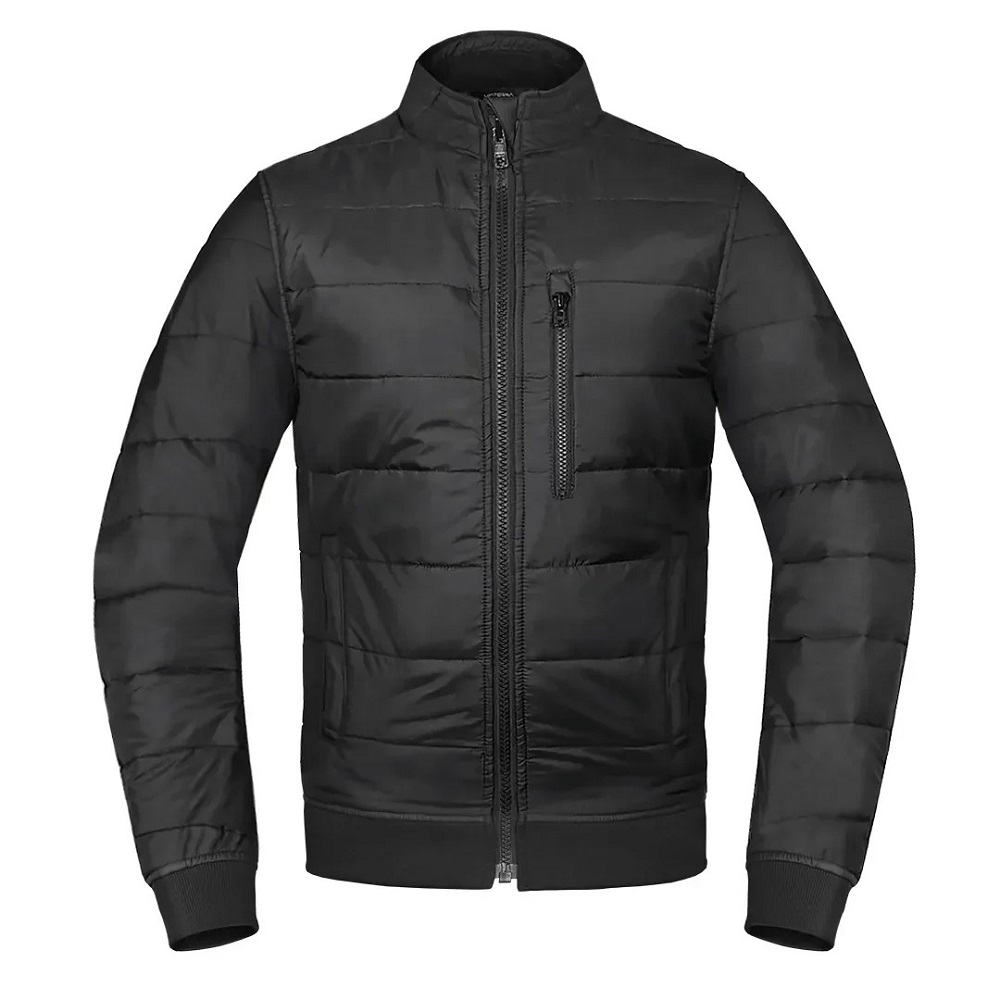
Cold weather can present unique challenges for motorcycle riders. When temperatures drop, riders face the risk of both hypothermia and frostbite. Riding in these conditions demands not only skill but also appropriate gear to ensure safety and comfort. Protective clothing serves as a barrier between the rider and the harsh elements, playing a crucial role in a successful ride during colder months.
Importance of Staying Warm
Maintaining warmth while riding is essential. Cold weather can lead to a decline in motor functions and reaction time. When your body is cold, it’s harder to focus and react quickly in emergency situations. Proper gear helps regulate body temperature, allowing riders to concentrate on their surroundings and enjoy the ride.
Purpose of This Guide
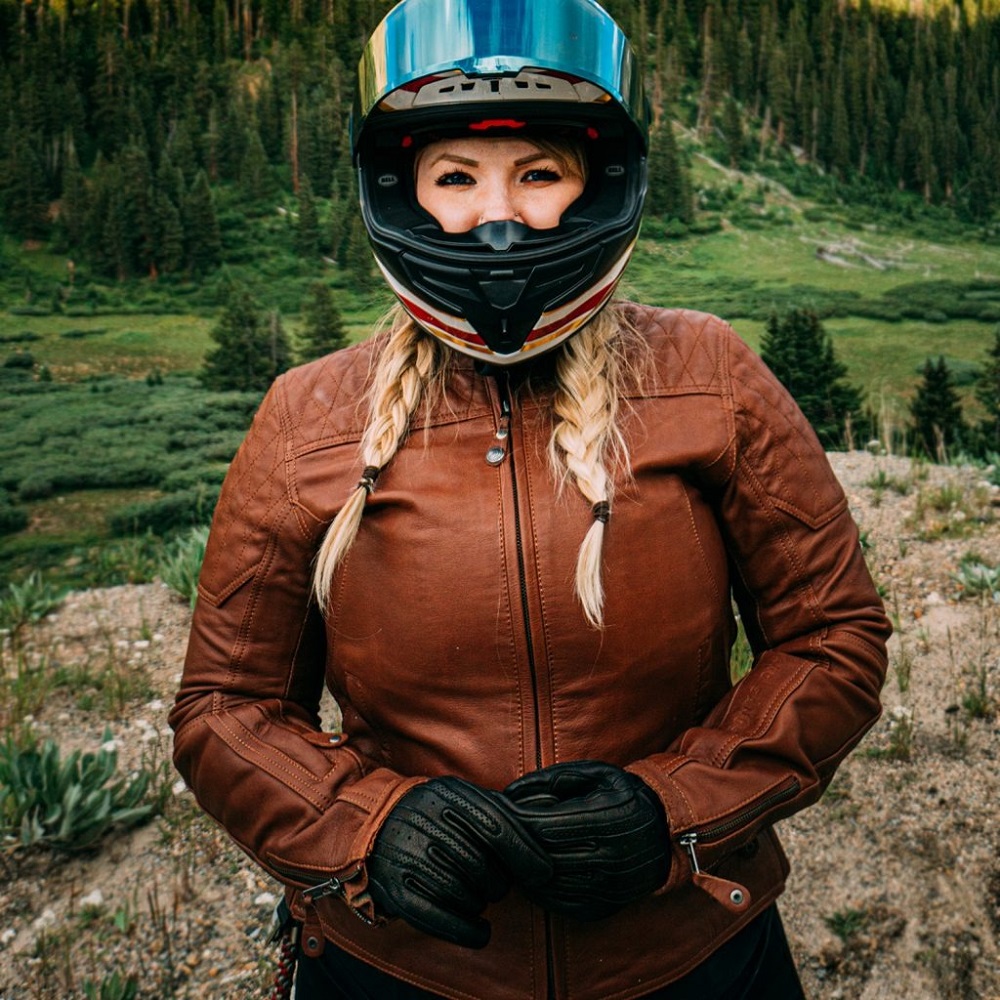
This guide aims to provide helpful tips on choosing the right cold weather motorcycle gear. It will cover essential clothing items and accessories that keep you warm while offering safety. By understanding the importance of gear and selecting the best options, riders can enjoy a safe and comfortable experience even in colder temperatures.
Essential Cold Weather Gear
Base Layers
Base layers play a vital role in cold weather riding. They serve as the first line of defense against the cold. Opt for moisture-wicking materials, such as polyester or merino wool, which help keep sweat away from the body. A good base layer should fit snugly without being restrictive, creating a comfortable foundation for additional layers.
Insulating Layers
In addition to base layers, insulating layers are crucial for trapping body heat. Fleece or down jackets work well as an insulating layer. These materials provide warmth while still being lightweight. When selecting an insulating layer, ensure it fits comfortably under your riding jacket without limiting movement. This balance of insulation and mobility enhances your overall comfort while riding.
Outer Shell
The outer shell is your first line of defense against wind, moisture, and cold temperatures. Look for jackets and pants made from waterproof and windproof materials. Gore-Tex and similar fabrics are excellent choices, as they are breathable yet provide a barrier against the elements. Ensure that your outer shell is adjustable, allowing for a customized fit that can be tightened against wind and cold.
Protective Gear
Motorcycle Jacket
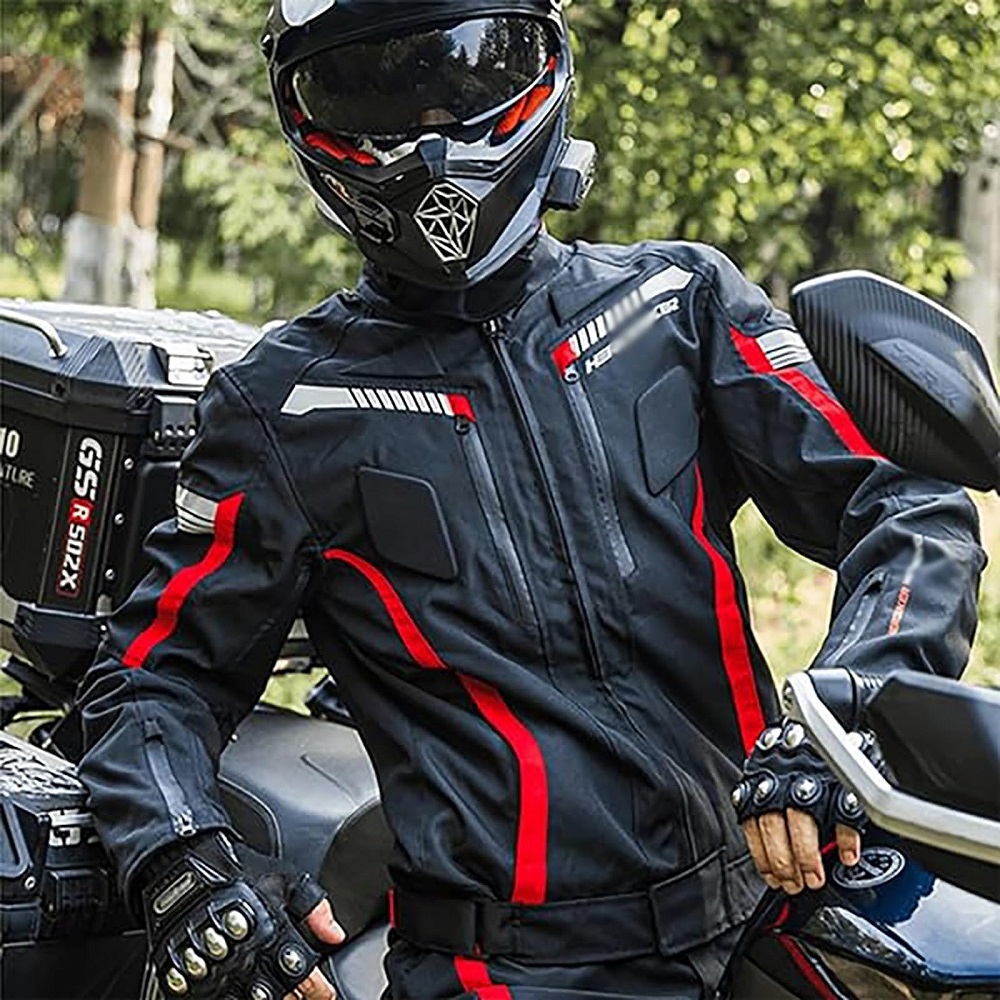
A quality motorcycle jacket should protect against both the elements and potential injuries. Look for jackets that include armor in the shoulders and elbows, as well as abrasion-resistant materials. Many jackets designed for cold weather come with additional insulation layers and waterproof linings, combining protection with comfort.
Pants and Chaps
Just as with jackets, lower body protection is equally important. Cold weather riding pants should be made from a combination of weather-resistant and flexible materials. Look for pants or chaps that incorporate thermal insulation and are fitted with protective armor. Having a lined, insulated pant will help keep your legs warm while providing the necessary safeguards in case of a fall.
Gloves
Hands can quickly become cold while riding due to exposure. Investing in quality, insulated motorcycle gloves is essential. Look for gloves that offer good dexterity while still providing warmth. Gloves should be waterproof and windproof, with features like adjustable cuffs to lock in warmth. Heated glove options are also available for those who ride in extremely cold weather.
Footwear for Cold Weather
Insulated Riding Boots
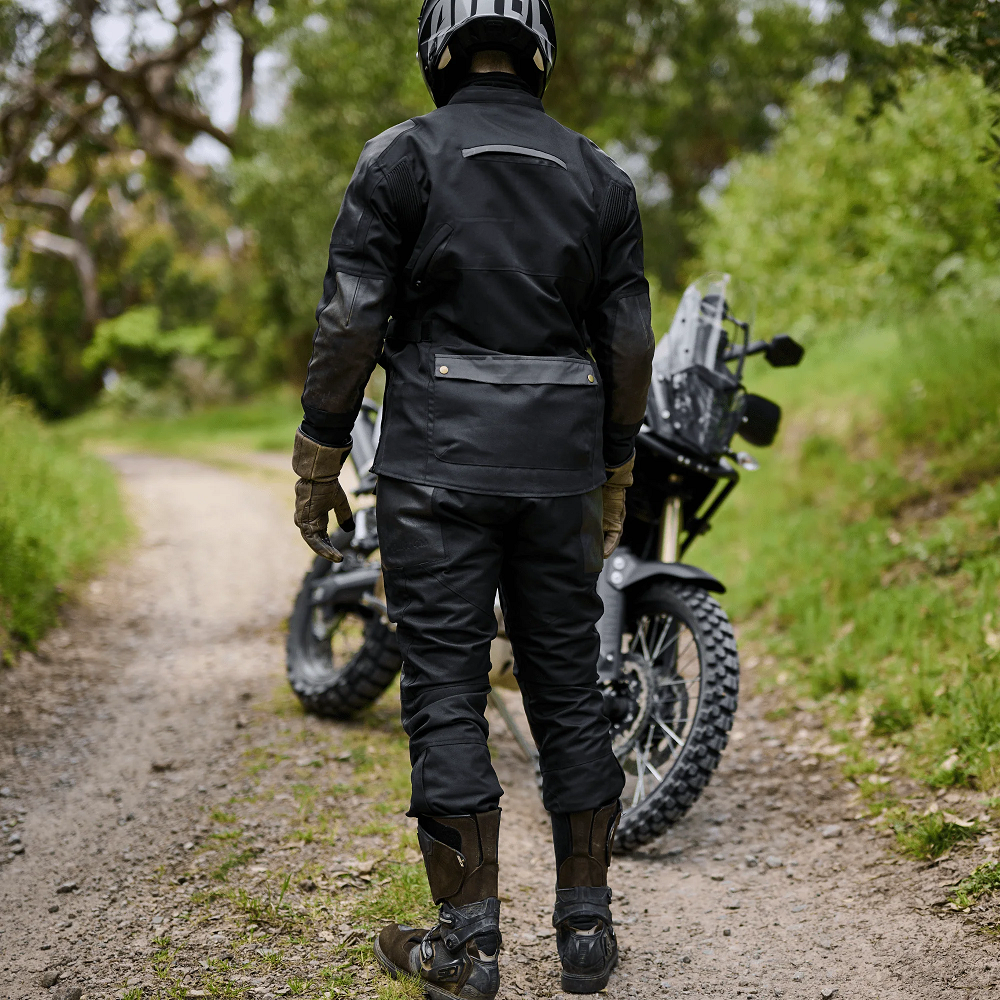
Your feet are another area that needs protection from the cold. Insulated riding boots offer both warmth and safety. Choose boots made from waterproof materials that keep your feet dry. Look for slip-resistant soles to avoid potential accidents. Ankle support is also crucial, ensuring that your feet remain comfortable during long rides.
Thermal Socks
In addition to boots, thermal socks are vital for maintaining warmth. Look for wool or synthetic blends designed specifically for cold weather riding. Make sure the socks fit comfortably without being too tight. Proper fitting socks play a role in blood circulation, which can affect how warm your feet feel.
Foot Warmers
For those who are particularly sensitive to cold, foot warmers can provide additional comfort. These heaters are designed to be placed inside your boots and provide ongoing warmth during rides. Consider rechargeable options for convenience, ensuring that batteries last for extended trips.
Accessories for Cold Weather
Neck Warmers and Balaclavas
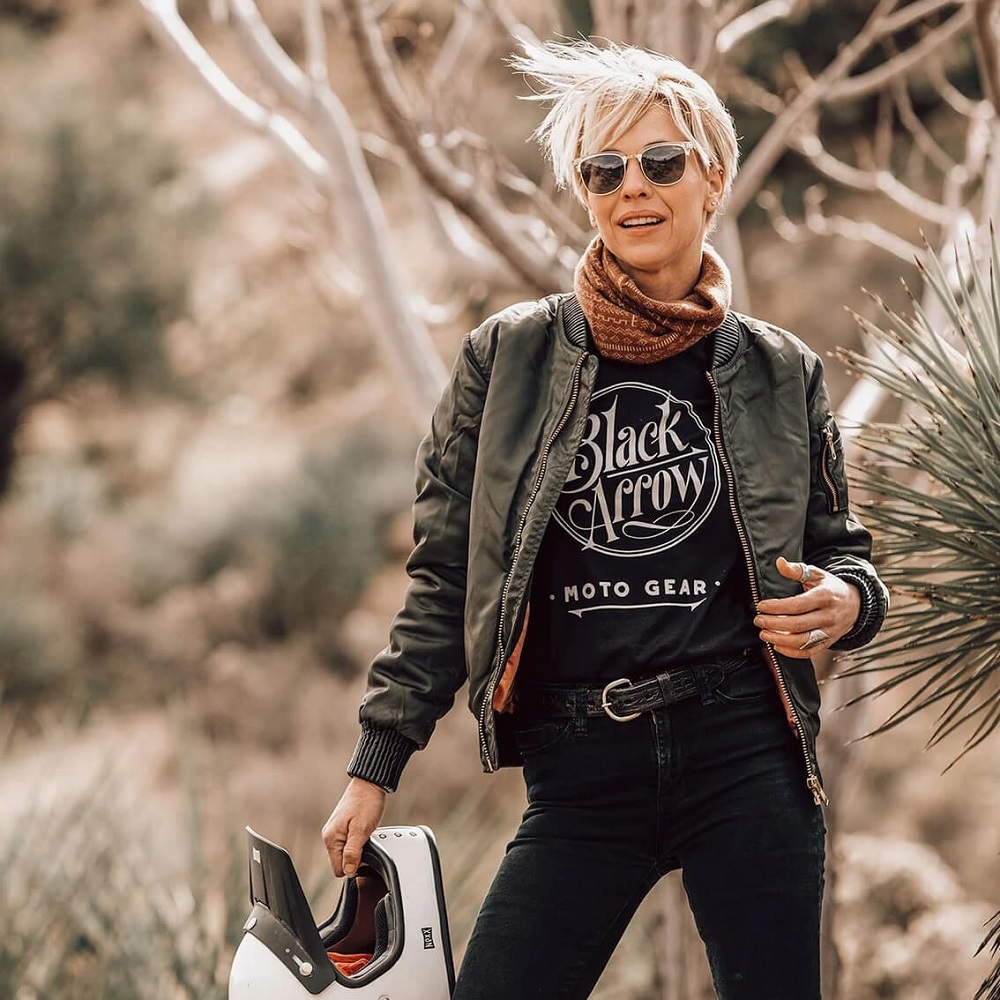
A significant amount of body heat can be lost through the neck and face. A neck warmer or balaclava is essential for preventing cold air from entering your gear. Look for options made from fleece or other insulating materials. These accessories help create a complete seal, trapping warmth while keeping rain and wind out.
Riding Glasses or Goggles
Cold weather can lead to reduced visibility due to fogging or water. Opt for riding glasses or goggles that are designed for cold conditions. Anti-fog features are beneficial, especially when riding in varying temperatures. Ensure they fit comfortably under your helmet while providing a clear line of sight.
Heated Gear
Heated gear can enhance comfort significantly during cold weather riding. There are heated jackets, vests, gloves, and even insoles available on the market. These items plug into your bike’s electrical system or run on rechargeable batteries. While the initial investment may be higher, the added comfort can be worth it for frequent riders.
Maintenance of Cold Weather Gear
Proper Storage
After a ride, proper storage of your cold weather motorcycle gear is essential. Ensure that all items are clean and dry before storage. This practice prevents mold, mildew, and unpleasant odors from developing. Store gear in a cool, dry place away from direct sunlight, which can damage materials over time.
Regular Inspection
Inspecting your gear regularly is crucial for maintaining its effectiveness. Look for signs of wear and tear, such as seams coming apart or insulation losing its warmth. Addressing issues early can prevent costly repairs or replacements. Periodic checks ensure that your gear remains functional and keeps you safe while riding.
Cleaning Techniques
Always follow the manufacturer’s recommendations for cleaning and maintenance. Some items can be machine-washed, while others may require hand washing or special care. Avoid using harsh detergents that can damage the materials. Hand washing with mild soap often yields the best results while preserving the integrity of your gear.
Riding Techniques in Cold Weather
Adjusting Your Riding Style
Riding in cold weather necessitates a different approach compared to warmer months. Adjusting your riding speed can make a significant difference in comfort. Slower speeds allow for better control while minimizing exposure to cold winds. Pay attention to the road conditions, as cold weather can affect traction.
Building Awareness of Road Conditions
Cold temperatures increase the risk of ice forming on the road. Be vigilant for changes in road conditions, especially in shady areas or during early morning hours. Adjust your braking distance to account for slippery surfaces. Building awareness of your surroundings will help you navigate safely while riding in cold weather.
Staying Hydrated and Alert
It may be surprising, but hydration is still crucial during cold weather riding. Drink water regularly to stay hydrated, as this helps maintain energy levels and focus. Cold air can be dehydrating, so be mindful of the importance of proper hydration. Staying alert, both physically and mentally, is essential for a safe riding experience.
Planning Your Ride
Dressing in Layers
Layering is key when it comes to staying warm while riding. Begin with a moisture-wicking base layer followed by insulating layers and finish with a waterproof outer layer. This layering technique allows you to adjust your clothing according to temperature changes throughout your ride. When planning a longer trip, consider the weather forecast and dress accordingly.
Timing Your Rides
If possible, plan your rides during the warmer parts of the day. Afternoon temperatures are generally higher, providing a more comfortable experience. Understanding local weather patterns can help you find the best times to ride without exposing yourself to extreme cold for extended periods.
Keeping Trips Short
For those new to riding in cold weather, it’s wise to start with shorter rides. Gradually build your experience and comfort level, acclimating your body to the cold. Short trips allow you to test your gear and assess how well it performs in colder conditions. As you gain confidence, you can take longer trips.
Community and Support
Connecting with Fellow Riders
Joining a riding community can be very beneficial, especially when it comes to dealing with cold weather. Fellow riders will often share tips and tricks for staying warm. Engaging with others can also provide insight into the best gear and techniques they use during icy conditions.
Participating in Seasoned Riders’ Groups
Many motorcycle clubs hold events specifically for cold weather riding. Participating in these groups allows you to learn from more experienced riders who know the ins and outs of dealing with harsh conditions. These gatherings offer a social aspect to riding while enhancing your skills and confidence.
Learning from Online Resources
Numerous online resources exist where riders can share their experiences and advice. Forums, blogs, and videos can provide valuable information on what gear works best in cold weather. Engaging with these resources can help you prepare thoroughly for winter rides.
Preparing for Longer Rides
Importance of Planning Ahead
If you plan to take longer rides in cold weather, preparation becomes paramount. Research your route in advance, ensuring that it accounts for safe travel during winter conditions. Identify potential hazards, such as known icy patches or shaded areas that may retain snow. Additionally, it’s wise to check road conditions and weather forecasts to anticipate any challenges you may encounter along the way.
Making Necessary Adjustments to Gear
Before embarking on a longer journey, assess whether your gear is adequate for the conditions. It may be necessary to pack additional insulating items, such as extra gloves or thermal liners. Bring tools for emergency repairs as well. By being prepared for the unexpected, you can minimize risk and enhance your overall riding experience.
Emergency Contact Plans
Making arrangements with fellow riders and family members is a good practice. Share your route and estimated time of arrival with someone who isn’t riding with you. If something goes wrong, having someone aware of your plans can expedite assistance. Building a network of trusted riders can also provide a sense of security during longer trips.
The Benefits of Winter Riding
Embracing the Unique Experience
While winter riding comes with its challenges, it also offers a unique experience. The landscapes can transform into winter wonderlands, providing breathtaking views of snow-capped mountains and frosty trees. Riding in cooler weather can feel refreshing and invigorating when dressed correctly.
Building Skills and Confidence
Riding during colder months can also hone your motorcycle skills. Adjusting to more slippery conditions requires heightened awareness and adaptability, allowing you to become a more proficient rider. Over time, this experience builds confidence, making you a more versatile motorcycle operator during all seasons.
Fostering a Sense of Community
Cold weather riding often fosters a strong sense of community among riders. Many enthusiasts appreciate the camaraderie that comes from braving the elements together. Participating in winter ride events or meet-ups can connect you with fellow riders who share your passion for motorcycle culture. These connections enhance your overall experience and allow for the exchange of knowledge and tips related to cold weather riding.
Conclusion
Preparation is Key
In summary, riding in cold weather demands adequate preparation. The right cold weather motorcycle gear is essential for keeping you warm and safe on the road. Understanding the importance of base layers, insulation, and protective clothing will lead to a better riding experience. By investing in quality cold weather motorcycle gear, you can significantly enhance your comfort and enjoyment of winter riding.
Embracing Safety and Comfort
Choosing the right cold weather motorcycle gear not only increases comfort but also ensures safety. By prioritizing protective clothing, you can reduce the risk of accidents and injuries during harsh conditions. Staying warm and protected allows you to focus on the experience of riding rather than discomfort or distraction.
Looking Forward to Every Ride
Ultimately, the goal is to enjoy every ride, no matter the weather. Being adequately equipped will help you embrace cold weather riding with confidence. Take the time to select cold weather motorcycle gear that suits your riding style and conditions, allowing you to continue your passion for motorcycling year-round. After all, the thrill of the ride should never be diminished by the chill in the air. Happy riding!
Leave a Reply