Introduction to Motorcycle Dry Bags
The Necessity of Motorcycle Dry Bags
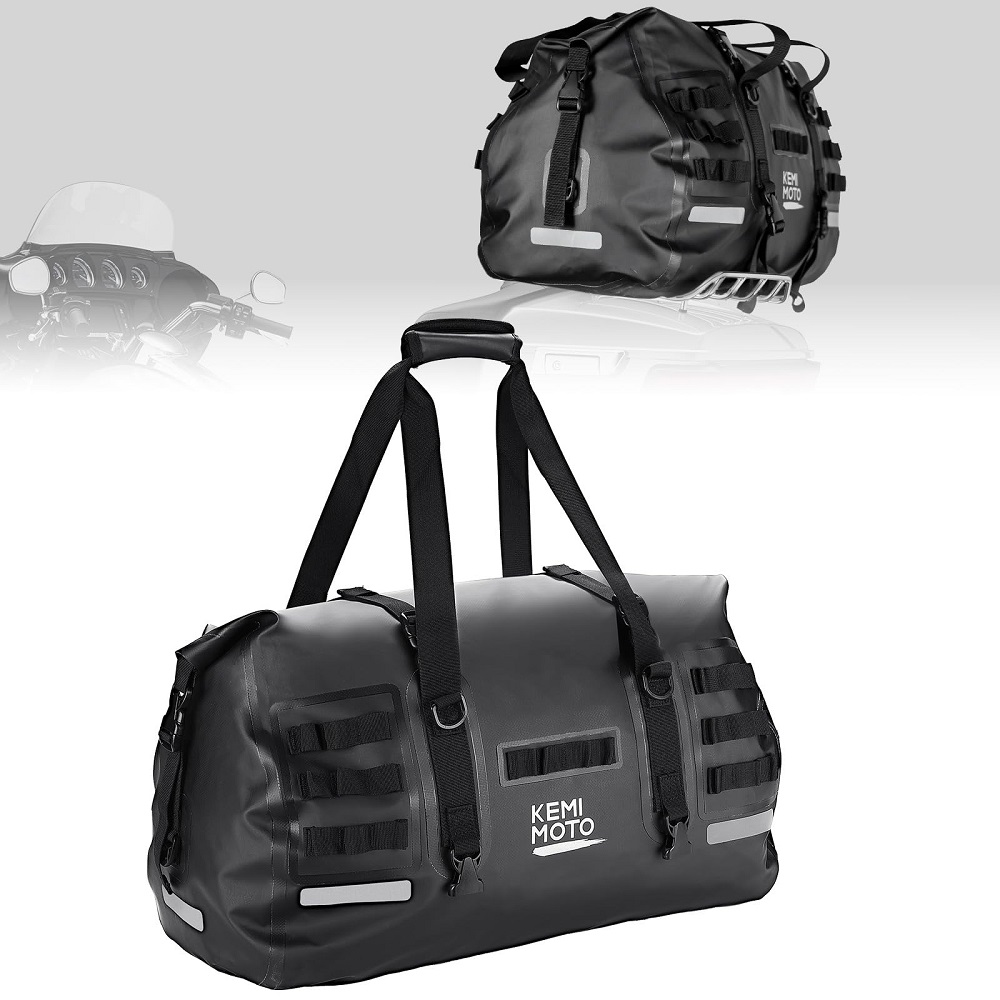
Motorcycle dry bags are essential for any rider planning to embark on a journey. They are designed to keep your belongings safe and dry, especially during adverse weather conditions. Whether you are riding through rain, snow, or mud, a quality dry bag effectively protects your gear. These bags are crucial not only for comfort but also for ensuring that your items remain secure on your travels. Understanding their importance will enhance your riding experience and give you peace of mind.
What Makes Dry Bags Unique
Motorcycle dry bags differ significantly from standard backpacks or luggage. They are typically made from waterproof materials that prevent water from seeping in. The construction of these bags features welded seams and reliable closures, ensuring that the contents stay dry. Many dry bags are also designed to be lightweight, which is essential for maintaining balance while riding. The unique features of motorcycle dry bags make them indispensable for any adventure on two wheels.
The Purpose of This Guide
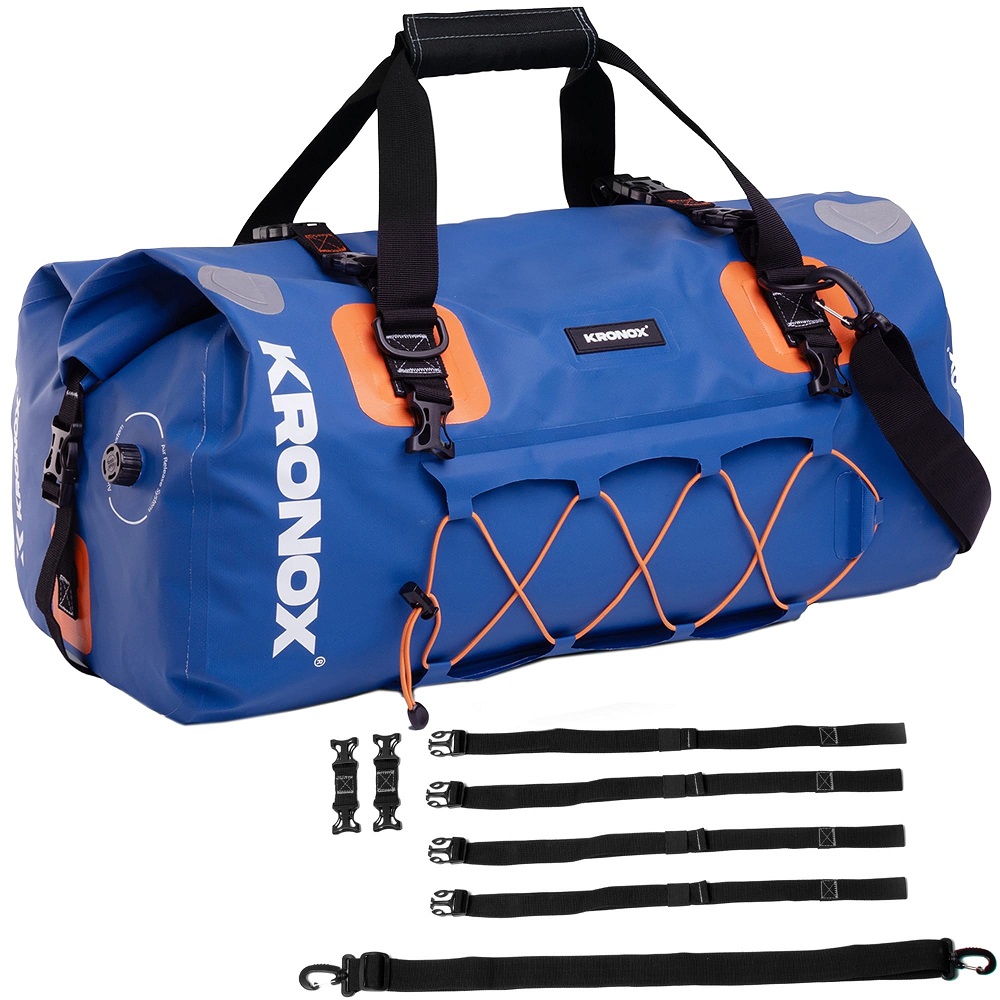
This guide aims to help you understand how to choose the right size of motorcycle dry bag for your journey. It will cover different sizes, styles, and considerations to ensure you make an informed decision. By learning how to choose the best dry bag, you can prepare for a safe and enjoyable ride, knowing that your belongings are well protected. With the right information, you can enhance your riding experience and journey with confidence.
Understanding Different Sizes of Dry Bags
1. Small Dry Bags (5-10 Liters)
Small dry bags are ideal for short trips or day rides. With capacities ranging from 5 to 10 liters, they are perfect for carrying essentials like snacks, a first aid kit, and hydration packs. These bags can be easily attached to the back of your motorcycle or worn as a sling bag. Small dry bags are excellent for quick escapes or short journeys where minimal gear is necessary. Their compact size allows for easy handling and access during your rides.
2. Medium Dry Bags (10-30 Liters)
Medium dry bags typically hold between 10 and 30 liters of gear. They strike a balance between portability and storage capacity. These bags are suitable for weekend trips or longer day rides where you might need additional clothing or supplies. The extra space allows you to pack a light jacket, extra layers, or other essentials without overwhelming your bike. Medium dry bags often include features like external pockets for quick access to frequently used items.
3. Large Dry Bags (30+ Liters)
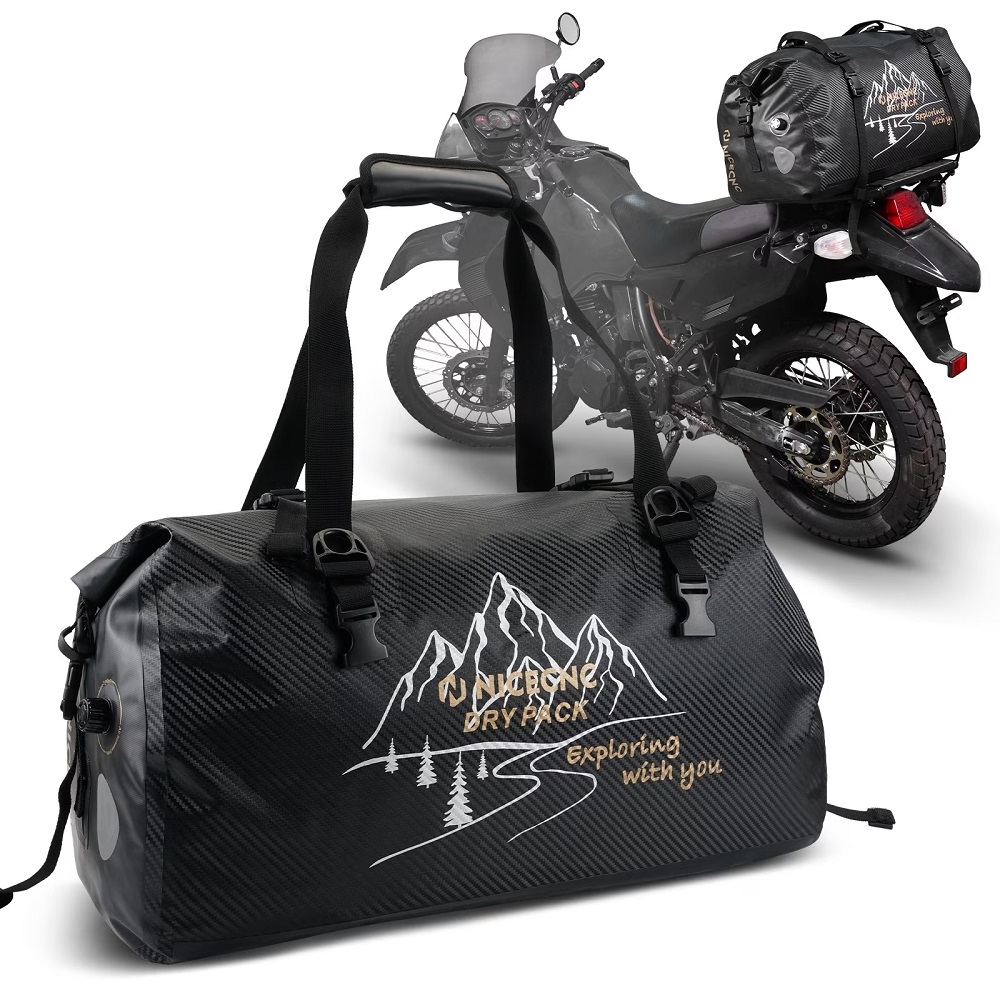
For longer journeys or extensive motorcycle touring, large dry bags are the best choice. Holding 30 liters or more, they provide ample storage for clothing, camping gear, and other supplies. These bags are perfect for multi-day rides where you need to bring more items. Large dry bags come with reinforced straps and attachment points to secure them effectively to your motorcycle. Their spacious interiors ensure that you have everything you need for extended adventures.
Assessing Your Needs
1. Consider the Duration of Your Trip
When deciding what size dry bag you need, consider the duration of your trip. Short day rides may only require a small dry bag for essentials. However, if you plan to be on the road for several days, a medium or large dry bag is more appropriate. Assessing how long you’ll be away helps you gauge the volume of items you’ll need to pack. Knowing your travel plans ensures you select the right size for your journey.
2. Evaluating the Type of Gear
The type of gear you intend to carry also affects the size of the dry bag you need. For example, if you plan to bring camping equipment, you’ll need a larger bag for tents and sleeping bags. Conversely, if you’re just carrying daily essentials, a smaller bag will suffice. Consider assessing your packing list in advance, ensuring you account for every necessary item. By evaluating your gear, you can make informed decisions regarding size.
3. Understanding Weight Distribution
Proper weight distribution is crucial for motorcycle safety and balance. Ensure that your chosen dry bag does not exceed the weight limits recommended by your motorcycle manufacturer. Heavy bags can impact handling, making your motorcycle harder to control. If you are uncertain about weight distribution, consider consulting your motorcycle’s manual or an expert. Prioritizing balance helps enhance safety during your journey.
Types of Dry Bags
1. Roll Top Bags
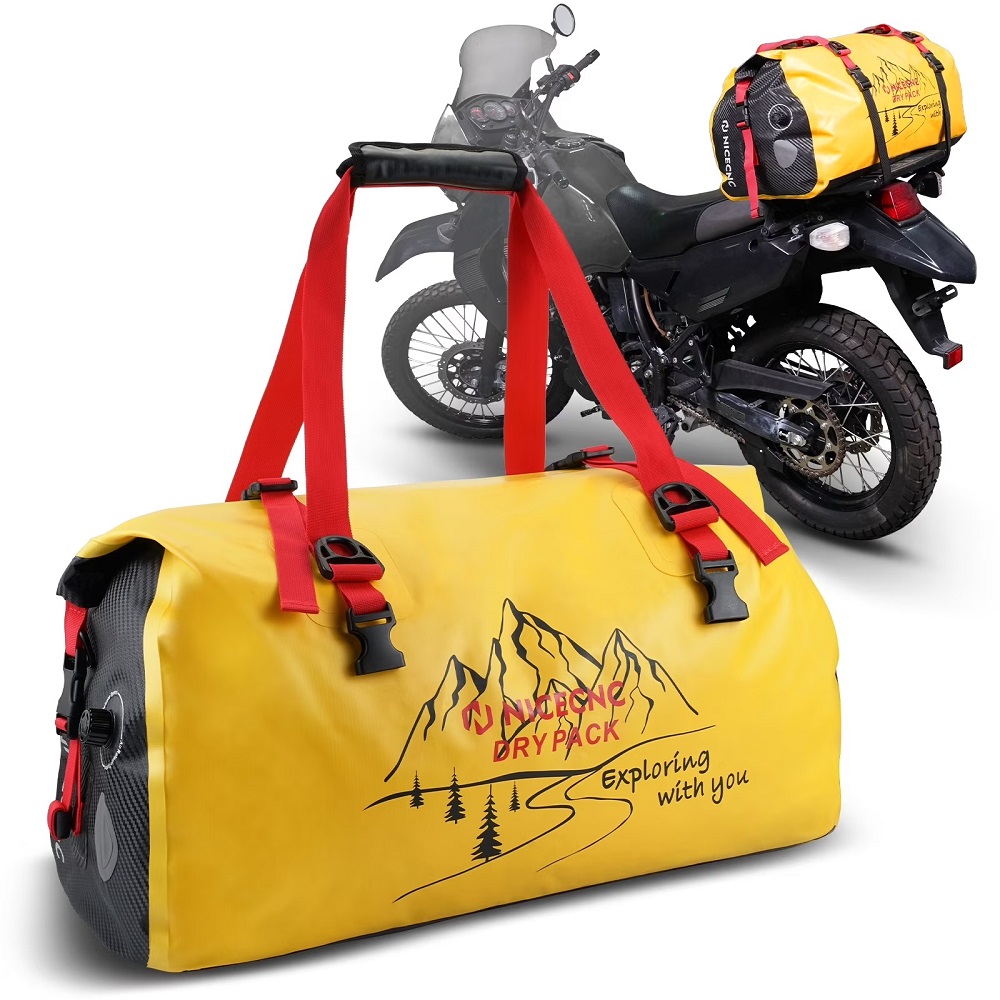
Roll-top dry bags are popular among riders due to their simple yet effective design. The top of these bags can be rolled down to create a watertight seal. This construction minimizes water infiltration and helps keep your gear dry in various conditions. Roll-top bags come in various sizes, allowing for versatility based on your needs. Many riders prefer these bags for their ease of use and reliability during long trips.
2. Compression Bags
Compression bags allow you to minimize the amount of space your items take up. This design is ideal when you need to pack bulky items like sleeping bags or jackets. Compression bags utilize straps or buckles to reduce size and secure everything inside. While not traditionally used for carrying on a bike, compression bags can fit inside larger dry bags. Using these as packing aids can help maximize available space, providing more room for other essentials.
3. Backpack Style Dry Bags
Backpack-style dry bags offer the ultimate versatility for riders. These bags can be carried on your back while riding or hiking, providing hands-free convenience. They typically feature adjustable straps for comfort and convenience. This style allows for easy access to your gear, making it suitable for day trips or overnight camping. Many backpack-style bags also come with additional pockets and compartments for organization.
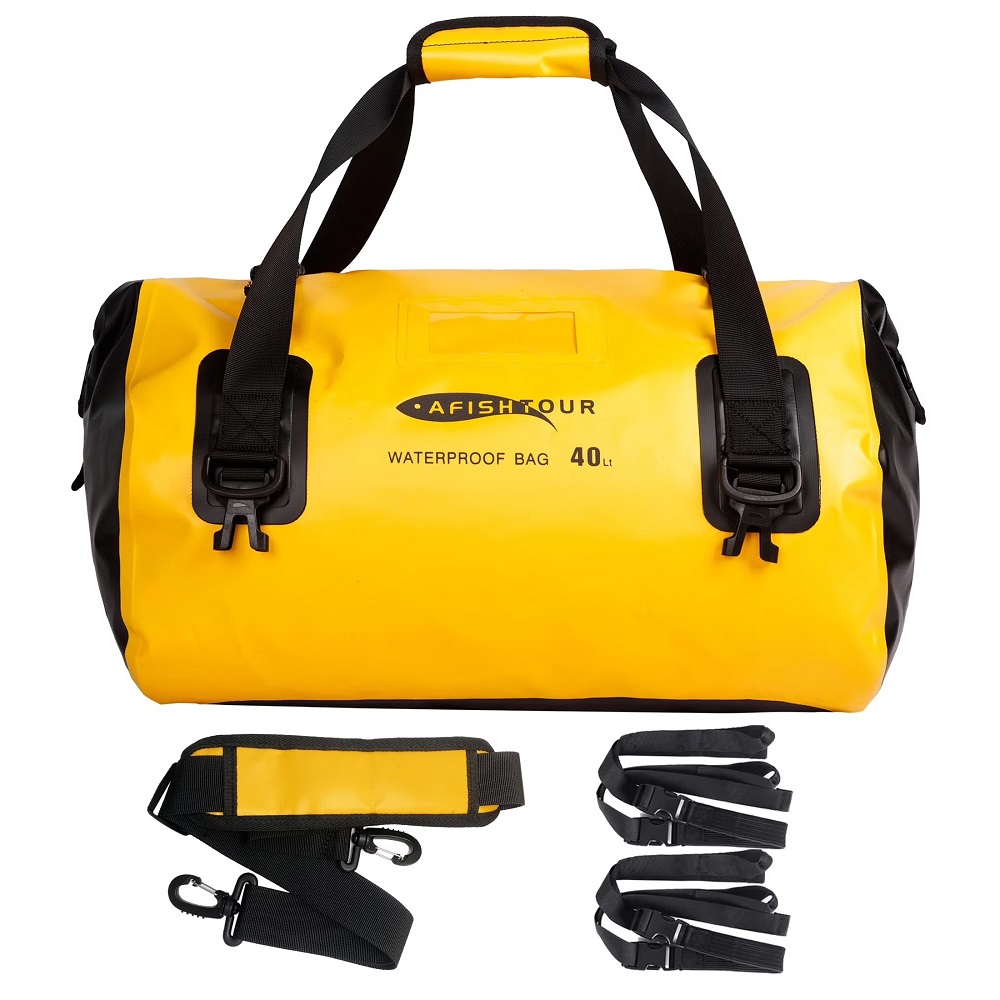
Essential Features to Consider
1. Waterproof Material
When selecting a dry bag, choose one made from high-quality waterproof material. Look for bags made of nylon or PVC, which are known for their durability and water resistance. Some bags also include a waterproof coating, enhancing protection from rain or splashes. Ensuring that your bag is waterproof prevents damage to your belongings and keeps them dry regardless of conditions during your ride.
2. Attachment Points
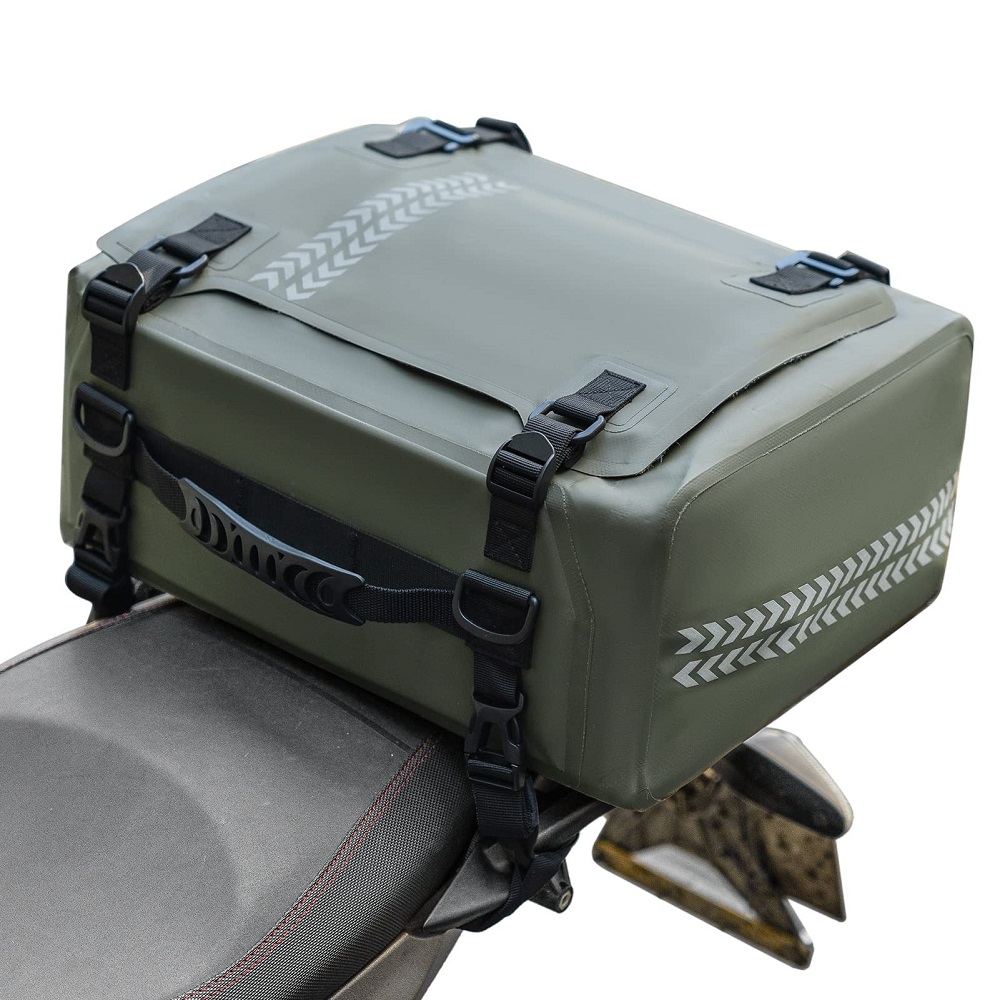
Attachment points are essential for securing your dry bag to your motorcycle. Most quality bags include D-rings or straps for easy connection. Check that these features are sturdy and reliable, ensuring your bag stays in place during your journey. Good attachment points increase safety by preventing the bag from slipping off or shifting while riding. Assessing this detail helps you choose a functional dry bag for your needs.
3. Reflective Accents
Reflective accents increase visibility while riding, especially during low-light conditions. Many dry bags feature reflective strips or logos that help keep you noticeable on the road. This feature is particularly important for safety during nighttime or poor-weather rides. Ensuring your gear is visible not only protects you but also allows other road users to see you clearly. Consider choosing bags with these accents for added safety during your adventures.
Maintenance Tips for Dry Bags
1. Regular Cleaning
Maintaining your dry bag in good condition requires regular cleaning. After each use, wipe down the exterior with a damp cloth to remove dirt and debris. Pay special attention to the seams and closure to ensure no residues are left behind. Avoid harsh detergents that can damage the fabric. Regular cleaning keeps your dry bag looking fresh and extends its lifespan, ensuring it performs well over time.
2. Inspecting for Damage
Regular inspections of your dry bag are essential for maintaining its effectiveness. Check the fabric for tears, holes, or signs of wear. Examine straps and buckles ensuring they function correctly and are not frayed. Mistakes in these areas can lead to a diminished level of protection for your belongings. Address any issues promptly to extend the life of your bag and ensure it remains fully functional.
3. Proper Storage
When not in use, store your dry bag properly to maintain its shape and integrity. Avoid folding it excessively, as this can cause creases or damage to the waterproofing. Instead, store it flat in a cool, dry place. If possible, keep it in its original packaging to protect it from dust and dirt. Proper storage ensures your dry bag remains ready for your next adventure.
FAQ:
- How do I choose the right size dry bag for my journey?
- To choose the right size dry bag, consider the duration of your trip and the items you plan to carry. For short trips, a 20-30 liter bag may suffice, while longer journeys may require 40 liters or more. Make a list of your essentials to help determine the capacity you’ll need.
- Are motorcycle dry bags easy to install on my bike?
- Yes, most motorcycle dry bags are designed for easy installation and can be securely attached to the seat, tail section, or luggage racks using straps, clips, or compression systems. Ensure the bag you choose comes with compatible mounting options for your specific motorcycle model.
- What features should I look for in a motorcycle dry bag?
- When selecting a motorcycle dry bag, look for features such as durable waterproof materials, roll-top closures to ensure water resistance, lightweight design, and multiple attachment points. Some bags also come with external pockets and reflective elements for added visibility.
- Can I use a motorcycle dry bag for other activities?
- Yes! Motorcycle dry bags are versatile and can be used for various outdoor activities, including camping, kayaking, hiking, and cycling. Their waterproof properties make them ideal for any situation where you need to keep your gear dry.
- How do I care for my motorcycle dry bag?
- To care for your motorcycle dry bag, rinse it with fresh water after exposure to salt or dirt, and allow it to air dry completely before storing. Check for any damage, such as cracks or wear, and avoid using harsh chemicals that could compromise the material.
Final Thoughts on Choosing the Right Dry Bag
1. Investing in Quality Products
Investing in a high-quality motorcycle dry bag ensures that you are well-prepared for any journey. While it may be tempting to purchase cheaper options, remember that quality translates to better performance and durability. A well-made dry bag can withstand various weather conditions while protecting your belongings. Prioritizing quality ensures you are equipped for all your riding adventures.
2. Evaluating Your Needs
Understanding your specific needs will help you choose the perfect dry bag. Consider the types of activities you will be engaging in, the amount of gear you need to carry, and personal style preferences. Taking these factors into account can simplify the decision-making process. Ultimately, selecting a bag that aligns with your activities will lead to increased satisfaction.
3. Enjoying Every Journey
Ultimately, the right motorcycle dry bag, with its essential features of motorcycle dry bags, enhances your riding experience. Knowing that your belongings are protected allows you to focus on the joy of the journey. The adventure of riding becomes even more enjoyable when you are prepared for anything. Embrace the freedom of the open road with confidence, equipped with the proper gear for every journey. Enjoy your time on your motorcycle, knowing you have made informed choices about your equipment!
Leave a Reply