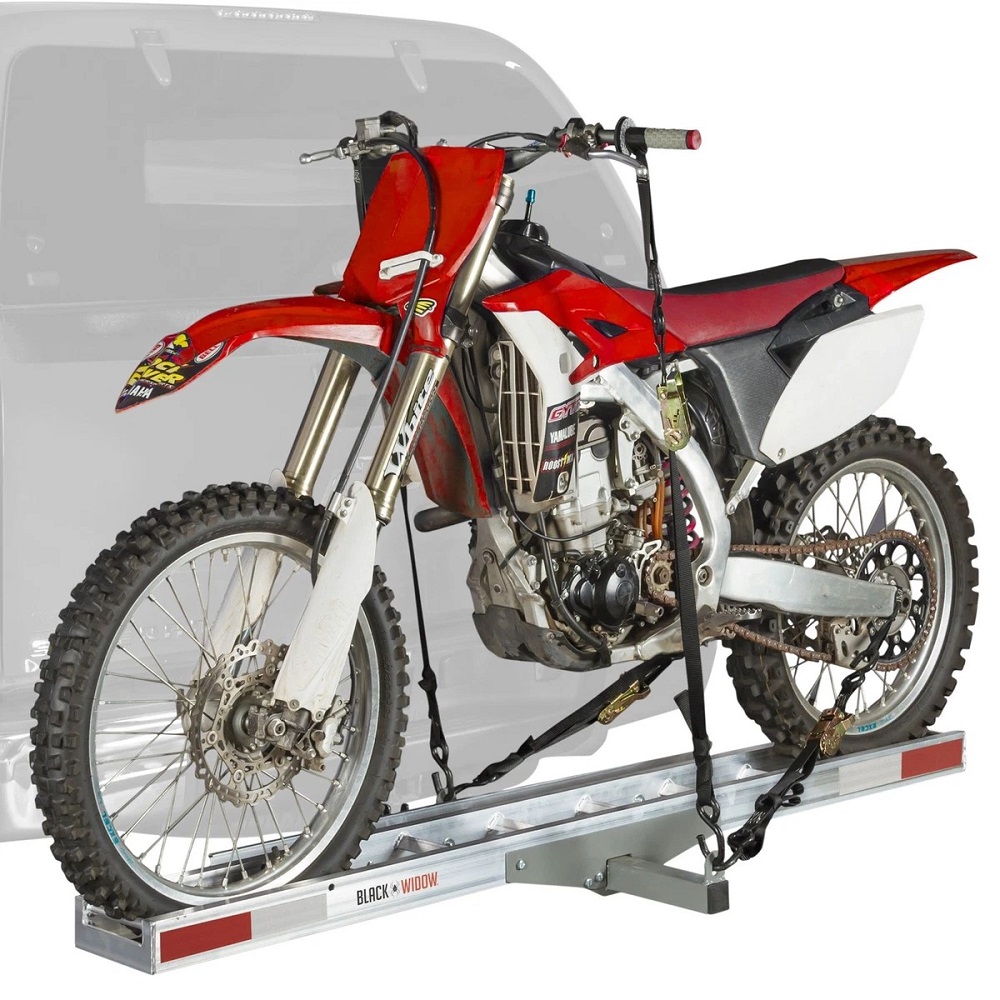
Introduction to Motorcycle Racks
Motorcycle racks are essential for transporting your bike safely and securely. Whether you are heading to a track day, a weekend getaway, or doing maintenance at a friend’s garage, having the right motorcycle rack can make all the difference. Understanding how to use these racks properly is crucial for ensuring the safety of both your motorcycle and other road users. This article covers best practices for using motorcycle racks to transport your bike effectively.
Safely transporting a motorcycle not only protects your investment but also keeps your bike in top condition. By following best practices, you can avoid damage during transit, ensuring that your motorcycle is ready to ride when you arrive at your destination. Let’s explore the various aspects of choosing and using motorcycle racks for safe transportation.
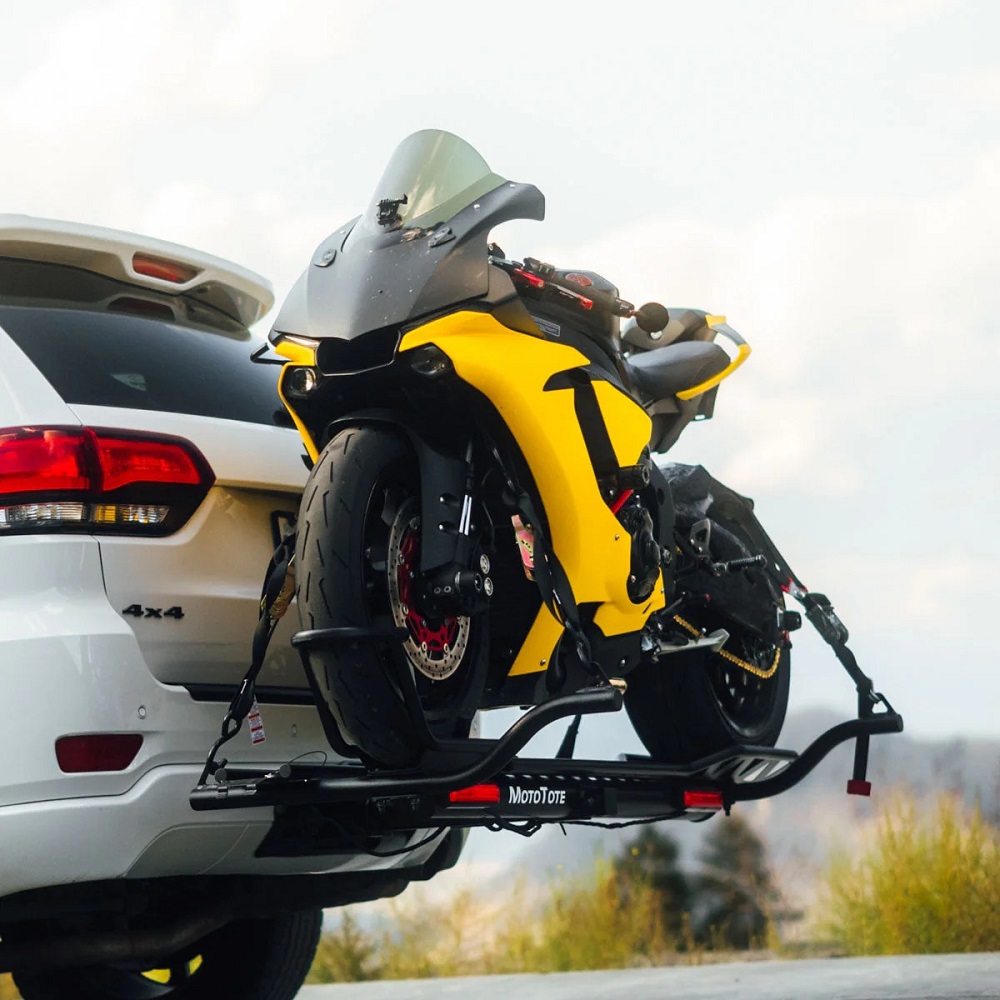
Benefits of Using Motorcycle Racks
1. Convenience
Motorcycle racks provide a convenient solution for transporting your bike. They allow you to bring your motorcycle with you, enabling you to explore new places and ride different terrains. Loading your bike onto a rack means you can travel further without worrying about the limitations of riding long distances.
This convenience is especially appreciated during events or gatherings where you meet up with fellow riders. Having your motorcycle with you opens up opportunities for spontaneous adventures and exploration. Motorcycle racks enhance the riding experience by making it easier to transport your bike wherever you go.
2. Safety and Stability
Using a motorcycle rack ensures that your bike is securely transported. Properly designed racks are equipped with features to keep the motorcycle stable throughout the journey. This stability is crucial in preventing shifting or bouncing that can lead to damage or accidents.
Good quality racks also provide added safety by keeping the motorcycle at an appropriate height and distance from the ground. A well-secured bike minimizes the risk of accidents while traveling on highways or rough roads. This added safety can be a major advantage during road trips.
3. Versatility and Functionality
Motorcycle racks come in various styles, catering to different needs. Whether you prefer a hitch-mounted rack, a truck bed rack, or a platform style, there are options to suit every vehicle type. This versatility makes it easy to find the right solution for transporting your motorcycle safely.
Many racks also have additional features, such as adjustable settings for different bike sizes or integrated tie-down points. These functional enhancements allow for more straightforward loading and unloading of motorcycles. Investing in a quality rack streamlines the process of transporting your bike, making it a more enjoyable experience overall.
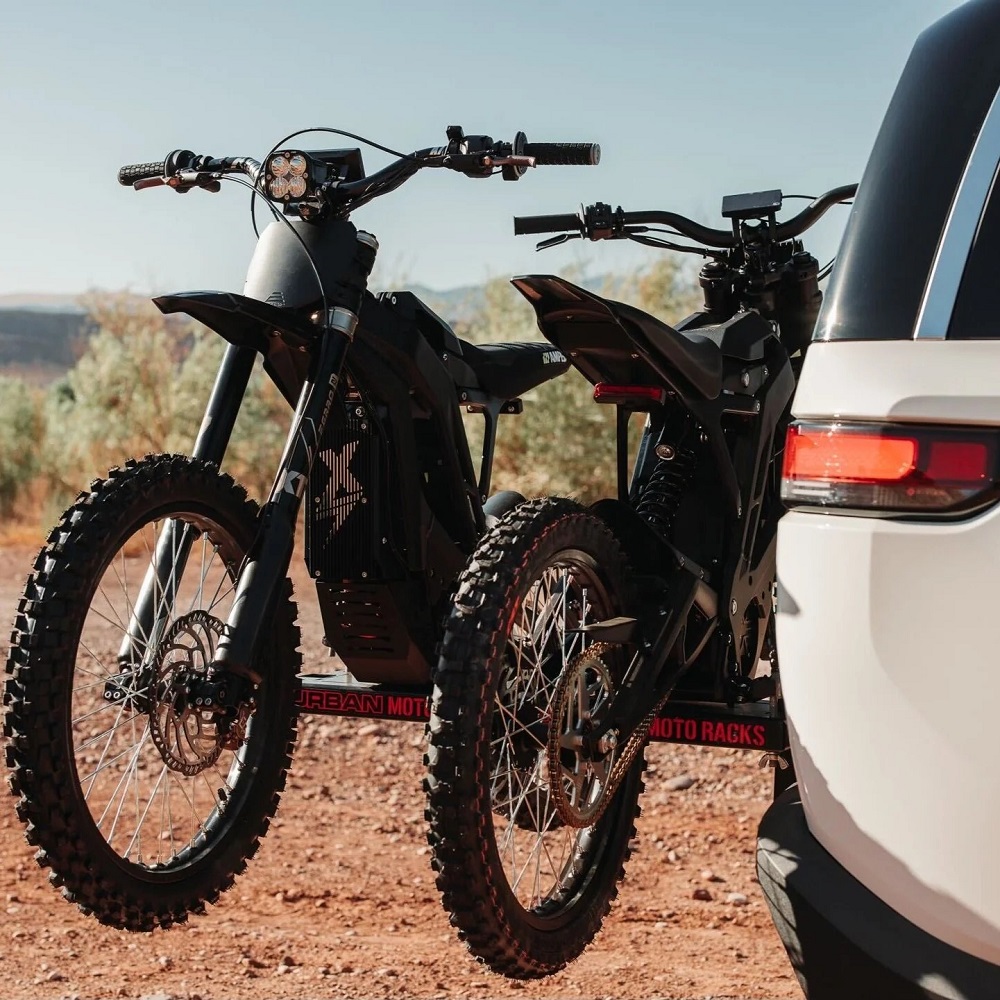
Choosing the Right Motorcycle Rack
1. Understand Your Vehicle Compatibility
Before purchasing a motorcycle rack, consider your vehicle’s compatibility. Not all racks work with every vehicle, so it is essential to select one that fits your car or truck. Verify your vehicle’s towing capacity to ensure the rack can safely hold the weight of your motorcycle.
Research specific rack types designed for your vehicle. For example, hitch-mounted racks require a compatible hitch receiver installed at the back of your vehicle. Understanding the requirements for your vehicle will guide your purchase and installation process.
2. Determine Rack Type
Motorcycle racks come in different types, each with unique features. Hitch-mounted racks are popular for their ease of use and stability. These are designed to attach to the hitch of a vehicle, allowing for quick loading and unloading.
Another option is the truck bed rack, which utilizes the space in the truck bed to secure the motorcycle directly. This style is ideal for those who own a truck and frequently transport their bike. Consider your lifestyle and preferences when choosing between different rack types to ensure the best fit for your transportation needs.
3. Load Capacity and Weight Limitations
Understanding the load capacity of the motorcycle rack is crucial before purchasing. Every rack has a specified weight limit that you should adhere to for optimal safety. Exceeding this limit may strain the rack, posing risks during transport.
When evaluating the load capacity, factor in the weight of the motorcycle along with any additional items you might carry. Popular motorbikes can vary significantly in weight, so ensuring the rack can support your specific model is necessary. Choosing a rack with a higher weight capacity than required provides extra safety during your travels.
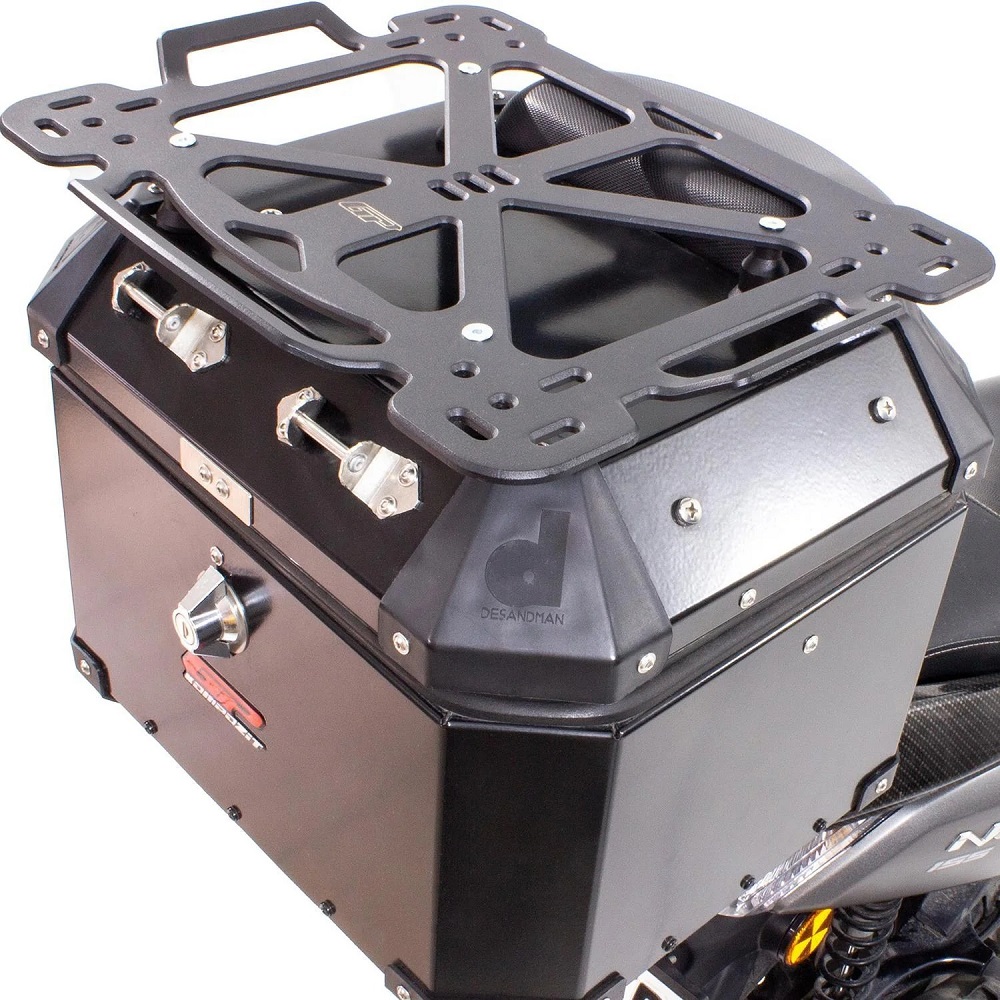
Preparing Your Motorcycle for Transport
1. Cleaning and Maintenance
Before loading your motorcycle onto the rack, it’s a good idea to clean and maintain it. Ensuring that the bike is free of dirt and debris prevents scratches and maintains its appearance. Regular maintenance, such as checking tire pressure and oil levels, is also essential for safe transport.
Taking care of these tasks helps you identify any potential mechanical issues before transport. A well-maintained motorcycle is not only safer but also performs better. This preparation promotes a smoother ride at your destination.
2. Properly Securing Loose Items
Before loading your motorcycle, remove any loose items that might rattle or fall off during transit. Accessories such as mirrors, bags, or loose parts can become hazards if not secured properly. Removing or ensuring these items are safe will help guarantee a secure journey.
If your motorcycle has removable parts that could affect transport, consider detaching them before placing it on the rack. Secure any additional items, such as saddlebags or tank bags, to avoid damage or loss. Taking these precautions contributes to a worry-free transportation experience.
3. Using a Kickstand
Using a kickstand properly is crucial when loading and unloading your motorcycle. The kickstand provides stability when the bike is resting on the rack. Ensure that the kickstand is in good condition and can support your bike securely.
When loading the motorcycle onto the rack, use the kickstand to balance it temporarily. This allows you to maneuver it into place without worrying about tipping. Understanding how to use the kickstand effectively minimizes the risk of accidents during transport.
Loading Your Motorcycle onto the Rack
1. Approach the Rack Gradually
When loading your motorcycle onto the rack, approach the task with caution. Gradually guide the bike onto the rack while keeping a steady hand on the handlebars. It’s essential to maintain focus at this moment, as distractions can lead to accidents.
Align the bike’s tires with the designated wheel slots on the rack. Ensure that the front wheel is securely positioned before proceeding. This careful approach will help prevent errors during loading and keep you safe throughout the process.
2. Securing the Motorcycle
Once the motorcycle is on the rack, securing it is vital for safe transport. Most racks come with tie-down straps or brackets to keep the bike stable. Use high-quality, durable straps that can withstand the weight of the motorcycle.
Position tie-down straps securely over the handlebars and the rear of the bike. Ensure they are tight enough to hold the motorcycle in place, but not so tight that they risk damaging the components. Properly securing the motorcycle minimizes the risk of movement during transit, ensuring safety and stability.
3. Double-Check Everything
Take a moment to double-check everything before hitting the road. Ensure that all straps are secured properly and that the bike is stable on the rack. Confirm that there are no loose items that could fall off during transport.
Inspect the entire setup, from the motorcycle to the hitch connection, to ensure everything is in order. Taking these extra minutes can avoid potential issues on the road. A thorough check guarantees a smoother ride, both for you and your motorcycle.
Driving with a Loaded Motorcycle Rack
1. Adjusting Your Driving Style
Transporting a motorcycle requires adjustments to your driving style. A loaded rack may alter the balance and handling of your vehicle slightly. It is essential to drive with caution and be aware of how the weight affects your handling.
Take wide turns and avoid sudden movements that could upset your motorcycle’s stability. Ensure that you maintain a safe distance from other vehicles, allowing for extra time and space to stop or maneuver when necessary. Adjusting your driving style increases overall safety on the road.
2. Monitoring Your Load
While driving with a loaded motorcycle rack, it is essential to regularly monitor your load. Look in your rearview mirrors to check for any shifting or movement. If you notice something amiss, it is vital to pull over safely and address the situation immediately.
Regular checks ensure that your motorcycle remains secure and that the rack is holding up correctly. Being vigilant while driving adds an extra layer of safety during transport.
3. Adjusting for Road Conditions
Be mindful of road conditions when transporting your motorcycle. Uneven surfaces, potholes, or bumps can affect your motorcycle’s stability on the rack. Slow down as necessary and avoid sudden changes in speed or direction.
In inclement weather, such as rain or snow, drive with added caution. Wet or slippery roads can increase the risk of losing control. Adjust your driving speed according to the weather conditions, ensuring your safety and that of your motorcycle.
Customer Experiences and Feedback
Positive Reviews
Many motorcycle enthusiasts report positive experiences with their racks. They often highlight the convenience and reliability of transporting their motorcycles. Positive testimonials emphasize how securely their bikes fit into the racks, allowing for worry-free travel.
Customers appreciate the ease of loading and unloading their bikes as well. Many have shared how simple and efficient the process can be when the right equipment is used. This feedback reinforces the value of investing in a quality motorcycle rack that meets specific needs.
Constructive Criticism
While feedback is primarily positive, some customers offer constructive criticism regarding the installation process. Several users mention that certain racks may require additional tools or hardware to secure effectively. Understanding the specific installation needs can help potential buyers plan ahead.
Others express concerns about the weight limit of specific racks, emphasizing the importance of verifying compatibility with their motorcycles. This insight aids potential customers as they evaluate the right rack for their needs. Addressing these critiques helps improve product offerings and enhances customer satisfaction.
Building Brand Loyalty
Quality and positive experiences often lead to brand loyalty among customers. Many riders express strong preferences for brands known for their dependable motorcycle racks and accessories. Satisfied customers frequently return for additional purchases, solidifying their trust in the brand.
Brands that engage actively with their customer base and seek feedback can cultivate successful relationships. Open communication fosters a sense of community around the brand. This commitment to customer service often enhances long-term loyalty and satisfaction.
FAQ:
- How do I choose the right motorcycle rack for my bike?
- Consider your motorcycle’s weight, size, and style, as well as the type of vehicle you’ll be using. Ensure the rack has sufficient weight capacity and is compatible with your bike’s mounting points.
- What safety precautions should I take when using a motorcycle rack?
- Always secure your motorcycle with quality tie-down straps or wheel chocks. Check the rack and attachments before departure, and verify that your bike is stable and won’t shift during transport.
- Are there weight limits I should be aware of when using a motorcycle rack?
- Yes, each motorcycle rack has a specified weight limit, detailed in the manufacturer’s guidelines. Never exceed this limit, as it can compromise safety and stability while transporting your bike.
- What should I inspect before transporting my motorcycle on a rack?
- Check tire pressure, fluid levels, and battery condition. Additionally, ensure that any removable parts, such as mirrors or windshields, are secured or removed to prevent damage during transit.
- How do I properly load and unload my motorcycle from a rack?
- When loading, position the motorcycle carefully on the rack and secure it using tie-down straps. For unloading, carefully remove the straps and slowly back the bike off the rack, ensuring you have a good grip and footing throughout the process.
Conclusion: Ensuring Safety with Motorcycle Racks
Choosing the right motorcycle racks can enhance your riding experience by providing comfort and safety during transport. By following best practices for installation, loading, and driving, you can significantly reduce potential risks associated with transporting a motorcycle. Investing in quality gear and maintenance is crucial for ensuring that your motorcycle is secure and ready for the road.
Prioritizing safety should always be your main concern, both while riding and transporting your motorcycle. Comfortable, properly secured gear contributes to a positive riding experience, allowing you to enjoy every moment.
Ultimately, motorcycle racks serve as essential tools for adventure and exploration, especially when considering the best motorcycle racks for safe transport. As you make travel plans and embark on new journeys, embrace the convenience they offer. With careful planning and consideration, you can safely transport your motorcycle and enjoy the freedom it brings! Ride safe and explore the open road with confidence!
Leave a Reply