The Basic Function of a Motor Mount
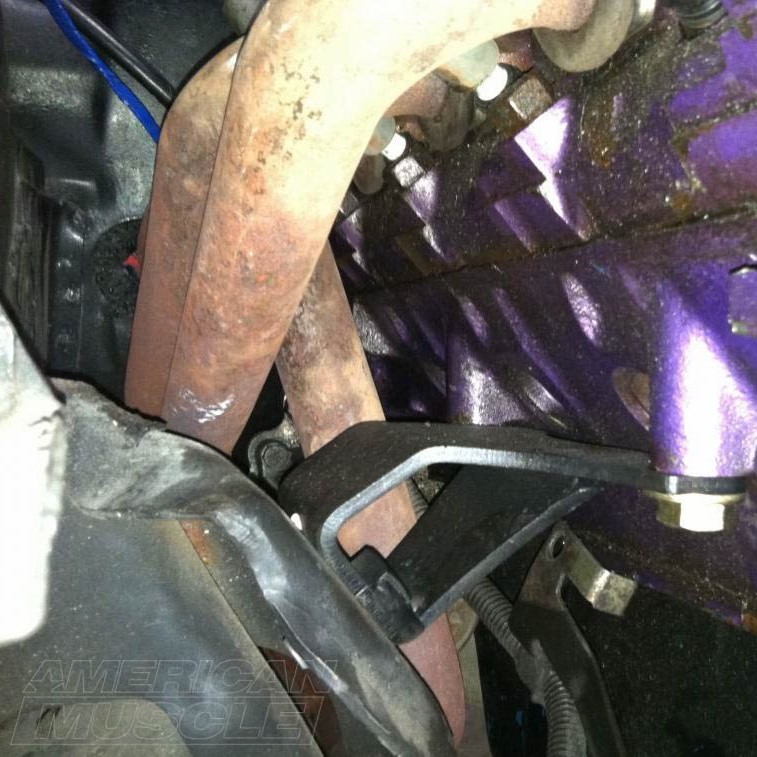
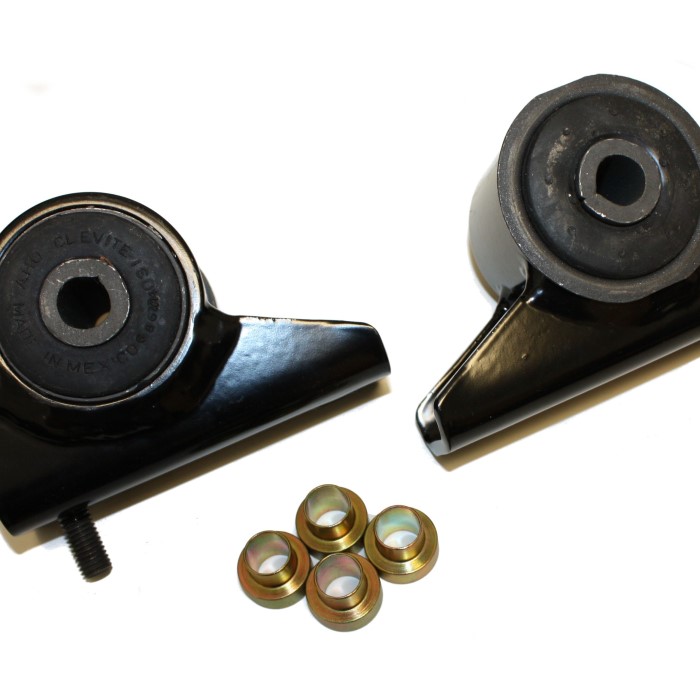
The engine is the heart of your vehicle. It is also the heaviest part. It generates immense power to move the car. However, it also creates significant vibrations. If you bolted the engine directly to the frame, you would feel every shake. The car would rattle violently. This is where the motor mount becomes crucial. What is a motor mount? It acts as a bridge. It secures the engine to the chassis. Yet, it isolates the engine’s vibrations. This ensures a smooth ride for the passengers. Think of it as a shock absorber for your engine. It holds the heavy block firmly in place. At the same time, it allows for slight movement. This flexibility is key. Without it, the engine would tear itself apart.
Furthermore, motor mounts serve a safety purpose. They keep the engine aligned. They prevent it from shifting during acceleration or braking. Imagine braking hard. The momentum pushes the engine forward. The mounts resist this force. They maintain the correct position. Consequently, the engine does not hit other components. This protects vital parts like the radiator or fan. It also maintains the alignment of the driveshaft. Proper alignment ensures power transfers efficiently to the wheels.
Additionally, these mounts support the transmission. In many cars, the engine and transmission connect as one unit. They share the load. Therefore, mounts exist on both sides. Usually, there are two or three mounts. One supports the engine. Another supports the transmission. A third might stabilize the torque. All these work in unison. They create a stable platform. This stability is vital for performance. It allows the suspension to work correctly. It prevents noise and harshness from entering the cabin.
Different Types of Motor Mounts in Vehicles
What is a motor mount? Not all motor mounts are the same. Manufacturers use different designs based on the vehicle‘s purpose. Understanding the differences helps you choose the right replacement. The most common type is the rubber mount. It consists of a metal plate with a rubber block in between. This rubber absorbs the vibrations. These mounts are standard in most economy cars. They are durable and cost-effective. However, they offer basic performance. They might not last as long under high stress. Therefore, they suit daily driving well.
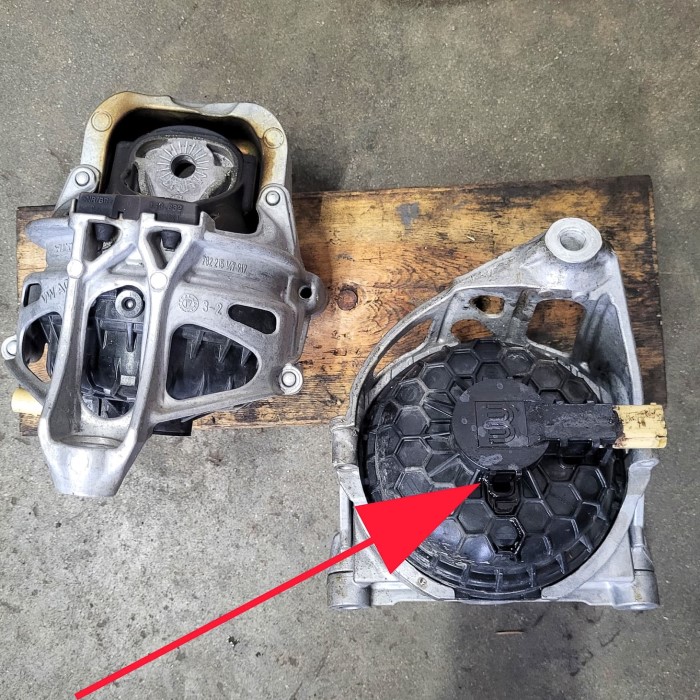
Next, we have hydraulic motor mounts. These are more advanced. They use fluid to dampen vibrations. The design resembles a shock absorber. Inside, a chamber fills with a thick liquid. This fluid moves through small channels. It creates resistance. Consequently, it dampens vibrations much better than rubber. You often find these in luxury vehicles. They provide a whisper-quiet cabin. But, they are more complex. They can leak fluid when they fail. This makes them easy to identify.
Furthermore, performance cars often use polyurethane mounts. These are much stiffer than rubber. They create a solid connection between the engine and chassis. This reduces engine movement significantly. Drivers feel a direct connection to the car. Throttle response improves. However, there is a trade-off. They transmit more vibration into the cabin. The ride becomes rougher. This is fine for a track car. But it might annoy a daily commuter.
Finally, some modern vehicles use active motor mounts. These are technological marvels. They use sensors and electronics. They can change their stiffness in real-time. When the engine vibrates more, they stiffen up. When the car cruises, they soften. This provides the best of both worlds.
Material Composition and Durability Factors
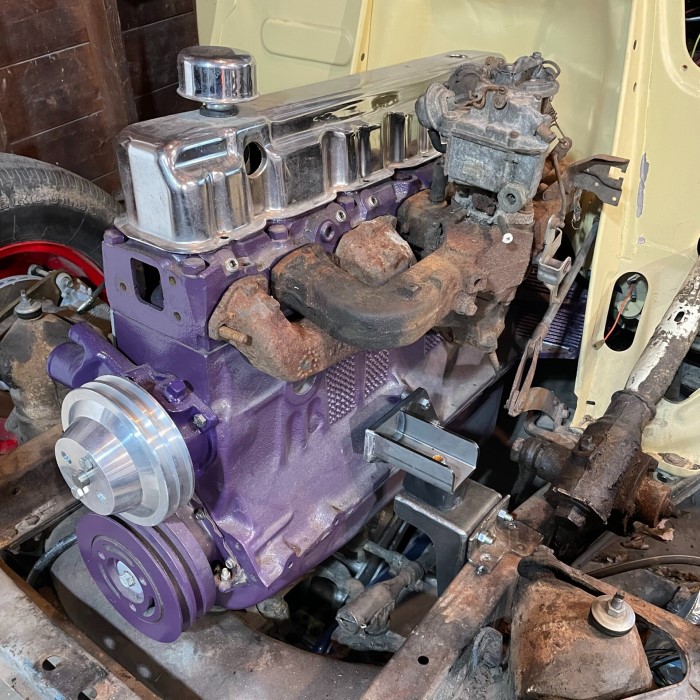
What is a motor mount? The lifespan of a motor mount depends heavily on its materials. As mentioned, rubber is the primary component. However, rubber degrades over time. It faces harsh conditions daily. The engine bay gets extremely hot. The rubber sits next to a block of metal reaching hundreds of degrees. Heat causes rubber to harden and crack. It loses its elasticity. Consequently, the mount can no longer absorb vibrations. It becomes a solid piece of metal. This leads to the transfer of shakes and rattles. Temperature cycles accelerate this process. From freezing mornings to scorching drives, the material expands and contracts.
Moreover, oil contamination is a major enemy. Engines often leak oil as they age. Oil is a solvent for rubber. If oil drips onto the mount, it softens the rubber. The rubber turns into a soggy mess. It loses its structural integrity. The engine weight causes the mount to sag. This misaligns the engine. Therefore, checking for oil leaks is vital. A small leak can destroy a mount very quickly.
Polyurethane mounts offer superior durability. This material resists oil and heat better than rubber. It is a plastic-like substance. It does not degrade as easily. Consequently, performance enthusiasts prefer it. It holds up under high torque and stress. However, its stiffness can be a downside. It places more stress on the chassis. The vibration can cause other parts to rattle loose.
How to Tell If a Motor Mount Is Bad
What is a motor mount? Identifying a bad motor mount is crucial for maintenance. You do not need to be a mechanic to spot the symptoms. The signs are often audible and tactile. One of the first signs is excessive vibration. You will feel this in the cabin. The steering wheel might shake. The seat might rumble. This is most noticeable when the car is idling. The vibration creates a rough feeling. It is different from the smooth hum you are used to. As the mount deteriorates, the vibration gets worse. It becomes a constant annoyance. This happens because the rubber has hardened or separated.
Furthermore, listen for strange noises. A bad mount often causes clunking or banging sounds. This happens when you accelerate or decelerate. The engine twists due to torque. The broken mount allows it to move too far. It hits the frame or other parts. This impact creates the noise. You might hear it when shifting gears. The sudden change in load causes the engine to lurch. It is a distinct metallic sound. It indicates a serious problem.
Additionally, visual inspection helps. You can look at the mounts if you know where to find them. Look for cracks in the rubber. Check for oil seeping out of hydraulic mounts. If the rubber looks separated from the metal plate, the mount is useless. Sometimes, the mount sags. This lowers the engine on one side. You might notice the hood sits slightly crooked. This visual cue is a dead giveaway.
Another symptom is impact noise when hitting bumps. If the engine is loose, it bounces. It slams against the chassis. This can feel like a suspension issue. However, the source is the engine bay. Do not ignore these signs. A failed mount puts stress on other components. The radiator hoses can stretch and tear.
The Risks of Ignoring a Failing Motor Mount
Many drivers ignore minor vibrations. They assume it is just an old car trait. However, ignoring a bad motor mount is dangerous. The risks extend beyond comfort. They affect the vehicle’s safety and longevity. First, the engine becomes unstable. It is a heavy mass of metal. Without proper support, it moves violently. This movement strains the connected parts. The exhaust system is a primary victim. The engine pulls on the exhaust manifold. This can crack the manifold. It can break the exhaust pipes. A damaged exhaust leaks fumes. This is a serious health hazard. Carbon monoxide can enter the cabin.
Moreover, the cooling system suffers. The radiator connects to the engine via hoses. Excessive engine movement stretches these hoses. Eventually, they rupture. The coolant leaks out. The engine overheats rapidly. Overheating causes severe engine damage. It can warp the cylinder head. It can blow a gasket. These repairs cost thousands of dollars. All this happens because of a small rubber mount.
Additionally, the drivetrain takes a hit. The transmission connects to the engine. A broken mount misaligns the drivetrain. The driveshaft angles change. This causes vibrations in the axle. It wears out the universal joints. The transmission mount also takes extra stress. It can fail prematurely. You might find it hard to shift gears. The linkage gets obstructed. The car becomes difficult to drive.
Furthermore, safety is compromised. In an extreme case, the engine can drop. This usually happens while driving. The engine hits the road. This can lock the wheels. It causes a sudden loss of control. The car can crash. Even if the engine does not drop, severe tilting can occur. The fan can strike the radiator.
Motor Mount Replacement Cost and Factors
Cost is a major concern for car owners. You want to know the financial impact. The motor mount replacement cost varies. It depends on several factors. The make and model of your car is the biggest factor. Luxury cars cost more to fix than economy cars. The parts are more expensive. The labor is often more complex. For a standard sedan, parts are relatively cheap. A single rubber mount might cost between 50 150. Hydraulic or active mounts cost much more. They can range from 200 500 each.
Labor costs also add up. Replacing a mount is not always easy. The mechanic must support the engine. They often need to remove other parts. They might need to take off the cooling fan or air intake. This takes time. Labor rates vary by shop. They usually charge by the hour. A typical replacement job might take one to three hours. Therefore, the total cost can range from 200 600. For complex jobs on high-end cars, it can exceed $1000.
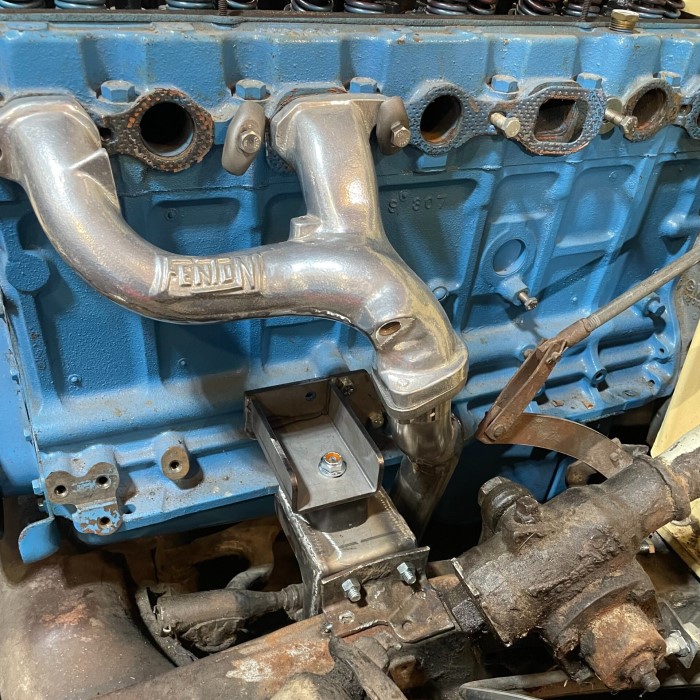
Furthermore, you should replace all worn mounts. If one mount fails, the others carry extra load. They likely will fail soon too. Replacing them all at once saves labor time. The mechanic already has the engine supported. Doing them separately costs more in the long run. It is a smart preventative measure.
The type of shop affects the price. Dealerships charge higher rates. Independent garages are often cheaper. However, ensure the mechanic is qualified. They must know how to handle your specific car. A poorly installed mount will fail quickly. It can cause damage. Therefore, look for a reputable mechanic. Read reviews. Ask for quotes. Compare prices. Do not just choose the cheapest option. Quality workmanship is vital.
Installation and Maintenance Tips
Proper installation ensures the longevity of new mounts. If you choose to hire a mechanic, communicate clearly. Ask them to inspect all mounts. Request a detailed quote. Ensure they use quality parts. OEM (Original Equipment Manufacturer) parts are best. They fit perfectly. Aftermarket parts vary in quality. Cheap aftermarket mounts might fail within a year. Investing in good parts saves you money later.
If you decide to install them yourself, follow safety rules. Disconnect the battery first. This prevents electrical shorts. You need an engine support fixture. This bar spans the engine bay. It holds the engine weight. You can also use a floor jack. Place a block of wood on the jack. This protects the oil pan. Gently lift the engine to relieve pressure on the mounts. Then, unbolt the old mount. Compare the new mount to the old one. Ensure they are identical. Bolt the new one in place. Do not over-tighten the bolts. Follow the torque specifications. Too much force can strip the threads. Too little force allows movement.
Furthermore, break in the new mounts. The rubber needs time to settle. Drive gently for the first few days. Avoid hard acceleration. This allows the mounts to seat properly. It ensures they support the engine correctly. You might notice a slight smell of rubber. This is normal. It is the settling process.
Maintenance is mostly preventative. Check your motor mounts during oil changes. Look for cracks or leaks. Keep the engine bay clean. Wash off oil and dirt. This prevents contamination. Address oil leaks immediately. Fixing a valve cover gasket leak is cheaper than replacing mounts. Regular inspections catch problems early.
FAQ
What happens if your motor mount goes bad?
If your motor mount goes bad, the engine will not be secure. It will vibrate excessively. You will feel shaking in the cabin. The engine might also shift or lurch when you accelerate. In severe cases, the engine can drop. This damages the radiator, fan, and hoses. It creates a safety hazard and can lead to very expensive repairs.
How do I know if my car needs motor mounts?
You will notice several clear symptoms. The most common sign is increased vibration. You might feel a clunking noise when shifting gears. The car might also lurch forward when braking. Visually, you might see cracks in the rubber. You might see oil leaks near the mount. If you experience these, have a mechanic inspect the car.
Can you drive with a motor mount?
Technically, you can drive with a broken motor mount for a short time. However, it is not safe. It causes damage to other parts. The longer you drive, the worse it gets. The engine can move and break connectors or hoses. You should replace a bad mount as soon as possible. It is a critical safety component.
Conclusion
The motor mount is a silent hero. It works hard under the hood. It secures the engine. We have explored what is a motor mount and its function. We looked at the types of motor mounts in vehicles. You now know the importance of this component. It is small but mighty. It protects your engine and transmission. Therefore, pay attention to the signs. Do not ignore vibrations or clunking noises. These are your car’s way of crying for help. Understanding how to tell if a motor mount is bad is a valuable skill. It helps you act quickly.
Timely repairs save you money. They prevent major damage. The motor mount replacement cost is a small price to pay for safety. Ignoring it leads to much higher bills. Always watch for signs of a failing motor mount. Keep your engine secure. Keep your ride smooth. Take care of your car. It will take care of you. This knowledge empowers you as a driver. You can make informed decisions. You ensure your vehicle remains reliable for years to come.
Leave a Reply