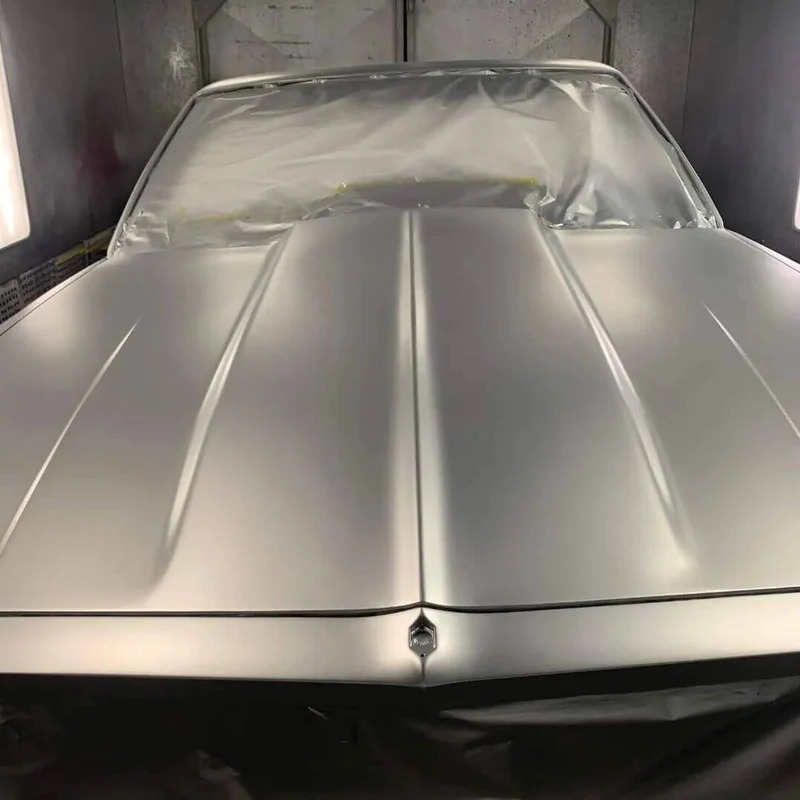
The Enduring Popularity and History of Silver
Silver has dominated the automotive color charts for many years. It consistently ranks as one of the top choices worldwide. But why is this neutral shade so beloved? The answer lies in its versatility. Silver looks fantastic on almost any vehicle type. It suits sports cars, sedans, and SUVs alike. Furthermore, silver has a rich history in the automotive world. It became iconic in the mid-20th century. Legendary race cars often wore silver livery. This heritage gives the color a sporty and premium feel. Consequently, consumers associate silver with speed and luxury. Automakers also love this color. It hides dust and dirt better than darker colors. This practical benefit appeals to busy car owners. Therefore, the popularity of silver car paint is no accident. It is a perfect blend of style and utility.
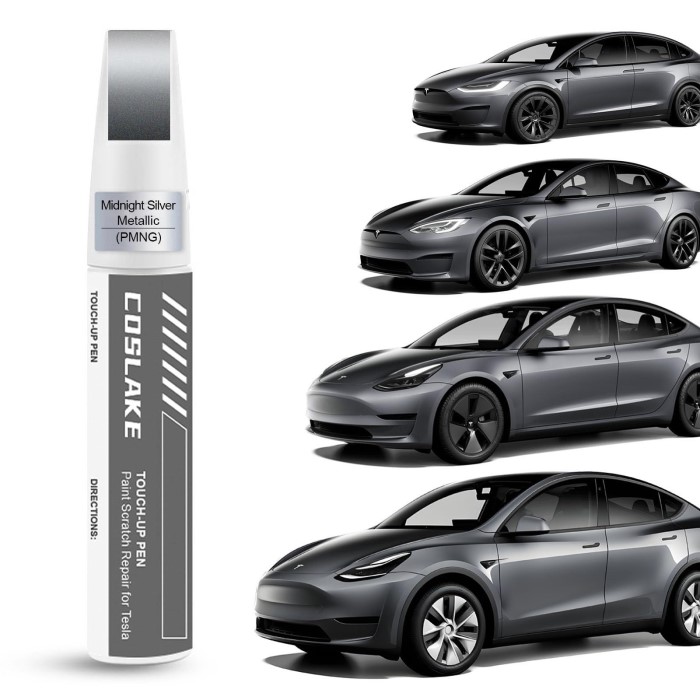
Trends in car colors come and go. However, silver remains a constant presence. In the 1990s and 2000s, silver saw a massive surge in popularity. It became the color of the future. Technology companies often used silver for their products. Cars followed this trend. The “millennial silver” phase defined a generation of vehicles. Today, the shade has evolved. We now see brighter, more complex silver finishes. These modern paints use advanced flakes. They sparkle in the sunlight. This evolution keeps the color fresh and exciting. Car designers continue to push boundaries. They experiment with matte and satin silver finishes. These options provide a distinct look. They move away from the traditional glossy shine. As a result, silver appeals to a younger demographic. It is not just a “safe” choice anymore. It is a stylish and modern option.
Understanding the Chemical Composition of Silver Finishes
Car paint is not just colored liquid. It is a complex chemical mixture. Silver car paint is particularly unique. It relies on aluminum flakes. These flakes create the metallic effect. The size and shape of these flakes matter. They determine how light reflects off the surface. Smaller flakes create a brighter, shimmering look. Larger flakes produce a sparkle effect. Furthermore, the orientation of the flakes is crucial. Painters apply the paint in thin layers. This allows the flakes to lay flat. If they do not lay flat, the finish looks uneven. This is often called “mottling.” Consequently, applying silver paint requires great skill. It is more challenging than applying solid colors.
The chemistry involves several layers. First, the primer provides a smooth base. Then, the base coat contains the pigment and metallic flakes. This layer provides the actual color. Finally, the clear coat seals everything. It protects the delicate base coat. This clear coat is essential for durability. It provides the gloss and depth. In the past, single-stage paints were common. Silver single-stage paint was difficult to polish. You would easily remove the metallic flakes. Today, the basecoat-clearcoat system is standard. It makes repairs and maintenance easier. Moreover, manufacturers add special additives. These additives prevent the aluminum from oxidizing. Aluminum naturally wants to dull and corrode. The paint chemistry inhibits this process. This ensures the car keeps its shine for years.
Exploring Different Types of Silver Car Paint
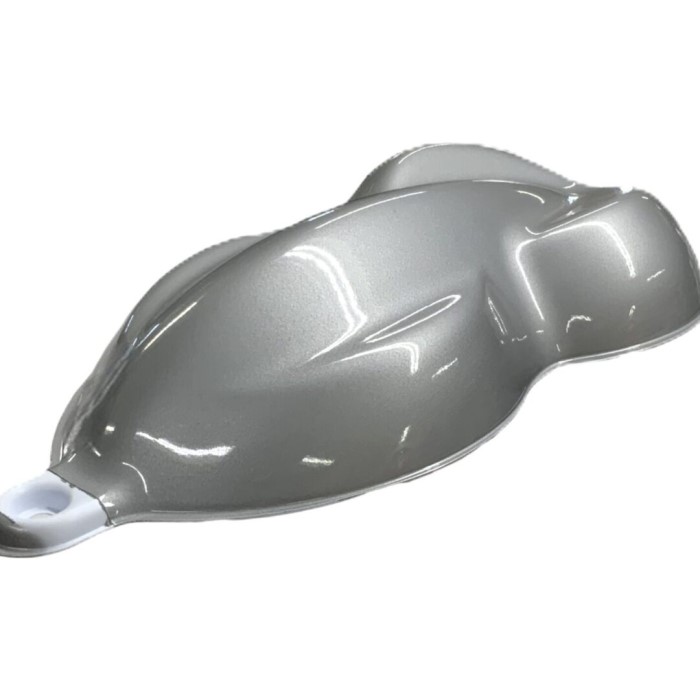
Not all silver paints are created equal. There are several distinct types available. Each offers a different aesthetic. The most common type is metallic silver. This finish contains aluminum powder. It gives the car a sparkling appearance. The light reflects off the flakes dynamically. This creates depth and movement. Metallic silver is the standard choice. It balances cost, style, and practicality. However, there are other exciting options. For instance, pearl silver is another popular type. This paint uses ceramic crystals. These crystals interfere with light waves. As a result, the color seems to change in different lights. Pearl silver can have warm or cool undertones. It looks incredibly luxurious and deep. Often, it appears on high-end luxury sedans.
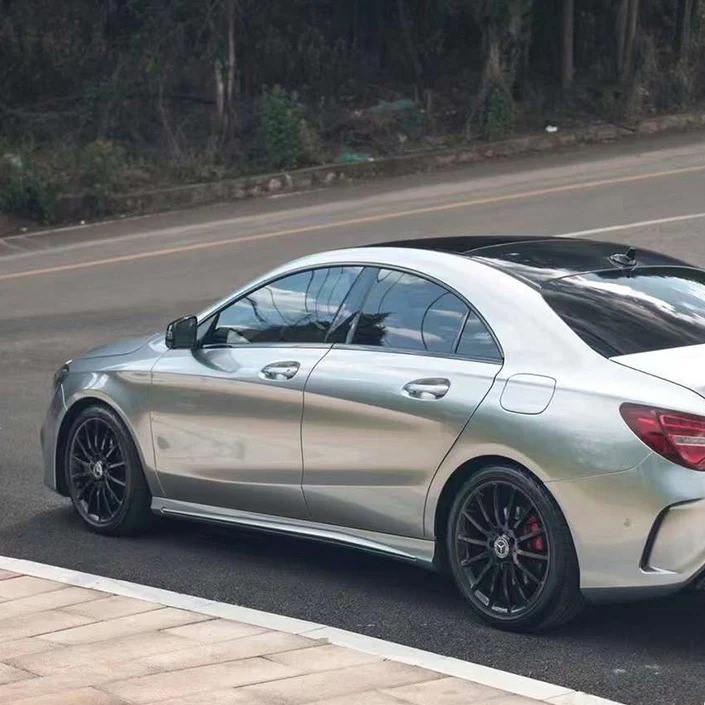
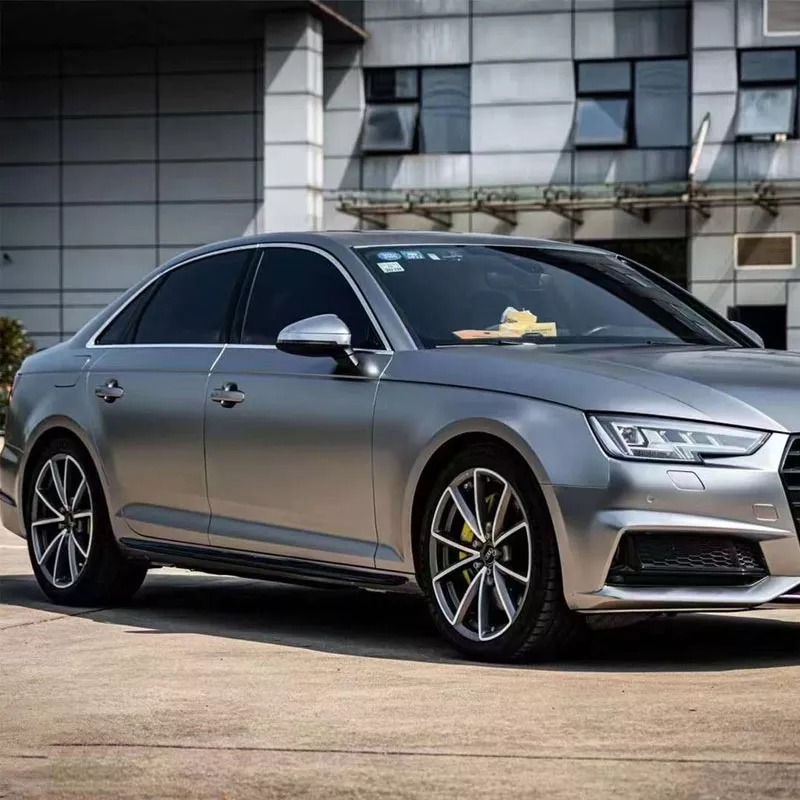
Another option is matte or satin silver. This finish is gaining traction recently. It offers a modern and stealthy look. The surface does not reflect light like a mirror. Instead, it has a soft, diffuse glow. Matte paint is technically difficult to maintain. You cannot polish it easily. Polishing creates shiny spots. This ruins the matte effect. Therefore, it requires specialized cleaning products. Furthermore, matte finishes show fingerprints easily. They are not for everyone. But for enthusiasts, they make a bold statement. They turn a standard car into a showstopper. Additionally, there is chrome silver. This is an extreme finish. It is highly reflective, almost like a mirror. Chrome wraps are more common than chrome paint. Real chrome paint is very expensive. It involves a complex electroplating process. However, “chrome look” paints exist. They use very fine pigments to mimic the effect.
Benefits of Choosing Silver for Your Vehicle
Choosing silver offers numerous practical advantages. It is not just about aesthetics. Silver is one of the most functional car colors available. One major benefit is heat reflection. Dark colors like black absorb sunlight. This makes the car interior very hot. Silver, conversely, reflects sunlight. This keeps the cabin cooler in summer. Consequently, your air conditioner works less. This can slightly improve fuel economy. It also reduces wear on the AC system. For those in hot climates, this is a major selling point. Comfort is significantly improved. Furthermore, silver is excellent at hiding dirt. A black car shows dust immediately. A white car shows mud and road grime. Silver sits in the middle. It camouflages light dust and water spots. You do not need to wash it every week. This saves time and money.
Safety is another key benefit. Silver is a highly visible color. It contrasts well with dark asphalt. It also reflects ambient light at night. Studies have shown silver cars are involved in fewer accidents. They are more visible to other drivers. This is especially true in poor weather. Rain and fog can hide dark cars. Silver cars cut through the gloom. Therefore, choosing silver is a safety-conscious decision. It protects you and your family. Additionally, silver is forgiving of scratches. Tiny scratches often go unnoticed on silver paint. The metallic flake disguises the surface. On a solid black car, every swirl mark shows. This reduces the stress of daily driving. You do not need to panic about every little imperfection.
Application Techniques and Repair Processes
Applying silver paint is a skilled task. It is often considered one of the hardest colors to spray. The metallic flakes must orient correctly. If they do not, the finish looks blotchy. This is called “flashing.” Therefore, technique is paramount. Professionals use specific spray guns. They use high-quality HVLP (High Volume Low Pressure) guns. The air pressure is set precisely. The painter must move the gun at a constant speed. Inconsistent speed leads to uneven coverage. Furthermore, the environment matters. Dust and humidity can ruin a paint job. The spray booth must be clean and temperature-controlled. Amateur painters often struggle with silver. The paint can look different from different angles. This is known as “mottling” or “striping.” It ruins the aesthetic.
The repair process is also complex. If you scratch your car, you need touch-up paint. Finding the exact shade is critical. This brings us to the importance of the color code. Every manufacturer has specific codes. A “Nissan Silver” is not the same as a “Honda Silver.” Using the wrong code results in a visible patch. Therefore, you must locate your specific color code. It is usually on a sticker in the door jamb. Once you have the paint, preparation begins. You must clean the area thoroughly. Wax and grease must be removed. Then, you apply the base coat. You must spray light, misty coats. Heavy coats cause the flakes to sink. This makes the spot look dark. You build up the coverage gradually. This takes patience.
Proper Maintenance and Care for Silver Paint
Maintaining silver paint is relatively easy. However, it still requires regular attention. The first step is washing. You should wash your car every two weeks. Use a car-specific soap. Dish soap can strip away protective wax. Furthermore, use the two-bucket method. One bucket holds soapy water. The other holds clean rinse water. This keeps dirt off your wash mitt. Scratches are the enemy of all paint. Silver hides them, but prevention is better. Additionally, drying is crucial. Do not air dry. This leaves water spots. Water spots are mineral deposits. They can etch into the clear coat. Use a microfiber drying towel. These towels are soft and absorbent. They glide over the surface without scratching.
Waxing or sealing is the next step. This adds a layer of protection. It shields the paint from UV rays. It also makes the car slicker. Dirt slides off more easily. You should wax your car every three months. Alternatively, you can use a ceramic coating. Ceramic coatings are more durable. They last for years, not months. They provide incredible shine. Silver paint looks stunning with a ceramic coating. The metallic flakes seem to pop more. Moreover, the coating makes cleaning easier. Bird droppings and tree sap are acidic. They can damage the clear coat. A coating acts as a sacrificial layer. It takes the damage so the paint does not have to. You must remove bird droppings quickly. They bake in the sun and become corrosive.
Parking habits also affect paint life. Park in the shade whenever possible. UV rays fade paint over time. Silver is durable, but it can still fade. A garage is the best place for a car. It protects from sun, rain, and hail. If you must park outside, consider a car cover.
Silver Car Paint vs Gray Car Paint
Silver and gray are often confused. However, they are distinct categories. They offer different visual impacts. Silver contains metallic flakes. It reflects light brightly. It has a shimmering, lively quality. Gray, on the other hand, is usually flat. It is a solid, non-metallic color. It absorbs light rather than reflecting it. Therefore, gray has a more understated look. It is often described as “flat” or “matt.” Although, metallic gray options do exist. These are often called “gunmetal” or “graphite.” These shades bridge the gap. They have flakes but a darker base. This comparison is vital for buyers. Your choice defines the car’s personality.
The maintenance levels differ significantly. Silver is the low-maintenance champion. It hides dust and minor scratches. It reflects heat effectively. Gray is a bit more demanding. Light gray acts similarly to silver. It hides dirt fairly well. However, dark gray is closer to black. It shows dust and pollen. You will see a layer of yellow dust on a dark gray car. Furthermore, swirl marks are visible on dark gray. Scratches from washing become apparent in direct sunlight. Silver masks these imperfections much better. Consequently, silver is better for those who dislike cleaning. It retains a clean look longer. Dark gray looks sleek when clean. But it requires frequent washing to stay that way.
Resale value also varies. Silver is a perennial favorite. It is universally accepted. Gray has risen in popularity recently. “Concrete” and “Nardo Gray” are trendy right now. They are popular among younger buyers. However, trends change. Silver is a classic. It is less likely to go out of style. A trendy gray might look dated in ten years. Silver is timeless. It is a safe bet for resale. Additionally, consider the car’s style. Sporty cars look great in silver. It highlights their curves.
FAQ Section
What is the brightest silver car paint?
The brightest silver paints usually use high concentrations of aluminum flakes. They are often labeled as “Brilliant Silver” or “Diamond Silver.” Manufacturers like Mercedes-Benz and Audi offer very bright, high-flake silver options. These finishes reflect the most light. They create a shimmering, almost white appearance in direct sunlight. The specific brightness depends on the size of the metallic particles used in the formula.
Is silver harder to paint than other colors?
Yes, silver is notoriously difficult to paint. This is due to the metallic flakes. They must orient perfectly flat. If they clump together, the paint looks dark. If they stand up, it looks light. This is called “mottling.” Solid colors like red or black are much easier. They do not have flakes to worry about. A smooth, even coat is easier to achieve with solid colors.
Does silver car paint fade faster?
No, silver paint actually resists fading well. It reflects UV rays rather than absorbing them. Dark colors like blue and red fade faster. They absorb the sun’s energy. This breaks down the chemical bonds in the pigment. Silver’s reflective nature protects the pigment. Therefore, silver cars often look newer for longer. They maintain their luster better than many darker shades.
Conclusion
Silver remains a top contender in the automotive world. It offers a perfect blend of style and practicality. We have explored the complexities of this finish. From its chemical composition to its history, it is clear why it endures. We discussed the best silver car paint for scratch resistance. We also identified the importance of your silver car paint color code. These details ensure you maintain your vehicle correctly. Knowledge is power when caring for a car.
Understanding the difference between silver car paint vs gray car paint helps you make informed choices. These choices affect your daily life. We outlined how to apply silver car paint for those daring DIY enthusiasts. Finally, we provided essential silver car paint maintenance tips. Following this advice protects your asset. Your car is a major investment. Preserving its finish preserves its value. A gleaming silver car is a sight to behold. It combines modern technology with timeless elegance. With the right care, your silver vehicle will shine for generations. It is a choice you will rarely regret.
Leave a Reply