The Core Mechanics of Diesel vs Gas Engines Comparison
Understanding the diesel vs gas engines comparison requires a look at basic engine mechanics. First, both engines use internal combustion. However, they ignite fuel differently. Gas engines use spark plugs. Spark plugs create a small explosion. This explosion pushes the piston down. Consequently, the engine generates power. Diesel engines lack spark plugs entirely. Instead, they rely on high compression. The piston compresses air heavily. This compression heats the air intensely. Then, fuel injects into the hot air. The heat ignites the fuel automatically. Therefore, diesel engines are compression-ignition engines. Meanwhile, gas engines are spark-ignition engines. Furthermore, this difference alters engine design. Diesel engine blocks are thicker.
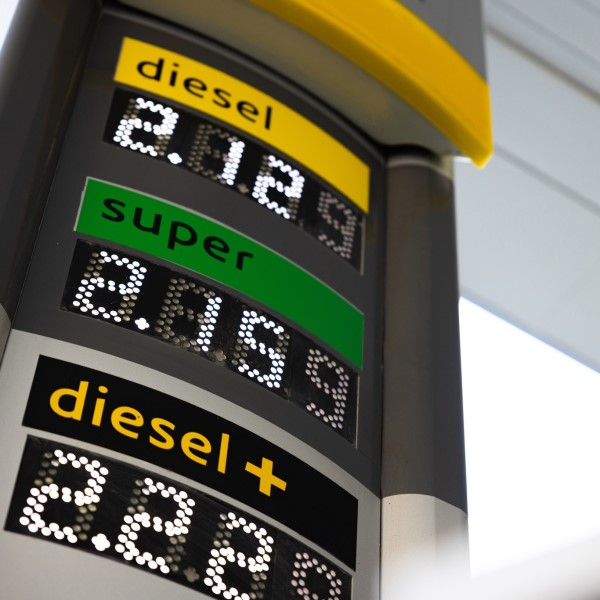
They must withstand immense pressure. Also, diesel pistons are stronger. Gas engine components are lighter. They operate under lower pressure. As a result, gas engines usually rev higher. Diesel engines produce more torque at low RPMs. Torque dictates pulling power. Thus, diesel trucks pull heavy loads easily. Gas engines deliver horsepower quickly. Horsepower dictates speed. Accordingly, gas cars accelerate faster. In addition, fuel density matters. Diesel fuel is denser than gasoline. Dense fuel packs more energy per gallon. Hence, diesel extracts more work from less fuel. Overall, the fundamental ignition difference drives the diesel vs gas performance differences. Ultimately, these mechanics shape every aspect of vehicle operation.
Energy Density and Diesel vs Gas Fuel Efficiency
Fuel efficiency remains a massive deciding factor for buyers. Specifically, diesel vs gas fuel efficiency highlights distinct advantages. Diesel fuel possesses higher energy density. Energy density measures power per unit volume. Diesel contains about 12% more energy than gasoline. Consequently, diesel engines extract more miles per gallon. Furthermore, diesel engines operate more efficiently thermally. Thermal efficiency measures how well an engine converts fuel heat into mechanical work. Diesel thermal efficiency often reaches 40%.
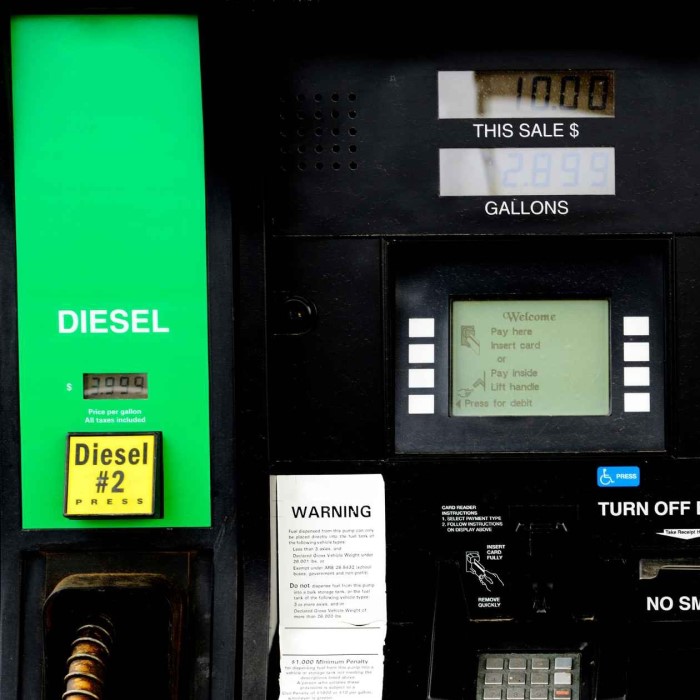
Gas engines usually max out around 20% to 30%. Therefore, diesel wastes less fuel as heat. Moreover, diesel vehicles travel further on a single tank. Long-distance drivers appreciate this range. They stop less often for refueling. Additionally, modern diesel technology improves efficiency further. Turbochargers force more air into the cylinders. Extra air burns fuel completely. Thus, turbo-diesels maximize fuel economy. On the other hand, gas engines improve constantly too. Direct injection helps gas cars burn fuel better. However, gas still lags behind diesel in raw MPG. Nevertheless, diesel fuel sometimes costs more at the pump. Price fluctuations affect overall savings. Yet, the superior miles per gallon usually offset the higher pump price. Ultimately, drivers seeking maximum range prefer diesel. They value efficiency over everything else. Consequently, the diesel vs gas fuel efficiency debate leans heavily toward diesel for pure economy.
Power Delivery and Diesel vs Gas Performance Differences
Performance means different things to different drivers. Some drivers want quick acceleration. Others want heavy towing capacity. Thus, diesel vs gas performance differences become crucial. Diesel engines excel in low-end torque. Torque represents rotational force. High torque means strong pulling capability. Therefore, diesel trucks climb hills effortlessly. They haul massive trailers without strain. Also, diesel power peaks at low RPMs. Drivers do not need to rev the engine hard. The muscle arrives early and stays consistent.
Conversely, gas engines shine in horsepower. Horsepower dictates how fast work happens. Gas engines deliver peak power at high RPMs. They feel sporty and responsive on highways. Acceleration happens quickly because gas engines rev fast. Moreover, gas vehicles feel lighter and more agile. They handle everyday commuting beautifully. Furthermore, diesel acceleration feels steady rather than explosive. Gas acceleration feels punchy and immediate. Consequently, race cars use gasoline exclusively. Heavy-duty work trucks rely on diesel heavily. Additionally, turbochargers narrow the horsepower gap today. Modern turbo-diesels accelerate surprisingly well. Yet, they still cannot match gas engines for pure speed. In summary, choose diesel for pulling heavy loads steadily. Choose gas for spirited driving and rapid acceleration. The diesel vs gas performance differences clearly match specific driving needs perfectly.
Heavy Duty Applications and Diesel vs Gas for Trucks
Truck buyers face a significant choice. They must evaluate diesel vs gas for trucks carefully. Heavy-duty applications demand robust engines. Diesel engines fit this demand perfectly. They possess strong internal components. Cast iron blocks dominate diesel construction. Forged steel crankshafts handle extreme stress. Consequently, diesel trucks endure brutal work conditions. They tow massive payloads daily. Also, diesel transmissions pair well with torque. They feature heavy-duty gear sets.
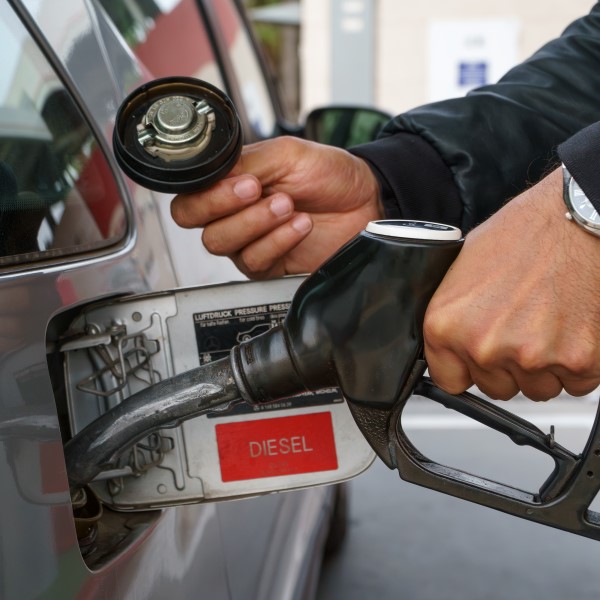
These gears manage the immense low-end force. Furthermore, diesel brakes often include exhaust brakes. Exhaust brakes slow the truck using engine backpressure. This system protects traditional brakes on steep declines. Gas trucks offer different benefits. They cost less upfront. The initial purchase price stays significantly lower. Also, gas trucks accelerate faster empty. They navigate city traffic better. Moreover, gas truck maintenance often costs less. Oil changes remain cheaper. Spark plug replacements are standard but inexpensive. However, gas trucks struggle with extreme payloads. They lack the sheer torque of diesel rivals. Consequently, gas trucks suit lighter duties perfectly. Landscapers and local contractors prefer gas trucks. They haul moderate loads occasionally. Long-haul transporters choose diesel without hesitation. They need maximum towing consistency. Ultimately, diesel vs gas for trucks depends entirely on workload severity.
Financial Impact and Diesel vs Gas Long Term Costs
Purchasing a vehicle is a long-term financial commitment. Therefore, analyzing diesel vs gas long term costs proves essential. Initially, diesel vehicles cost more. The price premium often reaches thousands of dollars. Diesel engines require expensive components. Turbochargers and intercoolers add cost. High-pressure fuel injectors are pricey. Thus, buyers pay more at the dealership. However, long-term calculations shift the balance. Diesel vehicles retain resale value brilliantly. They depreciate slower than gas equivalents. High demand for used diesel trucks keeps prices elevated. Additionally, diesel fuel savings accumulate over years. Better MPG reduces annual fuel bills significantly.
Furthermore, diesel engines often outlast gas engines. A prolonged lifespan delays replacement costs. Conversely, gas vehicles save money upfront. Lower loan amounts mean smaller monthly payments. Also, gas maintenance stays generally cheaper. Diesel oil changes require more fluid. Diesel filters cost more money. Moreover, diesel repairs intimidate some owners. Complex emission systems fail expensively. Diesel particulate filters need specialized cleaning. Consequently, unexpected diesel repairs drain wallets fast. Gas repairs are simpler and cheaper. Yet, gas vehicles depreciate faster. They lose value quicker over time. Ultimately, diesel vs gas long term costs favor diesel for heavy users. Gas wins for light users seeking immediate savings.
Environmental Considerations and Emissions Output
Modern drivers care deeply about environmental impact. Thus, emissions output shapes the diesel vs gas debate. Historically, diesel earned a dirty reputation. Old diesel engines produced visible black smoke. They released high particulate matter. Also, they emitted significant nitrogen oxides. Nitrogen oxides create smog and harm air quality. Consequently, regulators targeted diesel emissions strictly. However, modern diesel technology changed the game. Today, clean diesel engines exist everywhere. They utilize diesel particulate filters. These filters trap soot before it escapes. Additionally, selective catalytic reduction systems work well. They inject diesel exhaust fluid into the exhaust. This fluid converts nitrogen oxides into harmless nitrogen. Therefore, new diesel trucks emit very little pollution. Gas engines pollute differently. They produce more carbon dioxide per gallon. Carbon dioxide is a primary greenhouse gas.
However, gas engines emit fewer particulates. They also produce fewer nitrogen oxides naturally. Furthermore, gasoline evaporates easily. Evaporation creates volatile organic compounds. These compounds mix with sunlight to form smog. Thus, gas vehicles contribute to urban smog issues. Moreover, diesel fuel refining requires less energy. Refineries produce diesel more efficiently than gasoline. This efficiency lowers the overall carbon footprint of diesel production. In summary, neither fuel is perfectly green. Modern diesels manage particulates well. Gas manages carbon dioxide better. Environmental choices depend on specific regional concerns.
Technological Advancements in Modern Engines
Automotive technology evolves rapidly. Recent advancements blur the traditional diesel vs gas boundaries. Direct injection revolutionized gas engines. It sprays fuel directly into the cylinder. This method improves fuel mixing significantly. Consequently, gas engines achieve better efficiency. They generate more power from less fuel. Also, turbocharging hits gas engines hard. Turbo-gas engines mimic diesel torque characteristics. They provide strong low-end acceleration. Therefore, modern gas trucks tow better than ever. Meanwhile, diesel technology advances further too. Common rail injection systems dominate diesels. They control fuel pressure precisely. Precise control enhances combustion efficiency. Thus, diesels produce smoother power delivery. Additionally, variable geometry turbochargers improve diesels. They adjust turbo boost based on engine speed. This adjustment eliminates turbo lag entirely.
Consequently, modern diesels accelerate quickly. They feel responsive like gas engines. Furthermore, hybrid technology enters both realms. Hybrid gas cars dominate the market currently. They combine electric motors with gas engines. This combination maximizes city fuel economy. Diesel hybrids exist but remain rare. They face cost challenges because diesel engines already cost more. Adding hybrid systems doubles the expense. Yet, diesel hybrids promise incredible highway efficiency. Ultimately, technology forces both fuels to improve constantly. Gas engines steal diesel tricks like turbocharging. Diesel engines steal gas tricks like precise electronic control. The future promises even tighter performance gaps.
Maintenance Routines and Vehicle Care
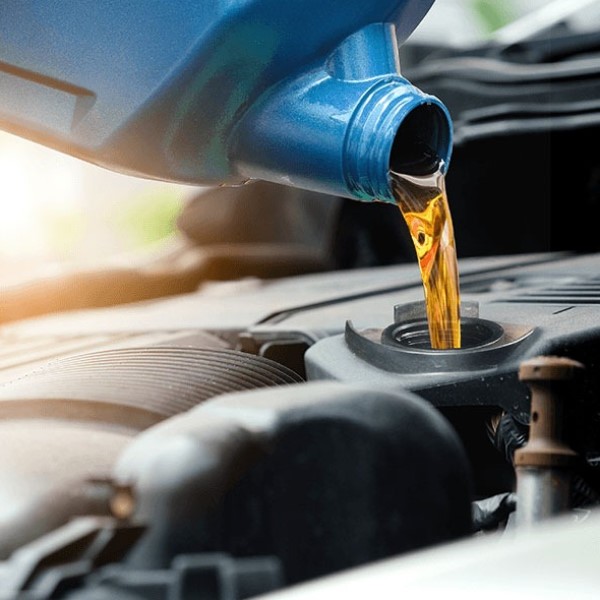
Proper maintenance ensures vehicle longevity. However, diesel and gas maintenance routines differ significantly. Gas engines require standard care. Owners change oil every five thousand miles typically. They replace spark plugs periodically. Air filters need regular swapping. Overall, gas maintenance feels familiar and simple. Mechanics universally understand gas engines. Consequently, repair shops service gas vehicles easily. Parts remain abundant and affordable. Diesel engines demand stricter routines. Diesel oil suffers harsher conditions. It traps more soot from combustion. Therefore, diesel engines need more oil volume. Oil changes happen less frequently sometimes. However, they require specific diesel-rated oil.
This specialized oil costs more money. Additionally, diesel fuel systems are delicate. High-pressure injectors tolerate zero contamination. Thus, diesel owners must replace fuel filters religiously. Neglecting fuel filters ruins expensive injectors. Moreover, diesel engines need proper winter care. Cold weather thickens diesel fuel. It turns fuel into gelled sludge. Gelled fuel stops engine operation completely. Therefore, diesel drivers use winter additives. They also install block heaters. Block heaters keep engine oil warm overnight. Gas engines ignore cold weather mostly. Gasoline resists gelling naturally. Furthermore, diesel emission systems require attention. Diesel particulate filters need ash cleaning eventually. This cleaning demands specialized shop equipment. Neglecting DPF maintenance causes severe engine damage. In conclusion, gas maintenance is cheap and easy. Diesel maintenance is costly but essential for survival.
Frequently Asked Questions
Is it better to use gas or diesel?
Choosing between gas or diesel depends entirely on your needs. Gas works better for daily commuting. It offers cheaper upfront costs. Also, gas provides faster acceleration for city driving. Diesel proves better for heavy towing. It delivers superior fuel economy on long highway trips. Therefore, evaluate your primary driving habits carefully.
Are diesels stronger than gas?
Yes, diesels are structurally stronger than gas engines. Diesel engine blocks use thicker metal. Internal components handle higher compression ratios. Also, diesel cranks and rods are forged heavily. This robust construction ensures extreme durability. Consequently, diesels survive brutal work conditions better than gas counterparts.
Why isn’t diesel more popular?
Diesel lacks popularity for several reasons. First, diesel vehicles cost more initially. Second, diesel fuel sometimes costs more per gallon. Third, diesel maintenance is expensive and complex. Fourth, old diesel emissions created bad reputations. Finally, gas engines improve constantly, narrowing the efficiency gap.
Which engine lasts longer, diesel or gas?
Diesel engines typically last longer than gas engines. They build stronger internal components. Also, diesel RPMs remain lower during operation. Lower RPMs reduce wear and tear significantly. Consequently, diesel trucks often exceed 300,000 miles easily. Gas engines usually max out around 200,000 miles.
The Ultimate Verdict on Diesel vs Gas for Trucks
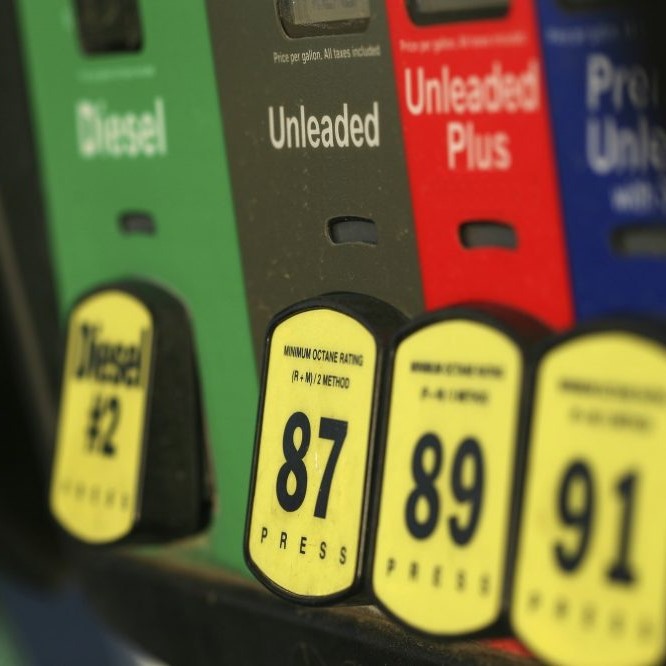
Deciding between these two fuels requires careful thought. We explored the diesel vs gas engines comparison thoroughly. We analyzed energy density and diesel vs gas fuel efficiency. Finally, we calculated diesel vs gas long term costs meticulously. Diesel clearly dominates towing and longevity. It offers incredible torque and superior highway range. Gas clearly dominates everyday convenience. It provides cheaper purchase prices and faster acceleration. Moreover, modern technology improves both options constantly. Turbochargers make gas engines stronger. Advanced injection makes diesel engines cleaner. Therefore, your choice hinges on lifestyle. Choose diesel if you haul heavy trailers constantly. Choose gas if you commute daily and value quick speed. Both fuels deliver excellent performance today. Ultimately, understanding these differences prevents costly mistakes. Select the fuel aligning with your real demands.
Leave a Reply