Why You Need to Know How to Change Wiper Blades
Wiper blades are essential for safe driving. They clear rain, snow, and dirt. However, they wear out over time. Rubber hardens. It cracks. Then the blade leaves streaks. You lose visibility. This is dangerous.
Therefore, learning how to change wiper blades on car is a basic skill. It saves you money. You do not need a mechanic. You also avoid waiting at a shop. It takes ten minutes. Anyone can do it.
First, understand the signs of worn blades. You see streaks. You hear a squeaking noise. The blade skips across the glass. These all mean it is time. Do not wait for a storm.
Second, know your vehicle. Different cars use different wiper sizes. Check your owner’s manual. Or measure the current blade. Most cars use a hook-style arm. Some use a pin or bayonet. Knowing this helps you buy the right part.
Third, consider the climate. In hot areas, blades wear faster. UV rays damage rubber. In cold areas, ice tears the rubber. You may need to replace them more often. Plan accordingly.
Now, let’s talk about the tools needed to change wiper blades. You need very few tools. In fact, most blades clip on. No screwdriver needed. But having a towel can help. It protects your windshield during removal.
We will cover each step in detail. Then you can do this yourself. It is one of the easiest car maintenance tasks.
Timing and Signs
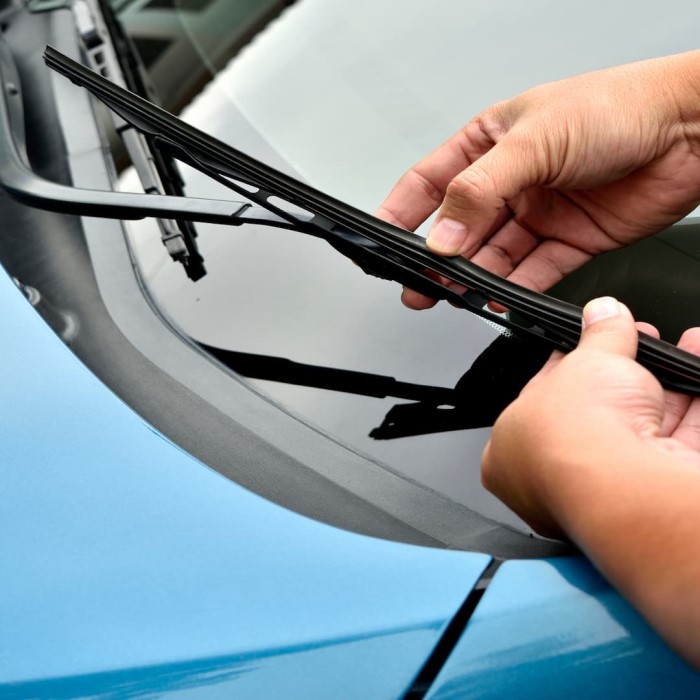
Timing matters when you change wiper blades. Most manufacturers recommend replacement every six months. This aligns with spring and fall. You set a routine.
But real life is different. You should inspect them monthly. Look for cracks. Look for missing rubber. The blade edge must be sharp. If it is rounded, replace it.
Another sign is smearing. The blade leaves a film of water. This happens when the rubber hardens. It no longer wipes clean. This reduces visibility, especially at night.
Also, listen for noise. A chattering sound means the blade is not flexible. It skips over the glass. This is annoying. It also means poor cleaning. Replace it.
Seasonal changes matter too. After winter, check your blades. Ice and salt damage them. After summer, the sun makes them brittle. So check them twice a year.
Some drivers wait until heavy rain. This is dangerous. Do not wait. A quick check takes thirty seconds. Do it when you wash your car.
If you notice a metal spring exposed, replace immediately. The blade is unsafe. It can scratch your windshield. That is costly to repair.
In summary, the answer to “when to change wiper blades” is simple: at the first sign of poor performance. Do not delay.
Tools Needed to Change Wiper Blades: Keep It Simple
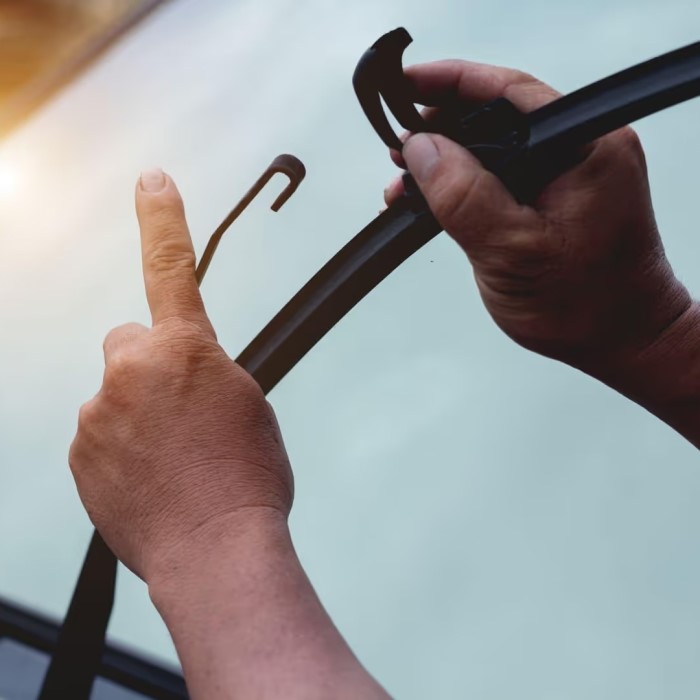
Many people worry about the tools needed to change wiper blades. The truth is simple. Most modern blades use a push-button system. You do not need a tool.
However, some designs require a screwdriver. This is rare today. Still, have a flat-head screwdriver ready. It helps pry off stubborn clips.
You also need a measuring tape or ruler. This helps confirm the new blade size. Some packages list the size. But measure your old blade anyway. It ensures a perfect fit.
A pair of gloves is optional. Wiper blades have sharp metal parts. Gloves protect your hands. They also keep grease off your skin.
Wiper fluid helps test the new blades. Fill the reservoir. Spray the windshield. Check for streaks. Adjust if needed.
Also, have a microfiber cloth. Clean the windshield before installing new blades. Dirt creates scratches. A clean surface gives the best result.
Some drivers use a permanent marker. They mark the old blade’s center. This helps align the new one. But it is not needed for most cars.
Finally, the most important tool is your owner’s manual. It shows the correct size and attachment type. Without it, you may buy the wrong part. So keep it handy.
Remember, you do not need a full toolbox. Just a few simple things. This makes the job easy for anyone.
Step 1: Remove the Old Wiper Blades Safely
Start by lifting the wiper arm away from the windshield. It stays up. Some arms have a spring. They lock in place. Otherwise, hold it with one hand.
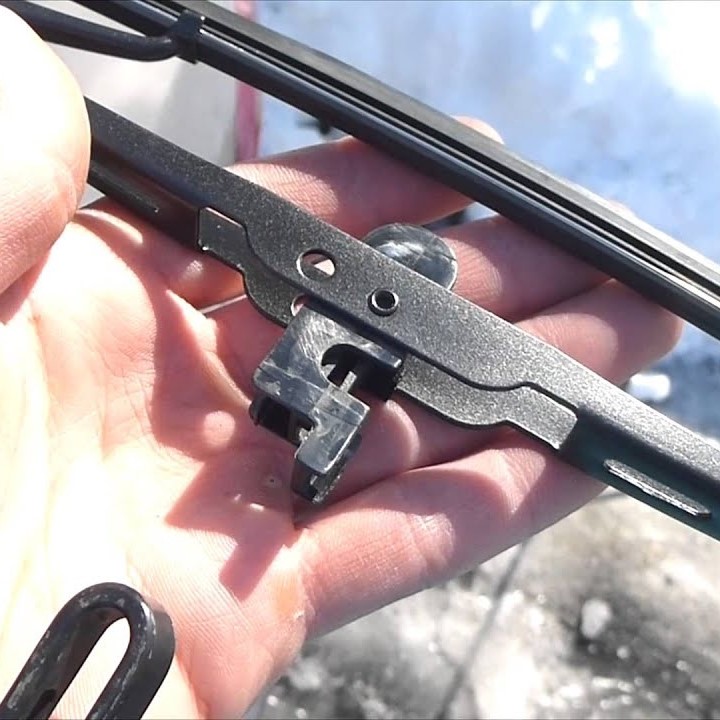
Now you see the connector. This is where the blade attaches. Find the release tab. It is usually a small button or a lever. Press it. Then slide the blade down.
Some connectors have a tab on the side. You push it inward. Then pull the blade off. Do not force it. It should slide easily.
If the blade is stuck, use a screwdriver gently. Pry the clip open. Then remove it. Be careful with the arm. It can snap back and crack your windshield.
Therefore, have a towel ready. Place it on the glass. If the arm falls, the towel absorbs the shock. This prevents damage.
Once the blade is free, discard it properly. The metal frame is recyclable. The rubber is not. Separate them if possible.
Now repeat for the other side. Many cars have different sizes. The driver side is often longer. The passenger side is shorter. Do not mix them up.
Check the arm condition. If it is rusty, you may need to clean it. Rust can affect the new blade. Use a rag to wipe it.
Now you are ready to install the new blade.
Step 2: Install the New Wiper Blades Correctly
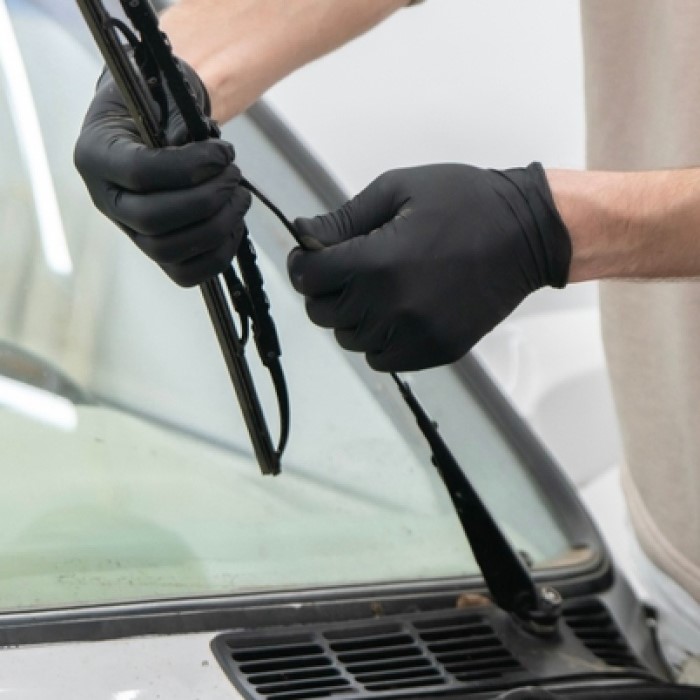
Now you learn how to change wiper blades on car the right way. Take the new blade out of the package. Look for the adapter. Most blades come with multiple adapters. They fit different arms.
Select the correct adapter for your vehicle. Hook-style arms are the most common. Push the adapter onto the arm. You hear a click. That means it is locked.
If your car uses a pin system, slide the blade onto the pin. Then push until it clicks. Different brands have slight variations. Read the instructions inside the package.
After attaching, lower the arm gently. Do not let it slam. Test the blade by hand. Move it across the glass. It should glide smoothly. No resistance.
Now repeat for the other side. Ensure the blade is straight. The rubber must contact the glass evenly. If it is crooked, it will streak. Adjust it.
Some blades have a protective plastic strip. Remove it before use. This strip covers the rubber during shipping. If you leave it on, the blade will not touch the glass.
Finally, spray some wiper fluid. Turn the wipers on. Watch them sweep. They should clear the water cleanly. No lines. No noise. If there is a problem, recheck the installation.
Installing correctly takes two minutes per side.

Step 3: Test and Adjust the New Blades
After installing, test is crucial. Spray the windshield. Turn the wipers on low speed. Watch the pattern. The blade should clear a wide path. If it leaves a thin strip of water, it is not seated.
Stop the wipers. Lift the arm again. Check the connection. Push the blade firmly into the adapter. Sometimes it clicks again. Then retest.
Also check the ends. The blade tip should not lift. If it lifts, the blade may be too long. Or the arm pressure is weak. In most cars, the spring tension is fine.
Listen for noise. A new blade should be silent. If it chatters, the rubber is too stiff. This happens in cold weather. Warm the rubber with your hand. Then test again.
Check the wiping angle. The blade should sit perpendicular to the glass. If it is tilted, the connector may be wrong. Some adapters allow angle adjustment. Use that.
If the passenger side blade touches the driver side, they interfere. This is rare. But if it happens, switch to a shorter blade. Measure again.
Make sure the blade parks correctly. Turn off the wipers. The blades should rest at the bottom. If they stop halfway, the linkage may be loose. That is a different issue. But new blades do not cause that.
You have now completed a successful change. This simple task improves safety.
How to Choose the Best Wiper Blades to Change
When you look for the best wiper blades to change, consider several factors. First is material. Traditional rubber blades are cheap. But they wear fast.
Silicone blades last longer. They resist UV and heat. They also repel water better. But they are worth it.
Second is type. Beam blades are common now. They have no metal frame. Traditional bracket blades work too. But they may ice up.
Third is brand. Reputable brands offer better rubber compounds. Check online reviews. Look for blades that last six months or more.
Fourth is warranty. Some brands offer a one-year warranty. Others do not. A warranty gives you peace of mind.
Fifth is price. Do not buy the cheapest. They may streak from day one. Mid-range blades give good value.
Also, consider your driving conditions. If you drive at highway speeds, use aero blades. They do not lift at high speed. This keeps the glass clear.
Finally, check the package. It should list your car model. Some packages have a fit guide. Use that to confirm.
For most drivers, mid-priced beam blades are the best choice. They balance cost and performance.
FAQ: Common Questions About Wiper Blade Change
How often should wiper blades be changed?
Most experts say every six to twelve months. But check them every month. If you see streaks or hear noise, replace them sooner. In harsh climates, change them twice a year. For example, before winter and before summer. Do not wait for a rainstorm to find out.
Can you replace wiper blades yourself?
Yes, absolutely. It is one of the easiest car repairs. You do not need any experience. The process takes less than ten minutes. You only need your hands and the new blades. Follow the instructions in this guide. Anyone can do it. It saves you the cost of a mechanic.
Are windshield wipers good for obliques?
Windshield wipers are not designed for working out obliques. They are a car part. The question might be a joke or a mix-up. However, there is an exercise called “windshield wipers” for core muscles. It involves rotating your legs side to side. If you meant that exercise, yes, it works your oblique muscles. But here, we talk about car wipers. For car safety, use actual wiper blades. For fitness, do the windshield wiper exercise.
What size wiper blades for Subaru crosstrek?
The 2024 Subaru Crosstrek typically uses a 26-inch blade on the driver side. The passenger side uses a 16-inch or 17-inch blade. However, check your owner’s manual. Different years may vary slightly. Also, some models have a rear wiper. That is usually 12 inches. Measure your old blade to be sure. Always confirm before buying. You can also use the fitment guide on blade packages.
Final Tips for a Professional Result
You now know how to change wiper blades on car properly. This knowledge helps you stay safe. It also saves you money.
Remember the key points. Check your blades monthly. Replace them at the first sign of wear. Use the proper size. Install them correctly. Test them after installation.
Use this change wiper blades guide whenever you need a refresher. Bookmark it. Share it with friends.
Keep a spare set in your car. You never know when you need them. A sudden storm can make worn blades dangerous. Spare blades give you peace of mind.
Buy from trusted sources. Avoid unknown brands. Look for warranty information.
When you think about when to change wiper blades, do not overthink. Just inspect them. If they look bad, replace them.
The tools needed to change wiper blades are simple. You likely have them at home. No special equipment required.
Finally, choose the best wiper blades to change based on your climate and budget. Invest in good quality. Your visibility depends on them.
Take action today. Check your wipers. If needed, replace them now. You will appreciate the clarity. Safe driving starts with a clear view.
Leave a Reply