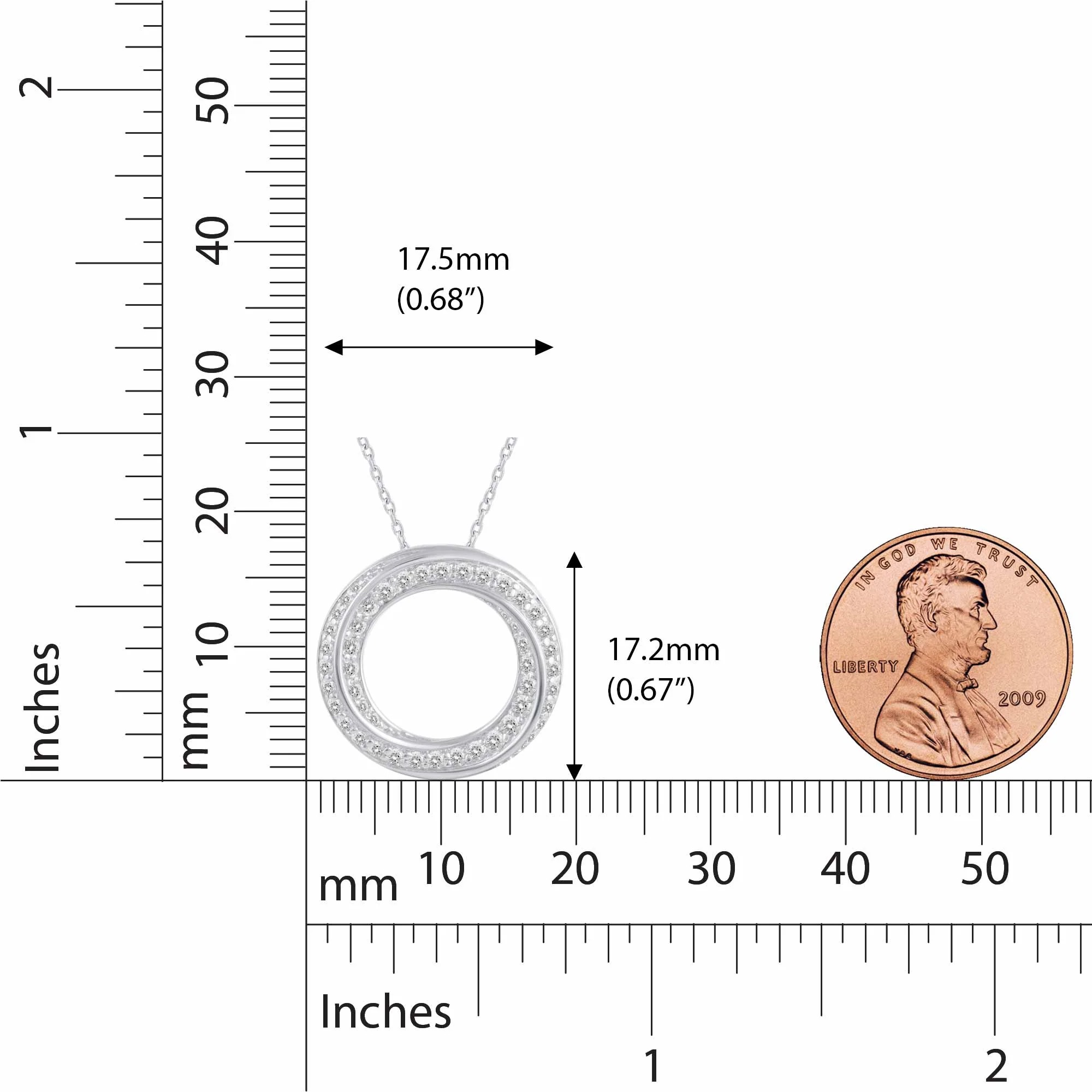
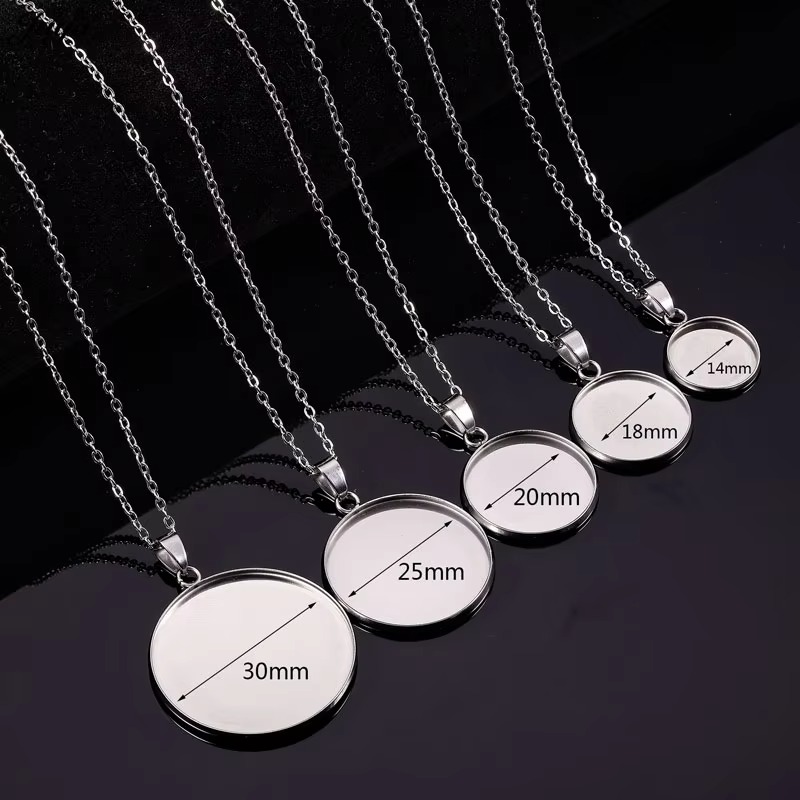
Choosing the right pendant can make all the difference in your jewelry collection. A well-selected pendant enhances your style and complements your outfit effortlessly. However, finding the ideal size is often more challenging than expected. That’s where a pendant size chart becomes essential. This simple tool helps you visualize dimensions before making a purchase. Without it, buyers risk receiving pendants that are too large or too small. Most online shoppers rely solely on product photos. These images may not provide accurate scale references. A pendant size chart bridges this gap by offering clear measurements. It typically includes length, width, and sometimes thickness details. These metrics allow customers to compare options side by side. You can also see how a pendant might look when worn.
Many charts include real-life comparisons. For instance, some show how a 20mm pendant compares to a coin. Others overlay the pendant on a model’s neck for better context. This visual aid improves confidence in buying decisions. It reduces return rates for retailers too. Customers feel more satisfied when expectations match reality. Ultimately, using a pendant size chart leads to smarter shopping. It empowers buyers to choose wisely based on personal preference and body proportions. Whether you’re buying for yourself or as a gift, this resource adds value. You avoid disappointment and enjoy your jewelry longer.
 Understanding the Basics of Pendant Measurements
Pendant sizes vary widely across designs and materials. Knowing how they are measured is the first step toward informed selection. Most pendants are measured from top to bottom. This includes the bail—the loop at the top for the chain. Width is taken at the widest point. Thickness matters too, especially for three-dimensional pieces. These numbers form the core of any pendant size chart. They help determine how noticeable the pendant will be. A 15mm pendant appears subtle. A 40mm version commands attention. Buyers must consider their neckline and frame. Petite individuals often prefer smaller sizes. Taller or broader people may carry larger pendants well. Measurement accuracy prevents mismatched expectations.
Charts usually list sizes in millimeters. Some include inch conversions for wider accessibility. Digital illustrations often accompany these figures. These visuals simulate actual size on screen. Some websites let you zoom in for precision. Others offer printable templates. You can cut them out and hold them against your chest. This tactile method increases accuracy. It mimics trying on the piece in person. Another useful feature is layered images. They show multiple sizes together. You instantly see the difference between 25mm and 35mm. Such comparisons simplify decision-making. Always check whether the measurement includes the bail. Some brands exclude it, causing confusion. Clarifying this detail avoids surprises upon delivery. Overall, understanding basic metrics builds confidence. It transforms vague ideas into concrete choices. When combined with a reliable pendant size chart, the process becomes seamless.
 Why Accurate Sizing Matters in Pendant Selection
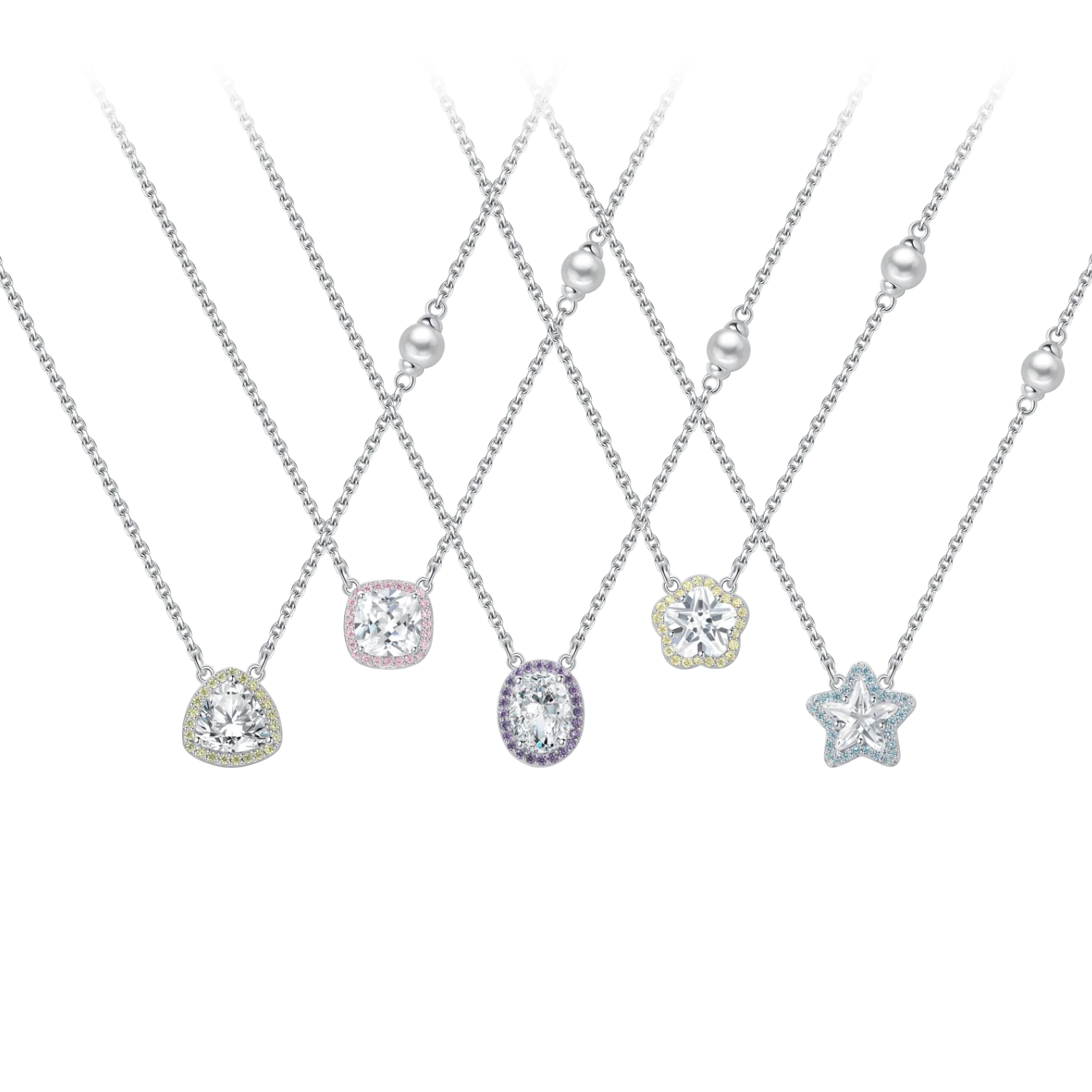
Wearing the wrong-sized pendant affects overall appearance. Too small, and it gets lost in your clothing. Too large, and it overwhelms your features. Proportion plays a key role in fashion harmony. An accurately sized pendant balances your look. It draws eyes to your face without distraction. This balance depends on individual traits. Neck length, shoulder width, and facial structure matter. A pendant size chart helps align these factors. It turns subjective preferences into objective decisions. You stop guessing and start choosing with clarity.
Sizing also influences comfort. Oversized pendants may tug on chains. They can cause neck strain during long wear. Lightweight materials help, but size still impacts feel. Smaller pendants drape naturally. They move smoothly with your body. They’re ideal for active lifestyles. Large statement pieces work best for seated events. Think weddings, dinners, or photo shoots. Context guides appropriate sizing. A pendant size chart supports this awareness. It encourages thoughtful selection beyond aesthetics. You consider practicality alongside beauty. This dual focus results in smarter purchases. Over time, you build a versatile collection. Each piece suits a specific need. Accuracy in sizing fosters intentionality. It elevates jewelry from accessory to expression.
How to Read and Interpret a Size Chart
Reading a pendant size chart correctly ensures optimal results. First, locate the dimensions listed beside each product. Look for length, width, and thickness. Check if the bail is included in the measurement. If unsure, contact customer support. Next, examine accompanying visuals. Many charts show pendants next to common objects. Coins, fingers, or rulers provide scale. Some use models wearing the piece. Pay attention to camera angle and distance. Close-ups magnify perception. Full-body shots give realistic context. Compare multiple views if available.
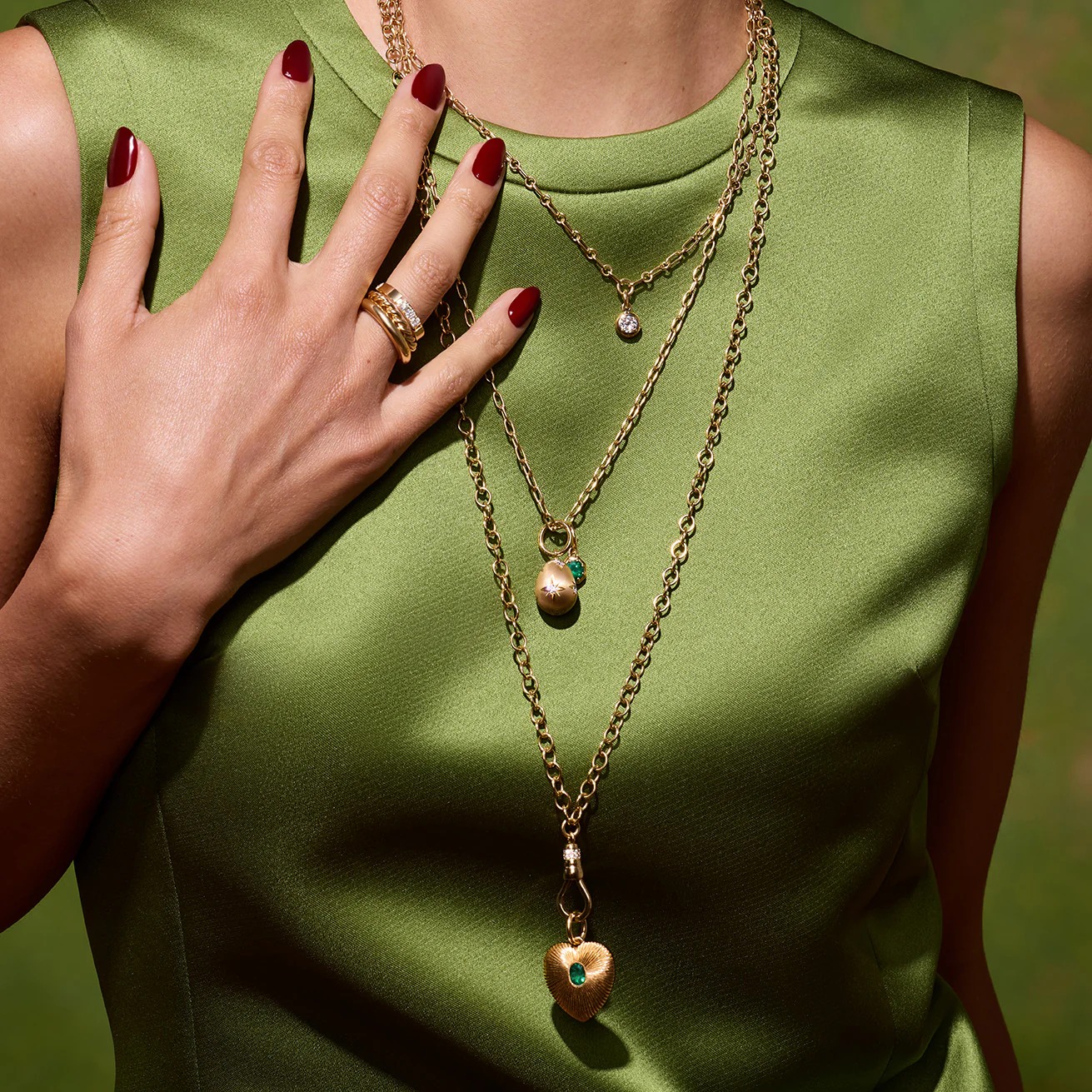
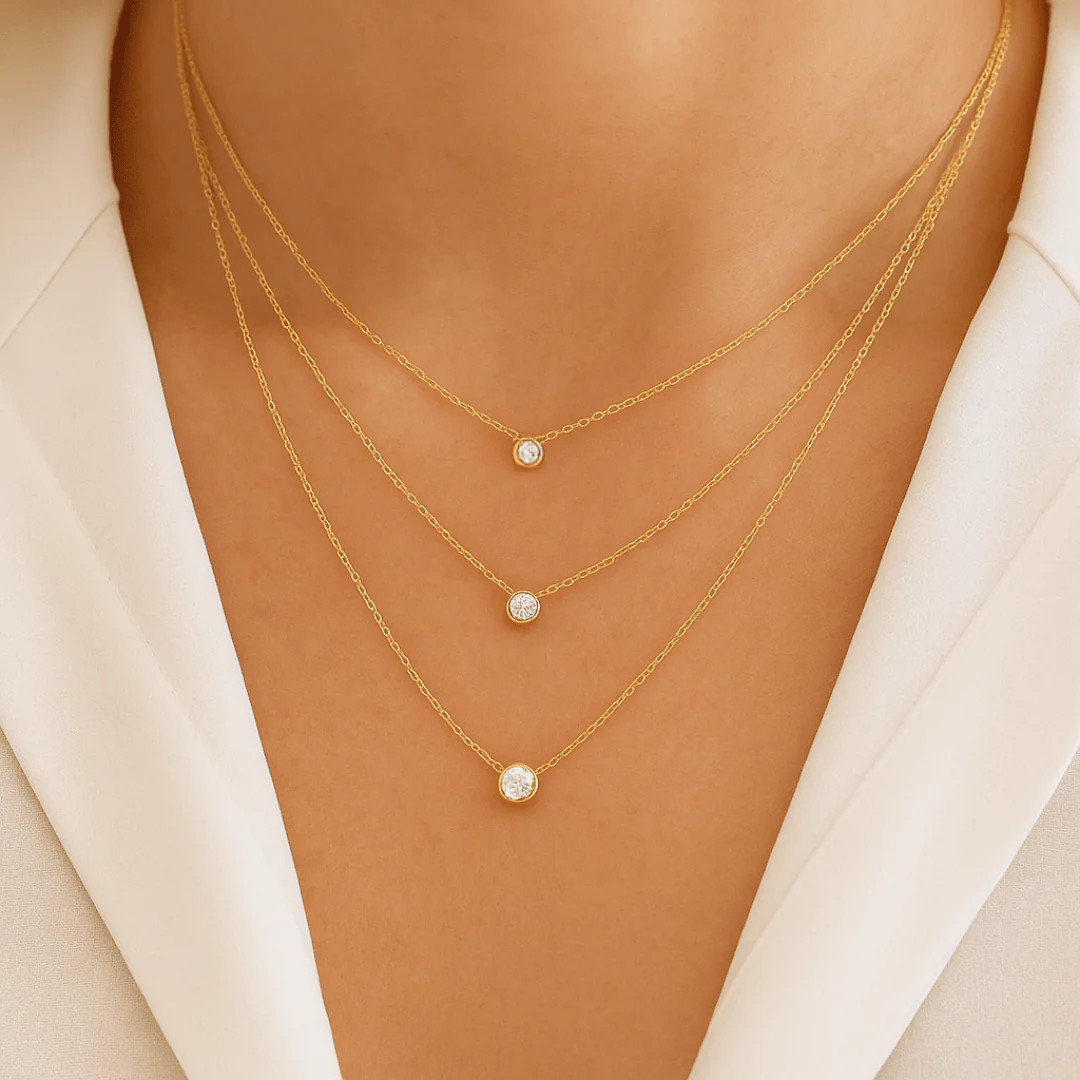
Interpretation requires self-awareness. Know your preferred style—minimalist or bold. Assess your usual chain length. Longer chains allow bigger pendants. Shorter necklaces pair well with compact designs. Consider layering too. Multiple pendants need balanced proportions. A pendant size chart aids coordination here. It lets you plan combinations in advance. You avoid clashing sizes or uneven spacing. Also, think about clothing patterns. Busy prints compete with large pendants. Solid colors highlight intricate details. Matching size to attire enhances impact. Learning to read the chart deeply improves judgment. It shifts focus from impulse to intention. With practice, you predict fit and flair accurately. The pendant size chart becomes a trusted guide.
 Factors Influencing Ideal Pendant Size
Several elements affect which pendant size suits you best. Body type is a primary factor. Slender frames often match well with petite pendants. They maintain visual balance. Heavier builds can support larger pieces. These create symmetry rather than imbalance. Height influences perception too. Tall individuals appear proportionate with longer chains. Shorter people benefit from higher placements. A pendant size chart helps identify suitable ranges. It removes guesswork from personalization.
Age and lifestyle matter as well. Younger buyers may favor trendy, oversized pendants. Mature audiences often prefer classic, modest sizes. Professional settings call for discretion. Small to medium pendants convey elegance. Casual environments allow creativity. Weekend outings welcome bolder statements. Occasion shapes choice significantly. A wedding demands refinement. A concert invites fun and flair. The pendant size chart adapts to these shifts. It offers reference points across contexts. Personal taste remains central. Yet external factors refine that taste. Together, they shape a holistic approach. You select not just what you like—but what works.
Using a Size Chart for Gifting Success
Gifting jewelry carries high emotional weight. Getting the size wrong can dampen the gesture. A pendant size chart minimizes this risk. It provides objective data when personal input is absent. Start by considering the recipient’s style. Do they wear dainty chains or chunky necklaces? Observe their wardrobe. Note frequent necklines—crew, boat, or plunge. These hints suggest preferred visibility levels. Then consult the pendant size chart accordingly.
Next, evaluate their physical traits discreetly. Recall their height and build. Think about past compliments they’ve received. Did someone praise a particular necklace? That indicates comfort with certain sizes. Choose within that range. Opt for versatility when uncertain. Medium-sized pendants suit most occasions. They transition from day to night easily. Include a note explaining your thought process. Mention how you used the pendant size chart to ensure fit. This effort shows care and attention. It deepens the sentimental value. Even if styles evolve, the intention remains cherished. A pendant size chart thus transforms gifting from gamble to strategy. It turns uncertainty into confidence. The result is a meaningful, well-received present.
 Customization and Design Considerations with Size Charts
Custom pendants require extra planning. Clients want uniqueness without compromising wearability. A pendant size chart guides designers during creation. It sets boundaries for feasibility. Extremely large pendants may break chains. Tiny ones lose detail in casting. The chart identifies safe zones for innovation. Artists explore shapes within proven dimensions. This balance preserves artistry and function.
Clients benefit too. They visualize custom designs through scaled mockups. These derive from standard pendant size chart data. Adjustments happen early, reducing errors. Materials influence final size. Gold fills space differently than silver. Gemstone settings add bulk. The chart accounts for these variables. It ensures the finished piece matches previews. Revisions decrease, saving time and cost. Both parties gain clarity. Designers deliver vision accurately. Clients receive exactly what they imagined. Collaboration thrives when grounded in shared references. A pendant size chart enables that foundation. It supports creativity while managing expectations. Every custom project becomes more predictable. Yet originality remains untouched.
Online Shopping Tips Involving Size Charts
Shopping online lacks tactile feedback. That makes digital tools indispensable. Always check for a pendant size chart before purchasing. Absence of one raises red flags. Reputable sellers prioritize transparency. They invest in clear sizing guides. Look beyond text descriptions. Seek visual comparisons and scale images. Videos showing rotation and movement add depth. They reveal how light interacts with the pendant. This dynamic view complements static charts.
Zoom in on product photos. Search for ruler overlays or hand models. Click through all image thumbnails. Sometimes critical details hide in later pictures. Read reviews mentioning size. Real customers often comment on perceived scale. Phrases like “smaller than expected” signal issues. Positive notes like “perfect size” reinforce reliability. Cross-reference feedback with the pendant size chart. Consistency builds trust. Save screenshots of the chart for future reference. Compare across brands if considering alternatives. Bookmark pages with comprehensive guides. Over time, you recognize trustworthy sources. A pendant size chart becomes part of your checklist. It protects against impulsive mistakes. Smart habits lead to satisfying outcomes.
Frequently Asked Questions
What exactly is a pendant size chart?
A pendant size chart is a reference tool showing the dimensions of pendants. It lists measurements in millimeters or inches. Length, width, and thickness are standard entries. Some charts include visual aids. These might be side-by-side comparisons or real-life scaling. Its purpose is to inform buyers before purchase. It replaces physical inspection with digital clarity. Anyone shopping for necklaces benefits from it.
The chart applies to various pendant types. Lockets, crosses, initials, and gemstones all have sizes. Each design follows the same measurement logic. The bail is usually included unless stated otherwise. Charts may group items by category. For example, birthstone pendants versus charm styles. This organization improves navigation. Users find relevant data faster. A pendant size chart thus simplifies complexity. It brings order to diverse offerings. Clarity leads to confidence in buying.
How do I know which pendant size fits me?
Start by assessing your body proportions. Petite individuals often suit smaller pendants. Larger builds accommodate bigger designs. Consider your neck length and shoulder width. These influence visual balance. Then think about your fashion style. Minimalists lean toward subtlety. Fashion-forward wearers embrace boldness. Chain length affects pendant visibility too. Long chains draw attention downward. Short ones keep focus near the collarbone.
Try using a printable pendant size chart. Cut out silhouettes and tape them to a necklace. Wear it in front of a mirror. Observe how each size interacts with your outfit. Take photos from different angles. Share them with friends for feedback. Eliminate options that feel off. Narrow down to two or three contenders. Refer back to the pendant size chart for final confirmation. Trust both data and instinct. The right size feels natural when worn. It enhances rather than distracts.
Can pendant size affect comfort?
Yes, size directly impacts comfort. Heavy or oversized pendants pull on chains. This causes tension at the nape of the neck. Prolonged wear may lead to soreness. Delicate chains break under excessive weight. Thicker cables handle load better. But they may feel bulky. Small pendants distribute weight evenly. They swing freely without resistance. Comfort increases with proper pairing.
Material also plays a role. Solid gold weighs more than plated metal. Hollow designs reduce mass without sacrificing size. A pendant size chart often notes material density indirectly. Larger dimensions in heavy metals suggest greater weight. Always consider this link. Pair big pendants with sturdy chains. Match lightweight styles with fine links. Balance ensures lasting comfort. You enjoy wearing the piece longer. Physical ease enhances emotional connection.
Do children need different pendant size charts?
Children require specially sized pendants. Their necks are smaller and more delicate. Standard adult sizes overwhelm them. A child-specific pendant size chart addresses this. It focuses on miniature dimensions. Typical kids’ pendants range from 8mm to 18mm. These fit comfortably on short chains. Designs are simpler to prevent snagging.
Safety is crucial. Avoid sharp edges or loose parts. Ensure the bail is secure. Chains should have safety clasps. Supervise young wearers initially. Teach proper handling and storage. A pendant size chart for children promotes age-appropriate choices. Parents make safer selections. Kids enjoy jewelry responsibly. The chart protects while enabling joy.
 Final Thoughts on Maximizing Your Pendant Experience
A pendant size chart is more than a measuring guide. It is a bridge between imagination and reality. It transforms abstract ideas into tangible choices. Every shopper benefits from its clarity. Whether buying for yourself or others, it adds value. It reduces regret and increases satisfaction. You invest time and money wisely.
Designers and retailers gain too. Clear charts reduce returns and complaints. Customer trust strengthens over time. Brands known for detailed guides earn loyalty. They stand out in competitive markets. A pendant size chart becomes a signature of quality. It signals professionalism and care.
Ultimately, the right size enhances meaning. Jewelry often carries emotion. A perfectly sized pendant honors that sentiment. It sits close to the heart—visually and symbolically. Use the pendant size chart as your ally. Let it guide every decision. From gifting to collecting, it supports excellence. Embrace it fully. Enjoy beautiful, well-fitting pendants for years to come. Remember: the perfect pendant starts with a pendant size chart.
Leave a Reply