Exploring the Origins and Appeal of the Watch Pendant
The pendant watch has long stood as a symbol of refinement and classic style. Originally designed in the 16th century, this timepiece was one of the earliest forms of portable clocks. Craftsmen shaped them into small, round cases with chains, allowing people to carry them easily. Over time, the pendant watch evolved from a functional object into a fashion statement. Its charm lies not only in telling time but also in its intricate designs and craftsmanship. Many early models featured hand-painted dials and engraved metalwork, making each piece unique. As wristwatches gained popularity in the 20th century, the pendant watch did not fade away. Instead, it found new life among collectors and fashion enthusiasts who appreciate vintage aesthetics.
Today’s market offers both antique and modern versions of the pendant watch. Some people wear it for sentimental reasons, passing it down through generations. Others choose it to express individuality in an era dominated by digital devices. Unlike smartwatches that prioritize function over form, the pendant watch blends utility with artistry. It appeals to those who value tradition and elegance. Whether worn on a chain around the neck or attached to a pocket, it commands attention. The resurgence of interest in retro styles has further boosted its appeal. Fashion designers have even incorporated the pendant watch into runway looks. This revival proves that timeless design never truly goes out of style.
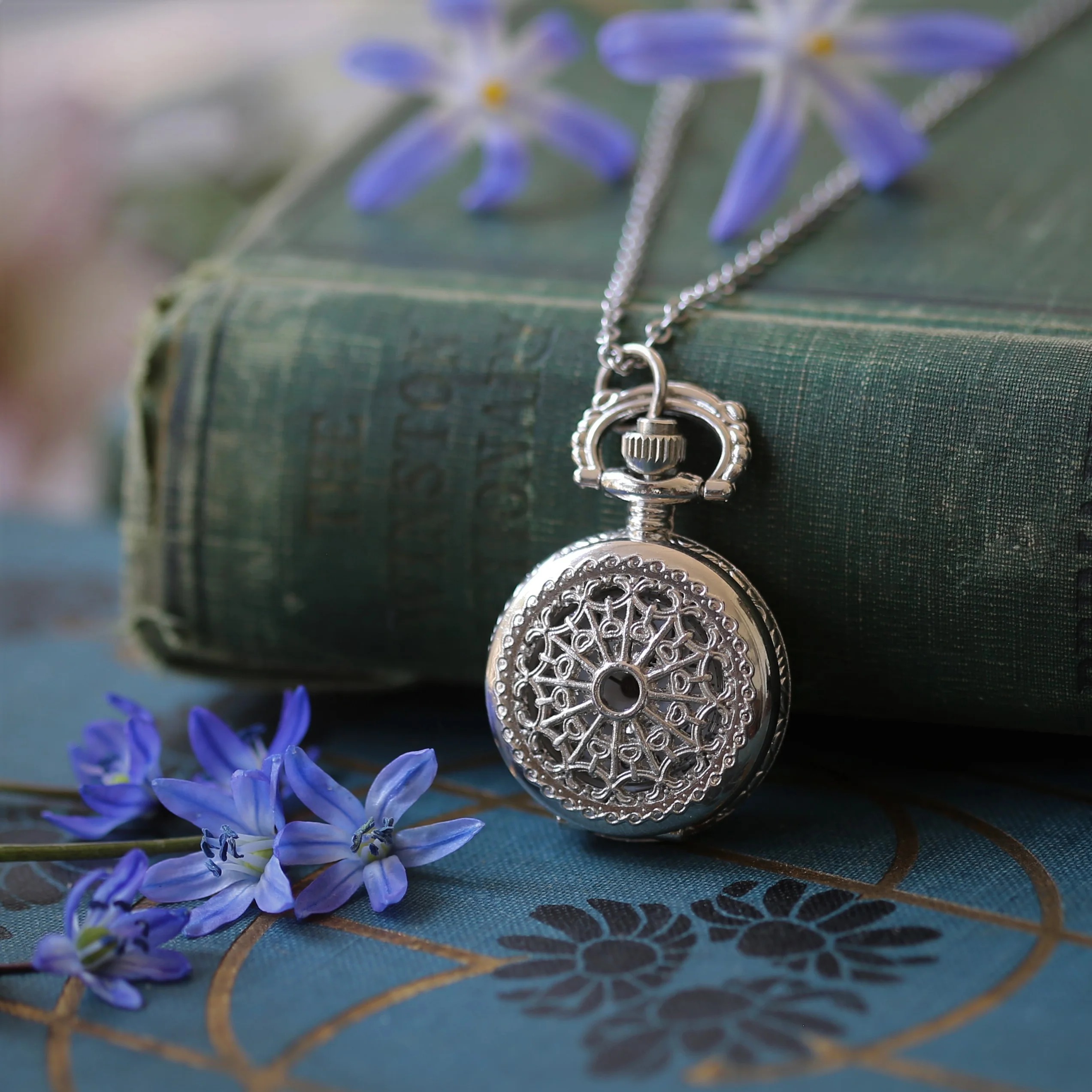 Why Choose a Watch Pendant Over Other Timepieces
One major reason people opt for a pendant watch is its distinct visual presence. Unlike wristwatches hidden under sleeves, a pendant watch hangs visibly, becoming part of an outfit. It draws the eye and often sparks conversation. This makes it ideal for formal events or occasions where personal expression matters. Additionally, the pendant watch avoids skin contact, which benefits individuals with sensitive skin or allergies to certain metals. Since it does not rest against the wrist, there is less exposure to sweat and friction. As a result, the finish remains intact longer, preserving its beauty.
Another advantage lies in versatility. A single pendant watch can be styled in multiple ways. You may drape the chain over your neck like a necklace. Alternatively, clip it onto a vest, lapel, or belt loop for a more subtle look. Some users attach it to handbags or keychains, turning it into a decorative accessory. This adaptability sets it apart from rigidly designed watches. Moreover, many models come with interchangeable chains or leather cords. These allow customization based on occasion or wardrobe choice. With so many styling options, the pendant watch suits casual and elegant settings alike. Its flexibility enhances its practicality without sacrificing aesthetic value.
Design Elements That Define a Quality Watch Pendant
Craftsmanship plays a crucial role in determining the quality of a pendant watch. High-end models feature precision-engineered movements, often mechanical rather than quartz. These movements require skilled assembly and regular maintenance. However, they offer smoother second-hand motion and greater longevity. Enthusiasts admire the complexity of gears and springs visible through transparent case backs. Such details reflect dedication to horological excellence. In contrast, lower-cost versions may use basic battery-powered mechanisms. While functional, they lack the depth and soul of traditional craftsmanship.
Materials also distinguish premium pendant watches from mass-produced ones. Stainless steel, sterling silver, and 18-karat gold are common choices for casings. These resist tarnishing and maintain luster over time. Crystal faces made from sapphire or mineral glass provide scratch resistance. Dials frequently include Roman numerals, ornate hands, and mother-of-pearl finishes. Decorative engravings on the back add another layer of sophistication. Even the chain matters—solid links last longer than plated ones. Attention to every component ensures durability and visual harmony. When these elements come together, the result is a true work of wearable art.
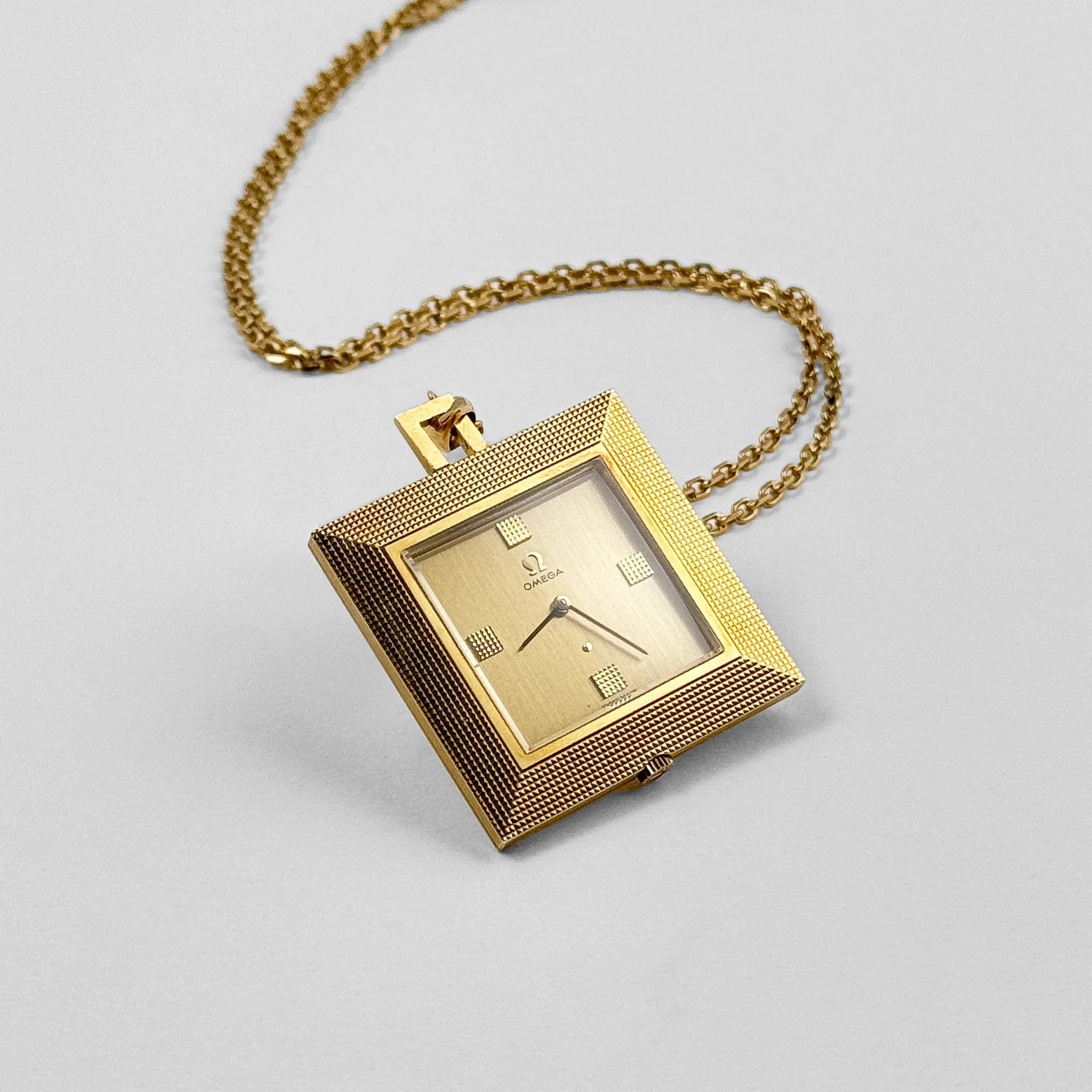 How to Style a Watch Pendant for Different Occasions
Styling a pendant watch depends heavily on context and personal taste. For formal gatherings such as weddings or galas, pairing it with a tailored suit elevates the ensemble. Let the chain emerge from the breast pocket of a waistcoat. Align the watch face so it rests just above the edge. This creates a polished, vintage-inspired silhouette. Combine it with cufflinks and a pocket square for added cohesion. Women might wear it over a cocktail dress, letting the chain fall between collarbones. Choose a delicate gold chain to complement softer fabrics like silk or lace.
In more relaxed environments, creative styling opens up possibilities. Attach the pendant watch to a denim jacket using a sturdy clip. Allow it to hang at chest level alongside other pendants. This layered effect works well for festivals or city outings. Another option involves threading the chain through a backpack strap. Not only does this keep the watch secure, but it also adds character to everyday gear. Minimalist models pair nicely with monochrome outfits. Bold designs stand out against patterned clothing. Regardless of setting, thoughtful coordination ensures the pendant watch enhances rather than overwhelms the look.
Caring for Your Watch Pendant to Ensure Longevity
Proper care extends the lifespan of any pendant watch. Regular cleaning prevents dust and oils from building up on the surface. Use a soft microfiber cloth to wipe the case and crystal gently. Avoid harsh chemicals or abrasive cleaners that could damage plating or engravings. For metal chains, occasional polishing restores shine. Specialized cloths designed for silver or gold work best. If the watch has a leather cord, condition it periodically to prevent drying and cracking. Simple maintenance routines go a long way in preserving appearance and functionality.
Beyond external care, internal upkeep is equally important. Mechanical pendant watches need servicing every three to five years. During this process, technicians disassemble the movement, clean components, and re-lubricate parts. This ensures accurate timekeeping and prevents wear. Quartz models require battery replacements when the power diminishes. Always take the watch to a professional for these procedures. Attempting DIY repairs risks damaging delicate mechanisms. Storing the watch properly also helps. Keep it in a lined box away from moisture and extreme temperatures. Following these steps safeguards your investment for decades.
 Modern Innovations in Watch Pendant Technology
While rooted in tradition, the pendant watch has embraced modern advancements. Some brands now integrate hybrid features, combining analog displays with digital functions. These may include temperature sensors, step counters, or Bluetooth connectivity. Despite these additions, designers maintain classic exteriors to honor heritage. The balance between innovation and nostalgia appeals to younger audiences unfamiliar with older models. Digital complications appear discreetly, avoiding disruption of the overall aesthetic. Users gain convenience without losing charm.
Other improvements focus on materials and production techniques. Lightweight alloys reduce strain on chains while maintaining strength. Anti-reflective coatings enhance readability in bright conditions. Shock-resistant movements protect against accidental drops. Water-resistant seals allow limited exposure to rain or splashes. Though not meant for swimming, these upgrades increase usability in daily life. Laser engraving enables intricate patterns impossible with manual tools. 3D printing assists in prototyping complex shapes. These innovations ensure the pendant watch remains relevant in a fast-changing world.
 Frequently Asked Questions
What is the difference between a pendant watch and a pocket watch?
A pendant watch is specifically designed to be worn around the neck, usually on a chain. Its size and shape make it suitable as both a timekeeper and jewelry piece. Most models have a bail or loop at the top for attaching the chain. In contrast, a pocket watch typically fits inside a jacket or trouser pocket. It often includes a stem winding mechanism and may have a hunter-case design. While some pocket watches can be converted into pendant styles with adapters, their original purpose differs.
Despite similarities, the intended usage separates them clearly. Pocket watches emphasize utility and discretion. Pendant watches highlight visibility and decoration. Both share historical roots, yet serve distinct roles today. Collectors often own both types for different contexts. Fashion-conscious individuals prefer the pendant watch for its expressive potential. Understanding this distinction helps buyers select the right model for their needs.
Can I wear a pendant watch every day?
Yes, you can wear a pendant watch daily, provided it suits your lifestyle. Rugged models built with durable materials withstand frequent handling. Look for scratch-resistant crystals and reinforced hinges if planning constant use. Avoid wearing delicate antique pieces during physical activities. Modern interpretations often blend sturdiness with elegance. They handle commuting, office work, and social events comfortably. Just ensure the chain length allows easy viewing without snagging.
Daily wear increases exposure to environmental factors. Sweat, perfume, and dirt may affect finish over time. Remove the watch before showering or exercising. Clean it regularly to prevent buildup. Store it safely when not in use. With mindful habits, a pendant watch becomes a reliable companion. Many owners find joy in seeing it become part of their routine. Its enduring presence connects past and present beautifully.
Is a pendant watch suitable for women?
Absolutely, the pendant watch suits anyone regardless of gender. Historically, women wore elaborate pendant watches as brooches or necklaces. Today, sleek designs cater specifically to feminine tastes. Delicate chains, floral engravings, and gemstone accents enhance elegance. Rose gold finishes complement warmer skin tones. Smaller case sizes fit proportionally on lighter frames. Yet bold styles exist for those preferring statement pieces.
Fashion trends increasingly embrace unisex accessories. Gender norms around watches continue to blur. Women incorporate pendant watches into bohemian, minimalist, or vintage looks. Layer it with other necklaces for texture. Wear it over blouses or cardigans for visual interest. Confidence defines style more than rules do. Anyone drawn to the pendant watch should feel empowered to wear it proudly.
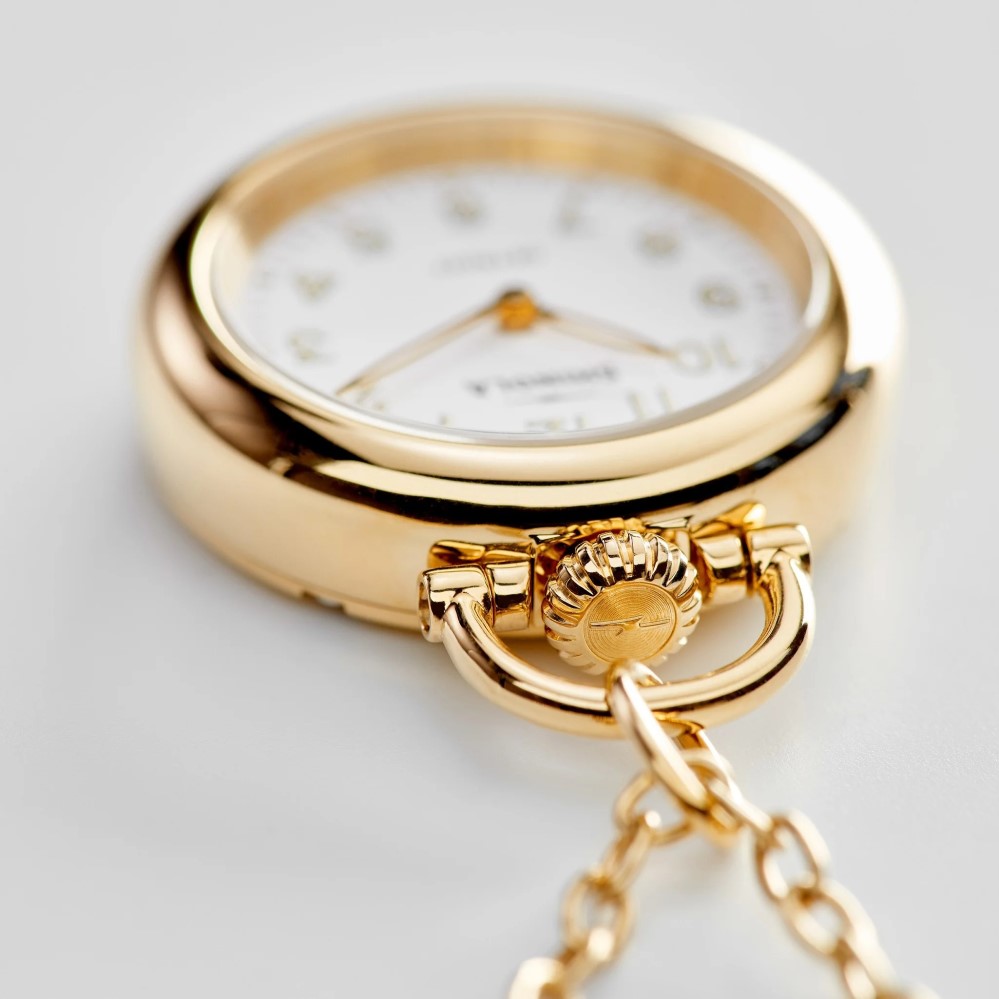 The Enduring Legacy of the Pendant Watch
The pendant watch continues to captivate hearts across generations. Its journey from royal courts to modern runways reflects adaptability and lasting appeal. More than a mere timekeeper, it represents identity, memory, and artistry. People cherish it not only for accuracy but for emotional resonance. Heirloom models carry stories of ancestors, linking families through time. Newer versions inspire self-expression in diverse cultures.
As technology accelerates, the pendant watch stands as a quiet rebellion. It reminds us to pause, observe, and appreciate craftsmanship. In a world of fleeting trends, it embodies permanence. Owning one invites connection—to history, to beauty, to oneself. Whether displayed in a museum or worn daily, its significance endures. The future holds endless possibilities for reinvention. Yet its core essence remains unchanged. The pendant watch will always symbolize grace, precision, and timeless allure. Every glance at its face becomes a moment of reflection. Each tick echoes centuries of human ingenuity. Ultimately, the pendant watch transcends function. It becomes poetry in motion, forever suspended in time.
Leave a Reply