The Cultural Roots
70s earrings emerged during a decade of bold self-expression. Fashion broke free from traditional rules. People embraced individuality through clothing and accessories. Jewelry played a central role in defining personal style. Earrings became larger, louder, and more artistic than ever before.
This era celebrated freedom and experimentation. Movements like feminism, civil rights, and anti-war protests influenced design. Artists and musicians led the charge in visual innovation. Icons such as Diana Ross, Stevie Nicks, and Cher set trends daily. Their stage looks inspired everyday wear across continents.
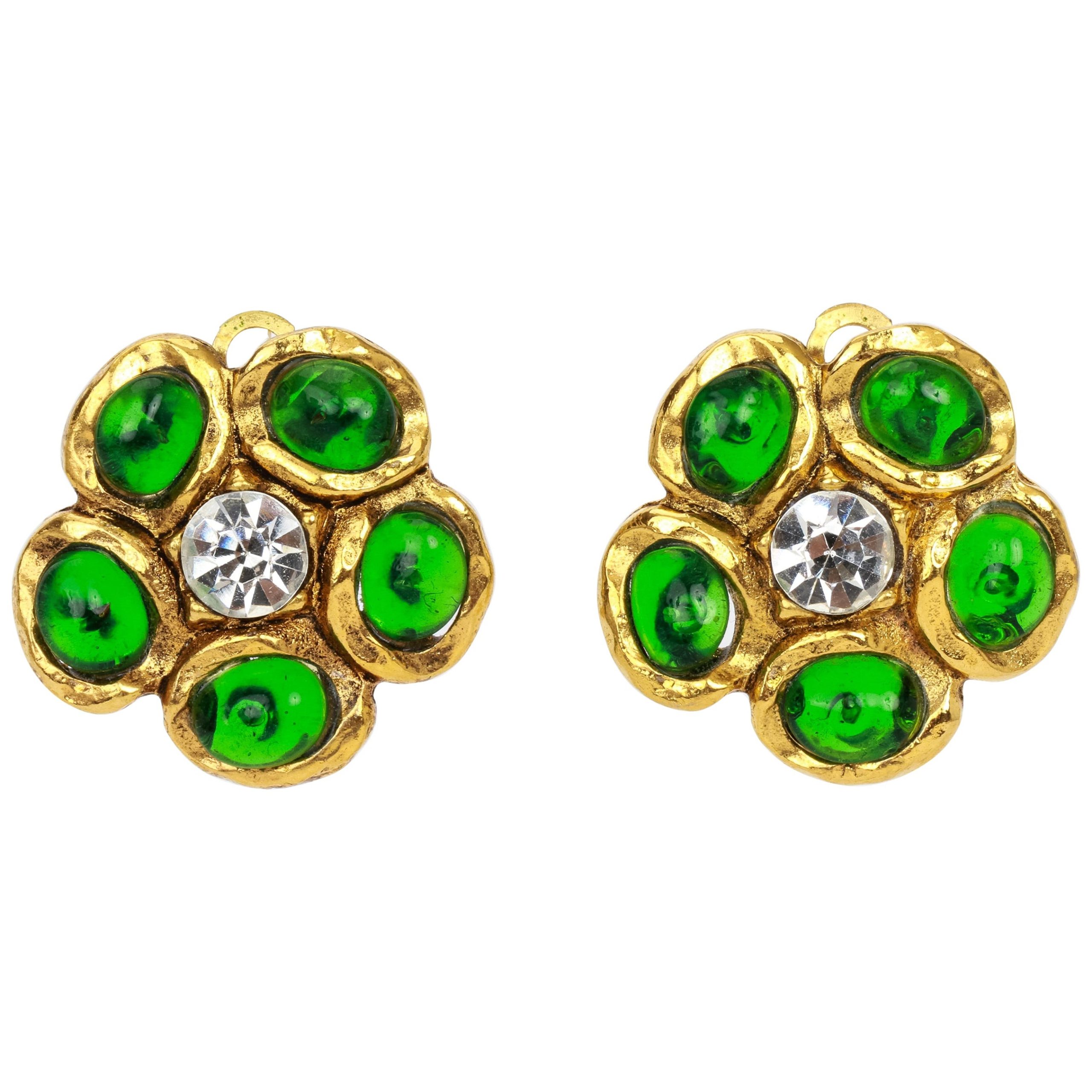
Earrings reflected this cultural shift perfectly. Hoops grew wider, drops became longer, and colors exploded. Materials ranged from shiny metals to natural wood and feathers. Some designs included peace signs or sun motifs. Others featured tassels, beads, and fringe for added drama.
Ethnic influences also shaped the aesthetic. African, Indian, and Native American styles gained mainstream attention. Handcrafted pieces entered mass markets with pride. Bohemian fashion rose in popularity alongside festival culture. Every pair of 70s earrings told a story of identity and rebellion.
The disco scene further amplified their appeal. Dance floors lit up with shimmering sequins and reflective surfaces. Metallic finishes caught strobe lights beautifully. Wearing flashy earrings was not just fashion—it was a lifestyle. Confidence came alive with every swing and sparkle.
 Design Elements That Define the Era
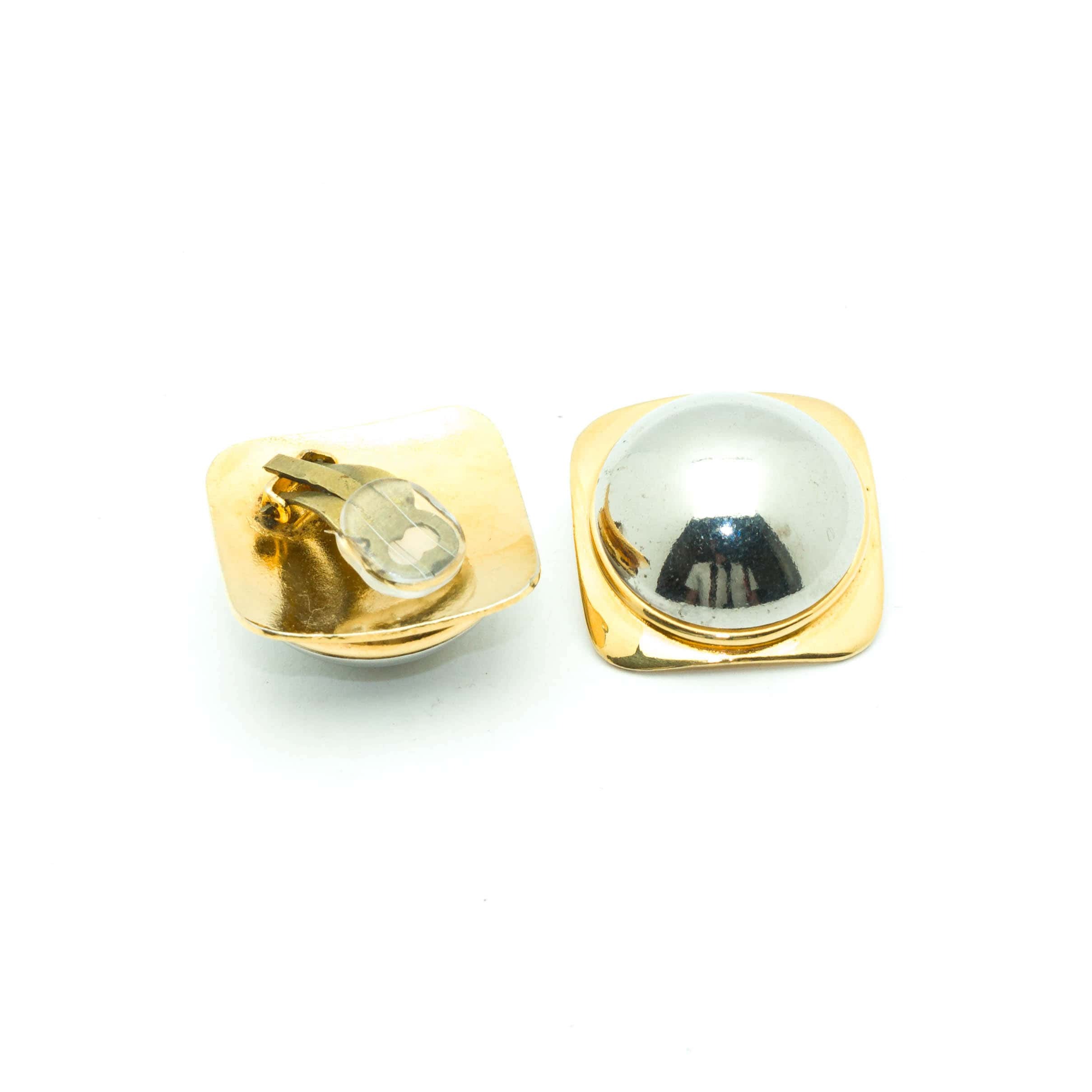
The most iconic 70s earrings shared distinct visual traits. Large hoops dominated urban and suburban streets alike. Sizes expanded beyond the earlobe, framing the face dramatically. Gold tones were especially popular, though silver and copper had loyal followings.
Dangling styles featured intricate movement. Many included chains, charms, or layered pendants. As the wearer walked, they swayed rhythmically. This kinetic quality made them stand out instantly. Sound sometimes accompanied motion—tiny bells added auditory flair.
Materials varied widely based on subculture. Mainstream fashion favored lightweight alloys. These kept comfort high despite large dimensions. Craft-based communities used leather, macramé, and hand-painted clay. Natural elements gave an earthy, grounded feel.
Color usage was fearless and expressive. Bright yellows, oranges, greens, and purples appeared often. Rainbow gradients mimicked psychedelic art. Painted patterns included florals, spirals, and cosmic themes. Even monochrome pairs used high-gloss finishes for impact.
Geometric shapes also gained traction. Triangles, stars, and sunbursts symbolized optimism. Some designs doubled as political statements. Peace symbols promoted harmony during turbulent times. Feathers represented freedom and spiritual connection.
No matter the form, each piece carried energy. They rejected minimalism in favor of celebration. Today’s reinterpretations stay true to these roots. Modern 70s earrings capture that same vibrant spirit with updated craftsmanship.
How Music and Film Shaped the Trend
Music icons defined what 70s earrings looked like. Studio 54 performers wore oversized glittering pairs. Disco queens sparkled under rotating mirrors. Funk artists paired wide hoops with bold makeup. Rock stars added edge with studded or asymmetrical designs.
David Bowie’s theatrical transformations influenced gender-fluid styles. His use of dramatic earrings challenged norms. Elton John matched costumes with equally wild accessories. These visuals reached millions through TV and radio.
Film actresses brought glamour to red carpets. Fawcett’s feathered bangs framed dangling drops perfectly. Jane Birkin’s effortless Parisian look included simple gold hoops. On-screen characters mirrored real-life fashion evolution.
Television shows reflected contemporary tastes too. Charlie’s Angels showcased sleek, modern femininity. Each actress wore stylish 70s earrings regularly. Viewers rushed to copy their polished yet daring aesthetics.
Concert posters and album covers spread the trend further. Visual art highlighted jewelry as part of the whole image. Fans recreated looks for dances, parties, and school events. The influence flowed from stage to street seamlessly.
Even today, reboots and retrospectives revive interest. Documentaries about the decade feature close-ups of signature styles. Streaming platforms reintroduce classic films to younger audiences. Nostalgia fuels demand for authentic reproductions.
 Styling Tips for Wearing 70s Earrings Today
Modern fashion embraces vintage revival with confidence. Pairing 70s earrings with current outfits creates striking contrast. Start by choosing one statement piece per look. Let the earrings remain the focal point.
Wide hoops work well with off-the-shoulder tops. They highlight collarbones and necklines elegantly. Add a solid-color maxi dress for balance. Avoid competing necklaces to keep attention upward.
Long dangle styles suit updos and half-buns. Pull hair back to showcase full length. Braids or space buns enhance the retro vibe. Minimalist faces with glossy lips complete the effect.
For casual wear, try smaller interpretations. Mini hoopers or beaded drops fit office environments. Combine them with denim jackets and tucked-in tees. A floppy hat adds extra flair without overdoing it.
Festival fashion welcomes full-on extravagance. Layer multiple hoop sizes for dimension. Mix metals like gold and rose gold freely. Feather accents or holographic finishes boost playfulness.
Footwear and bags should complement, not clash. Platform sandals echo the era perfectly. Woven clutches or fringe purses tie into the theme. Sunglasses with tinted lenses finish the transformation.
Confidence matters most when styling vintage items. Wear them with purpose and joy. Don’t worry about perfection—imperfection was part of the original charm. With thoughtful pairing, 70s earrings become timeless.
Materials and Craftsmanship Behind Vintage Appeal
Authentic 70s earrings relied on both industrial and handmade methods. Factories produced metal-based designs at scale. Die-cast molds shaped uniform hoops quickly. Plating techniques applied gold or silver finishes evenly.
Handcrafting remained essential for niche markets. Artisans wove threads into macramé drops. They carved wooden pieces into symbolic shapes. Beading required patience, creating detailed patterns strand by strand.
Common materials included brass, aluminum, and acrylic. Lightweight construction prevented ear fatigue. Rhinestones provided affordable sparkle. Mirrored surfaces reflected light dynamically.
Today’s versions improve durability while honoring originals. Stainless steel replaces weaker alloys. Hypoallergenic coatings protect sensitive skin. Secure backings prevent loss during movement.
Eco-conscious brands now use recycled metals. Sustainable sourcing reduces environmental harm. Water-based paints replace toxic dyes. Ethical labor practices support fair production globally.
3D printing allows precise replication of rare designs. Limited-edition runs honor discontinued styles. Customization options let buyers request unique sizes or colors. Technology enhances accessibility without losing authenticity.
Whether mass-produced or hand-finished, craftsmanship defines value. Collectors seek vintage originals for historical worth. Daily wearers appreciate modern upgrades. Both rely on the enduring magic of 70s earrings.
 Where to Find Authentic and Inspired Pieces
Vintage shops are treasure troves for original 70s earrings. Local boutiques often carry curated selections. Inspect each piece closely for damage or missing parts. Check clasps and hooks for stability before purchasing.
Online marketplaces host global sellers specializing in retro goods. Use filters to search by decade, material, or style. Read seller reviews and return policies carefully. Look for clear photos taken in natural light.
Auction sites feature rare collectibles occasionally. Signed designer pieces fetch higher prices. Estate sales sometimes include unopened vintage stock. Patience pays off when hunting for gems.
Modern retailers offer faithful recreations. Official brand reissues guarantee accuracy. Department stores carry seasonal retro-inspired lines. Holiday collections often include 70s earrings as themed accessories.
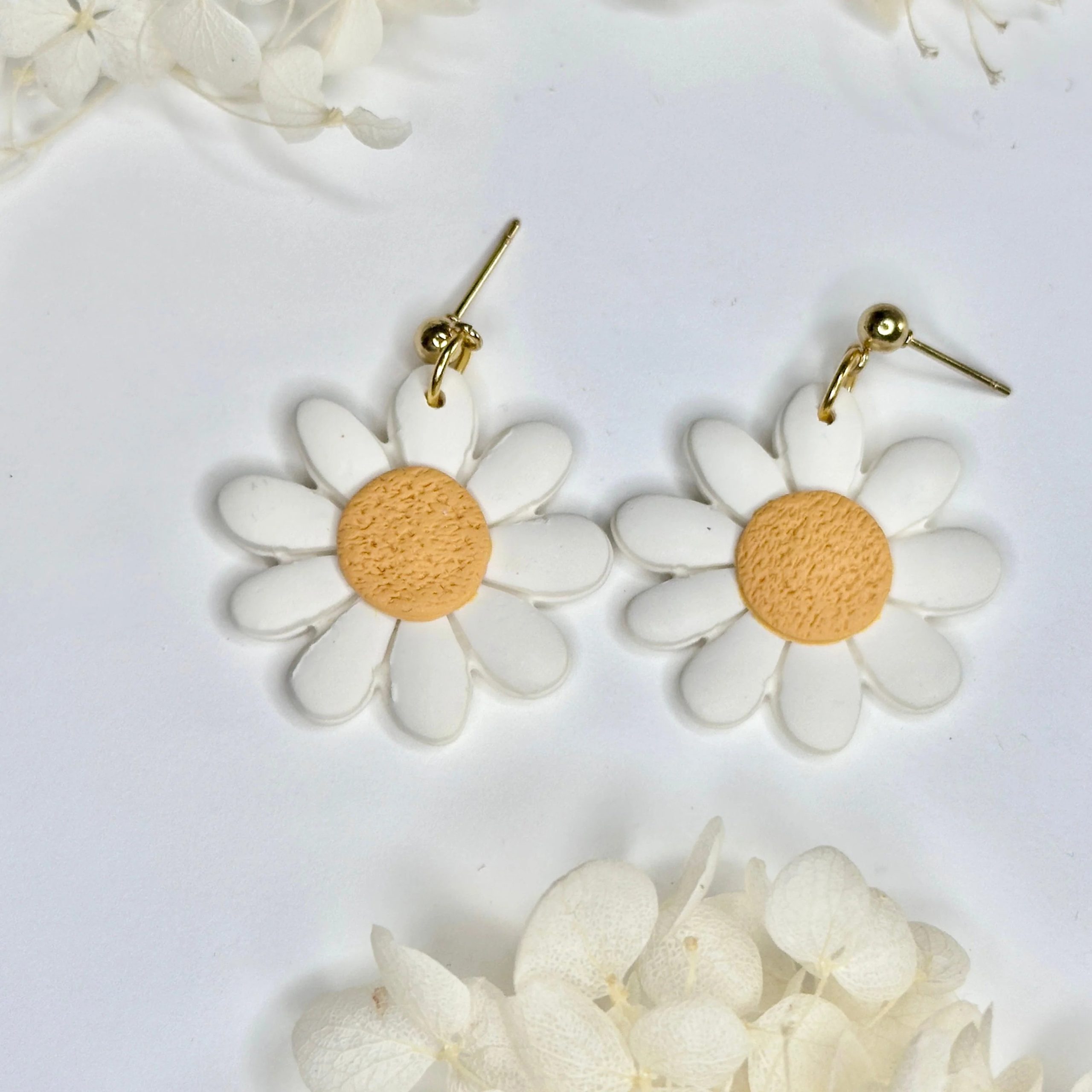
Independent designers sell through platforms like Etsy. Handmade versions allow customization. Buyers can request specific lengths or color combinations. Direct communication ensures expectations align.
Pop-up markets and craft fairs support local talent. Vendors demonstrate how clips or hinges function. Try them on before committing to a purchase. Face-to-face interaction builds trust easily.
Subscription boxes introduce surprise finds monthly. Curated services focus on vintage fashion. Members receive exclusive access to limited runs. Discovery becomes part of the fun.
With so many channels available, finding the perfect pair of 70s earrings is easier than ever.
Caring for Your Retro-Inspired Accessories
Preserving 70s earrings keeps them looking fresh. Store them separately in soft pouches. Use individual compartments to avoid scratches. Keep away from moisture and direct sunlight.
Clean gently after each use. Wipe metal surfaces with a dry microfiber cloth. Remove oils, sweat, or perfume residue promptly. For deeper cleaning, dip a cotton swab in mild soapy water.
Avoid soaking porous materials like wood or fabric. These can warp or discolor if wet. Use a dry brush to remove dust from textured areas. Let damp pieces air-dry completely before storing.
Inspect hooks and wires regularly. Bent posts affect fit and comfort. Tighten loose connectors carefully with pliers. Replace damaged parts immediately to prevent loss.
Avoid wearing them during physical activities. Exercise, swimming, or housework increases risk. Chemicals in pools or cleaners harm finishes. Hairspray and lotions accelerate tarnishing too.
Rotate pairs to reduce strain on any single set. Alternate between heavy and lightweight models. Proper habits extend lifespan significantly. Well-maintained 70s earrings retain brilliance for years.
Label storage boxes clearly for quick access. Group by size, color, or occasion type. Organization prevents frustration later. Treat them as valued pieces, not disposable decor.
 Frequently Asked Questions
Are 70s earrings only for women?
No, fashion has no gender limits. Men wore bold earrings during the 70s too. David Bowie and Prince made dramatic styles mainstream. Today’s unisex trends welcome all identities.
Some designs are naturally versatile. Simple hoops or geometric drops suit any outfit. Genders express themselves differently now. Anyone drawn to 70s earrings should feel free to wear them.
Can I wear 70s earrings to work?
Yes, depending on your workplace culture. Choose smaller versions for professional settings. Tiny hoops or subtle drops maintain polish. Avoid noisy or oversized styles in quiet offices.
Pair them with tailored blazers or silk blouses. Keep makeup and hair neat for balance. When styled thoughtfully, they add personality without distraction.
Do 70s earrings come in hypoallergenic options?
Absolutely, many modern versions are safe for sensitive skin. Look for nickel-free metals like titanium or surgical steel. Coated hooks reduce irritation significantly.
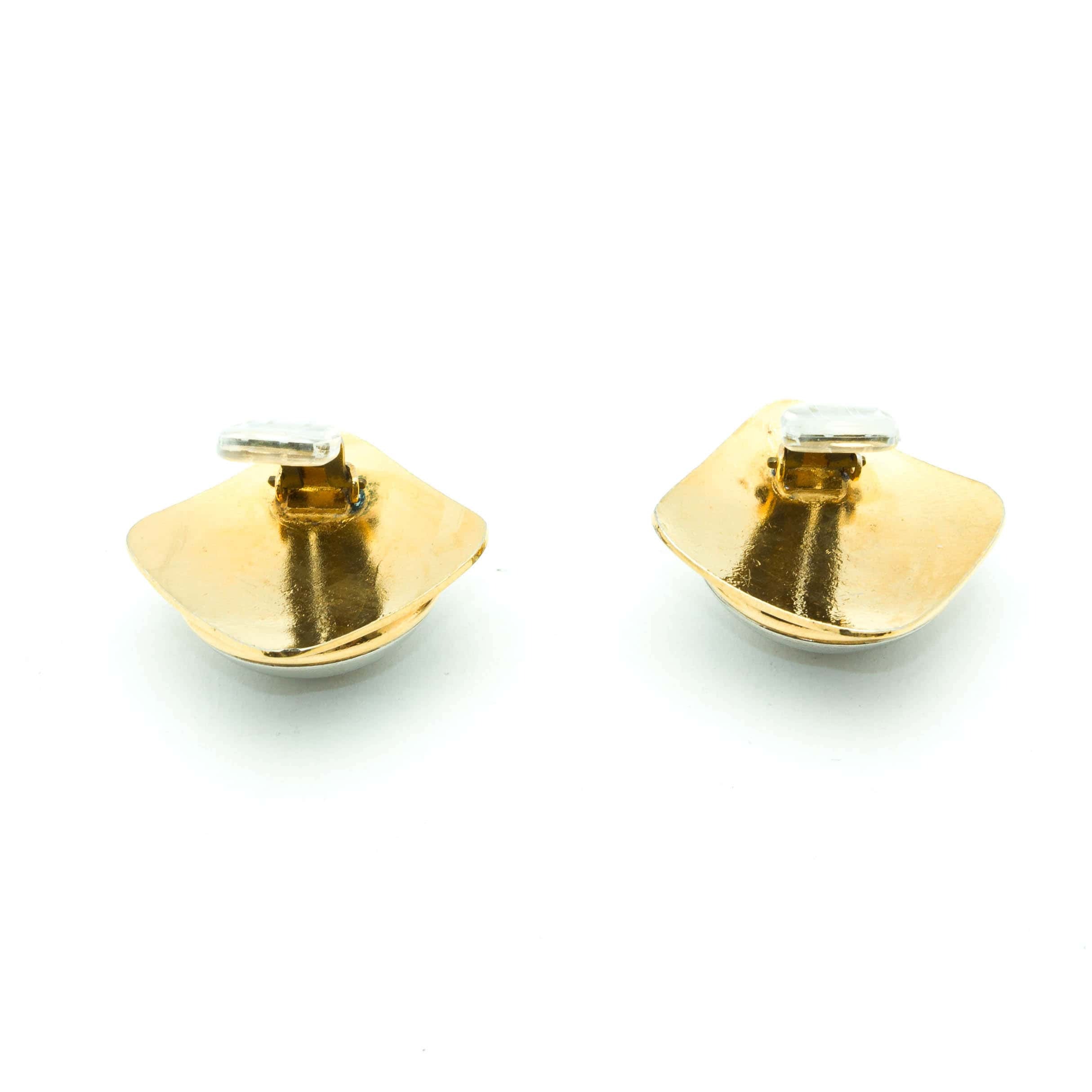
Rubber-backed clips prevent pinching. Some brands specialize in allergy-friendly jewelry. Always check product descriptions before buying online.
How do I know if my 70s earrings are authentic?
Start by examining craftsmanship closely. Real vintage pieces show slight imperfections. Handmade details indicate original work. Uniform machine marks suggest reproduction.
Check hallmarks or maker’s stamps if present. Research brand logos from the era. Compare pricing with known market values. Extremely low costs usually mean imitation.
Consult experts or collectors if uncertain. Online forums help identify rare styles. Photos and descriptions go a long way in verification. Trustworthy sellers provide provenance details.
Can I wear 70s earrings with short hair?
Definitely, short cuts highlight them beautifully. Pixie styles expose ears fully. Cropped layers frame dangling designs perfectly. Exposed lobes draw immediate attention.
Asymmetrical cuts pair well with mismatched pairs. Undercuts create dramatic contrast. Confidence grows when styling feels authentic. Short hair makes maintenance easier too.
With proper fit, 70s earrings shine regardless of hairstyle length.
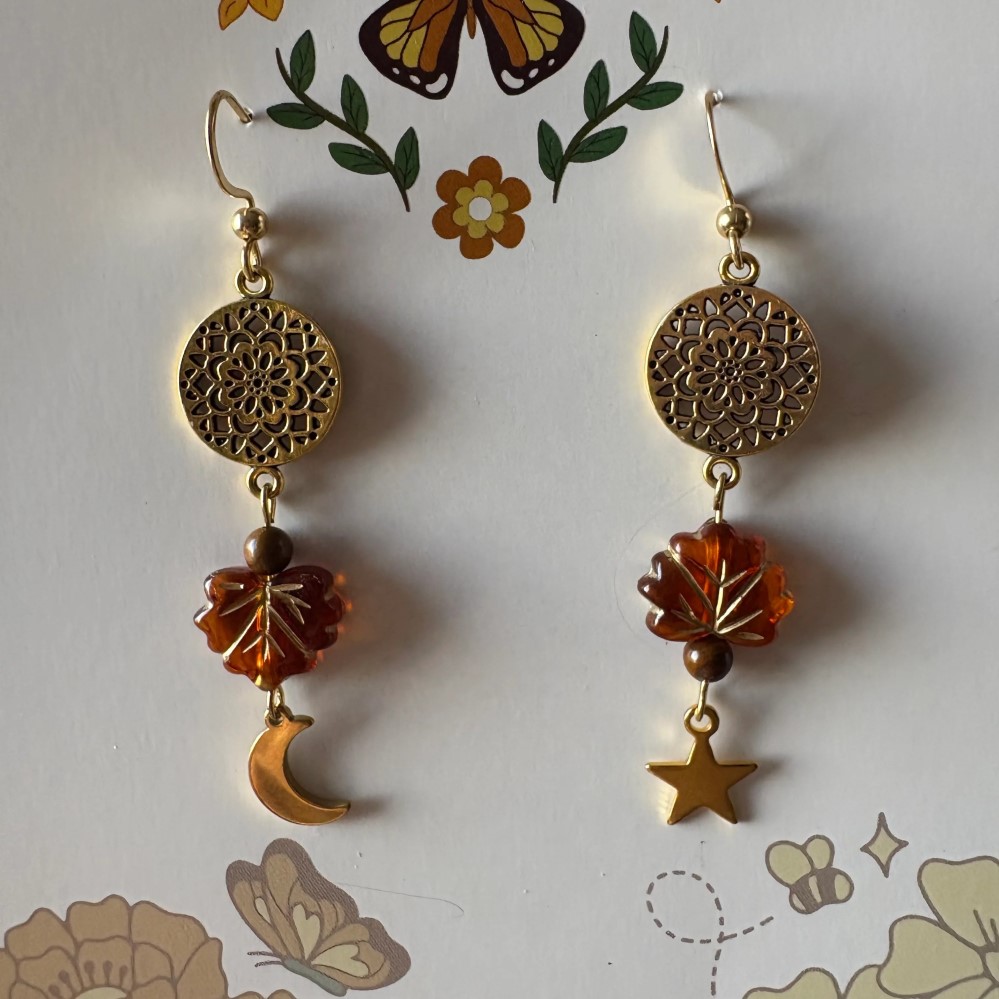 Final Thoughts on Celebrating a Legendary Decade
70s earrings represent more than nostalgia. They embody freedom, creativity, and fearless expression. Their comeback proves that great design never fades. Culture cycles bring back what resonates deeply.
Owning a pair connects you to a revolutionary time. Music, film, and social change shaped their rise. Today’s versions honor that legacy with modern updates. Lighter materials, safer finishes, and better closures improve wearability.
They invite fun and imagination into daily routines. Wear them to dance, celebrate, or simply feel radiant. Gift them to loved ones exploring their style. Share stories behind each unique design.
As fashion evolves, so will interpretations of this icon. Designers will experiment with new forms and textures. Yet the core idea—the bold, swinging, sparkling statement—will endure. Innovation respects history while expanding possibilities.
Ultimately, 70s earrings do more than decorate. They inspire confidence, joy, and connection through vibrant beauty. Let them remind you to live loudly and shine brightly.
Leave a Reply