What Defines Indian Earrings
Indian earrings are more than just accessories. They carry deep cultural meaning. Each piece reflects centuries of tradition. Craftsmanship, symbolism, and identity come together. These earrings celebrate artistry and heritage. Their designs vary by region, religion, and occasion. No single style defines them all. Diversity is their strength.
From temple jewelry to royal court adornments, each type has a story. Some are worn during weddings. Others appear in religious rituals. Festivals bring out the most elaborate pairs. Women often inherit heirloom pieces. Grandmothers pass down antique jhumkas. These acts preserve family history. Jewelry becomes a living legacy.
Materials play a key role. Gold remains the top choice for ceremonial wear. Silver is common for daily use. Many modern versions use gold plating over brass. This makes traditional styles accessible. Even costume versions honor original designs. Authenticity lives in detail.
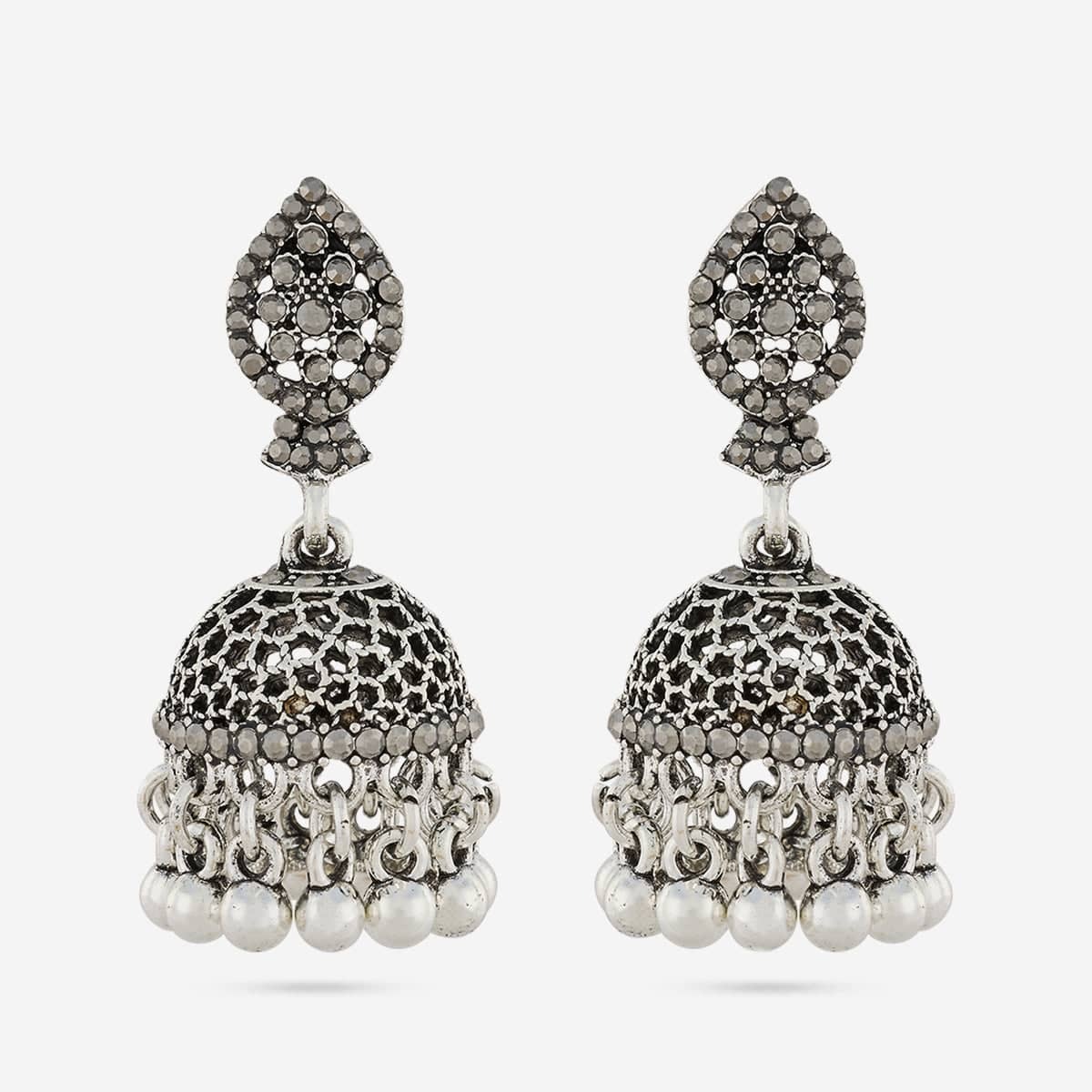
Shapes range from circular to teardrop. Jhumkas are perhaps the most iconic. These bell-shaped earrings dangle below the earlobe. They often include small bells that gently chime. Meenakari work adds colorful enamel details. Kundan settings feature uncut gemstones. Every technique tells a regional tale.
Moreover, Indian earrings enhance beauty through balance. They frame the face beautifully. Long hair or braids pair perfectly with dangling styles. Brides wear matching sets with necklaces. The full look creates harmony. Symmetry enhances elegance.
Men also wear certain types. Tribal communities use large wooden or metal hoops. In South India, grooms wear jhumkas during ceremonies. Bollywood actors popularize vintage styles. Gender roles evolve with fashion. Tradition meets modern expression.
 Regional Styles
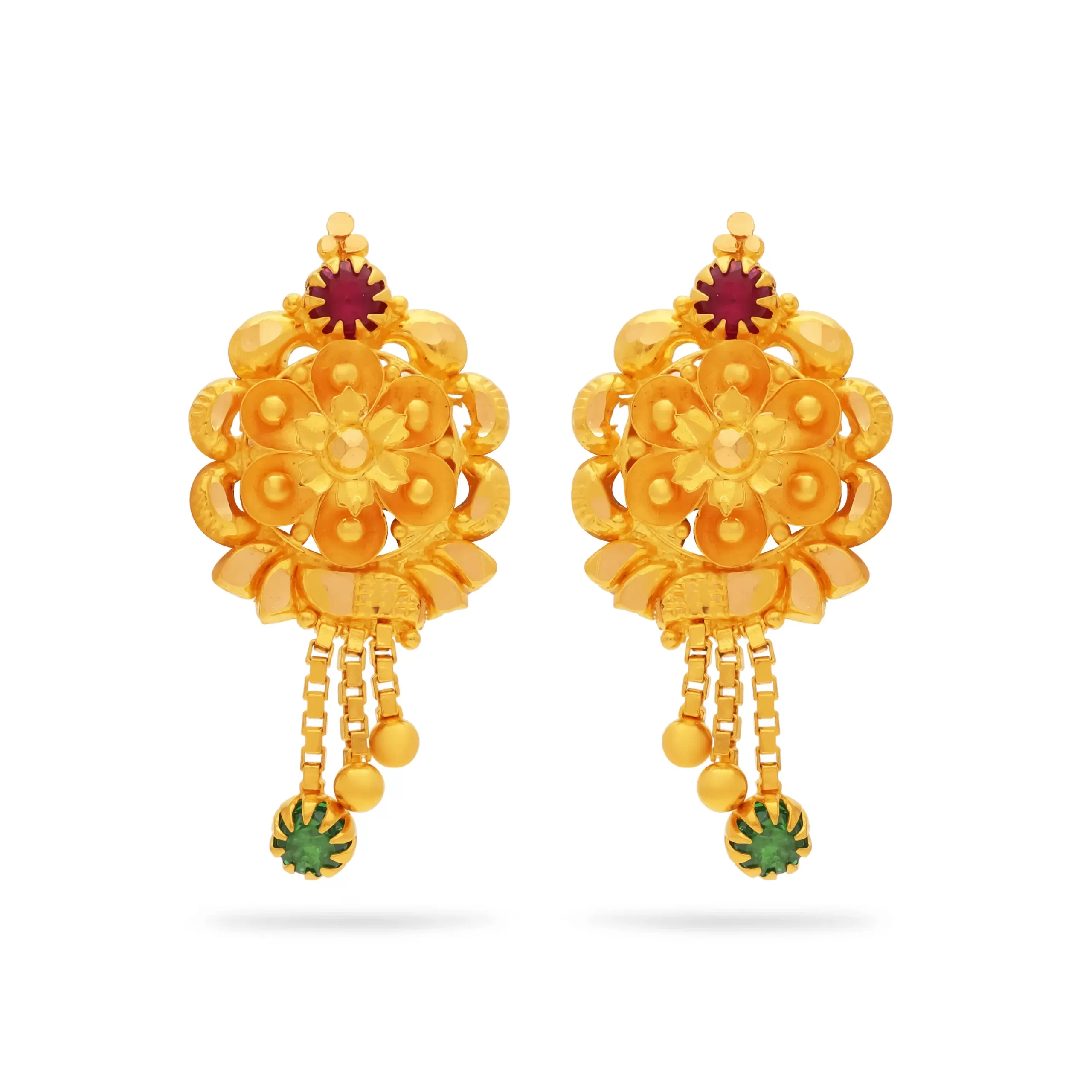
North India features some of the most ornate designs. In Rajasthan, women wear heavy kundan jhumkas. These include red and green stones. Mirror work adds sparkle under lights. Marwaris and Rajputs favor bold choices. Royal families once wore similar pieces. Now, brides recreate the opulence.
Delhi and Uttar Pradesh embrace zari and meenakari. Zardozi embroidery covers earring backs. Tiny mirrors reflect light like stars. These are common in wedding trousseaus. Mothers prepare sets years in advance. Love and labor shape every piece.
In Gujarat, polki and phulkari influence design. Flat-cut diamonds sit in silver frames. Floral patterns cover surfaces. Tribal groups like the Rabaris craft unique versions. Beads and thread form intricate borders. Colors follow community traditions. Identity shows in every stitch.
South Indian styles focus on temple inspiration. Tamil Nadu’s temple jewelry uses pure gold. Deities wear similar pieces in carvings. Devotees replicate them as offerings. Women wear these during puja and festivals. Spirituality blends with adornment.
Karnataka and Andhra Pradesh feature jadai murki styles. These attach to braided hair ends. Long chains drop from buns. They sway with movement during dance. Bharatanatyam performers rely on them. Sound and motion complete the performance.
West Bengal celebrates Durga Puja with special earrings. Chandrahaar-inspired designs mimic moon shapes. Silver crescents hang with pearls. Married women wear specific styles. Religious rules guide choices. Faith shapes fashion.
East India includes tribal variations. Mizoram and Nagaland use wooden plugs and bone. Large stretched lobes hold statement pieces. Colors follow clan identities. Festivals display full regalia. Pride lives in every accessory.
Each region honors its roots. Migration spreads styles across cities. Urban women mix heritage with modern trends. Fusion jewelry grows in popularity. Yet respect for origin remains strong.
Materials and Craftsmanship
Gold dominates ceremonial designs. 22K gold offers rich color and softness. It allows fine detailing without breaking. Many families own solid gold sets. These serve as both jewelry and savings. Value increases over time.
Silver is widely used for everyday wear. It resists tarnish when stored properly. Artisans stamp intricate patterns into sheets. Oxidized silver gives an antique effect. This appeals to lovers of vintage charm. Durability supports long-term use.
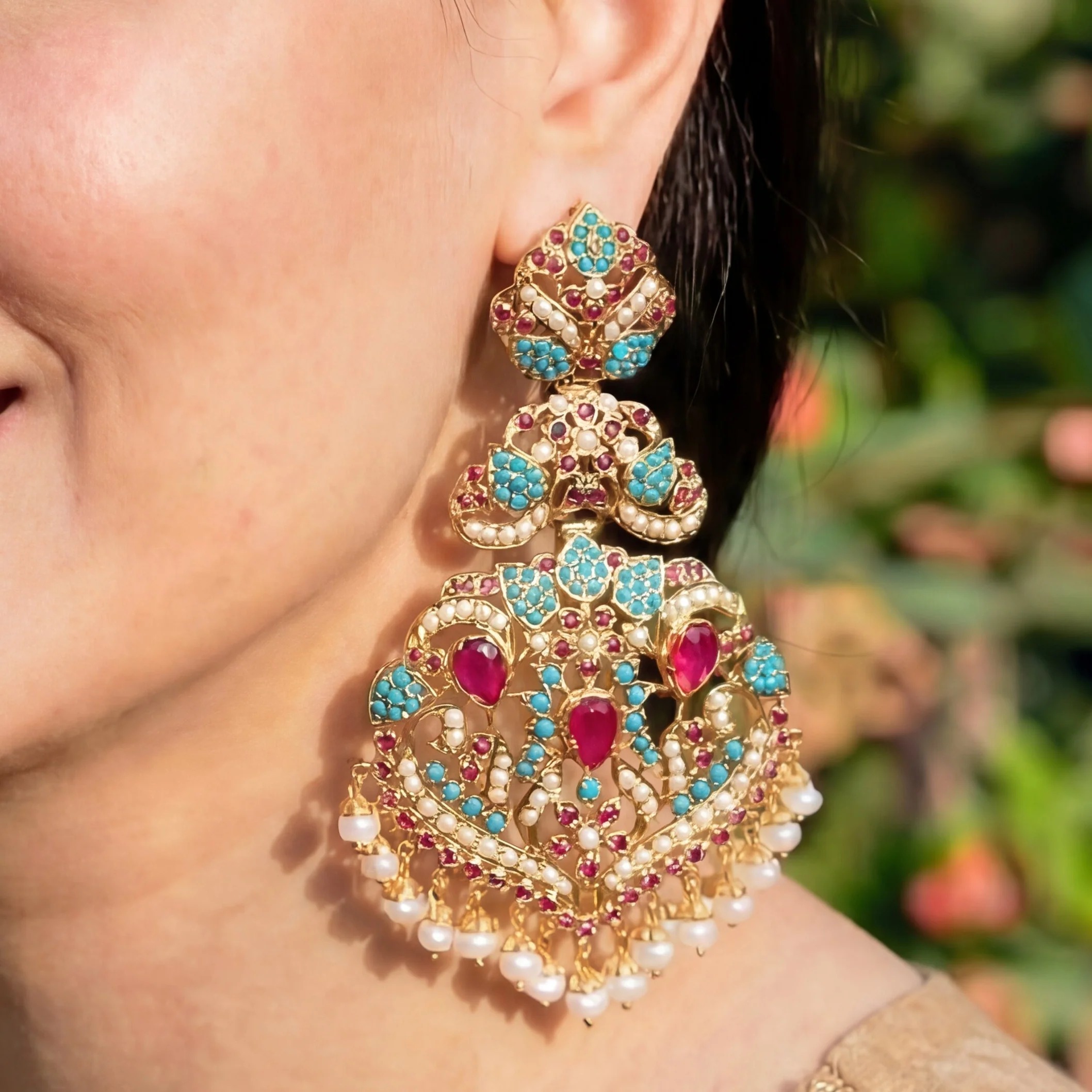
Gemstones add vibrancy and meaning. Rubies stand for passion and protection. Emeralds represent fertility and prosperity. Pearls symbolize purity and calm. Sapphires bring wisdom and peace. Stones align with astrological beliefs. Many choose based on birth signs.
Meenakari involves hand-painting enamel. Artists fill engraved areas with bright colors. Reds, greens, and blues shine under light. Firing sets the finish permanently. This skill comes from Jaipur. Only trained hands achieve precision.
Kundan setting requires patience. Uncut gemstones sit in gold foil beds. Gold bands press around each stone. No glue is used. The process takes days for one pair. Master jewelers pass it to apprentices. Skills survive through teaching.
Polki uses flat-cut diamonds. These lack modern faceting. They reflect light softly. Often paired with pearls. Sets include matching necklaces and maang tikka. Bridal collections center on such suites. Completeness matters in tradition.
Modern alternatives exist too. Brass provides a base for gold plating. Glass mimics real gemstones. Synthetic enamel reduces cost. These make traditional looks affordable. Mass production increases access. Still, handmade versions remain prized.
Wire wrapping and filigree work appear in Kashmiri styles. Thin gold threads twist into lace-like forms. Delicate but strong. These suit older women seeking elegance. Grace meets tradition in design.
 Symbolism and Cultural Significance
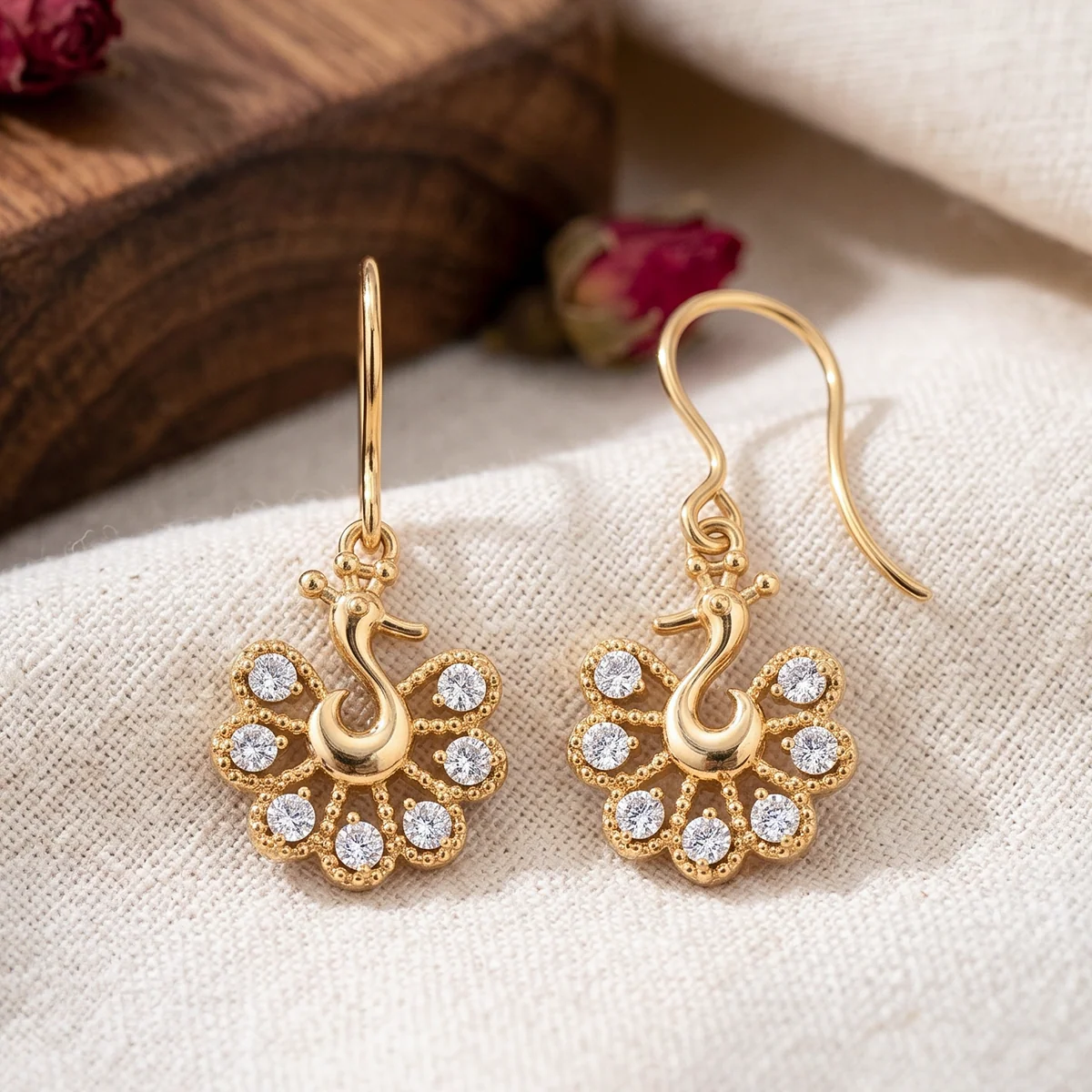
Every element carries meaning. Shape, size, and material matter. Circular jhumkas represent unity and eternity. Teardrop designs suggest fertility and emotion. Peacock motifs stand for beauty and grace. Nature inspires sacred symbols.
Marital status influences choices. In many cultures, married women wear specific earrings. Red and gold combinations mark union. Widows may avoid bright colors. Religious customs guide decisions. Respect shapes personal style.
Religion plays a major role. Hindu goddesses wear elaborate earrings. Lakshmi has lotus-themed ones. Saraswati wears pearl drops. Devotees emulate them during worship. Jewelry becomes devotional practice.
Astrology affects selection too. Birth charts suggest favorable metals. Some wear protective talismans inside earrings. Navaratna sets include nine gemstones. These balance planetary energies. Healing properties are believed.
Festivals bring symbolic changes. Diwali calls for new jewelry. Families gift fresh pairs. Lohri and Pongal welcome seasonal updates. Holi inspires playful, colorful versions. Occasion dictates design.
Dance and performance link to spiritual themes. Classical dancers wear prescribed styles. Movements must be visible. Sound from tiny bells enhances rhythm. Expression needs support.
Heirlooms connect generations. A mother’s wedding set goes to her daughter. Engraved names or dates increase value. Emotional bonds grow stronger. Stories pass through metal and stone.
Even piercing holds ritual meaning. Ear-piercing ceremonies occur in infancy. Known as karnavedha, it marks entry into culture. Priests chant mantras. Family gathers to celebrate. The first earrings are simple gold studs. Meaning begins early.
How to Style Earrings Today
Pair them with traditional outfits for authenticity. Sarees, lehengas, and salwar kameez work best. Match the earring tone to the fabric. Gold jewelry goes with red, maroon, or orange. Silver suits white, blue, or green. Harmony enhances impact.
For fusion fashion, mix with western wear. A jhumka with a black dress stands out. Denim jackets go well with oxidized silver. Crop tops reveal neckline space. Modern styling respects tradition. Innovation keeps culture alive.
Hair matters greatly. Braids show off dangling styles. Buns lift earrings upward. Loose waves may hide details. Updos keep focus on the face. Styling supports visibility.
Makeup should complement, not compete. Bold eyes balance large earrings. Soft lips maintain harmony. Bindis match the theme. Complete the look intentionally. Cohesion strengthens presence.
Occasions guide choices. Weddings demand heavy gold sets. Engagement parties allow semi-precious stones. Daily wear favors lightweight versions. Office settings need subtle designs. Context shapes decision-making.
Men can wear smaller jhumkas or studs. Grooms often do so during ceremonies. Urban men adopt tribal hoops. Confidence determines suitability. Anyone can embrace the trend.
Seasons affect materials. Summer calls for lighter metals. Avoid heavy gold in heat. Winter welcomes layered necklaces. Earrings become part of warmth. Adaptation ensures comfort.
Layering works carefully. Add a short chain necklace if needed. Avoid overcrowding near the face. Space separates elements. Depth increases visual interest.
 Caring for Your Earrings
Always remove them before sleeping. Pressure can bend posts or loosen settings. Ears may become irritated overnight. Nightly removal prevents damage and discomfort. Store them flat in a soft case.
Clean gently with mild soap and lukewarm water. Use a soft cloth or cotton swab. Wipe around crevices where dirt collects. Rinse carefully and dry immediately. Do not soak porous stones like pearls. Regular cleaning preserves shine.
Avoid exposure to chemicals. Perfumes, lotions, and hairsprays corrode metal. Apply cosmetics first, then put on earrings. This reduces direct contact. Safe habits extend lifespan significantly.
Inspect regularly for loose parts. Check backs, threads, and solder points. Tighten screws if possible. Replace worn clips before losing pieces. Early fixes save money later.
Keep away from humidity. Bathrooms trap moisture. Over time, it causes tarnishing. Store in a dry place like a bedroom drawer. Silica gel packets help absorb dampness. Prevention beats repair.
Protect from sunlight. UV rays can fade certain coatings. Transparent layers lose clarity. Display cases should avoid windows. Rotate stored pairs to reduce exposure.
When traveling, use a hard case. Soft pouches offer little defense. Hard shells prevent crushing. Separate each pair to avoid scratches. Organization ensures safe arrival.
Vintage or heirloom pieces need extra care. Older plating wears thin. Repairs may require specialists. Seek jewelers experienced with delicate work. Preservation adds value.
 Frequently Asked Questions
Are indian earrings only for women?
No, men wear them too. Grooms wear jhumkas during weddings. Tribal communities use large hoops.
Bollywood actors popularize traditional styles. Gender does not limit choice. Anyone can express identity.
Can I wear indian earrings with western clothes?
Yes, absolutely. Pair jhumkas with blazers or dresses. Mix cultural elements freely.
Style depends on confidence. Modern fashion embraces fusion. Balance creates harmony.
Do they hurt the ears?
Heavy pairs may cause pressure. Wear them in short sessions at first. Build up tolerance gradually.
Lightweight versions reduce strain. Secure backs prevent pulling. Comfort pads help sensitive lobes.
Where can I buy authentic indian earrings?
Check artisan markets and online boutiques. Etsy and specialized websites host many makers.
Look for handcrafted, signed pieces. Avoid mass-market imitations. Quality shows in detail.
How do I know if they are made of real gold?
Check for hallmarks like 22K or 750. Reputable sellers provide certificates. Weight indicates quality.
Real gold feels substantial. Fake versions look too shiny. When in doubt, consult an expert.
Can I pass down indian earrings as heirlooms?
Yes, this is common practice. Families treasure bridal sets. Emotional value grows over time.
Store them properly. Pass stories along with metal. Legacy lives through jewelry.
 Final Thoughts
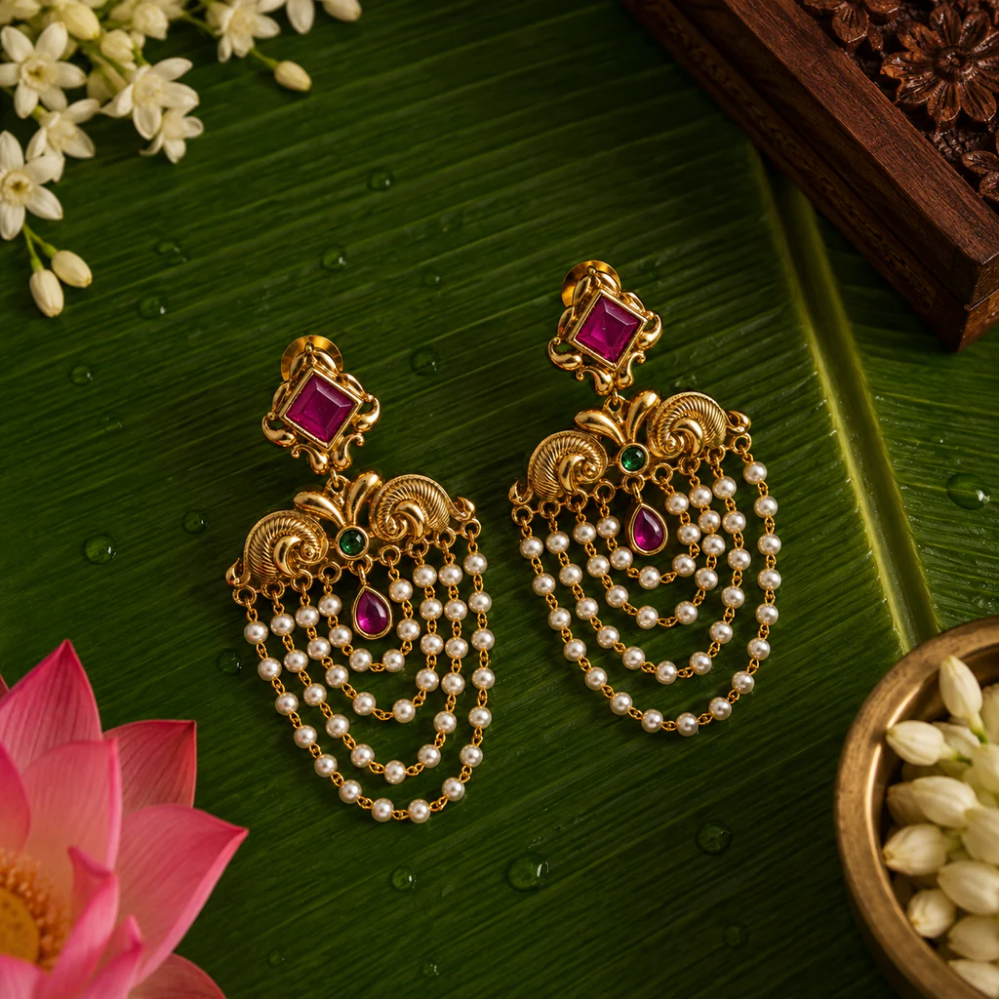
Indian earrings continue to inspire wearers worldwide. Their rich designs reflect history, faith, and artistry. Whether worn during weddings or daily routines, they carry meaning. Culture lives in every curve and color.
Designers innovate while respecting roots. New finishes and materials expand access. Handmade pieces remain treasured. Tradition meets modern life.
Its role in identity grows stronger. Women reclaim heritage through fashion. Men embrace ancestral pride. Youth blend old and new. Fashion becomes empowerment.
Sustainability now influences production. Brands use recycled metals. Ethical sourcing gains favor. Consumers value transparency. Responsibility enhances beauty.
Ultimately, indian earrings are more than decoration. They are symbols of belonging, memory, and celebration. They answer the need to honor roots while moving forward. As long as people seek connection, indian earrings will remain essential.
Leave a Reply