What Are Religious Bracelets and Why Do People Wear Them?
Religious bracelets are more than just accessories. They carry deep spiritual meaning for many wearers. These pieces often include symbols, prayers, or sacred texts. People use them to express their faith daily. Wearing a bracelet keeps beliefs close at hand. It serves as a personal reminder of values and devotion.
Many choose religious bracelets to feel connected to a higher power. Some view them as protective talismans. Others receive them as gifts during important life events. Baptisms, confirmations, and pilgrimages often include such tokens. The act of putting one on can be a moment of reflection. For countless individuals, these bracelets become lifelong companions. Their presence brings comfort in difficult times. Clearly, religious bracelets fulfill both emotional and spiritual needs.
Symbols Commonly Found on Religious Bracelets
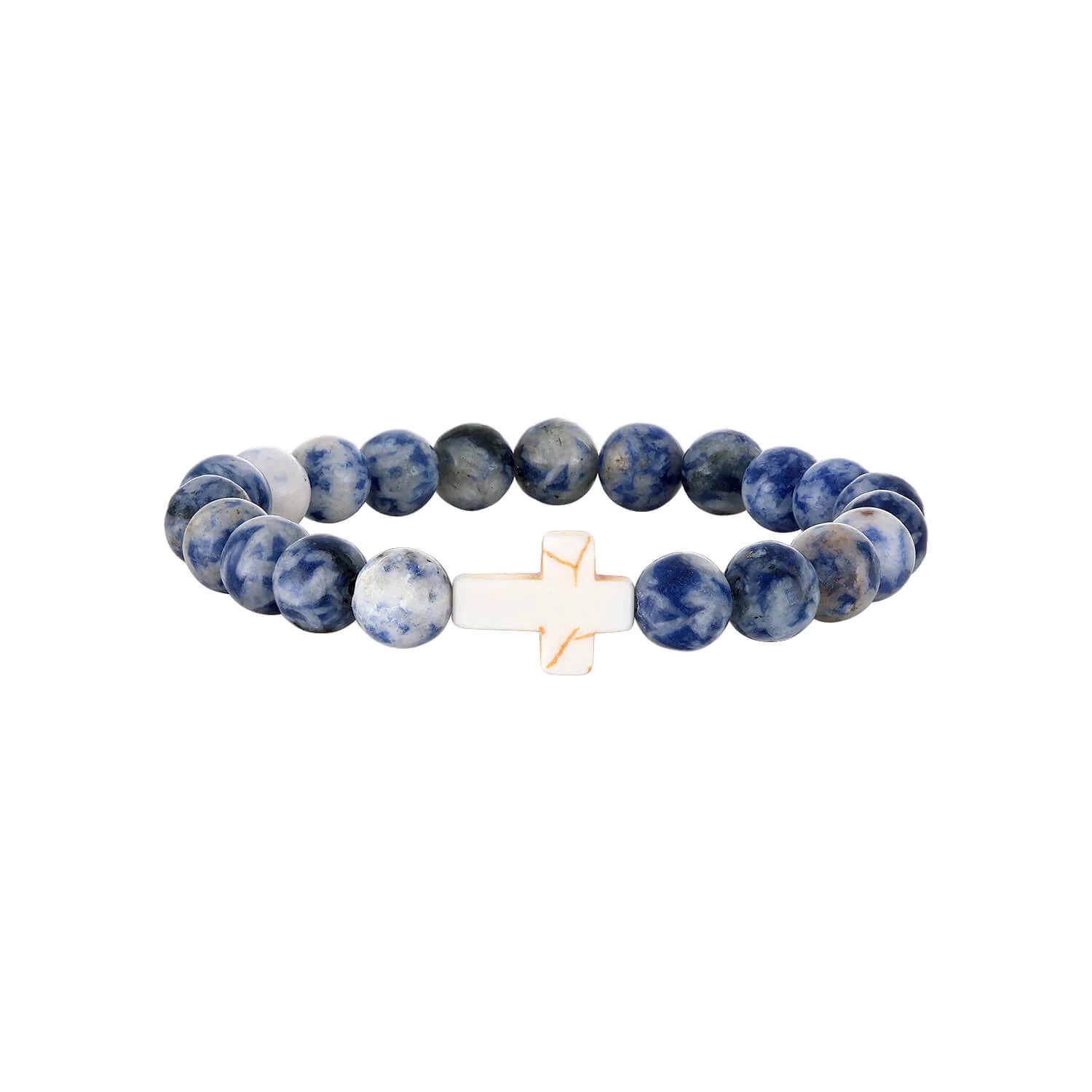
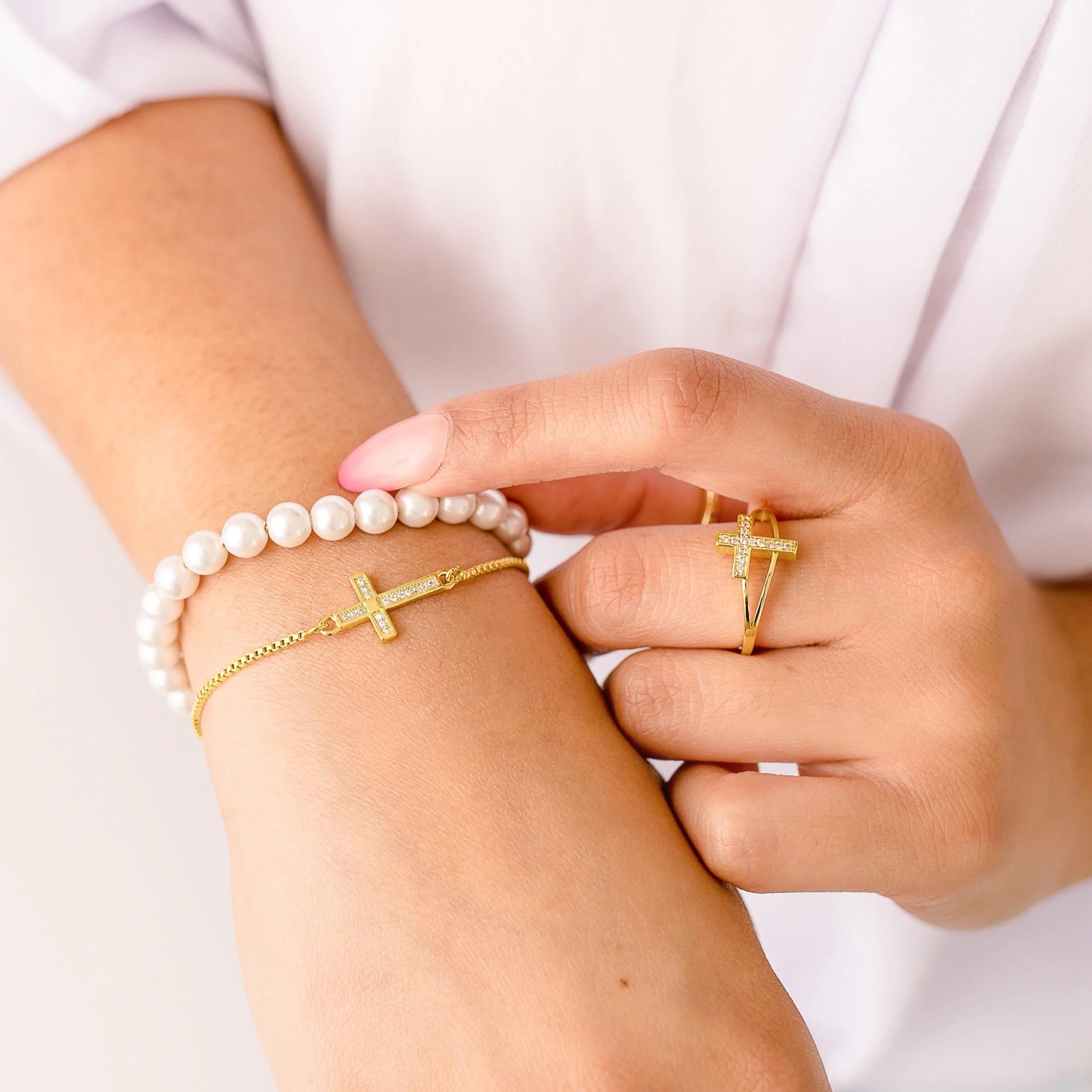
Crosses are among the most recognized symbols. They represent sacrifice, love, and salvation in Christianity. Latin, Celtic, and Byzantine crosses vary in design. Each style holds unique cultural significance. Some feature engraved names or dates. Others include small gemstones for added beauty. These variations allow personalization while honoring tradition.
Other common symbols include the Star of David in Judaism. It stands for identity and unity among the Jewish people. In Islam, calligraphy of Allah or Ayat al-Kursi appears frequently. Arabic script is carefully crafted into beads or metal plates. Hindus may wear bracelets with the Om symbol. This sacred sound represents the universe’s essence. Buddhists often choose the Dharma wheel or lotus flower. All these emblems turn religious bracelets into powerful expressions of belief.
 Materials Used
Natural materials are widely used. Wood brings warmth and simplicity. Many rosary-style bracelets use wooden beads. Craftsmen carve them by hand for authenticity. These pieces feel earthy and grounded. They suit those who prefer minimalism in their faith expression.
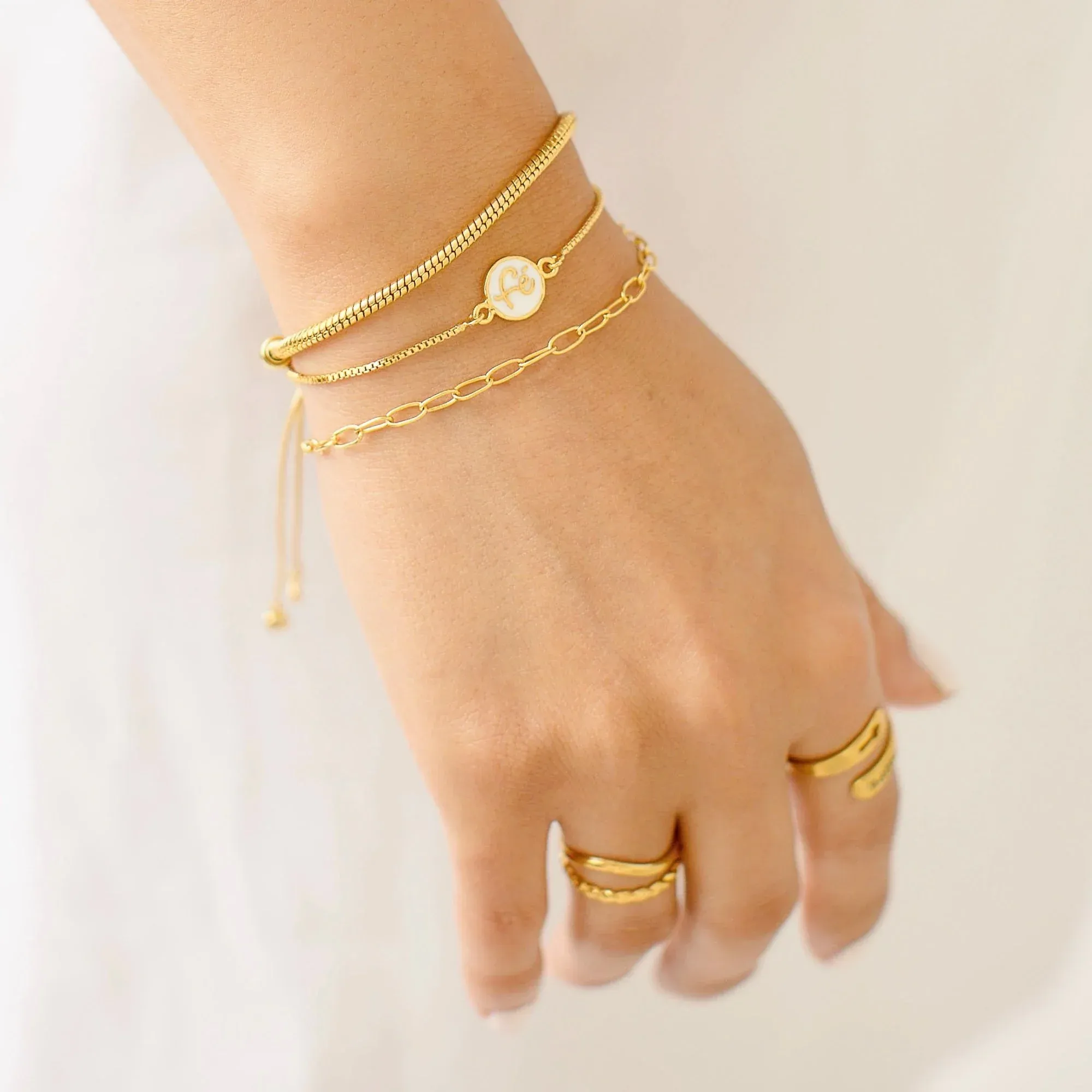
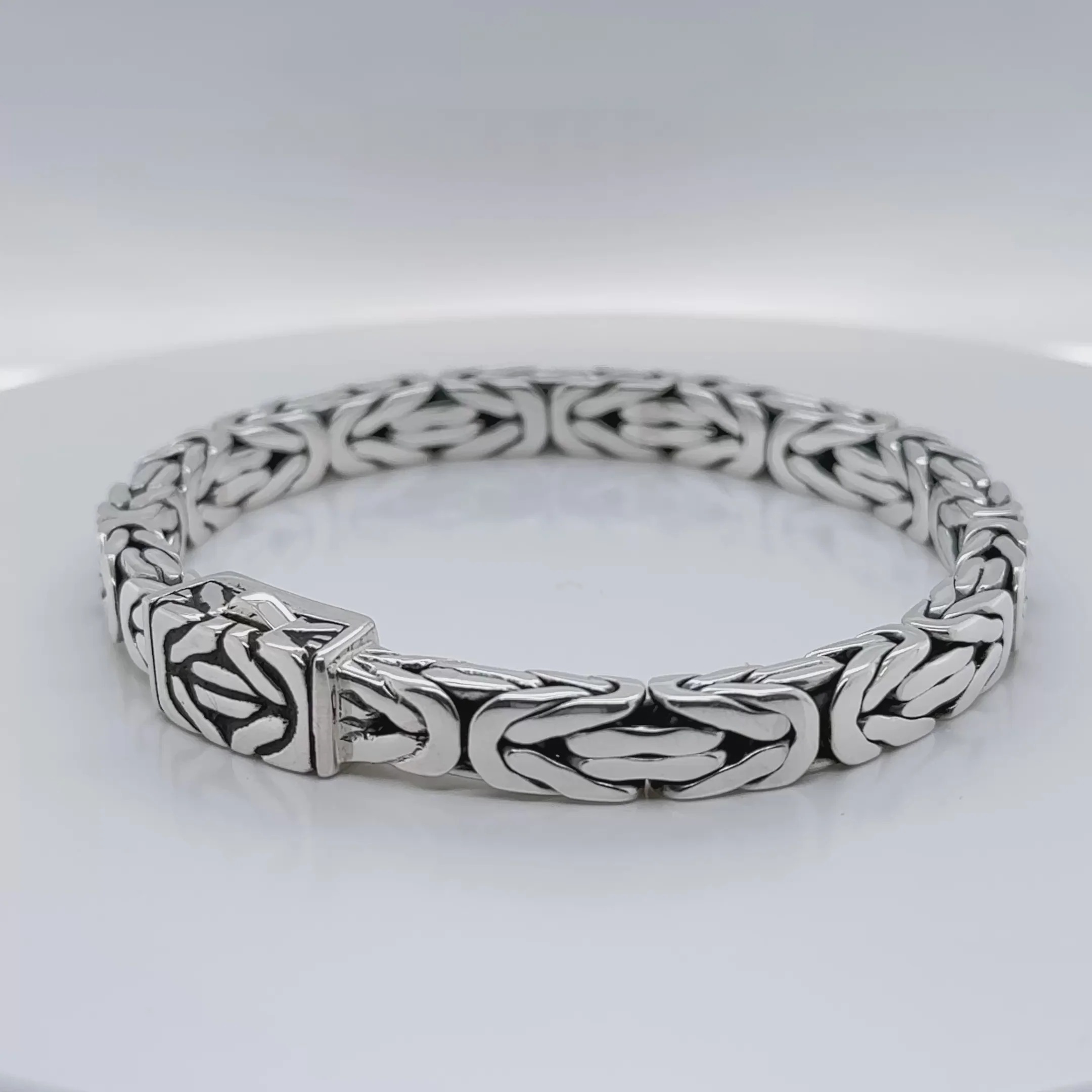
Metals like sterling silver and gold are also popular. Silver offers a clean, reflective finish. It pairs well with religious engravings. Gold adds richness and permanence. Some believe precious metals honor the divine more fully. Stainless steel provides durability at lower cost. It resists tarnish and sweat damage. Whether simple or ornate, the material choice enhances the value of religious bracelets.
Beads, Chains, and Textured Elements
Beaded designs dominate certain traditions. Catholic prayer bracelets often have ten small beads. These help count Hail Marys between larger ones. Each bead marks a step in meditation. Repetition aids focus during prayer. Rosaries may include medals or crucifixes too. Such details make each piece functional and meaningful.
Chains offer a sleeker alternative. They work well for modern styles. Box chains, curb links, and cable types support pendants. Small charms dangle from the main band. Engraved tags fit neatly along the length. Textured wire wraps add handmade charm. Braided leather or fabric threads bring softness. Different structures meet various tastes. From rugged to refined, religious bracelets adapt to personal style.
 How Different Religions Use Bracelets in Practice
Christianity embraces bracelets as tools for devotion. Catholics use rosary bracelets during prayer. These mini versions replace full rosaries. They fit easily in pockets or bags. Many wear them daily as reminders of faith. Some Protestant groups favor scripture-based bands. Verses from the Bible wrap around the wrist. These quotes inspire hope and courage.
Eastern Orthodox believers often wear blessed cords. Red thread bracelets appear in some traditions. They symbolize protection and divine connection. Priests bless these before distribution. Wearers keep them until they naturally fall off. This practice shows trust in God’s timing. Across Christian branches, religious bracelets strengthen spiritual habits.
Jewish, Islamic, and Eastern Traditions
In Judaism, red string bracelets come from Kabbalah teachings. Followers tie them around the left wrist. This side is believed to receive energy. The string wards off negative forces. It reminds the wearer to live kindly. Though not required, many find comfort in this custom. Religious bracelets in Jewish culture blend mysticism and mindfulness.
Muslims sometimes wear prayer counters on the wrist. Known as tasbih or misbaha, these aid in dhikr. Users recite 99 names of Allah using thirty-three beads. The bracelet form makes it portable. Some include silver charms with Quranic verses. Wearing such items promotes constant remembrance of God. Modesty remains key; designs stay respectful and subtle.
Hindu and Buddhist practices also use wrist adornments. Rudraksha seeds form natural beads. Devotees believe they calm the mind. Malas with 108 beads help track mantras. Smaller versions fit as bracelets. Sandalwood and lotus-themed pieces are common. These religious bracelets support meditation and inner peace.
 Choosing the Right Religious Bracelet for You
Start by identifying your intention. Are you seeking protection? Then look for symbols linked to safety. Want daily inspiration? Choose one with uplifting text. Some want to honor a recent spiritual milestone. Others desire a gift for a loved one. Clarifying purpose guides better selection. Your reason shapes the ideal type of religious bracelets.
Consider your lifestyle too. Active people need durable materials. Avoid fragile beads if you work with your hands. Water exposure demands rust-resistant metals. Office settings may call for discreet styles. Thin chains or hidden inscriptions work well. Weekend wear allows bolder choices. Match the bracelet to how you live each day.
Personalization and Custom Options
Many sellers offer custom engraving. Add a name, date, or short verse. This turns a standard piece into something unique. A child’s baptismal date adds sentimental value. A spouse’s name deepens emotional ties. Even non-English scripts can be included. Arabic, Hebrew, or Sanskrit bring authenticity.
Color choices matter as well. White beads suggest purity. Red implies passion or protection. Blue stands for peace and truth. Green holds special meaning in Islam. Gold reflects glory and divinity. Select hues that align with your beliefs. Custom touches make religious bracelets truly yours.
Where to Buy Authentic Bracelets
Trusted sources ensure quality and meaning. Church gift shops sell verified items. Many carry officially blessed products. Online religious stores offer wider variety. Look for sites run by faith-based organizations. Read customer reviews before buying. Photos showing real products help avoid scams.
Etsy and craft markets provide handmade options. Artisans often follow traditional methods. They describe origins and blessings clearly. Support small creators when possible. Check return policies and shipping times. International orders may take longer. Purchase from vendors who respect the sacred nature of religious bracelets.
Signs of Well-Made and Meaningful Pieces
Authenticity starts with craftsmanship. Smooth edges show careful finishing. Beads should not crack or chip easily. Metal parts must resist fading. Clasps need to be secure but easy to use. Poor construction distracts from spiritual focus. A well-made piece feels solid and reliable.
Symbol accuracy is equally important. Misplaced letters or wrong icons reduce value. Verify script spelling if using foreign languages. Ask for certificates if the item is blessed. Some bracelets come with cards explaining their use. These extras confirm legitimacy. True religious bracelets reflect reverence in every detail.
 Frequently Asked Questions (F&Q)
Can I wear a religious bracelet if I’m not deeply religious?
Yes, many do so for cultural or aesthetic reasons. Some appreciate the artistry alone. Others connect with general themes like peace or love. Just be respectful of the symbol’s origin. Avoid mocking or misusing sacred signs. Wearing religious bracelets without belief is acceptable if done thoughtfully.
Are there rules about which wrist to wear it on?
Some traditions specify the left wrist. It is said to be closer to the heart. Others believe the left receives energy. Right-side wear may signify action or giving. No universal rule exists across all faiths. Follow your community’s guidance if available. Otherwise, choose what feels right personally. Comfort matters most when wearing religious bracelets.
How do I care for my religious bracelet?
Clean gently with a soft cloth. Avoid harsh chemicals like bleach or perfume. Remove before swimming or showering. Saltwater and chlorine damage materials. Store in a dry box when not worn. Untie knots occasionally to prevent setting. Regular care preserves both beauty and meaning of religious bracelets.
Can children wear religious bracelets?
Yes, many are made specifically for kids. Choose safe materials like silicone or soft fabric. Avoid small detachable parts. Supervise young wearers closely. Teach them the meaning behind the item. Letting children wear religious bracelets early builds spiritual awareness.
Should I remove my bracelet during prayer?
Not necessarily. Many wear them during prayer as aids. Rosary bracelets are meant for active use. Others serve as silent companions. If it helps focus, keep it on. Only remove if it causes distraction. Personal practice varies widely. Your comfort guides the decision with religious bracelets.
Do religious bracelets lose power over time?
Their spiritual value does not fade. Physical wear may occur, but meaning remains. Some believe blessings last forever. Others re-consecrate items after years. Damage does not cancel intent. Repair or replace when needed. The heart behind wearing religious bracelets matters most.
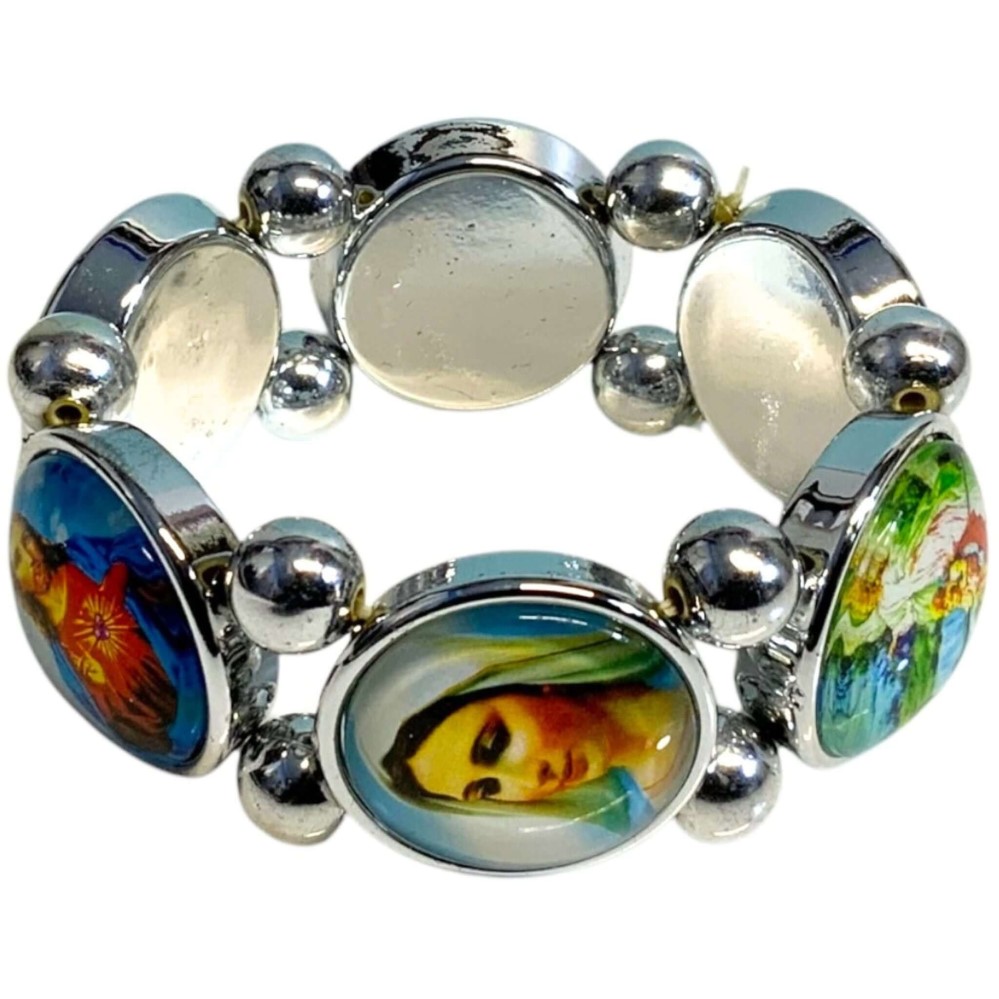 Final Thoughts on Embracing Your Beliefs Through Jewelry
Wearing religious bracelets is a personal journey. It blends faith, fashion, and identity. Each piece tells a story of belief and experience. Whether simple or elaborate, it carries weight beyond appearance. These accessories unite the physical and spiritual worlds.
They remind us to live with purpose. A quick glance can reset the mind. Challenges feel easier with faith close by. Gifting one spreads encouragement widely. Passed down through generations, they become heirlooms. Religious bracelets grow more meaningful over time. Choose yours with care, wear it with pride, and let it guide your path. In every link and symbol, religious bracelets remain timeless expressions of devotion.
Leave a Reply