Your vehicle’s engine generates an immense amount of heat while running. Consequently, the cooling system plays a critical role in maintaining safe operating temperatures. At the center of this system is the coolant, a fluid that absorbs and dissipates heat. Over time, however, this fluid degrades and loses its effectiveness. This is why a coolant fluid exchange is a non-negotiable part of car ownership. Many drivers might wonder about the difference between a simple top-off and a full coolant exchange services.
Understanding this distinction saves you money in the long run. Neglecting this fluid can lead to severe engine damage. Therefore, understanding automotive coolant maintenance is essential for every car owner. Whether you call it a coolant flush or a coolant system service, the goal remains the same. You must remove old, contaminated fluid to protect your engine. This guide explores the ins and outs of this vital maintenance task. We will explain why it matters and when you should schedule it.
The Science Behind Engine Coolant
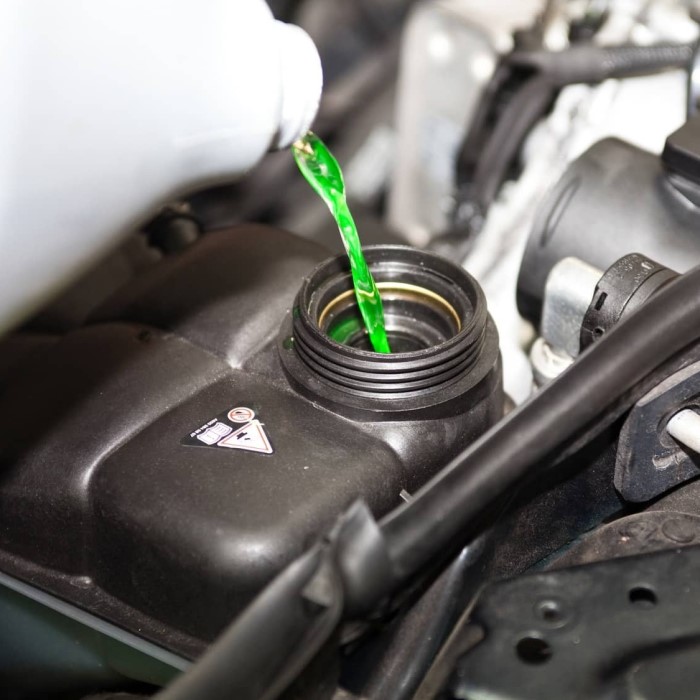
Engine coolant, often called antifreeze, is a specialized chemical mixture. Typically, it consists of ethylene glycol or propylene glycol mixed with water. Its primary job is to regulate engine temperature. However, it does more than just cool the engine. It also prevents the liquid from freezing in cold winter months. Consequently, the term “antifreeze” is just as accurate as “coolant.” The fluid circulates through the engine block. It absorbs heat generated by combustion. Then, it travels to the radiator. Here, the heat dissipates into the air.
Furthermore, coolant contains specific additives. These additives prevent corrosion within the engine and radiator. The inside of an engine consists of various metals like aluminum, cast iron, and copper. Without protection, these metals would corrode rapidly in a wet environment. Therefore, the additive package creates a protective layer. However, these additives deplete over time. Heat and exposure to air break down the inhibitors. Once these inhibitors fail, the coolant becomes acidic. Acidic fluid eats away at gaskets and metal parts. Consequently, the cooling system springs leaks. Moreover, the boiling point of old coolant drops. The freezing point rises as well. This reduces the fluid’s ability to protect the engine in extreme weather. Understanding this chemical process highlights why a fluid exchange is necessary. It is not just about the level of the fluid. It is about the chemical integrity of the liquid protecting your investment.
Why Coolant Degrades Over Time
Coolant does not last forever. As mentioned, heat is the primary enemy of the additive package. Your engine operates at high temperatures consistently. This thermal cycling stresses the fluid. Consequently, the silicates and phosphates in the coolant wear out. These are the rust inhibitors. When they degrade, the fluid can no longer protect the metal surfaces. Furthermore, contaminants enter the system over time. Small pieces of rust or scale can flake off the radiator walls. The coolant carries these particles around the system. They act like sandpaper, wearing down water pump seals.
Additionally, electrolysis can occur within the cooling system. This happens when electrical current travels through the coolant. It creates a chemical reaction that eats pinholes into heater cores and radiators. Old coolant conducts electricity better than new coolant. Therefore, fresh fluid reduces the risk of electrolysis damage. Another issue is the mixing of different coolant types. There are many colors and formulations of coolant today. For example, you have Organic Acid Technology (OAT) and Inorganic Acid Technology (IAT). Mixing these can cause a chemical reaction. The fluid can turn into a gel-like sludge. This sludge blocks the narrow passages in the heater core and radiator. Consequently, the engine overheats rapidly. A fluid exchange removes this contaminated mixture. It replaces it with the correct, manufacturer-specified fluid. This restores the system’s chemical balance and ensures long-term health.
The Critical Difference Between a Drain and a Flush
Many people use the terms “drain” and “flush” interchangeably. However, they refer to different service procedures. A drain and fill is a basic service. The mechanic simply opens the petcock valve at the bottom of the radiator. Gravity allows the old fluid to drain out. Then, they close the valve and add new coolant. While this is better than nothing, it is incomplete. The radiator only holds about 40% to 50% of the total coolant volume. The rest remains trapped in the engine block and heater core. Therefore, a drain and fill leaves a significant amount of old, degraded fluid behind. The new coolant mixes with the old, diluting the benefits.
In contrast, a coolant fluid exchange is a more comprehensive service. This process uses a specialized machine. The machine connects to the radiator and the reservoir. It pushes new coolant into the system while simultaneously extracting the old fluid. This happens under pressure. Consequently, the machine forces old coolant out of the engine block and heater core. It ensures that nearly 100% of the old fluid is removed. This provides a complete renewal of the cooling system. Furthermore, this method removes air pockets more effectively. Air pockets can cause overheating issues after a service. The exchange machine pushes the fluid through the entire loop. It ensures a solid column of liquid without air bubbles. Therefore, a fluid exchange is the superior method for maintaining modern engines. It guarantees that all the degraded fluid and contaminants are removed. You start fresh with pure, effective coolant.
Warning Signs Your Vehicle Needs Service
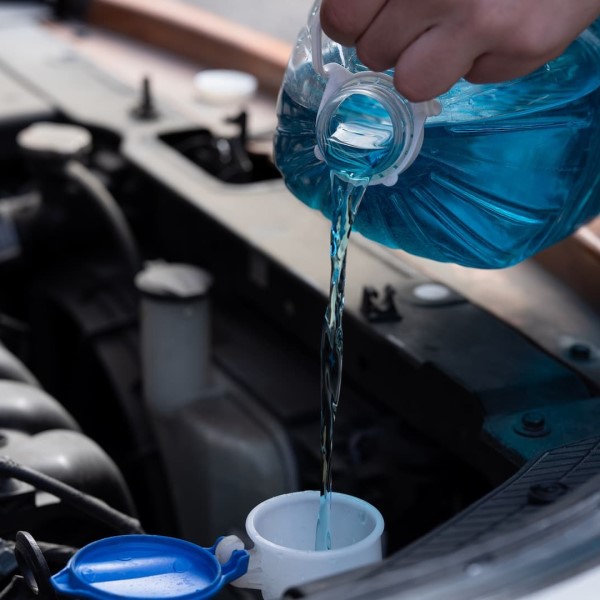
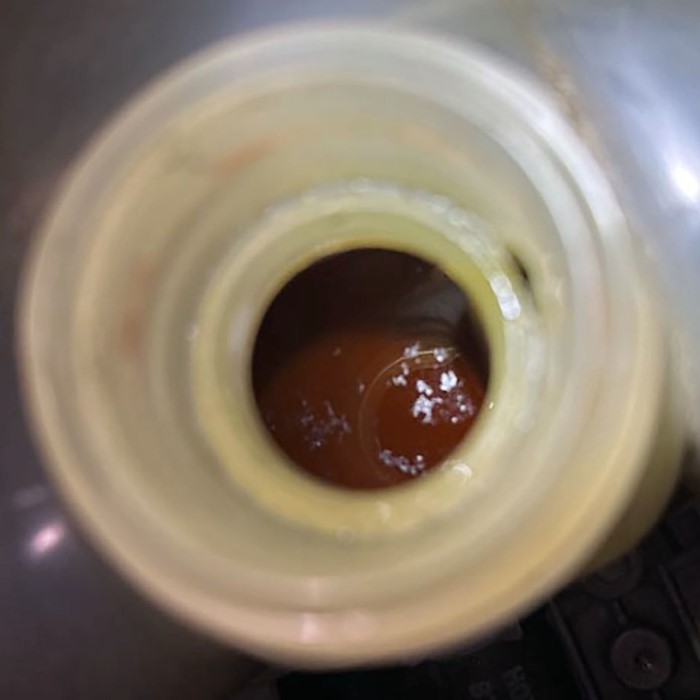
Your car will often communicate when it needs attention. You should watch for specific symptoms of cooling system failure. First, check your temperature gauge. If it frequently runs hotter than normal, you may have degraded coolant. It might not be absorbing heat efficiently. Conversely, the gauge might fluctuate erratically. This can indicate air pockets or a failing thermostat, often caused by corrosion. Secondly, inspect the coolant in the reservoir. It should be bright green, orange, pink, or blue, depending on your vehicle. If it looks rusty, brown, or murky, the additives have failed. Furthermore, if you see particles floating in the fluid, the system is corroding internally.
Another major sign is a sweet, syrupy smell. This is the scent of ethylene glycol. It indicates a leak somewhere in the system. You might spot puddles under your car. These leaks often occur because old coolant has eaten through hoses or gaskets. Additionally, you might notice poor heater performance in the winter. If the cabin doesn’t get warm, the heater core could be clogged with sludge. Finally, the check engine light may illuminate. Modern cars have sensors that monitor coolant temperature and quality. If the computer detects an issue, it triggers a warning. Do not ignore these signs. Addressing them early with a fluid exchange is inexpensive. Ignoring them leads to catastrophic engine failure. A failed head gasket or a cracked engine block costs thousands to repair. Therefore, being proactive is always the smarter financial choice.
The Long-Term Benefits of Regular Maintenance
Investing in regular coolant fluid exchanges yields significant returns. The most obvious benefit is longevity for your engine. Fresh coolant prevents corrosion on aluminum and iron surfaces. This keeps the radiator and heater core functioning efficiently. Consequently, you avoid the expense of replacing these parts. A new radiator can cost several hundred dollars. A fluid exchange costs a fraction of that price. Furthermore, a healthy cooling system ensures optimal engine performance. The engine computer manages fuel injection based on temperature. If the engine runs too cold or too hot, fuel economy suffers. Fresh coolant helps the engine reach and maintain the correct operating temperature. This maximizes your gas mileage.
Moreover, regular maintenance prevents the formation of scale and deposits. These deposits act as insulators. They prevent heat transfer. If the coolant cannot absorb heat, the engine suffers from hot spots. These hot spots can cause pre-ignition or “knocking.” Knocking damages pistons and connecting rods over time. By keeping the fluid clean, you ensure efficient heat transfer. The engine runs smoother and quieter. Additionally, you protect the water pump. The water pump lubricant is contained within the coolant. Old fluid lacks the necessary lubrication. This causes the water pump bearing to fail. A failing water pump can leak or seize. If it seizes, the fan can damage the radiator. Thus, a simple fluid exchange protects a chain of vital components. It provides peace of mind for the driver. You know your vehicle is reliable for daily commutes and long road trips.
Step-by-Step Overview of the Service Process
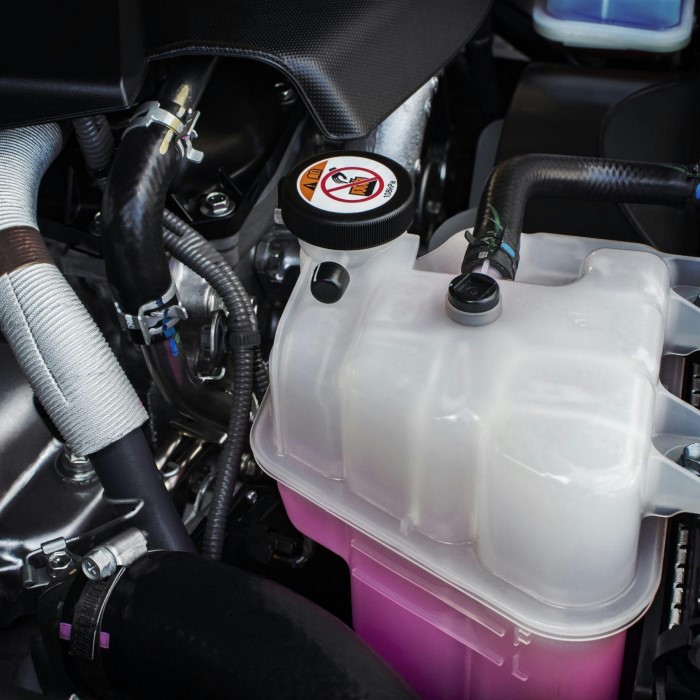
Understanding the service process helps you appreciate the value. A professional mechanic follows a strict protocol. First, they inspect the entire cooling system. They check for leaks, cracked hoses, and a damaged radiator cap. They also test the current coolant’s freeze point and pH level. This confirms the need for an exchange. Next, they connect the exchange machine. One hose goes to the radiator inlet, and another goes to the outlet. This creates a closed loop. Then, the machine starts the process. The engine runs to circulate the fluid.
As the engine runs, the machine introduces new coolant. Simultaneously, it vacuums out the old fluid. This process continues until the fluid coming out matches the fluid going in. The mechanic monitors the gauges to ensure a complete exchange. This usually takes about 15 to 30 minutes. After the exchange, the mechanic adds a chemical conditioner sometimes. This helps protect the system further. Then, they top off the reservoir to the correct level. Finally, they check the system for air pockets. They might rev the engine slightly to burp the system. This ensures proper circulation. They will also check the heat inside the cabin. This confirms that the heater core is receiving flow. The result is a fully refreshed cooling system. The car leaves the shop ready to handle extreme temperatures.
Choosing the Right Coolant for Your Car
Not all coolants are the same. Using the wrong type can cause severe damage. Vehicle manufacturers specify certain types for a reason. For instance, General Motors vehicles often use Dex-Cool, which is an orange, long-life coolant. Ford and Chrysler might use different yellow or blue formulations. Honda and Toyota have their own specific blends. These formulas differ in their additive packages. Some are designed for aluminum engines. Others are better suited for cast iron blocks. Mixing incompatible coolants can cause precipitation. This turns the fluid into a sludge that clogs the system. Therefore, you must always verify the correct specification. This information is in your owner’s manual.
When you get a fluid exchange, ask the mechanic about the coolant they use. Reputable shops use OEM (Original Equipment Manufacturer) specified fluids. Alternatively, they may use a high-quality universal coolant. However, even universal coolants have limitations. It is generally safer to stick with the manufacturer’s recommendation. Using the correct coolant ensures the warranty remains valid. It also guarantees that the additives protect your specific engine metals. Furthermore, modern coolants are designed to last longer. Some are labeled as “extended life” or “150,000-mile coolant.” While these are excellent, they still require inspection. Do not assume they last forever without checking. A proper exchange involves more than just volume. It involves chemistry. The right chemistry protects your engine investment effectively.
FAQ: Common Questions About Coolant Service
Is coolant fluid exchange necessary?
Yes, it is absolutely necessary. Coolant degrades over time. It becomes acidic and loses its ability to prevent corrosion. Without an exchange, your radiator and engine block can rust from the inside. This leads to leaks, overheating, and expensive repairs. Therefore, it is a critical maintenance item.
How often should coolant fluid be changed?
The interval varies by vehicle and coolant type. Older vehicles often need service every 30,000 miles. However, modern vehicles with extended-life coolant can go 60,000 to 100,000 miles. You should check your owner’s manual for the specific schedule. Additionally, test the coolant annually to be safe.
What are signs that you need a coolant flush?
Look for a rising temperature gauge or sweet smells. Also, check for discolored fluid. If the coolant looks rusty or like sludge, you need a flush. Heater failure is another common sign. If your heater blows cold air, the core might be blocked. These symptoms suggest the fluid is no longer effective.
How long does a coolant fluid exchange take?
The process is relatively quick. A professional mechanic can usually complete the service in 30 to 60 minutes. This includes the inspection and the exchange itself. It is a convenient service that fits easily into a busy schedule. You get significant protection for a small time investment.
Conclusion
Maintaining your vehicle’s cooling system is vital for its performance and lifespan. A timely coolant fluid exchange prevents the high costs of engine repair. It ensures that your car runs smoothly in both summer and winter. You should not wait for the temperature gauge to spike. Instead, be proactive with your automotive coolant maintenance. Whether you need a simple drain or a complete coolant flush, professional coolant exchange services offer the best protection. They use the right equipment and fluids for your specific car. Remember, a coolant system service is a small price to pay for peace of mind. Take care of your car, and it will take care of you on the road.
Leave a Reply