The Legacy of the LS Small Block
The Chevrolet Corvette has always been an icon of American performance. Consequently, the c6 corvette engine represents a high point in this lineage. Produced from 2005 to 2013, the C6 generation modernized the brand. It moved away from the hidden headlights of the past. However, the true magic lay under the hood. This era solidified the reputation of the LS small-block engine. It is known for power and durability. We will explore the details of this machine. You will learn about corvette engine performance and what makes it special. Understanding the c6 engine specifications helps you appreciate the engineering. The C6 was lighter than its predecessor. This weight reduction improved handling significantly.
Furthermore, the engine bay housed a masterpiece. It combined raw power with surprising refinement. Many owners seek c6 corvette performance upgrades later. This shows the potential of the platform. But the stock setup is impressive on its own. We will also discuss corvette engine troubleshooting. Knowing common issues helps maintain value. The C6 remains a favorite for enthusiasts. It offers a balance of speed and style. Whether you own one or dream of buying one, knowledge is key. This article will guide you through the intricacies of the powerplant. Let us rev into the details.
The LS2: The Foundation of the C6 Era
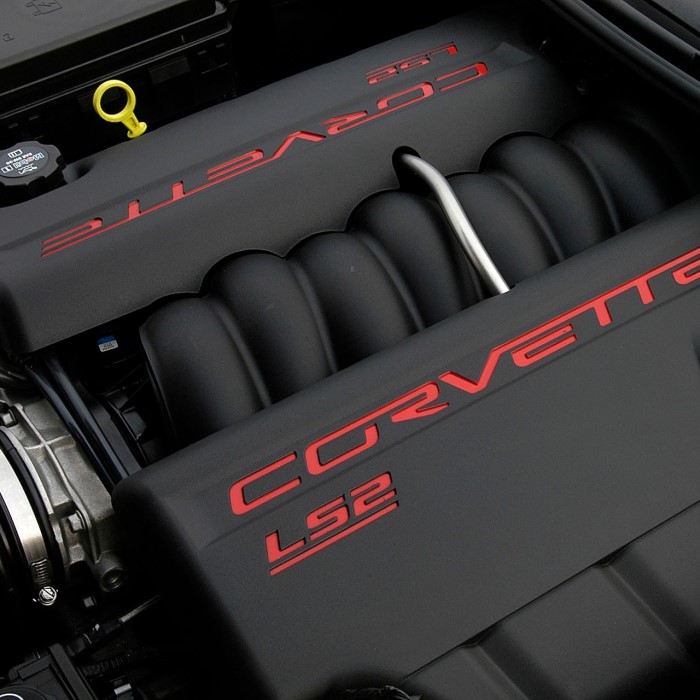
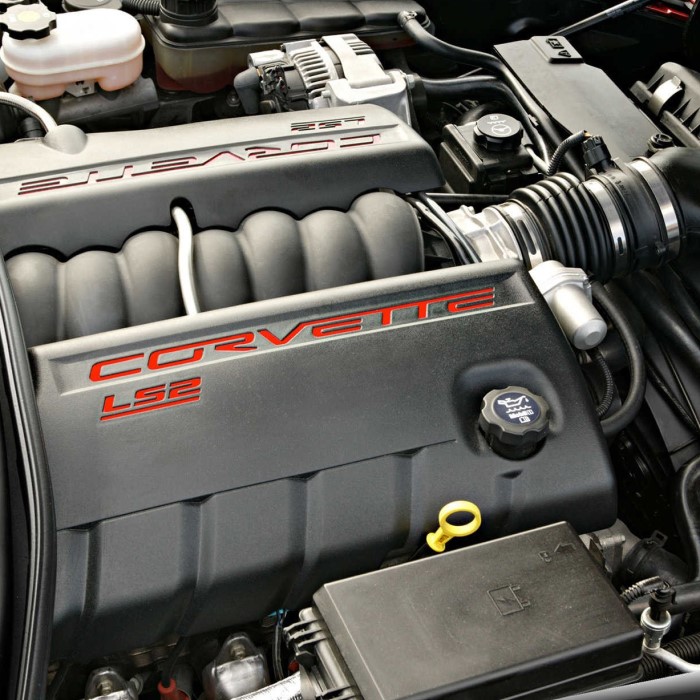
The C6 generation began in 2005. Therefore, it needed a robust powerplant to lead the charge. GM introduced the LS2 engine. This was a significant step forward. It replaced the LS1 found in the C5. The LS2 was a 6.0-liter V8 engine. It served as the standard c6 corvette engine from 2005 to 2007. The engineers designed it for efficiency and power. It featured an aluminum block. This kept the weight down. A lighter front end improves handling dynamics. Furthermore, the cylinder heads were improved. They offered better airflow than previous generations. This resulted in higher horsepower figures. The LS2 produced 400 horsepower. It also generated 400 lb-ft of torque. These numbers were impressive for the time.
Consequently, the car felt incredibly fast. The torque curve was flat and broad. This meant power was available at almost any RPM. You did not need to rev the engine to redline to feel the speed. In addition, the LS2 introduced a new engine controller. The E38 ECU was a leap in technology. It allowed for precise fuel management. This helped the car meet emissions standards. It also maintained respectable fuel economy. The drive-by-wire throttle system was another change. It replaced the mechanical cable. Some purists initially disliked this. They felt it removed some connection to the engine. However, it allowed for better traction control integration. The LS2 remains a beloved engine today. It offers a great blend of old-school muscle and modern tech. It is also highly modifiable. Enthusiasts love the responsive nature of this engine.
The LS3: Raising the Bar for Performance
In 2008, Chevrolet made a significant update. They introduced the LS3 engine. This became the standard powerplant for the base Corvette. It was a 6.2-liter V8. The increase in displacement provided a noticeable boost. The LS3 is often considered one of the best engines GM ever built. It featured larger cylinder heads. These heads had rectangular intake ports. This design vastly improved airflow. As a result, the engine breathed easier at high speeds. The camshaft lift was also increased. These changes pushed the horsepower rating to 430. Torque also saw an increase to 424 lb-ft. This made the 2008 and newer C6 models significantly faster.
Moreover, the LS3 had a stronger block. It featured larger bore diameters. The cylinder walls were revised for better sealing. High-flow fuel injectors were added. They ensured the engine received enough fuel. This was crucial for maintaining the air-fuel ratio under load. The engineers also improved the oiling system. This was vital for high-performance driving. It ensured the engine stayed lubricated during hard cornering. Drivers immediately felt the difference. The car pulled harder at the top end. It felt more eager to rev. The sound was also distinct. The LS3 has a deep, throaty roar. It resonates with performance. The introduction of the LS3 cemented the C6’s status. It kept the car competitive against rivals. Even today, the LS3 is a benchmark for naturally aspirated engines. It offers reliable power that is easy to access.
Engineering Details and Technical Specifications
To truly understand the c6 corvette engine, we must look inside. The architecture of the LS series is unique. It uses a pushrod design. This is often called an overhead valve (OHV) configuration. Many competitors moved to dual overhead cams (DOHC). However, GM stuck with the pushrod layout. This design has distinct advantages. First, the engine is physically smaller. It is very compact. This allows for a lower hood line. Consequently, the car has better aerodynamics. The center of gravity is also lower. This improves the car’s cornering ability. Second, the pushrod design uses fewer parts. This reduces complexity and weight. It also makes the engine incredibly durable.
The engine block is made of aluminum. This material is lightweight and strong. It dissipates heat well. Inside, the engine uses a cast iron crankshaft. This provides immense strength. The connecting rods are made of powdered metal. They are fracture-split. This ensures a perfect fit with the crankshaft. The pistons are hypereutectic aluminum alloy. They are lightweight and durable. The compression ratio varies by model year. The LS2 had a ratio of 10.9:1. The LS3 had a slightly higher ratio. This contributed to its power increase. The exhaust manifolds are designed for flow. They are often called “headers” by enthusiasts. The stock units are restrictive. However, they are efficient enough for daily driving. The engine oil cooler is a vital component. It manages engine temperatures during spirited driving. These technical details explain why the engine is so robust. It is built to handle high stress.
The Z06 and the Mighty LS7
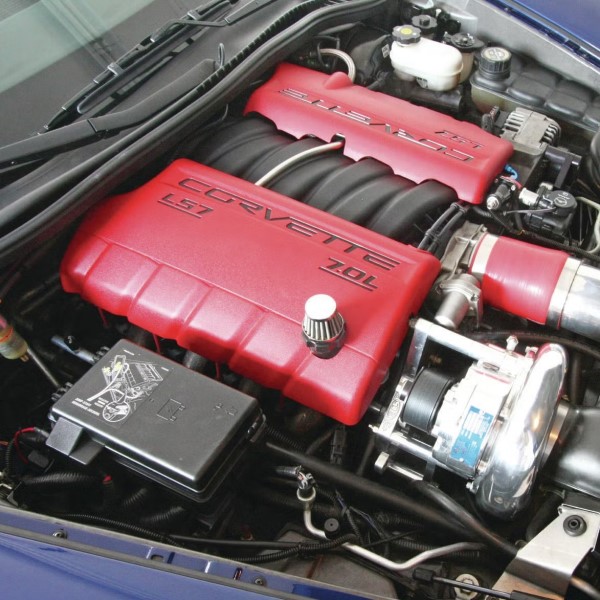
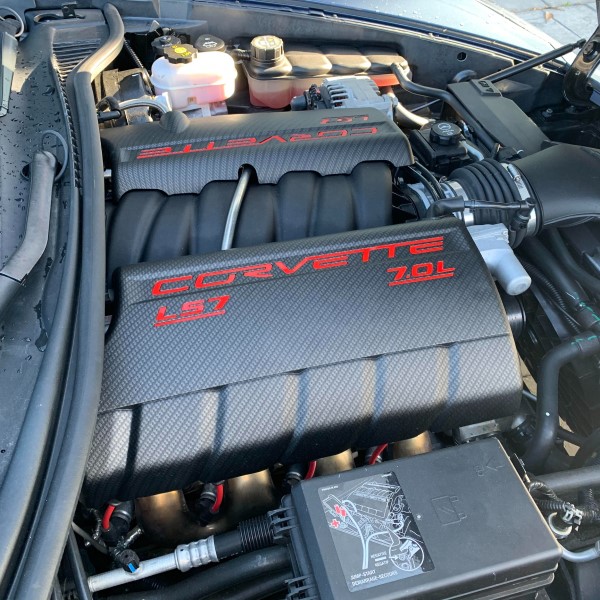
No discussion of the c6 corvette engine is complete without the Z06. Introduced in 2006, the Z06 was a track monster. It housed the legendary LS7 engine. This engine is a 7.0-liter V8. It was the largest displacement small block ever produced by GM. The LS7 was hand-assembled. It used techniques derived from racing. The engine block was a modified aluminum casting. It featured dry-sump lubrication. This system ensured oil pressure during high G-force cornering. It was essential for track use. The cylinder heads were CNC-ported. This guaranteed optimal airflow. Titanium connecting rods were used. They reduced reciprocating weight. This allowed the engine to rev faster.
Consequently, the LS7 produced 505 horsepower. It was the first Corvette to break the 500-horsepower barrier. The redline was a screaming 7000 RPM. The performance was staggering. The car could reach 60 mph in just over 3 seconds. The sound of the LS7 is unforgettable. It has a distinct, high-pitched whine. This comes from the dry-sump pump. Driving a Z06 is an visceral experience. The LS7 is durable enough for the street. Yet, it is potent enough for endurance racing. Many race teams still use the LS7 today. It is a masterpiece of engineering. It represents the pinnacle of the naturally aspirated V8. The Z06 model remains a highly sought-after collector’s item. The engine is the heart of its appeal.
Grand Sport and ZR1 Powerplants
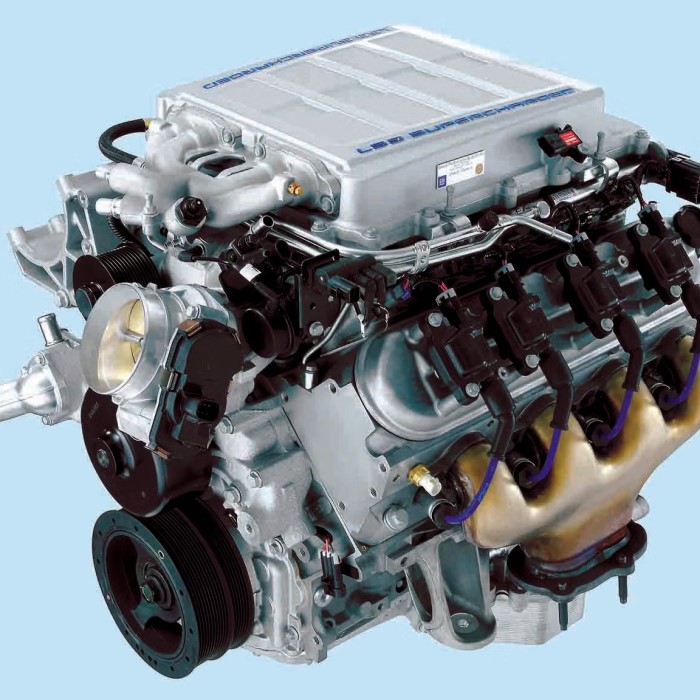
The C6 lineup offered more than just the base and Z06 models. The Grand Sport (GS) arrived later in the production cycle. It used the LS3 engine. This brought Z06-wide body styling to the base powerplant. It was a perfect blend of style and drivability. However, the ultimate C6 was the ZR1. Introduced in 2009, it was a supercar slayer. It used the LS9 engine. This was a supercharged 6.2-liter V8. The supercharger was a positive displacement Roots-type unit. It provided boost throughout the RPM range. The engine block was stronger to handle the pressure. It used forged titanium connecting rods. The cylinder heads were rotocast for better heat management.
The LS9 produced an astonishing 638 horsepower. It also generated 604 lb-ft of torque. This made the ZR1 the fastest Corvette ever at the time. The power delivery was brutal. It required skill to drive at the limit. In addition, the ZR1 used carbon-ceramic brakes. These stopped the car with immense force. The LS9 engine was built with premium materials. It featured a dry-sump oil system similar to the LS7. The supercharger had its own cooling system. This kept intake temperatures in check. The ZR1 showcased the potential of the small block platform. It proved that pushrod engines could compete with European exotics. The Grand Sport offered a more accessible entry point. The ZR1 offered ultimate bragging rights. Both models expanded the C6 legacy. They ensured there was a Corvette for every type of enthusiast.
Troubleshooting and Common Issues
The c6 corvette engine is generally very reliable. However, like any machine, it has weak points. One common issue is with the lifters. The lifters can collapse. This causes a ticking noise. It is often mistaken for an exhaust leak. This issue is more prevalent in LS2 engines. Valve springs are another area of concern. They can break, especially in high-mileage cars. This can lead to dropped valves. A dropped valve can destroy the engine. Therefore, inspecting valve springs is a good idea. This is especially important if you buy a used car. Another issue involves the harmonic balancer. The rubber isolator can deteriorate. This causes vibrations and noise.
Furthermore, oil consumption is a known trait. Some LS engines burn oil during high-RPM driving. This is due to the Active Fuel Management system in some models. However, the LS2 and LS3 do not have this system in the Corvette. They still might use some oil between changes. It is vital to check the oil level regularly. Coolant leaks can also occur. The water pump is a common failure point. Weeping coolant from the weep hole indicates a failing pump. The battery can also be a source of trouble. A weak battery causes strange electrical gremlins. It can trigger warning lights on the dash. Corvette engine troubleshooting often starts with the battery. Finally, the exhaust manifolds can crack. This creates an exhaust leak sound. Most of these issues are manageable. Regular maintenance prevents major failures. The C6 is robust if cared for properly.
Upgrades and Performance Modifications
Many owners want more power. The c6 corvette engine is highly responsive to modifications. The aftermarket support is massive. The first step for many is a cold-air intake. This allows the engine to breathe cooler air. Cooler air is denser. This results in more power. It also improves engine sound. Another popular upgrade is an exhaust system. Long-tube headers are the most effective. They replace the restrictive stock manifolds. This uncorks significant horsepower. The sound becomes much more aggressive. A custom tune is essential after these mods. The ECU needs to be adjusted. This optimizes the air-fuel ratio. It maximizes the power gains.
Beyond basic bolt-ons, internal modifications are possible. Installing a larger camshaft is common. This drastically changes the engine’s character. It increases lift and duration. The car will have a lopey idle. This sounds like a race car. It provides a massive power boost in the mid-range. For forced induction, superchargers are popular. A supercharger can add 150 to 200 horsepower. The LS3 block is particularly strong for boost. Turbo kits are also available. They offer a different power curve. However, they are more complex to install. Suspension upgrades often accompany engine work. The car needs to put the power down. Wider tires and better shocks help. The C6 chassis can handle a lot of power. With the right mods, a C6 can beat modern supercars. The potential is virtually limitless for builders.
FAQ: Common Questions About the C6 Engine
Prospective buyers often have questions. We answer the most common ones here.
What year C6 to stay away from?
The 2005 model year is often considered the “redheaded stepchild.” It was the first year of production. Consequently, it had the most teething issues. The LS2 had some reliability concerns. The interior quality was also lower. The 2008 refresh fixed many of these problems. Therefore, 2008 to 2013 models are generally preferred.
Which is better, LS2 or LS3?
The LS3 is generally considered the better engine. It has more displacement. It also has better cylinder head flow. This results in more horsepower and torque. The LS3 also has a stronger block design. It is more friendly to modifications. However, the LS2 is still a fantastic engine. It offers great value for money.
What LS engine is in a C6 Corvette?
The base models used the LS2 from 2005-2007. The base models used the LS3 from 2008-2013. The Z06 used the LS7. The ZR1 used the LS9. The 2010-2013 Z06 had the LS7. The Grand Sport had the LS3. Each engine had different characteristics and power levels.
Is the 6.0 LS2 a good engine?
Yes, the LS2 is a very good engine. It produces 400 horsepower. This is a significant number. It is reliable for daily driving. It is also durable. Parts are widely available and affordable. While the LS3 is better on paper, the LS2 is still excellent. It provides a thrilling driving experience.
Conclusion and Final Thoughts on the C6 Powerplant
The C6 generation remains a high point for Chevrolet. It combined timeless design with mechanical excellence. At its heart sits a legendary powerplant. The c6 corvette engine defined a decade of performance. We have explored the evolution from the LS2 to the LS3. We also examined the exotic LS7 and LS9. Each variant offers unique benefits. The c6 engine specifications provide a roadmap for this power. From the 400hp baseline to the 638hp supercharged beast, the options are vast.
Drivers value the robust nature of the LS platform. It is a foundation for speed. Whether you choose a base model or a ZR1, you get a capable machine. The world of c6 corvette performance upgrades is vast. It allows owners to tailor the car to their taste. However, proper care is essential. You must be aware of corvette engine troubleshooting tips. Regular maintenance ensures longevity. The corvette engine performance delivers a smile every time you drive. For enthusiasts, the C6 is more than a car. It is a celebration of engineering. It represents the best of the American V8. We hope this guide helps you understand this icon. Enjoy the open road ahead.
Leave a Reply