Understanding the Science Behind the Fluid
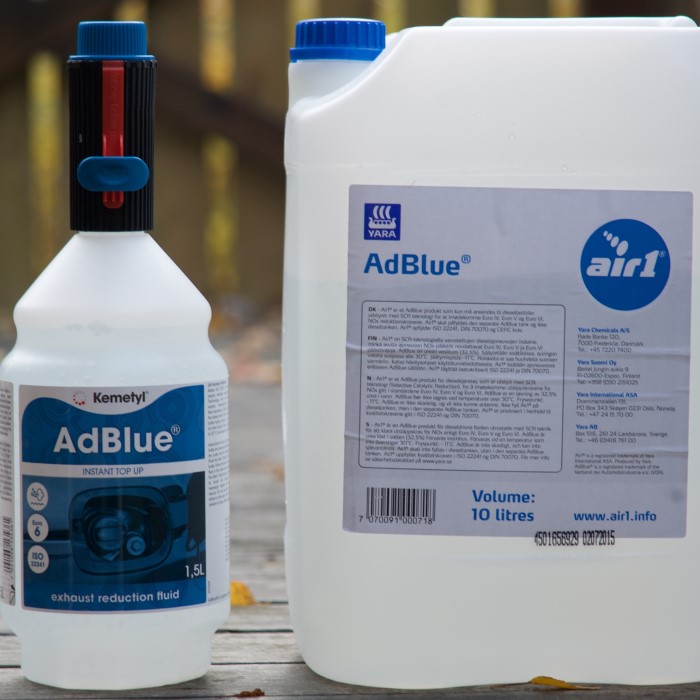
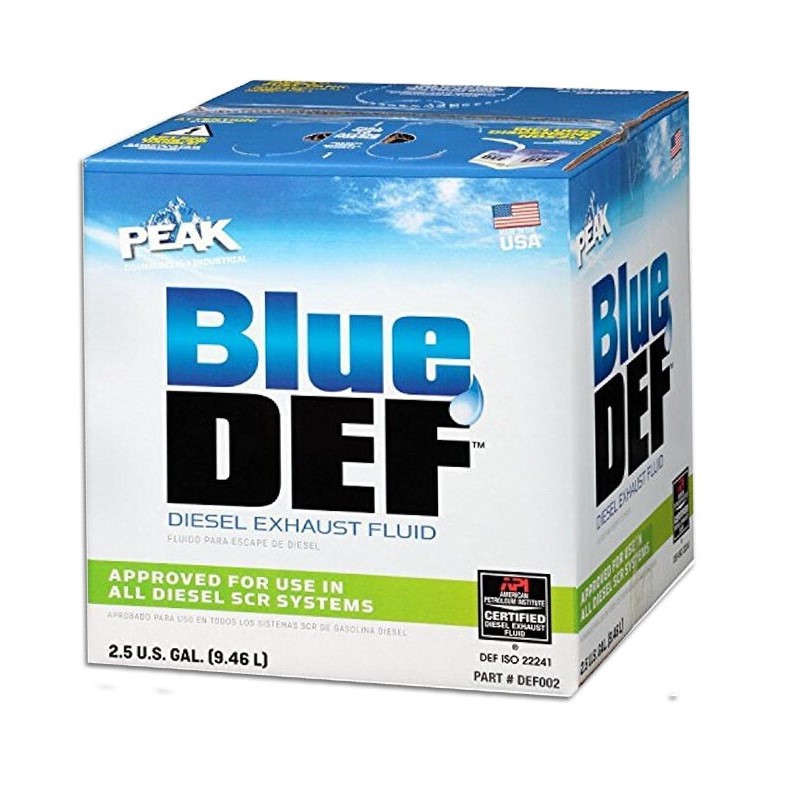
Diesel Exhaust Fluid is a high-purity chemical solution. It consists of 32.5 percent urea and 67.5 percent deionized water. This specific concentration is crucial for the system to function correctly. The fluid is stored in a dedicated tank on the vehicle. It is not a fuel additive. Therefore, you must never mix it with diesel fuel. Its primary purpose is to reduce harmful nitrogen oxide emissions. Nitrogen oxides contribute to smog and acid rain. They are also harmful to human respiratory systems. The Environmental Protection Agency has set strict limits on these emissions. Consequently, manufacturers developed the Selective Catalytic Reduction system. This system relies entirely on this specific fluid to operate.
The process works through a chemical reaction. The fluid is injected into the exhaust stream before the catalytic converter. When it meets the hot exhaust gases, it vaporizes immediately. The water evaporates, leaving ammonia and isocyanic acid. These components then break down further. Inside the catalytic converter, the ammonia reacts with the nitrogen oxides. This reaction converts the harmful gases into harmless nitrogen and water. Nitrogen makes up about 78 percent of the air we breathe. Water is a natural byproduct. Therefore, the process is incredibly effective. It can reduce NOx emissions by up to 90 percent. This makes modern diesel engines much cleaner than their predecessors. The technology is standard in almost all modern diesel vehicles.
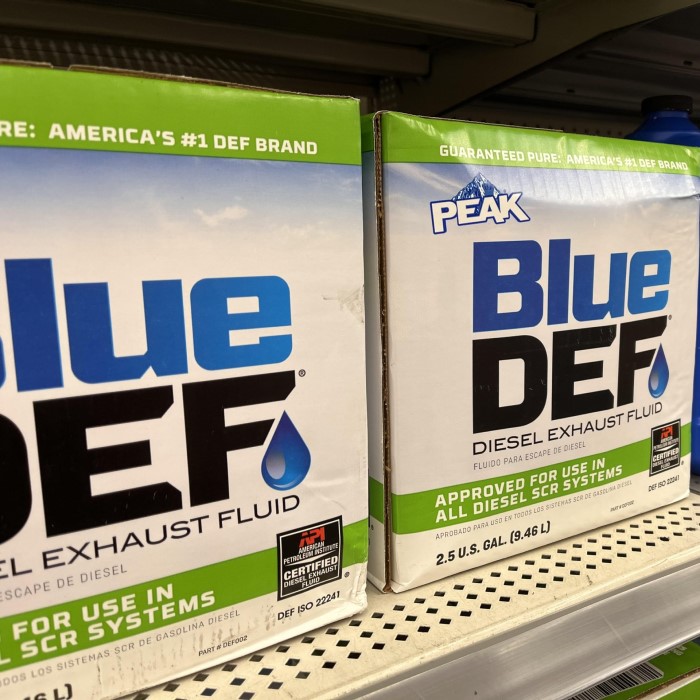
Drivers should understand that this def diesel exhaust fluid is non-toxic. It is safe to handle and non-flammable. However, it can be corrosive to certain metals. This is why it is stored in specialized plastic tanks. Purity is essential for the system’s health. Contaminants can damage the catalyst.
The Critical Role of Selective Catalytic Reduction
The Selective Catalytic Reduction system, or SCR, is the heart of the emissions process. It works in tandem with the fluid to clean exhaust gases. This technology was adopted widely to meet stringent emissions standards. Before SCR, manufacturers struggled to reduce NOx without sacrificing engine performance. Older engines ran lean to reduce particulates. However, this increased NOx production. SCR allows the engine to run efficiently. It treats the exhaust after combustion. This separates the emissions control from the combustion process. As a result, the engine can be tuned for optimal power and fuel economy. The SCR system then handles the pollutants. This has led to a new generation of cleaner, more powerful diesel engines.
The system consists of several key components. These include the DEF tank, the injector, and the catalytic converter. There is also a control module that monitors everything. Sensors measure the levels of NOx before and after the converter. The module adjusts the injection rate of the fluid accordingly. This ensures the chemical reaction is always optimal. If the system detects an issue, it alerts the driver. Modern trucks even limit vehicle speed if the tank is empty. This is to enforce compliance with emissions laws. The system is highly sensitive to fluid quality. Using the wrong fluid can damage the catalyst. The catalyst contains precious metals like vanadium or copper. They facilitate the chemical reaction without being consumed themselves.
Maintaining the SCR system is vital for vehicle uptime. Common issues often stem from poor fluid quality. For example, if the fluid crystallizes, it can clog the injector. This prevents the fluid from entering the exhaust stream. The system will then trigger a fault code.
Step-by-Step Guide to Refilling Your Tank
Refilling the tank is a straightforward process. However, it requires attention to detail. First, locate the filler cap. It is usually a blue cap located near the diesel fuel filler. Sometimes it is under the hood or in the trunk. The cap is blue to distinguish it from the diesel cap. Never put diesel in this tank. That would cause catastrophic damage to the system. Once you find the cap, clean the area around it. You want to prevent dirt from falling into the tank. Even a small amount of dirt can ruin the system. Therefore, wipe the cap and the surrounding surface with a rag.
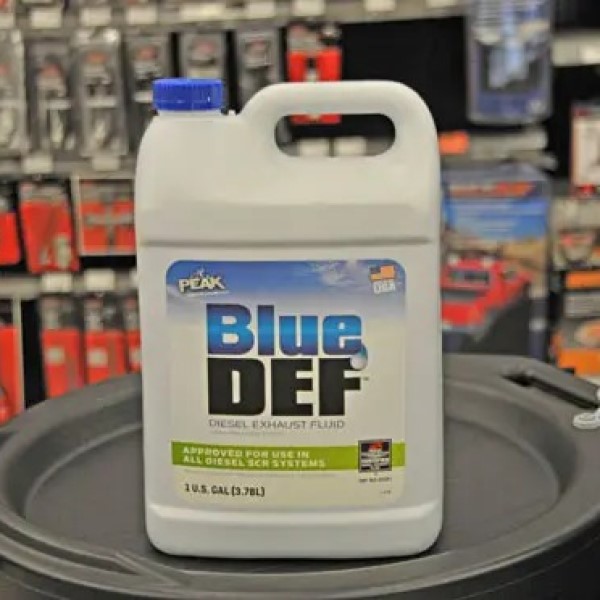
Next, open the bottle or container of fluid. You can buy DEF in small bottles or large jugs. Small bottles are convenient for topping off. They often come with a nozzle. Insert the nozzle into the tank opening. Pour the fluid slowly. This prevents splashing. If you get fluid on the paint, rinse it off immediately with water. The fluid is not corrosive to skin, but it can corrode metals and damage paint. Listen for the gurgling sound. This indicates the tank is filling up. Stop pouring when the tank is full. Do not try to overfill it. Overfilling can cause leaks, especially in cold weather because the fluid expands when frozen. Replace the filler cap securely.
Finally, clean up any spills. Wash your hands with soap and water after handling the fluid. Check your dashboard. The low fluid warning should reset automatically after a few minutes of driving. If it does not, there might be a sensor issue. Some vehicles require a key cycle to reset the light.
Proper Storage and Handling Techniques
Proper storage is essential for maintaining the quality of the def diesel exhaust fluid. Since it is a mixture of urea and water, it has a limited shelf life. The primary enemies of this fluid are heat and direct sunlight. High temperatures can cause the urea to decompose. This leads to the formation of ammonia gas. It also reduces the concentration of the solution. The standard shelf life is about one year. However, this assumes it is stored at a constant temperature. If stored above 86 degrees Fahrenheit, the shelf life drops significantly. Ideally, you should store it in a cool, dark place. A garage or a basement is usually perfect. Avoid leaving bottles in the truck bed under the sun.
Freezing is another concern. The fluid freezes at 12 degrees Fahrenheit. Fortunately, freezing does not harm the chemical composition. It remains stable. You can thaw it, and it will work perfectly. However, expansion during freezing can damage containers. Therefore, do not fill storage containers to the brim. Leave some room for expansion. If the fluid in your vehicle’s tank freezes, do not worry. The vehicle’s heating system is designed to thaw it quickly. There is a heater in the tank. This allows the system to function in cold climates. The system will not inject fluid until it is thawed. This protects the components from damage.
Contamination is the biggest risk during handling. The SCR system requires high-purity fluid. Even trace amounts of minerals or dirt can be harmful. Therefore, never use old containers to store the fluid. Use only approved, sealed containers.
Common Mistakes to Avoid for Maximum Efficiency
Many drivers inadvertently make mistakes with their emissions systems. One of the most common errors is ignoring the low fluid warning. Modern vehicles provide ample warning before the tank is empty. Some systems will count down the miles remaining. Ignoring this countdown leads to vehicle restrictions. The engine computer may limit the top speed to 5 mph. In some cases, the engine will not start at all. This is a safety feature mandated by law. It ensures emissions compliance. Therefore, top off the tank as soon as the light comes on. Do not wait until it is convenient. Being proactive saves you from being stranded.
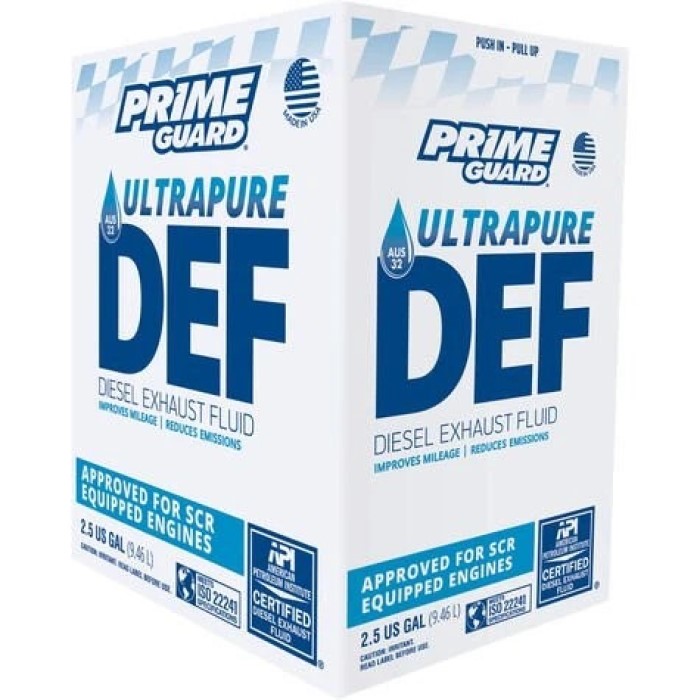
Another mistake is substituting the fluid with other liquids. Some people try to use water or urine. This is strictly prohibited. Water lacks the urea needed for the reaction. It will trigger a system fault. Urine is impure and contains salts. These contaminants will destroy the catalytic converter. Repairs for a damaged SCR system are very expensive. The catalytic converter alone can cost thousands of dollars. Always use certified Diesel Exhaust Fluid. Look for the API certification mark on the bottle. The American Petroleum Institute sets standards for quality. Using certified products guarantees the fluid meets the manufacturer’s specifications. Do not try to bypass the system or trick the sensors.
Poor maintenance is also a frequent issue. The injector nozzle can become clogged with crystals. This happens if the vehicle sits for long periods without moving. The fluid dries up and leaves residue. To prevent this, drive the vehicle regularly.
Environmental and Economic Advantages
The use of this fluid offers significant environmental benefits. It is the primary reason modern diesel engines are so clean. By reducing nitrogen oxide emissions, it helps improve air quality. This is especially important in urban areas. Smog is a major health hazard. It contributes to asthma and other respiratory issues. The SCR system reduces NOx by up to 90 percent. This reduction directly impacts public health. Furthermore, the system allows the engine to run at peak efficiency. This results in lower carbon dioxide emissions. Better fuel economy means less fuel burned per mile. This helps combat climate change. The fluid itself is also environmentally benign. It is non-toxic and water-soluble. If spilled, it does not pose a long-term threat to the soil.
Economically, the system benefits the owner as well. Older emissions control methods often reduced fuel efficiency. Engine tuning was restricted to lower emissions. With SCR, the engine can be optimized for power. The emissions are treated downstream. This allows for better miles per gallon. Over the life of the vehicle, this saves a significant amount of money. Diesel fuel is expensive. Even a small improvement in efficiency adds up. Additionally, the system is standard equipment. It is part of the vehicle’s design. Maintenance costs are relatively low. The fluid itself is affordable. The cost of the fluid is far outweighed by the fuel savings. It is a cost-effective solution to a regulatory requirement.
Furthermore, compliance with regulations prevents fines. Many areas have strict emissions testing. Vehicles without functioning SCR systems will fail these tests. This can result in tickets or registration holds. Keeping the system maintained ensures you remain legal.
Troubleshooting Common System Issues
Occasionally, you may encounter issues with the SCR system. The most common issue is the “Poor Quality DEF” warning. This light can be frustrating. It often appears even if you just filled the tank. Sometimes the fluid is actually old or contaminated. In this case, you need to drain and clean the tank. However, the sensor itself is often the culprit. The quality sensors are sensitive. They can fail or give false readings. If the fluid looks clear and is not expired, the sensor is likely faulty. Replacing the sensor is a relatively simple repair. It restores the system to normal function. Do not ignore this warning. The vehicle may enter a limp mode.
Another issue is crystallization. You might see white crystals around the injector or the filler cap. This indicates a leak or a stuck injector nozzle. The fluid is evaporating and leaving the urea behind. These crystals can block the injector spray pattern. If the injector is blocked, the system cannot reduce emissions. This will trigger a check engine light. Cleaning the injector nozzle can sometimes solve the problem. Use a wet cloth to dissolve the crystals. Do not scrape them, as this can damage the nozzle. If the leak is at a connection point, tighten the fittings. Address leaks immediately to prevent further crystallization.
In cold weather, you might see a “DEF System Heating” message. This is normal. It means the heating element is working to thaw the frozen fluid. However, if the message stays on for a long time, check the fuse. The heating system runs on the vehicle’s electrical system.
FAQ Section
Can you run a diesel without DEF?
Technically, the engine might start, but modern vehicles are programmed to prevent this. If the tank is empty, the vehicle’s computer will limit speed or prevent the engine from starting. This is to ensure compliance with emissions regulations. Running without it can also cause legal issues and fail emissions tests.
Are DEF and AdBlue the same thing?
Yes, they are essentially the same. AdBlue is a registered trademark for the same fluid, commonly used in Europe. In North America, it is often referred to simply as DEF or Diesel Exhaust Fluid. Both meet the same ISO standards for purity and concentration.
Why do truckers not like DEF?
Some truckers view it as an inconvenience because it adds a step to maintenance and requires extra storage space. Early systems had reliability issues, which created a negative perception. Additionally, the fluid can freeze in cold weather, and finding high-quality fluid can sometimes be a challenge on the road.
Conclusion
In summary, maintaining your vehicle’s emissions system is essential for performance. We have explored the science behind the solution. We have also detailed the correct procedures for handling it. Understanding what is def diesel exhaust fluid is the first step for any diesel owner. Proper knowledge ensures you avoid costly repairs. We provided a clear guide on how to use def diesel exhaust fluid safely. By following these steps, you protect your engine’s components. The benefits of def diesel exhaust fluid are clear, ranging from cleaner air to better fuel economy. Knowing where to buy def diesel exhaust fluid ensures you always have a reliable supply. Finally, adhering to def diesel exhaust fluid requirements for vehicles keeps you compliant with the law. Treat this fluid as a vital part of your maintenance routine. It is a small investment that yields significant returns. Your vehicle, and the environment, will thank you.
Leave a Reply