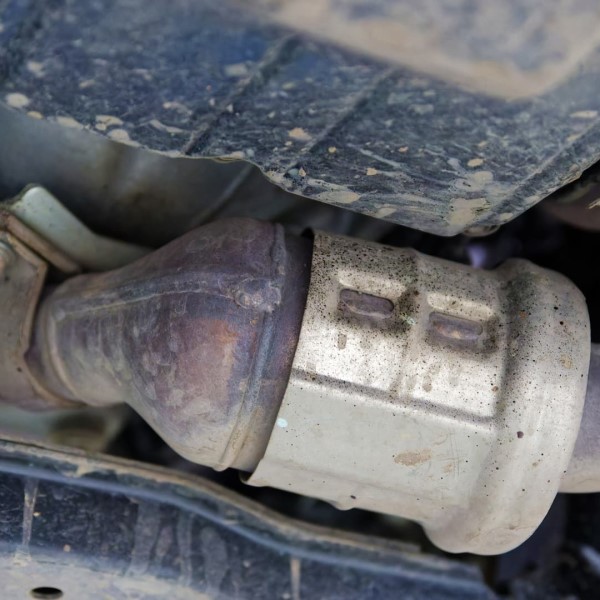
Many car owners panic when they see the check engine light. They immediately wonder, can you drive with a bad catalytic converter without causing further damage? This is a critical question for your safety and your wallet. A bad catalytic converter is more than just a nuisance. It signals a failure in your vehicle’s emission control system. Consequently, you must address the issue promptly. Ignoring catalytic converter problems often leads to expensive repairs down the road. You should familiarize yourself with common catalytic converter symptoms. These include a rotten egg smell or a rattling noise. Furthermore, understanding the catalytic converter effects on engine performance is essential. This article will guide you through the risks and solutions. We help you make an informed decision before you turn the key.
Understanding the Role of the Catalytic Converter
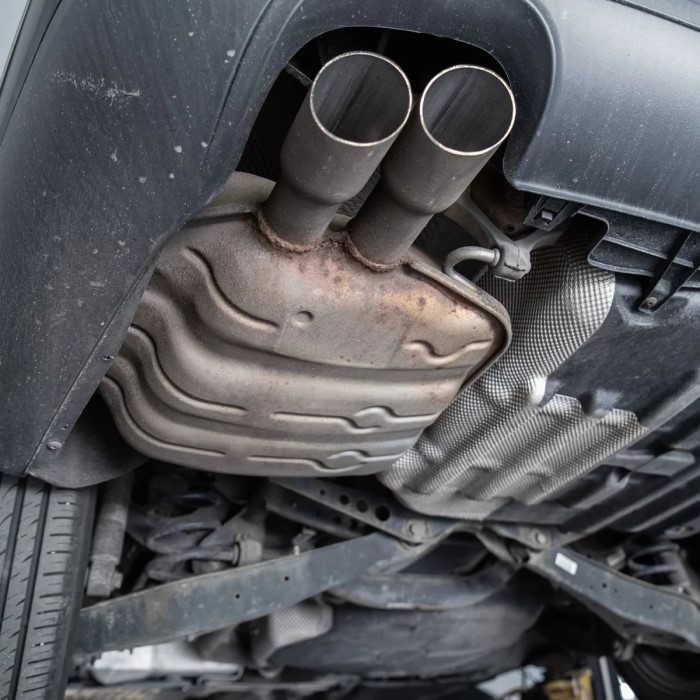
The catalytic converter is a crucial component of your car’s exhaust system. Its primary function is to reduce pollution. Specifically, it converts harmful exhaust gases into safer emissions. For instance, it transforms carbon monoxide into carbon dioxide. It also changes nitrogen oxides into nitrogen and oxygen. This process happens through chemical reactions. The converter uses precious metals like platinum and rhodium as catalysts. Therefore, it operates under extremely high temperatures.
Consequently, the unit must remain free of blockages to function correctly. The engine pushes exhaust gas through the honeycomb structure inside the converter. If this structure melts or breaks, the flow stops. This blockage creates back pressure in the engine. As a result, the engine cannot breathe properly. The vehicle’s performance drops significantly. Furthermore, the oxygen sensors rely on data from the exhaust stream. A clogged converter skews these readings. The engine computer then adjusts the fuel mixture incorrectly. This leads to poor fuel economy. Understanding this role highlights why a failing unit is a major issue. It is not just an environmental concern. It is a mechanical necessity for proper engine function. Therefore, maintaining this part is vital for the overall health of your vehicle.
Identifying the Symptoms of a Failing Unit
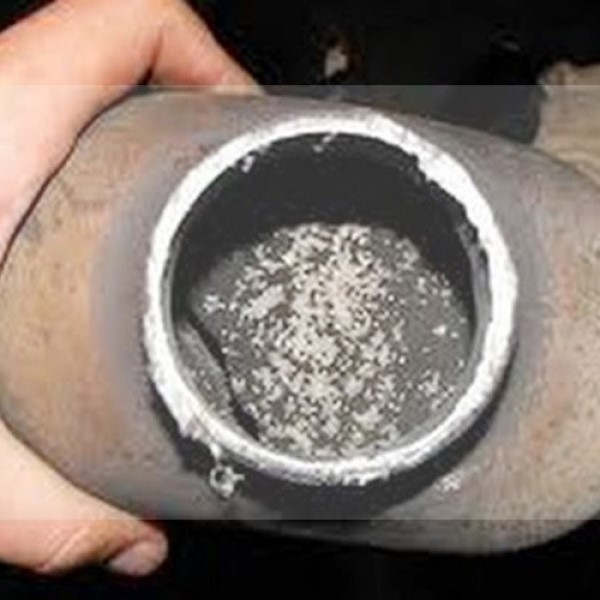
You must know the warning signs of a failing converter. First, the check engine light often illuminates. The vehicle’s computer monitors the efficiency of the converter. If it falls below a certain threshold, the light turns on. However, this light can indicate many problems. Therefore, you should look for other specific symptoms. A distinct rattling noise is a common indicator. This sound usually happens when the internal honeycomb structure breaks apart. The pieces rattle inside the metal casing.
Additionally, you might notice a sulfuric smell. This smells like rotten eggs. It indicates that the converter is not processing hydrogen sulfide properly. Furthermore, you will likely experience a noticeable drop in acceleration. The car may feel sluggish, especially when going uphill. This happens because exhaust gases cannot escape. The engine becomes “choked” by the back pressure. Another symptom is poor fuel economy. If you visit the gas station more often, the converter might be the culprit. Finally, the car may fail an emissions test. This is often the first time many owners realize there is an issue. If you notice any of these signs, get your car inspected immediately. Driving with these symptoms can worsen the damage. It can also leave you stranded on the side of the road.
The Direct Risks of Driving with a Faulty Converter
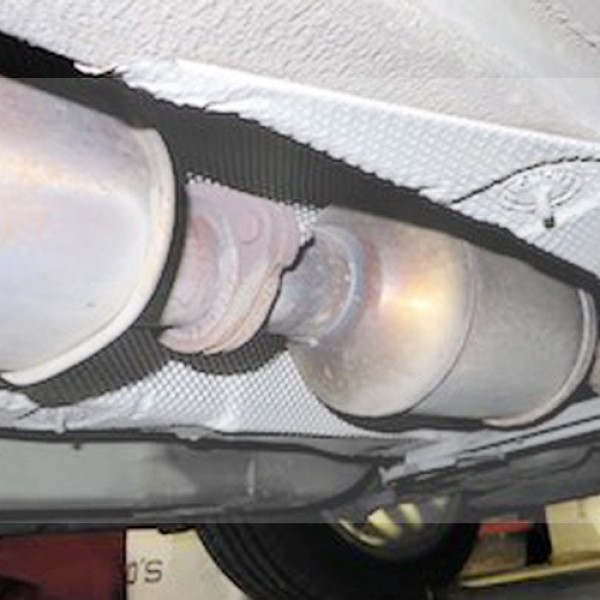
Can you drive with a bad catalytic converter? So, is it safe to drive? The short answer is complicated. You can technically drive for a short period. However, it is not recommended. The risks are significant. First, a severely clogged converter creates immense back pressure. This pressure can force exhaust gas back into the engine. Consequently, the engine can overheat. Overheating leads to warped cylinder heads and blown gaskets. These repairs are far more expensive than replacing the converter.
Furthermore, the internal debris can cause physical damage. Pieces of the ceramic honeycomb can shoot into the exhaust pipes. They can damage mufflers or resonators. Moreover, a failing converter poses a fire hazard. Converters run extremely hot during normal operation. If the unit is malfunctioning, it can overheat even more. It can glow red hot. If you park over dry grass, it can start a fire under your car. This danger is very real. Additionally, you risk stalling in traffic. The engine may shut off completely due to restricted airflow. This creates a dangerous situation on highways. Therefore, the convenience of driving is not worth the safety risk. You should limit driving as much as possible until you fix it.
Impact on Vehicle Performance and Fuel Economy
A malfunctioning catalytic converter directly hurts your car’s performance. The engine relies on a precise balance of air and fuel. It also needs to expel exhaust gases efficiently. A clogged converter disrupts this cycle. The engine cannot exhale. Therefore, it cannot inhale fresh air effectively. This phenomenon is known as back pressure. It essentially suffocates the engine. As a result, you will feel a lack of power. The throttle response becomes sluggish. The car may hesitate when you try to accelerate.
Consequently, your fuel economy suffers greatly. The engine computer senses the lack of power. It tries to compensate by injecting more fuel into the cylinders. This wastes gas. You will find yourself filling up the tank much more often. This extra cost adds up quickly. In fact, the money you save on gas by fixing the car can help pay for the repair. Furthermore, the engine runs “rich” with too much fuel. This excess fuel can wash the oil off the cylinder walls. This causes increased friction and wear on the piston rings. Eventually, this leads to oil consumption issues. Thus, a bad converter starts a chain reaction of problems. It affects every aspect of the drivetrain. From the spark plugs to the oxygen sensors, the strain is universal. Fixing the converter restores this balance. It brings back the smooth driving experience you expect.
Legal and Environmental Consequences
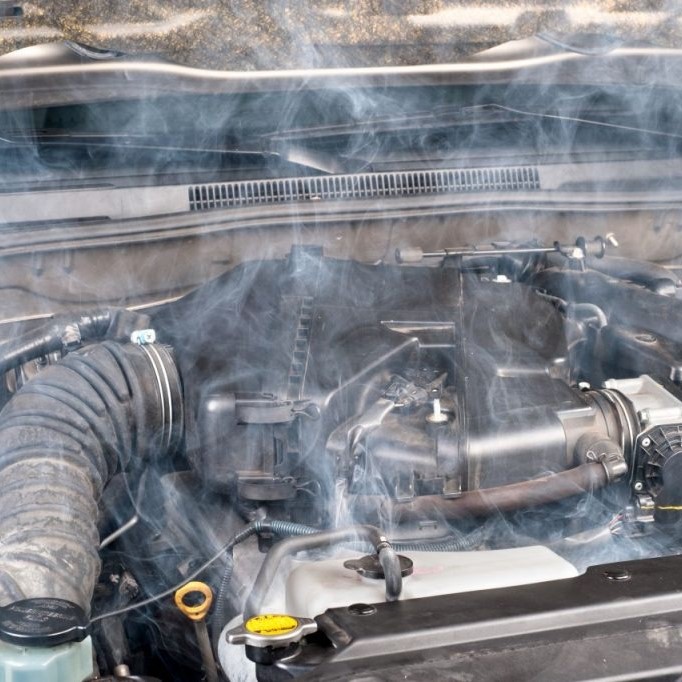
Driving with a bad catalytic converter is not just a mechanical issue. It is also a legal one. In most jurisdictions, a functioning emission control system is mandatory. You cannot legally drive a car that pollutes excessively. If your converter is missing or broken, your car will emit high levels of harmful gases. These pollutants contribute to smog and health issues. Consequently, law enforcement can ticket you for excessive emissions. The fines for these violations can be hefty.
Furthermore, you will likely fail your annual vehicle inspection. Every state or region has different laws. However, most require a passing emissions test to register the vehicle. If the check engine light is on, the automatic result is a fail. You cannot renew your license plates. This makes the car illegal to drive on public roads. Additionally, selling the car becomes impossible in this state. You cannot transfer the title without a valid inspection. Therefore, fixing the converter is necessary for legal compliance. It also protects the environment. The converter reduces carbon footprint significantly. By ignoring the repair, you contribute to air pollution. This has broader impacts on community health. Thus, replacing the converter is the responsible choice. It ensures you remain a law-abiding citizen. It also shows you care about the environment.
Diagnosing Catalytic Converter Issues
Can you drive with a bad catalytic converter? Proper diagnosis is key before spending money on repairs. You must confirm the converter is the actual problem. Sometimes, an oxygen sensor failure mimics converter symptoms. Therefore, a mechanic uses a scan tool to read the error codes. Codes like P0420 or P0430 often point to converter inefficiency. However, these codes do not always mean the converter is dead. The mechanic must perform further tests. They often use an infrared thermometer. They check the temperature before and after the converter. A healthy converter should be hotter at the outlet. If it is cooler, it is likely clogged.
Additionally, a back pressure test is very effective. The mechanic installs a gauge in the oxygen sensor port. This measures the pressure in the exhaust system. High pressure indicates a blockage. You can also perform a physical inspection. If you tap the converter with a rubber mallet, listen for rattling. A rattling sound means the internal structure is broken. This confirms the need for replacement. Visually, a damaged converter may look blue or discolored. This indicates overheating. By using these methods, you avoid replacing parts unnecessarily. Accurate diagnosis saves time and money. It ensures you address the root cause of the problem. Never rely on guesswork for emission repairs. They are too expensive for trial and error.
Repair and Replacement Options
Once you confirm the issue, you must explore repair options. The most common solution is a full replacement. You have several choices for parts. Original Equipment Manufacturer (OEM) parts are the best quality. They fit perfectly and last the longest. However, they are the most expensive option. Alternatively, you can choose an aftermarket converter. These are cheaper. However, quality varies significantly. Some aftermarket units may not meet strict emission standards. Therefore, check for “EPA certified” labels.
The cost of replacement varies widely. It depends on your car’s make and model. Luxury cars usually cost more. Labor costs also add to the bill. The mechanic must cut the old unit off and weld the new one on. This process takes time. In some cases, you might consider a “direct-fit” converter. These bolt right into place. They require less labor time. However, they are more expensive than “universal” weld-in units. For minor clogs, some drivers try chemical cleaners. You pour these additives into the gas tank. They claim to dissolve carbon deposits. While they might help slightly, they rarely fix a completely failed converter. Therefore, physical replacement is usually the only reliable fix. Always get multiple quotes from different shops. This ensures you get a fair price for the work.
Preventative Maintenance Tips
Can you drive with a bad catalytic converter? Prevention is always better than repair. While you cannot stop a converter from wearing out forever, you can extend its life. The most important step is regular engine maintenance. A poorly running engine destroys a converter quickly. For example, misfiring spark plugs send unburnt fuel into the exhaust. This fuel ignites inside the converter. It causes the internals to melt. Therefore, replace spark plugs and wires on schedule.
Furthermore, fix oil leaks immediately. Oil leaking into the exhaust coats the catalyst. This prevents the chemical reaction from happening. It creates a thick residue that clogs the unit. Similarly, coolant leaks are detrimental. Coolant vapors can damage the precious metals inside. Also, avoid driving through deep water. The water can rapidly cool the hot converter. This thermal shock can crack the ceramic structure. Finally, use high-quality fuel. Low-grade gas may contain additives that harm the converter over time. By following these simple tips, you protect your investment. You ensure the emission system works correctly. This saves you from the high cost of premature replacement. Good driving habits go a long way in car maintenance.
FAQ: Common Questions About Catalytic Converters
How long can you drive your car if the catalytic converter is bad?
You can technically drive for a short time. However, it is risky. If the converter is just inefficient, you might drive for weeks. But if it is severely clogged, you should stop immediately. The car may stall or overheat within miles. Therefore, get it checked as soon as possible. Do not wait for a breakdown to happen.
Can a bad catalytic converter ruin your engine?
Yes, it absolutely can. A severely blocked converter creates massive back pressure. This pressure prevents exhaust gas from leaving the engine. Consequently, the engine cannot breathe. It leads to overheating and loss of power. Over time, this stress causes irreversible internal engine damage. Repairing the engine costs far more than a new converter.
How to unclog a catalytic converter fast?
You cannot physically “unclog” a broken converter quickly. However, you can try cleaner additives. Pour a catalytic converter cleaner into your gas tank. Then, drive the car on the highway for twenty minutes. The high heat and cleaner might burn off minor deposits. This only works for small clogs. Severely damaged units require replacement.
Is it worth fixing a catalytic converter?
Yes, it is usually worth the cost. A functioning converter is necessary for legal driving. It also ensures good fuel economy and performance. Plus, a bad converter can damage your engine. Ignoring it leads to much higher bills later. Therefore, view it as an investment in your car’s health. It protects the engine and keeps you legal.
Conclusion
Dealing with car repairs is stressful. However, ignoring exhaust issues is dangerous. You now have the answer to can you drive with a bad catalytic converter. While it is technically possible for a short distance, the risks are high. A bad catalytic converter threatens your safety and your wallet. You must take catalytic converter problems seriously to avoid engine failure. Watch for catalytic converter symptoms like bad smells or power loss. Do not ignore the catalytic converter effects on your car’s performance. We hope this guide helps you make the right choice. Fix the issue today to drive safely tomorrow.
Leave a Reply