Understanding the Camshaft Holding Tool
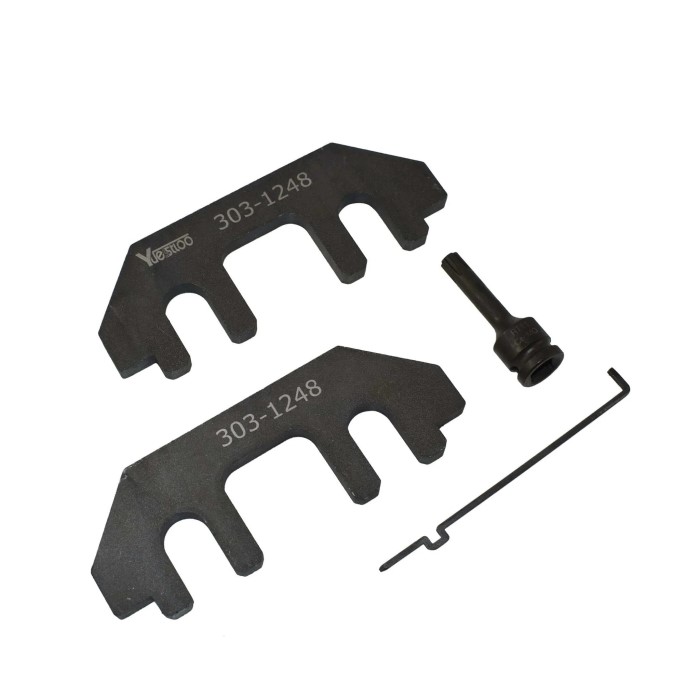
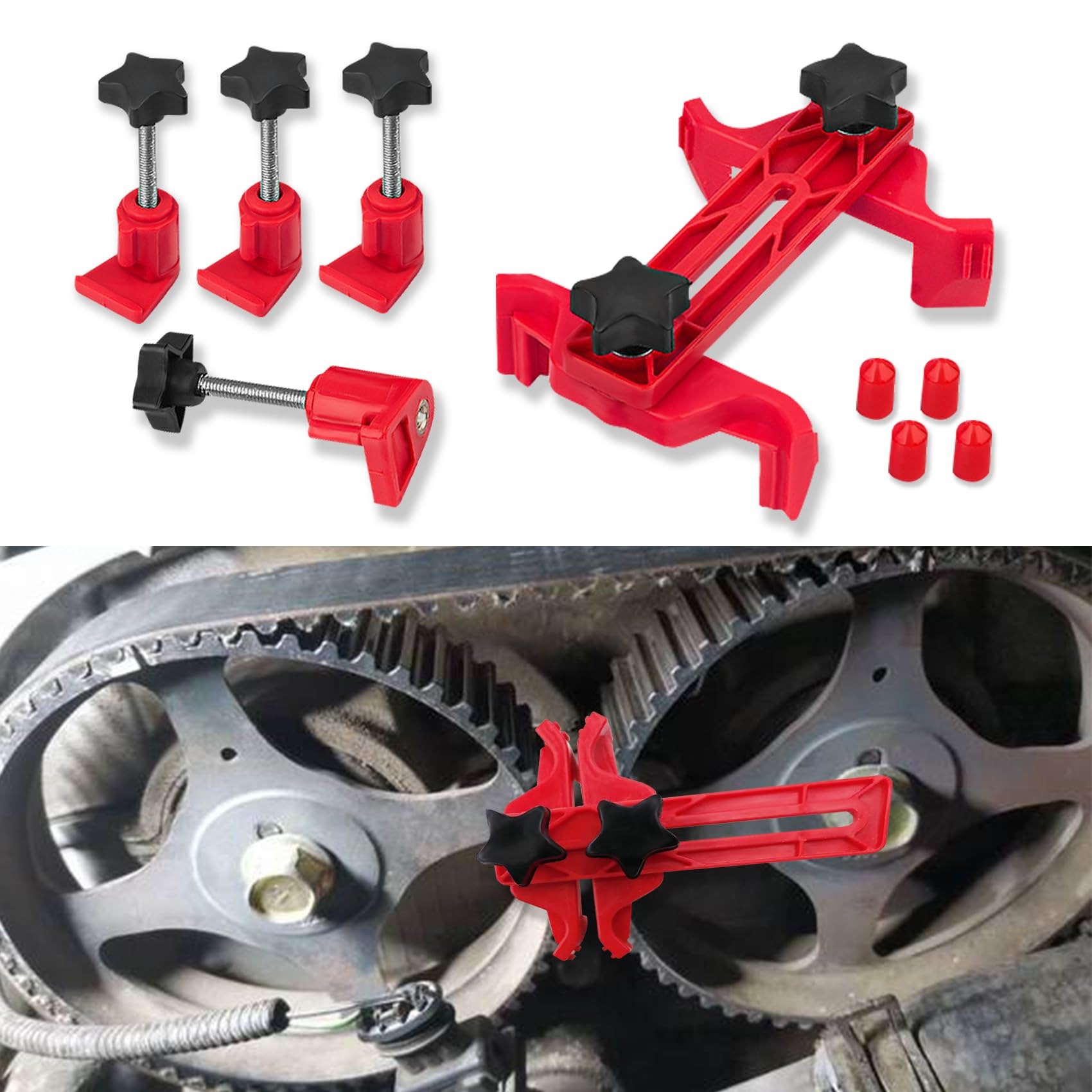
When working on engine repairs, particularly tasks involving the camshaft, a camshaft holding tool becomes indispensable for many mechanics and DIY enthusiasts. This specialized tool is engineered to hold the camshaft securely in place during repairs and adjustments, ensuring the engine runs smoothly. Given the precision required in engine timing and valve operations, using a camshaft holding tool can significantly enhance the quality of the repair. Without it, the risk of misalignment can lead to engine damage or performance issues.
Using a camshaft holding tool is particularly important for modifications, such as installing new timing belts, replacing gaskets, or adjusting valve clearances. This article will provide a comprehensive understanding of how to use a camshaft holding tool effectively, addressing common questions and offering insight into the best tools available for engine repairs.
Why a Camshaft Holding Tool Is Essential
The importance of a camshaft holding tool cannot be overstated. Let’s explore some key reasons why:
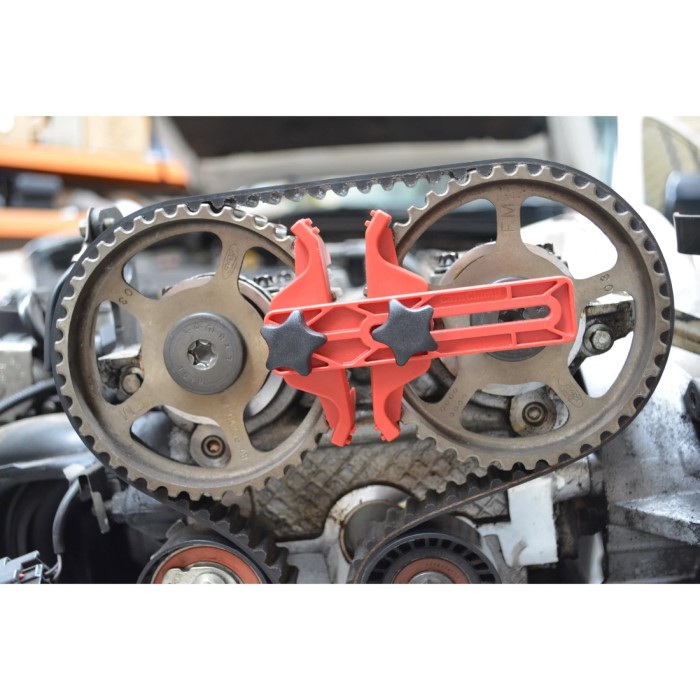
- Precision Maintenance: Holding the camshaft in the correct position is crucial for timing procedures. Even slight misalignments can lead to extensive engine damage. The camshaft holding tool allows for precise positioning, reducing the risk of errors.
- Simplified Repairs: With a holding tool, tasks like removing or installing a timing chain or belt become more manageable. This tool keeps the camshaft steady, allowing the mechanic to focus on other tasks without worrying about loosening bolts or misalignment.
- Increased Safety: By securing the camshaft during repairs, workers can avoid injury caused by sudden movements or slipping components. Safety is an essential aspect of automotive repairs.
- Versatility: Many camshaft holding tools are designed to be compatible with multiple vehicles. This versatility means that one tool can serve various engines, making it cost-effective for both professionals and home mechanics.
How to Use a Camshaft Holding Tool
Knowing how to use a camshaft holding tool properly is vital for maximizing its effectiveness during engine repairs. Here’s a step-by-step guide:
- Gather Required Tools: Before starting the procedure, ensure you have the camshaft holding tool and other necessary tools, such as sockets, wrenches, and a torque wrench.
- Preparation of the Engine: Disconnect the battery and drain any fluids necessary for repair. Make sure the engine is cool before performing any work.
- Locate the Camshaft: Once the engine is prepared, identify the position of the camshaft by consulting your vehicle’s repair manual. Different engine configurations may require distinct approaches.
- Position the Holding Tool: Follow the instructions specific to your camshaft holding tool. Typically, the tool attaches to the camshaft using bolts or clamps to secure it.
- Perform Required Repairs or Adjustments: With the camshaft securely held in place, proceed to make the necessary repairs or adjustments (e.g., timing belt replacement, valve adjustments).
- Final Checklist: After completing your repairs, double-check all bolts and connections, ensuring everything is back in its respective place.
- Remove the Tool: Carefully detach the camshaft holding tool.
- Reconnect and Test: Once everything is back together, reconnect the battery and run the engine to verify that the repairs were successful.
Best Camshaft Holding Tool for Engine Repair
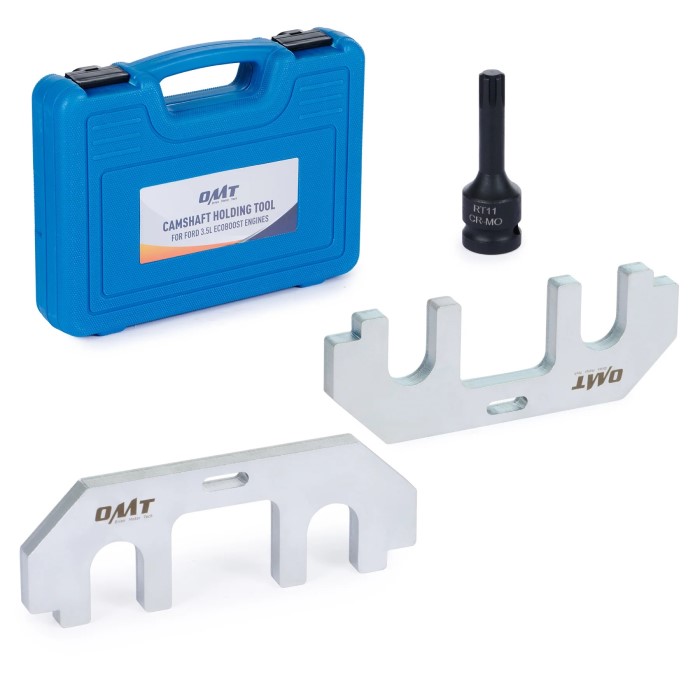
When searching for the best camshaft holding tool for engine repair, various products cater to diverse needs. Consider the following popular options, which consistently receive positive feedback from professional mechanics and DIY enthusiasts:
- OEM Tools: Designed for various makes and models, this tool is known for its durability and ease of use. It securely holds the camshaft, allowing for hassle-free repairs.
- Lisle Camshaft Holding Tool: Widely praised for its versatility, this tool is compatible with many engine types, including those in BMW vehicles.
- CTA Tools Set: This set includes several tools, making it ideal for those who tackle various types of work. With an ergonomic design, it simplifies the repair process.
- Performance Tool: Another great option, this tool praise for its solid construction and effectiveness even in challenging conditions.
Reviews and Comparisons
Understanding camshaft holding tool reviews and comparisons can aid in selecting the right product for your needs. When analyzing different models, consider the following factors:
- Compatibility: Ensure that the tool is suitable for your vehicle make and model. Compatibility is essential for effective use.
- Build Quality: Look for tools made from durable materials that can withstand rigorous use over time. Stainless steel and high-quality composites are good indicators of longevity.
- Ease of Use: Opt for tools with an ergonomic design that facilitate smooth operation. A user-friendly tool will make your repairs easier and safer.
- Price Analysis: Compare prices among different retailers and platforms to identify the best deal within your budget. Sometimes, investing a bit more can result in better long-term performance.
DIY Solutions
Understanding the Need:
-
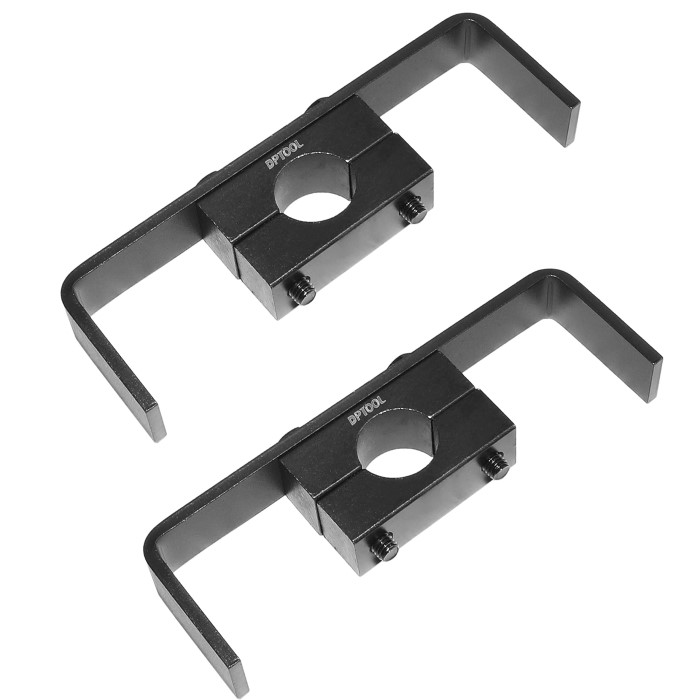
- Importance of Camshaft Stability: Camshaft holding tools are essential for stabilizing the camshaft during certain engine repairs, helping to prevent movement that could disrupt the timing.
- DIY Motivation: If you are drawn to do-it-yourself projects, knowing how to create makeshift camshaft holding solutions can be beneficial, especially when tools are not readily available.
Use a Small Wood Block:
-
- Creating a Shim: A small block of hardwood can cut to size and used as a shim to temporarily stabilize the camshaft during repairs or adjustments.
- Customization: Depending on the configuration of your engine and the size of the camshaft. You may need to customize the dimensions of the wood block to fit securely.
- Temporary Solution: While this is not a permanent or professional solution, it can help hold the camshaft in place when you’re in a pinch and need to complete a task.
Adapt Other Tools:
-
- Utilizing a Strap Wrench: If you lack a dedicated holding tool. A sturdy strap wrench can be a great alternative. This tool can grip the camshaft securely, allowing you to work effectively.
- Flexibility with Existing Tools: Consider other items such as adjustable wrenches or locking pliers. While these may not designe specifically for holding camshafts, they can provide a temporary solution when modified appropriately.
- Creative Solutions: Use ingenuity to adapt any tool you have at hand that could serve to stabilize the camshaft. Flexibility and inventiveness can lead to effective temporary solutions.
Borrowing Tools:
-
- Collaborative Approach: If you only need a holding tool for a one-time project or a specific task, consider reaching out to friends or local mechanics who might have the tool.
- Cost Savings: Borrowing tools can save you money, as purchasing specialized equipment can be expensive, especially if it’s only needed for a brief period.
- Building Relationships: This approach also fosters community and relationships with fellow car enthusiasts or professionals, who might be willing to offer assistance or even share other useful advice during your project.
Consider Renting Tools:
-
- Tool Rental Services: In addition to borrowing, some auto parts stores offer tool rental services for a small fee. Renting a professional-grade camshaft holding tool can provide you with the security you need for your project without the commitment of purchase.
- Access to High-Quality Equipment: Renting allows you to use high-quality, purpose-built tools that will make your job easier and more efficient, ensuring accurate results in your DIY project.
Document Your Temporary Solutions:
-
- Record Your Methods: If you find a successful DIY solution that works well, consider documenting your methods and sharing them with others in DIY forums or communities.
- Encourage Innovation: Sharing your experiences may inspire others and help build a resource for effective DIY methods when dealing with engine repairs.
FAQs
- What is the best camshaft holding tool for engine repair?
The best camshaft holding tool varies based on your vehicle. Popular options include OEM Tools, Lisle, and CTA Tools that cater to various motor types. - How to use a camshaft holding tool?
Begin by gathering necessary tools, locating the camshaft, and then positioning the holding tool. Follow proper procedures to secure the camshaft before proceeding with repairs. - What are camshaft holding tool reviews and comparisons?
Reviews typically highlight compatibility, build quality, ease of use, and price. Reading multiple reviews helps to find a tool that suits your needs. - Can I use a camshaft holding tool for BMW and other vehicles?
Yes, many holding tools are designed to work with a variety of vehicles. Including BMW models, but make sure to choose one that is explicitly compatible. - What are some DIY solutions for holding tools?
In emergencies, you can use wood blocks or adapt other existing tools to stabilize the camshaft. However, acquiring the proper tool is always recommended for regular maintenance.
Conclusion
In summary, understanding how to utilize a camshaft holding tool properly is essential for anyone involved in engine repairs. This tool not only aids in ensuring precision during adjustments but also enhances safety in the repair process. Whether you are a professional mechanic or a dedicated DIY enthusiast. Investing in the right camshaft holding tool will save time and effort during engine work. By adhering to best practices and selecting quality tools, you can master engine repairs with confidence and keep your vehicle running smoothly for years to come.
Leave a Reply