Why Following Distance Matters on Highways
Highway speeds are high. Reaction time is limited. A small mistake becomes a big crash. What is the recommended safe following distance? You need enough space between cars. This space gives you time to react. It gives you time to stop. The recommended safe following distance keeps you safe. It protects the driver in front of you too.
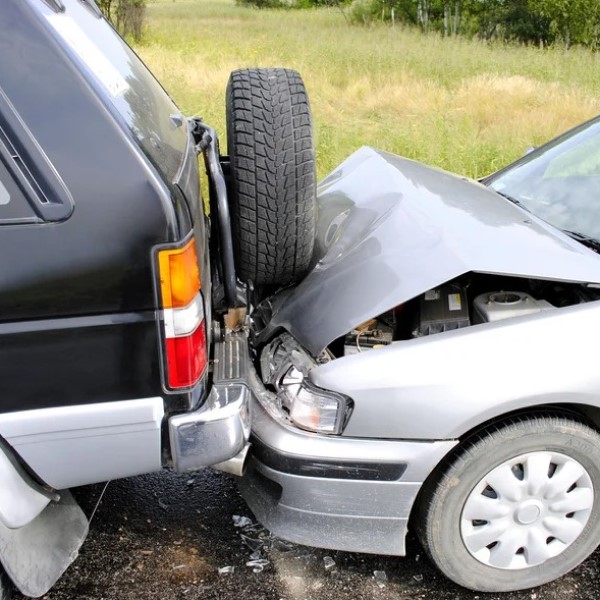
Many drivers follow too closely. They tailgate. They think it saves time. Tailgating causes rear-end collisions. These collisions are common. They are easily avoidable. You just need to maintain a safe driving distance.
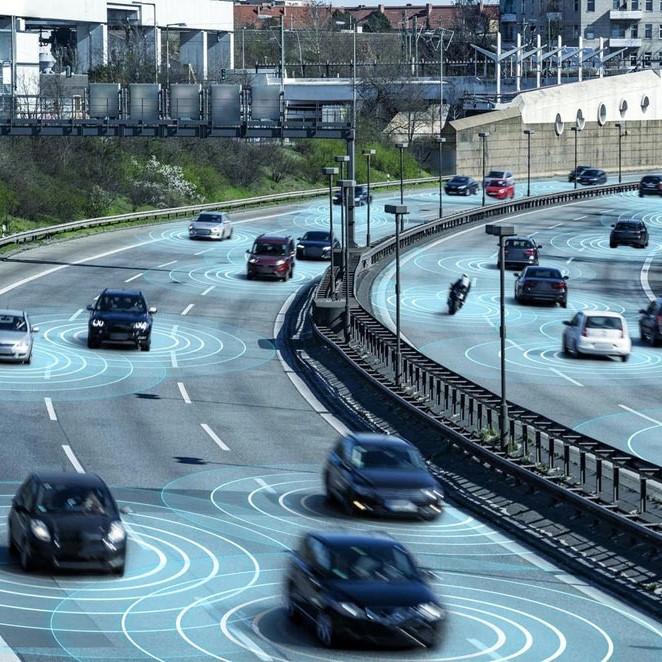
The distance depends on speed. At 60 mph, you travel 88 feet per second. Your brain processes information. Your foot moves to the brake. The car slows down. All of this takes time. You need a buffer.
Following the following distance guidelines reduces stress. You do not panic when the car in front stops. You have room. This makes driving more comfortable.
We also share driving safety tips in this guide. They help you judge distance better. They help you adapt to weather.
The following distance rules vary by location. Some states have laws. Some do not. But the best rule is the three-second rule. It works everywhere. It is easy to use.
The Three-Second Rule Explained
The three-second rule is simple. Pick a fixed point on the road. A sign works. A bridge works. When the car ahead passes it, start counting. Count “one thousand one, one thousand two, one thousand three.”
If you reach the same point before you finish counting, you are too close. Slow down. Increase your distance. Count again. This ensures a safe driving distance at most speeds.
Why three seconds? It is the average reaction time plus braking time. Most people react in one second. Braking takes two seconds at highway speeds. Three seconds gives you a margin.
This method works for the recommended safe following distance on dry roads. It is easy to remember. It does not need math. You just need to count.
Many driving schools teach this method. It is a core part of following distance guidelines. It is also used in professional driving courses.
Practice the count until it becomes habit. Check your distance often. On highways, traffic changes. You must adjust. The count helps you stay consistent.
Adjusting for Speed and Road Conditions
What is the recommended safe following distance? Speed changes the distance needed. At 70 mph, you travel further in the same time. You need more space. Increase your count to four seconds. This accounts for the higher speed.
The safe driving distance at high speeds is critical. A car stops faster at low speed. At high speed, stopping takes longer. The physics is simple. Speed doubles. Stopping distance quadruples for the same conditions.
Rain changes everything. Tires have less grip. Brakes work poorly. Wet roads increase stopping distance by two or three times. You should use at least five seconds in the rain.
Snow and ice are worse. Your tires slide. Your brakes lock. Control is poor. Use seven to ten seconds in snow. This is the recommended safe following distance for winter driving.
Fog reduces visibility. You cannot see far. You need distance to see obstacles. In fog, drop your speed. Use a longer count. Follow the following distance rules for low visibility.
Night driving is more dangerous. You see less. You react slower. Add one more second at night. The road is dark. Pedestrians are hard to see.
How to Judge Distance Without Counting
What is the recommended safe following distance? Some drivers prefer markers. Use the road dashes. On most highways, dashes are 10 feet long. The gap between them is 30 feet. Four dashes equal about 160 feet. This is a good distance at 60 mph.
Use car lengths as a guide. A car is about 15 feet long. At 60 mph, you need ballparking 5 to 6 car lengths. This is the safe driving distance for that speed.
Use the time method. Choose a car that is stopped. Watch the car ahead pass a sign. Count. This is the most reliable way.
Some newer cars have distance sensors. They show a number on the dashboard. They beep if you are too close. Use this tech. It helps you maintain the following distance guidelines.
Do not rely only on mirrors. You need to look ahead. Look at the car in front. Look at the car in front of that car. This gives you more warning.
The Danger of Tailgating
Tailgating is aggressive. It causes many accidents. The driver behind has no time to stop. A sudden brake by the front car leads to a crash.
Tailgating also annoys other drivers. It makes them nervous. They may brake to get you off their tail. This creates more risk.
Many drivers tailgate because they are late. Being late is not an excuse. An accident makes you later. A ticket makes you later. Your recommended safe following distance helps you arrive on time.
Research shows that tailgating does not save travel time. You just arrive at the same stoplight.
This is why following distance rules exist. They are not just suggestions. They are based on physics.
Following Distance for Large Vehicles
Large trucks need more distance. A semi-truck weighs 80,000 pounds. It takes much longer to stop. A truck needs 6 to 8 seconds of following distance.
The safe driving distance for a truck is different. You should stay back. Do not cut in front of a truck. The driver may not see you. The truck cannot stop quickly.
Motorcycles need less distance to stop. But they are small. They can be hidden in blind spots. Give a bike extra space. Do not crowd them.
If you are towing a trailer, increase your distance. The load reduces braking power. You need more time to slow down. This is part of good driving safety tips.
Trucks also create wind blast. Passing them can push your car. Leave extra room on the side. Follow the following distance guidelines for heavy vehicles.

Common Myths About Following Distance
Some think that cruise control manages distance. Cruise control does not adapt to traffic. It maintains speed. You must still brake and adjust.
Others think that the two-second rule is enough. Two seconds is too short. It gives no margin for reaction. Three seconds is the minimum.
Some drivers believe that their car has great brakes. Modern brakes are good. But they do not overcome physics. Reaction time remains the same. The recommended safe following distance still matters.
Many drivers think that tailgating a slow car makes it go faster. It does not. It only creates anger. Maintain your distance. Be patient.
Remember that following distance rules apply to all drivers. You are not special. Your car is not faster. Your reflexes are not superhuman.
FAQ: Safe Following Distance in Singapore
What is the safe following distance in Singapore? Singapore uses the two-second rule as a minimum. They recommend a four-second gap at highway speeds. This accounts for the high density traffic. The Land Transport Authority enforces this rule.
Are your hands at 10 and 2 or 9 and 3? Drivers used to put hands at 10 and 2. This referred to the steering wheel position. It was the old standard. Now, 9 and 3 is safer.
Why are 10 and 2 no longer recommended? Airbags changed this. A driver’s hands at 10 and 2 are in the airbag deployment zone. An airbag forces the hands back. This can cause facial injuries. It can break the driver’s thumbs. At 9 and 3, the hands are below the airbag. The hands stay safe. The airbag deploys freely. This is a key driving safety tips.
Using Modern Technology to Maintain Distance
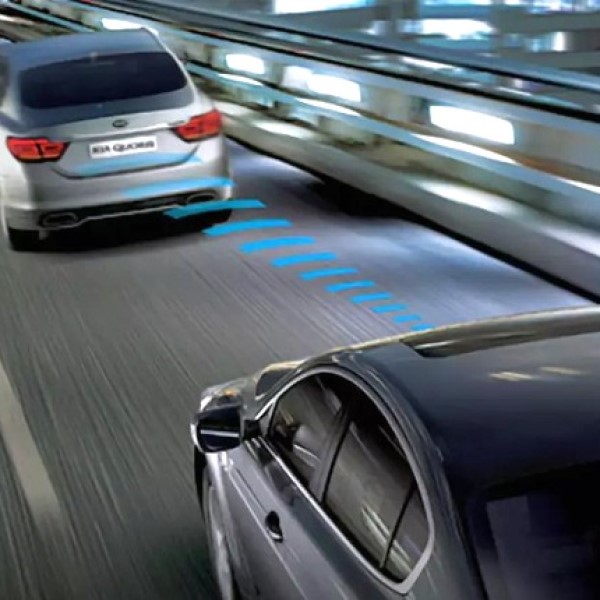
Adaptive cruise control helps. It uses radar or cameras. It keeps a set distance from the car ahead. You can adjust the gap. It is useful for long drives.
Lane keep assist helps too. It keeps you centered. It prevents drifting. Combined with distance control, it reduces fatigue.
Forward collision warning alerts you. It beeps if you are too close.
But technology is not perfect. Sensors can be dirty. Sensors can be blocked. You must still pay attention. You must still use the following distance guidelines.
Use technology as an aid. Do not rely on it completely. Your eyes and your brain are still the primary tools for the recommended safe following distance.
Final Thoughts on Highway Safety
Following distance is a simple habit. It saves lives. It reduces stress. You now know what is the recommended safe following distance.
Use the three-second rule. Adapt it for weather. Adapt it for speed. Always count when you are unsure. This maintains a safe driving distance.
Follow the following distance guidelines from traffic authorities. They are based on research. They are proven to work.
Use our driving safety tips every day. They help you avoid accidents. They help you protect your passengers.
Respect the following distance rules of your state or country. Obey the law. Be a responsible driver.
Keep your distance. Arrive safely. Protect yourself and others on the road. The gap you leave is the gap that saves you.
Leave a Reply